
Scientists issue warning after finding 'fake spices' including 'suspicious black pepper'

Experts have revealed the everyday spices which have the highest risk of being faked - amid concerns of spice fraud.
Let's be honest, we all love the convenience and affordability of the spices you can buy at the supermarket. Already dried, ground up and coming with wonderfully long best-before dates, these ingredients making cooking so much quicker for us.
But, unfortunately, it looks like we can't enjoy much in this world without the risk of being ripped off, or even putting our health in danger.
What is spice fraud?
Put simply, spice fraud is when manufacturers cut spices such as saffron and turmeric with other unspecified ingredients. This allows them to increase their profit margins on the product, but they are also misleading consumers into buying a product which contains unknown substances.
Advert
In fact, a study conducted earlier this year by the Food Standards Agency discovered that around 13% of spices sold in the UK contained unlisted ingredients mixed in. This could be anything from leaves to more sinister things such as synthetic fibres, insect fragments and, in extreme cases, mould.
Definitely not what you want to put in your dinner.
Spice fraud has been around for as long as these brightly coloured powders have been traded by civilisations and might even sound like not much of a big deal, but unfortunately this can lead to allergy concerns and health complications.
What are the spices most at risk?
Naturally, some spices will be more at risk of contamination than others, with a recent report from MailOnline revealing the seven worst offenders to look out for.
Saffron
Considering the difficult preparation process saffron goes through, the spice is created by drying the stems of a saffron crocus flower, it's unsurprising to learn that saffron is frequently faked.
Fraudulent saffron will often contain red dye, cotton threads and corn husk silk.

Black pepper
As one of the most commonly used spices, it'll come as a concern to many that 70 out of 421 pepper samples tested by European Commission were contaminated.
This impacts both whole and ground pepper, with dried berries and papaya seeds sold as fake peppercorns.
Oregano
Investigations by the Food Standards Authority uncovered that roughly 27% of dried oregano wasn't up to standard.
Olive leaves are the biggest offender for fraudsters bulking up oregano stock, with an EU study finding that 48% of samples were at risk of contamination with the leaves.
Turmeric
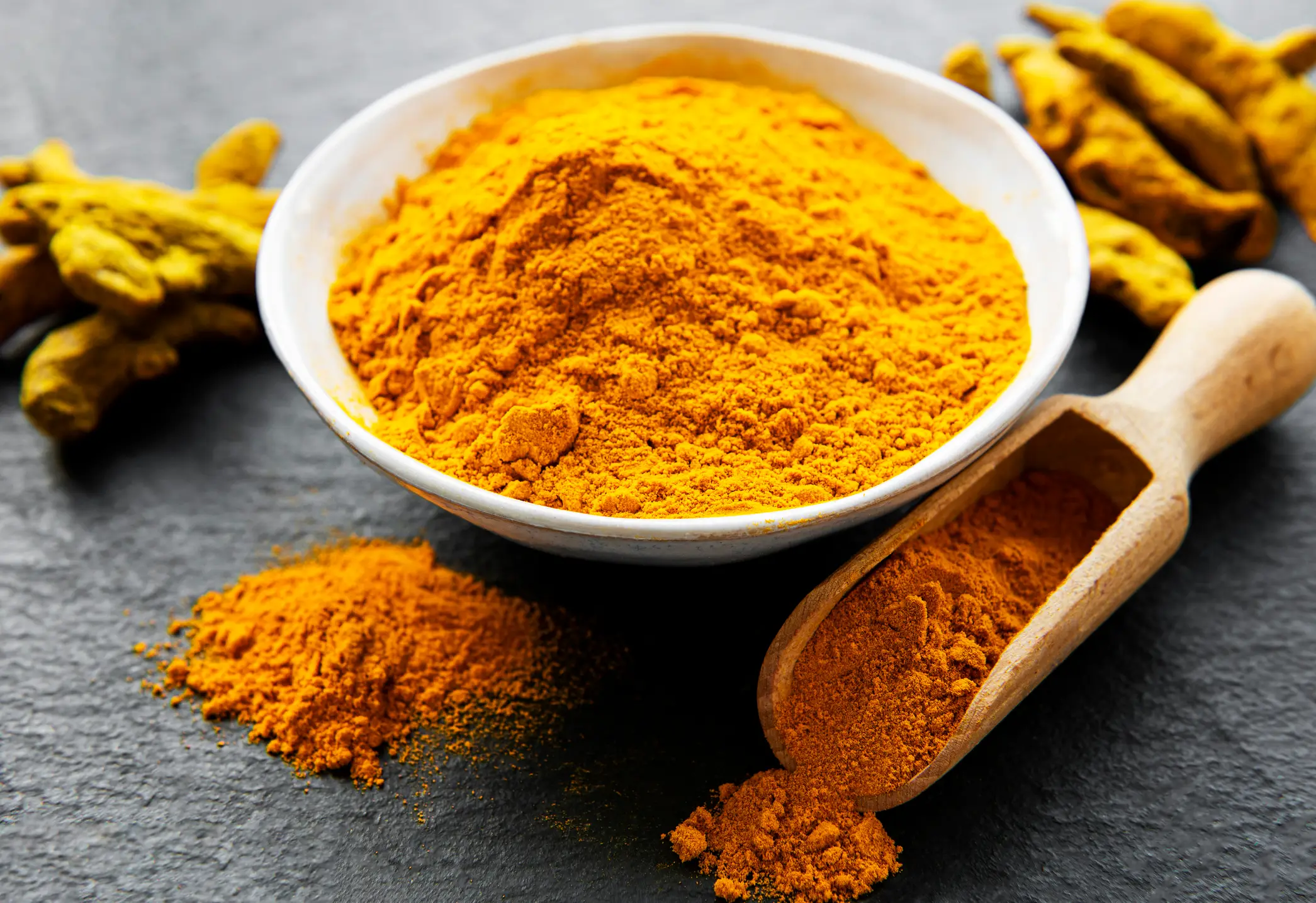
Artificial colours, dyes (most likely metanil yellow), yellow chalk are listed as fraudulent ingredients added to turmeric.
Cumin
One of the most concerning findings from the EU study was that around 5% of cumin sampled contained traces of mustard, a food allergen, while some also had traces of ash.
Cinnamon
According to a study cited by MailOnline, 'true' cinnamon is actually hard to come by. Instead 'fake cinnamon', which comes from the bark of a cassia tree, is commonly sold in its place.
Cassia cinnamon can also contain a toxin called coumarin, which can be dangerous in large doses.
Chilli powder
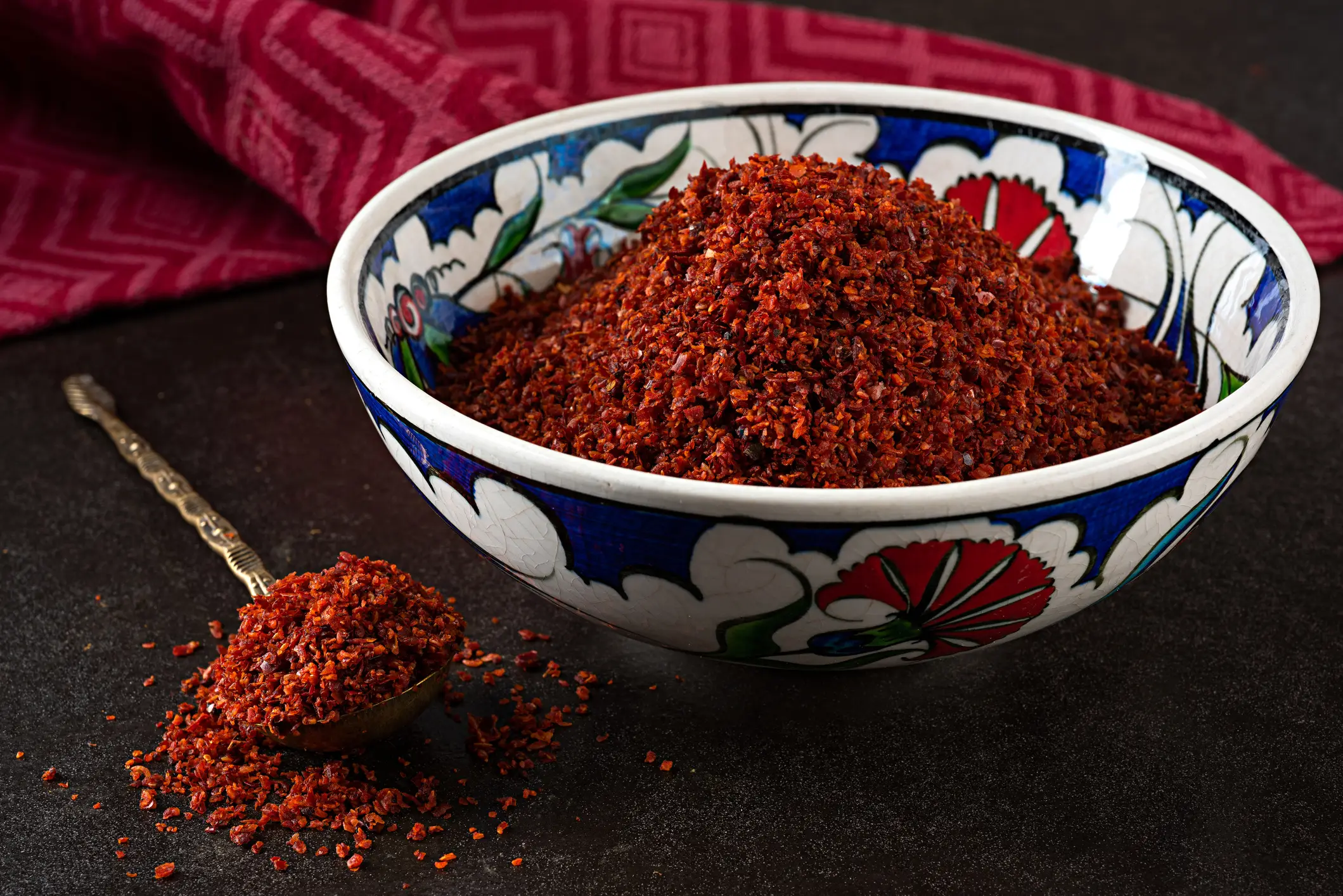
One of the more surprising additions to the list is chilli powder, with synthetic dyes often being added to chilli powder, cayenne pepper, and paprika - however this is rare.
It is more likely that ingredients such as maize, tomato skin and sunflower seeds would be added.
Topics: Food And Drink, UK News, Science, Crime
 Brenna Cooper