ladbible homepage
ladbible homepage
  • Home
  • News
    • UK
    • US
    • World
    • Ireland
    • Australia
    • Science
    • Crime
    • Weather
  • Entertainment
    • Celebrity
    • TV
    • Film
    • Music
    • Gaming
    • Netflix
    • Disney
  • Sport
  • Technology
  • Travel
  • Lifestyle
  • Money
  • Originals
    • FFS PRODUCTIONS
    • Say Maaate to a Mate
    • Daily Ladness
    • UOKM8?
    • FreeToBe
    • Citizen Reef
  • Videos
  • Advertise
  • Terms
  • Privacy & Cookies
  • License Our Content
  • About Us & Contact
  • Jobs
  • Latest
  • Archive
  • Topics A-Z
  • Authors
Facebook
Instagram
X
Threads
Snapchat
TikTok
YouTube
Submit Your Content Here
  • GAMINGbible
  • LADbible Group
  • UNILAD
  • SPORTbible
  • Tyla
  • FOODbible
  • UNILAD Tech
Barrister explains reasons behind why they wear wigs in court
Home>Lifestyle
Published 19:03 24 Aug 2023 GMT+1

Barrister explains reasons behind why they wear wigs in court

The wigs are a common sight in the courtroom, but what are they actually for?

Emily Brown

Emily Brown

google discoverFollow us on Google Discover

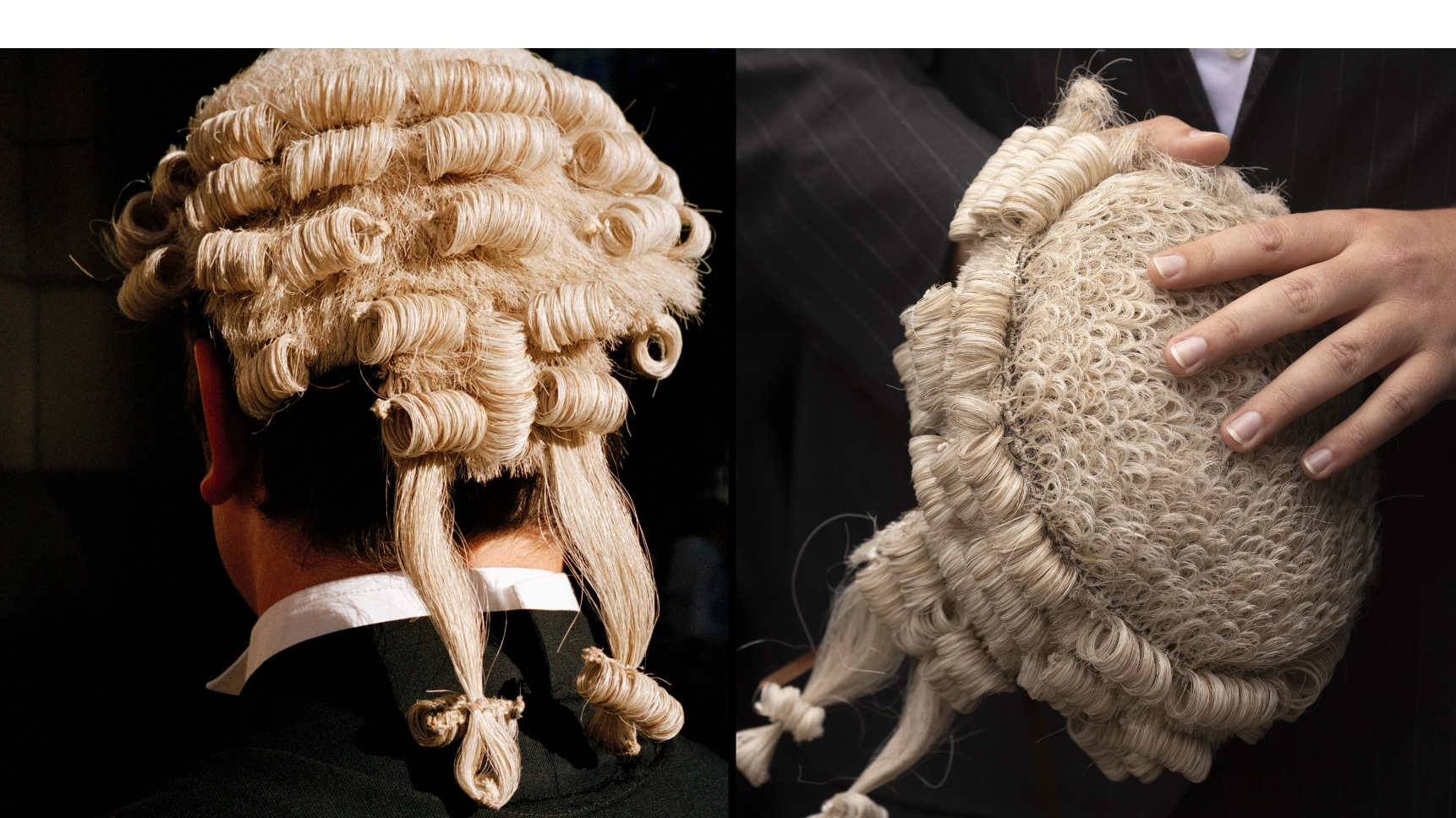
A British lawyer has explained why barristers wear their recognisable white wigs in UK courts.

Up there with black cabs and red telephone boxes, the white wigs worn in courtrooms are a staple of British culture.

We've seen them in films and TV shows, and most Brits have come to accept that they're just a normal part of court proceedings.

Domhnall Gleeson wore a wig in About Time.
Universal Pictures

Advert

But in reality, the wigs don't really seem to serve any purpose. They hardly cover any real hair the barrister might have, and they don't exactly look very cool. (Sorry, barristers, but surely you're aware?)

Wigs are requirement for criminal trials in the UK and many law practitioners take pride in wearing them, though it's worth noting that they're no longer required in civil or family law courts, or in the UK Supreme Court.

So, why are they still a thing?

Well, one female barrister took to Reddit to answer this question, offering both a long and short explanation for the iconic wigs.

"The short answer is that it's still worn because it's traditional to do so and most jurists whinge about it, but there was a proposal in 2007 to simplify court dress and no one wanted it," she said.

In the 'long answer', the barrister gave three other reasons for the wigs, which were introduced in the 17th century.

"It's both traditional and a way to equalise the court room, and afford us a certain amount of anonymity," she said.

"It's not about who wears the best suits or has the coolest haircut, it's about facts and justice."
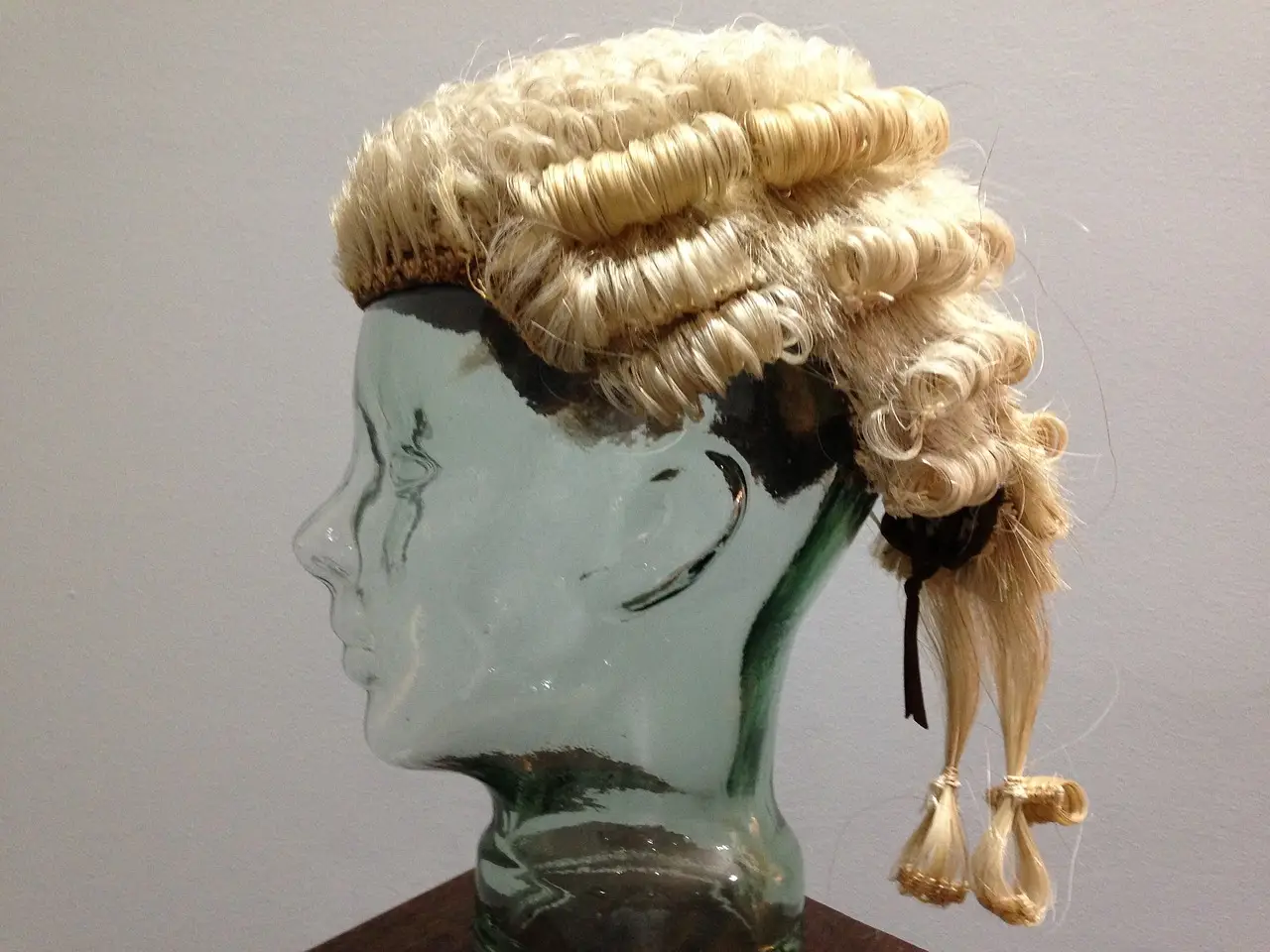
Wigs were introduced in the 17th century.
michael18/Pixabay

Discussing what it's like to wear the wig, she continued: "The wig itself isn't heavy and you just put it on. I'm a woman with long hair so I'll often wear a hair net underneath but it's not really necessary.

"Ideally you store it in its box, mine is air tight which helps it stay nice, but some just carry it in their bags with them. Not a lot of maintenance required, I have mine cleaned every 2 years and that's it."

According to The University of Law, the wigs stemmed from the fact they were a popular accessory during the reign of King Charles II (1660-1685), especially among the upper classes and aristocracy of the time.

Wigs were seen of a symbol of authority, leading lawyers to wear them in the courtroom to show their power and status.

Though wearing wigs in day-to-day life became less popular over time, the tradition to wear wigs within the legal profession remained, and eventually became a formal requirement.

Featured Image Credit: Tobias Titz via Getty Bloomberg Creative via Getty

Topics: UK News

Emily Brown
Emily Brown

Emily Brown is the Community Desk Lead at LADbible Group. Emily first began delivering news when she was just 11 years old - with a paper route. She went on to graduate with a BA Hons in English Language in the Media from Lancaster University before contributing to The Sunday Times Travel Magazine and Student Problems. She joined UNILAD in 2018 to cover breaking news, trending stories and longer form features, and now works as Community Desk Lead to commission and write human interest stories from across the globe.

Recommended reads

Omega-3 Fish Oil 'silver bullet' benefit debunked in Alzheimer's blow - and what really lowers riskKirk McKoy/Los Angeles Times via Getty ImagesInfluencer mother speaks out after scamming loved ones out of £15,000 by faking cancerCOURT TVSeven passport mistakes to check you’re not making before your holiday this summerDominika Zarzycka/SOPA Images/LightRocket via Getty ImagesBlake Lively's staggering final legal bill revealed in court battle with Justin BaldoniCindy Ord/Getty Images

Advert

Choose your content:

3 hours ago
4 hours ago
7 hours ago
21 hours ago
  • TikTok/miss blinco1990
    3 hours ago

    Woman with ADHD explains why drinking alcohol with disorder is different

    Chantelle Blinco revealed on TikTok that there is no 'in-between' for this neurotype

    Lifestyle
  • Getty Images
    4 hours ago

    Doctor explains people who never get dementia make the same decision within 30 minutes of waking up

    He doesn't factor in the many people who aren't blessed with great and consistent weather, though...

    Lifestyle
  • YouTube/ABC2
    7 hours ago

    Rabies warning issued after girl is bit by bat - what to do if you're infected

    Cece Kale was outside her home when she was attacked by a rabid bat

    Lifestyle
  • (Getty Stock Images)
    21 hours ago

    Doctor explains the terrifying impact 'Godzilla of weight loss drugs' can have on the body

    Clinical trials for Retatrutide, considered the final boss of injectable weight loss medication, are ongoing

    Lifestyle
  • Andy Burnham's wife appeared on 'Blind Date' while they were together
  • Parents of UK’s biggest family in court over £52,000 Disney holiday explained if they would ever have more kids
  • All ways Britain’s biggest family afford 22 children as they are in court over £52,000 Disney trip
  • Chris Whitty explains five differences between heatstroke and heat exhaustion as heatwave hits UK