ladbible homepage
ladbible homepage
  • iconNews
  • videos
  • entertainment
  • Home
  • News
    • UK
    • US
    • World
    • Ireland
    • Australia
    • Science
    • Crime
    • Weather
  • Entertainment
    • Celebrity
    • TV
    • Film
    • Music
    • Gaming
    • Netflix
    • Disney
  • Sport
  • Technology
  • Travel
  • Lifestyle
  • Money
  • Originals
    • FFS PRODUCTIONS
    • Say Maaate to a Mate
    • Daily Ladness
    • UOKM8?
    • FreeToBe
    • Citizen Reef
  • Advertise
  • Terms
  • Privacy & Cookies
  • License Our Content
  • About Us & Contact
  • Jobs
  • Latest
  • Archive
  • Topics A-Z
  • Authors
Facebook
Instagram
X
Threads
Snapchat
TikTok
YouTube
Submit Your Content Here
  • SPORTbible
  • Tyla
  • GAMINGbible
  • LADbible Group
  • UNILAD
  • FOODbible
  • UNILAD Tech
Humans likely responsible for extinction of world’s only cold-blooded mammal

Home> News> Animals

Published 21:01 1 Feb 2024 GMT

Humans likely responsible for extinction of world’s only cold-blooded mammal

Humanity remains undefeated, except by itself and possibly emus

Joe Harker

Joe Harker

google discoverFollow us on Google Discover

There are no cold-blooded mammal species left alive in the world, and apparently that's our fault.

In essence, you can split every animal in the world down to either an endotherm or an ectotherm.

Warm-blooded creatures such as mammals and birds are endotherms, which mean we're able to maintain our own body temperature without an external heat source.

Of course, if you lived on a planet without a heat source like our sun, then you'd freeze to death, but in general mammals and birds are warm-blooded and can maintain their own heat.

Advert

The other group consists of creatures such as reptiles, amphibians, insects arachnids and fish and they're ectotherms, which means they need another source of heat to keep warm.
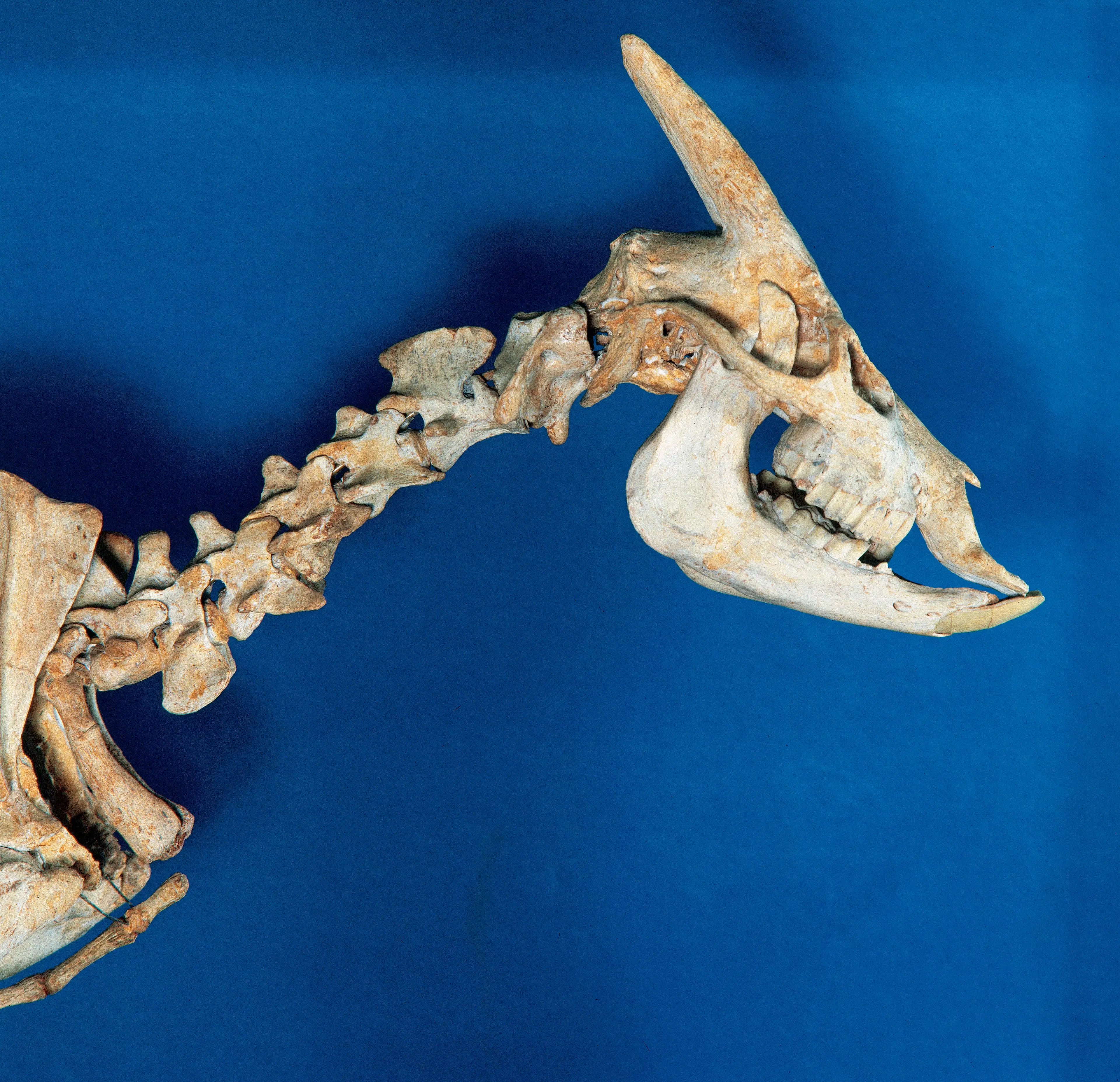
They never really stood a chance with humans around.
PHAS/Universal Images Group via Getty Images

It wasn't always like this though, as according to a study from Romain David and his team, mammals shifted from being cold-blooded to warm-blooded over time.

However, there was one holdout which lasted for a very long time until it came into contact with nature's perfect killing machine - humans.

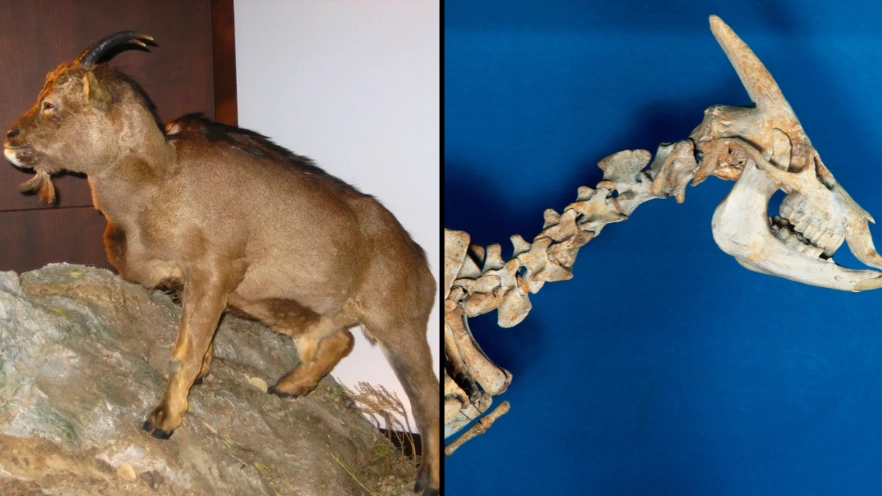
This species was a type of cold-blooded goat called Myotragus balearicus which used to live on the Spanish island of Mallorca before either of those names existed.

Remains of these animals found that they were about 45cm tall, with very stubby legs and a bone structure more akin to reptiles.

Living on an island with very little in the way of threat for this cold-hearted goat meant they became complacent and didn't have to spend their time fighting for food or learning to survive.

Making their home in one isolated location with pretty much no natural predators is pretty much a recipe for disaster when humans show up, because we will invade and kill wherever we can.
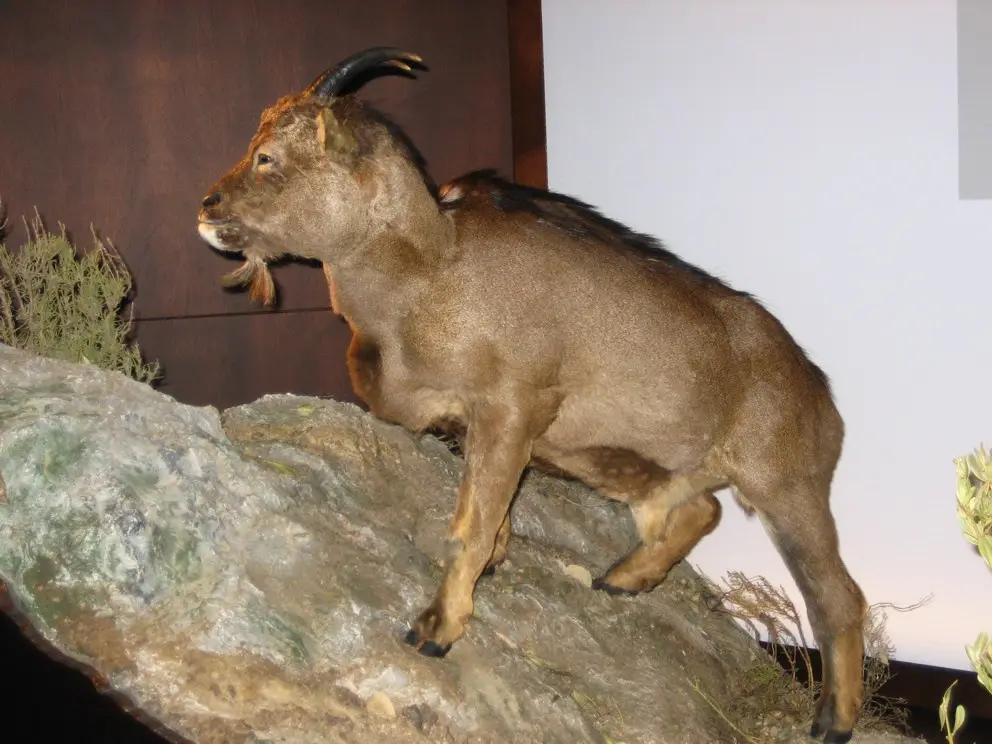
These little goats were utterly unprepared for the arrival of humans, sorry guys.
Wikimedia Commons

The species has nowhere to go and lacks the means and instincts for avoiding us, so people pretty much hunt the poor animals to extinction.

When humans first arrived in the Balearic Islands in around the third millennium BC it was pretty much game over for Myotragus balearicus.

Experts have debated whether it was environmental factors or good old human beings who were responsible, but the dominant theory is that we're responsible for the extinction of the last cold-blooded mammal species in the world.

It is believed that this species of cold-blooded goat which had lived for millennia didn't survive another 100 years after they came into contact with us.

Humanity remains undefeated, except of course by itself and emus but you've got to admit those birds are damn tough.

Featured Image Credit: Wikimedia Commons/PHAS/Universal Images Group via Getty Images

Topics: Animals, Science

Joe Harker
Joe Harker

Joe graduated from the University of Salford with a degree in Journalism and worked for Reach before joining the LADbible Group. When not writing he enjoys the nerdier things in life like painting wargaming miniatures and chatting with other nerds on the internet. He's also spent a few years coaching fencing. Contact him via [email protected]

X

@MrJoeHarker

Recommended reads

Easter weekend driving ban and £10,000 fine can be avoided through 20p hackSusan L. Angstadt/MediaNews Group/Reading Eagle via Getty ImagesCourtney Love issues message to Dave Grohl following years long feudStuart C. Wilson/Getty ImagesHow ‘Gen Z’ voice has changed how we’re all talking without people noticingGetty Stock Photo13-year-old girl who went missing without a trace found alive 32 years laterGila County Sheriff's Office

Advert

Choose your content:

5 hours ago
7 hours ago
8 hours ago
9 hours ago
  • Susan L. Angstadt/MediaNews Group/Reading Eagle via Getty Images
    5 hours ago

    Easter weekend driving ban and £10,000 fine can be avoided through 20p hack

    If it affects all your tyres you can get a driving ban even if you had a clean licence

    News
  • Gila County Sheriff's Office
    7 hours ago

    13-year-old girl who went missing without a trace found alive 32 years later

    Christina Maria Plante had last been seen in 1994

    News
  • Joe Raedle/Getty Images
    8 hours ago

    Astrophysicist explains biggest danger Artemis II crew will face after successful launch

    There's always risk with space travel, but everything possible has been done to counter it

    News
  • Aubrey Gemignani/NASA/Getty Images
    9 hours ago

    Artemis II astronauts already have two complaints hours after launch

    The astronauts set off on their 10-day mission last night

    News
  • Truth behind return of dire wolf as company claims it's brought animal back from extinction after 10,000 years
  • Scientist who is planning to bring Tasmanian Tiger back from extinction explains how it will be done
  • Scientist explains the very creepy reason humans started keeping cats for the first time
  • Urgent warning as world’s most dangerous jellyfish-like creature dubbed 'floating terrors' spotted on UK beach