Lawyer breaks down whether the police can make you unlock your phone

A lawyer has explained whether or not the police can make you unlock your phone by demanding your password.
TikTok's Street Lawyer (@tiktokstreetlaywer) has already got quite the reputation for giving legal tips to help followers avoid sticky situations in the English legal system.
Posted on 5 May, the clip about mobile phone privacy has had an impressive 31.1K views.
Advert

In the video, he begins by asking: "Can the police make me unlock my phone by demanding I give them my phone's password?"
First up comes the short answer: "The police cannot physically compel you to unlock your phone," he assures his followers.
But here comes the legal loophole.

While they can't physically make you unlock your phone, 'they can serve what is known as an s.49 RIPA notice - which potentially has very serious legal complications for failing to comply with the notice - including prison'.
He goes on to explain the two options you have if you don't want to comply and give officers your pin code or password when asked before, during or after a police interview - giving them access to what's arguably people's most private possession.
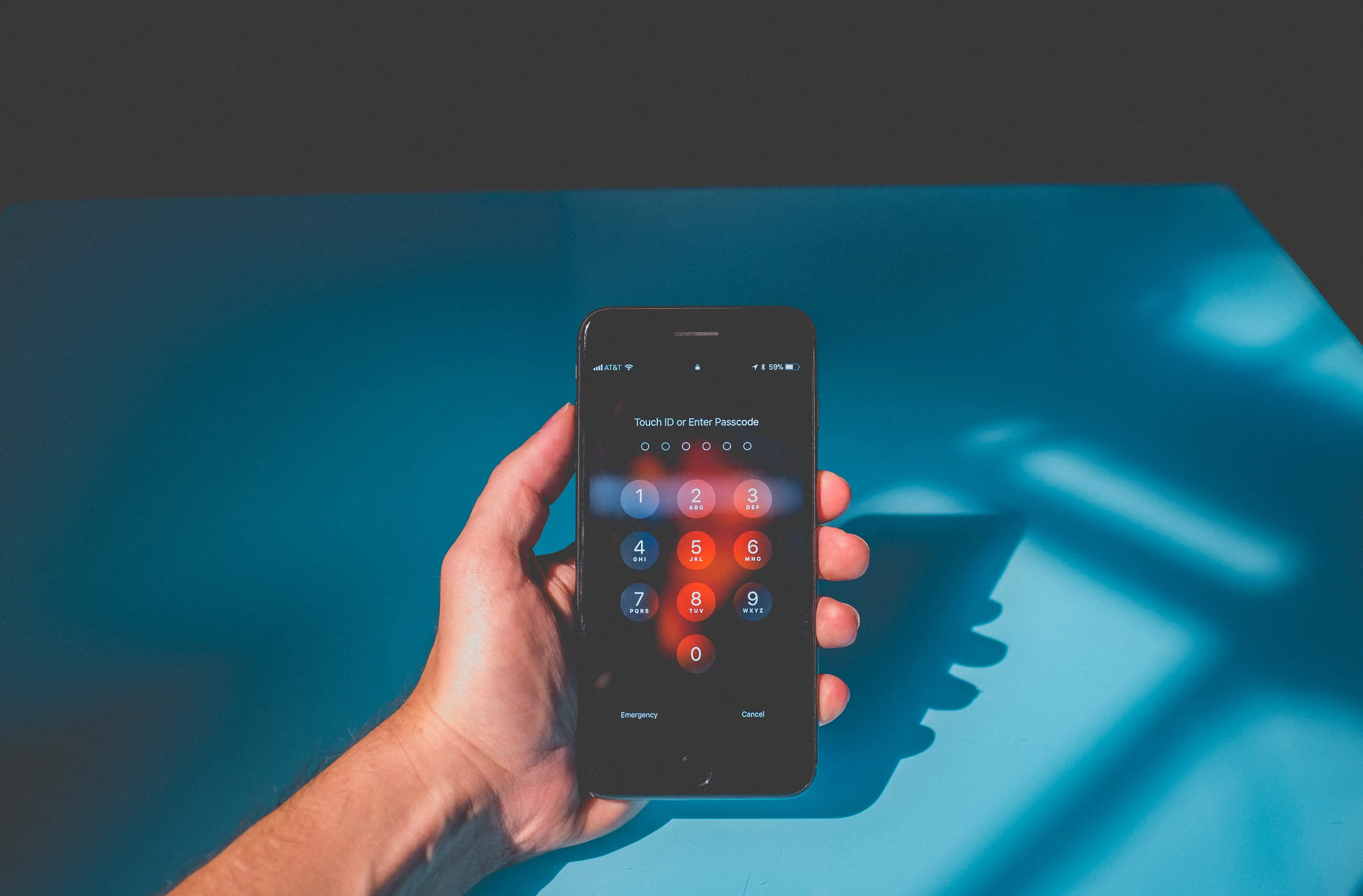
Option one is to 'cooperate and give your password and pin codes to the officer'.
Option two: "You can refuse."
He explains that 'there are pros and cons' to each.
The cons of cooperating include revealing potentially 'incriminating messages' which may add to the police case against you.
Or you may simply want to 'protect your privacy'.
The pros of giving them what they've asked for include the fact that whether you comply or not, they'd be able to 'gain access by sending it to an expert' anyway - so there's no point in saying 'no'.
You might also think you can 'eliminate yourself from the investigation if you cooperate'.
It could mean you'll have your phone 'returned to you sooner', or help 'show cooperation' in a trial if you're defending yourself or at sentencing at a later date if you're convicted.
If you refuse you'll have to confirm by 'signing a police pocket notebook' or simply to 'confirm your refusal' in a police interview under caution.

So what is the s.49 RIPA notice? Put simply by Street Lawyer, it's 'when the court provides the police the power to demand a password or pin code from you'.
Once the notice is served it becomes 'illegal and a crime' to refuse to disclose the password and pin codes to the police.
If you refuse at that point? "You could be charged under the Regulation of Investigatory Powers Act (RIPA) 2000," he explains.
Being found guilty carries up to two years imprisonment or up to five years if the case involves 'issues of national security or child indecency.'
He warns: "The threat of a custodial sentence is a real one."
There are limited defences to a s.49 RIPA Notice, 'including not knowing the phone's password or pin codes'.
This is known as 'the Manual defence' but has to be 'genuine and stand the test of Police scrutiny - or even a trial if the case gets that far'.
He clarifies in the comment section below that they'll 'attribute the phone to you' and check 'any phone use at the time'.
His final nugget of advice: "Speak to a specialist lawyer for the case you're involved in."
One cynical comment read: "Meh...to make it short - they'll blackmail you into giving them the passwords by threatening to seize it. You only have one option really."
Street Lawyer replied: "In serious cases, all roads lead to one option."
 Amelia Jones