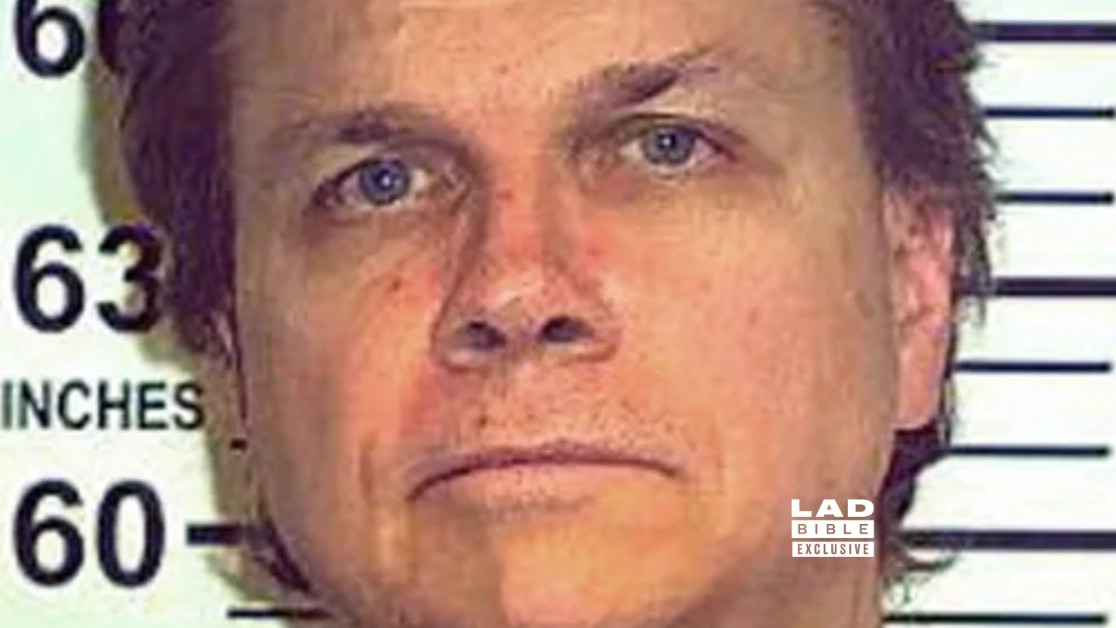
Psychologist reveals why John Lennon killer was denied parole after finally admitting reason he shot Beatles legend

A psychologist has given their take on why the man who killed John Lennon was denied parole.
Facing the board for the 14th time in late August, Mark David Chapman finally admitted why he shot the Beatles legend.
The musician was leaving his apartment building in New York City on the evening of 8 December 1980 when the gunman struck him four times from behind.
Chapman had previously said he believed Lennon to be a ‘phony’ but opened up at this re-attempt at getting parole to being ‘completely selfish’.
Advert
And while he ‘apologised’ to the star’s family and fans, the board ruled he lacked ‘genuine remorse or meaningful empathy’. Psychologist Dannielle Haig tells LADbible that Chapman’s comments are clearly missing ‘affective empathy’ while he still demonstrates ‘cognitive empathy’.
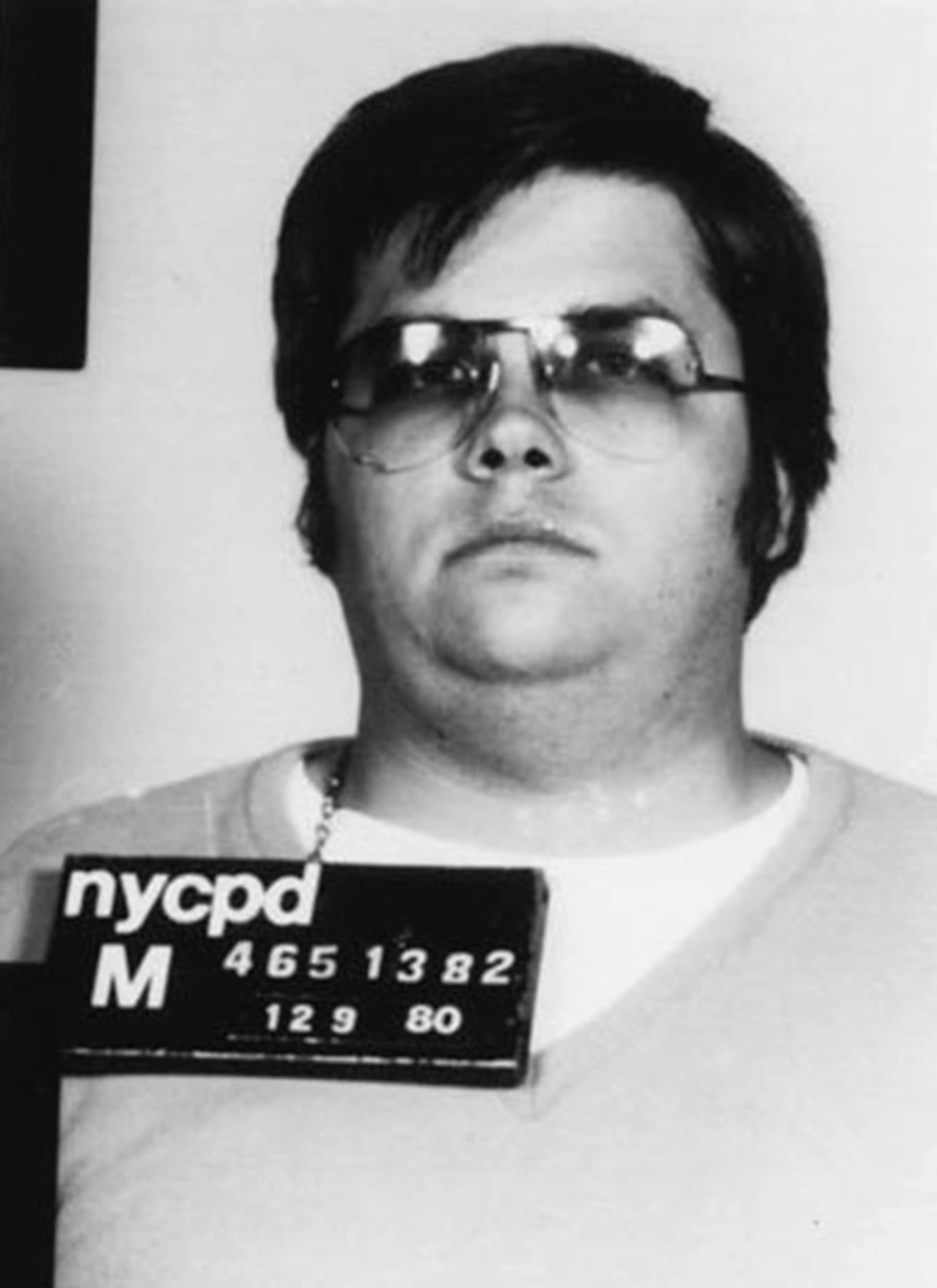
As per the New York Post, Chapman told the parole board: “This was for me and me alone, unfortunately, and it had everything to do with his popularity.
“My crime was completely selfish.” He said he wanted to murder Lennon ‘to be famous’.
“And then I just realised, hey, there is a goal here. I don’t have to die and I can be a somebody. I had sunk that low,” he continued.
“That morning of the 8th, I just knew. I don’t know how I knew but I just knew that was going to be the day that I was going to meet and kill him.”
Acknowledging Lennon as a ‘human being’, Chapman added: “Here I am living so much longer, and not just family but his friends and the fans, I apologise for the devastation that I caused you, the agony that they must have gone through. I had no thought about that at all at the time of the crime; I didn’t care.
“I don’t have any interest at all in being famous. Put me under the rug somewhere. I don’t want to be famous anymore, period.”
Breaking down these comments made by Chapman, Haig says: “What’s missing from his remarks is affective empathy, which is deep, emotional resonance with another person’s pain. He can demonstrate cognitive empathy (he can describe emotions), but doesn’t have the capacity to feel them.
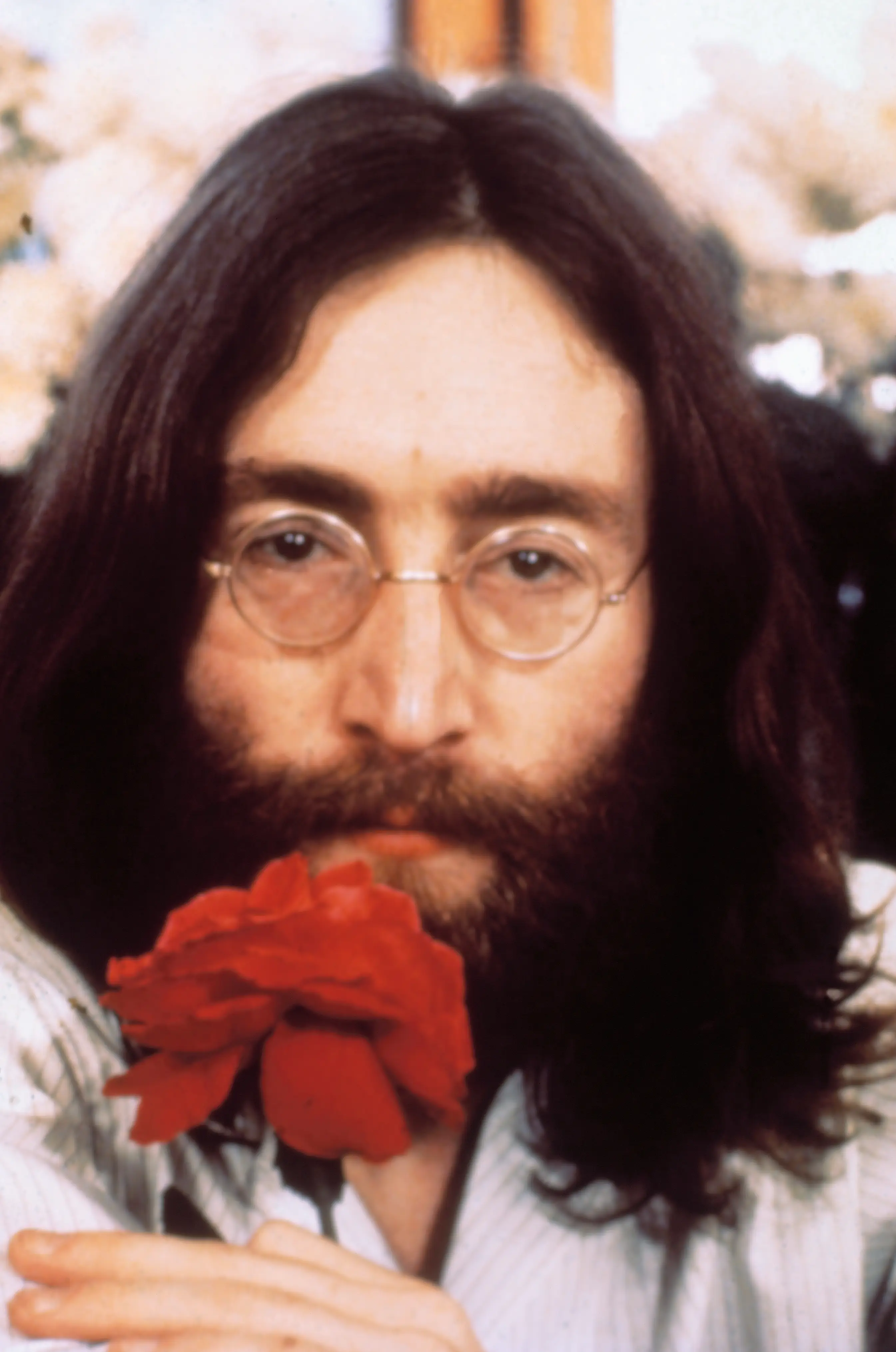
"This kind of emotional detachment can sometimes signal psychopathic traits, where empathy is understood intellectually but not experienced.”
At a previous parole hearing, Chapman said he had demonstrated a 'true sociopathic mind', but he isn't formally described as a 'psychopath'.
The psychologist adds that psychopathy isn’t ‘always about overt violence’ and can manifest in ‘emotional flatness’ such as there being a lack of ‘genuine remorse or moral emotion’ like guilt or shame.
“The parole board will have sensed that disconnect,” Haig explains. “When remorse feels scripted or overly reasoned, it suggests moral disengagement, not transformation.
"True rehabilitation involves emotional integration which is the capacity to tolerate guilt, remorse, and grief without retreating into self-justification. Chapman’s words may sound reflective, but they lack that essential humanity.”
The killer will now not be able to apply for parole again until 2027.
Topics: Crime
 Jess Battison