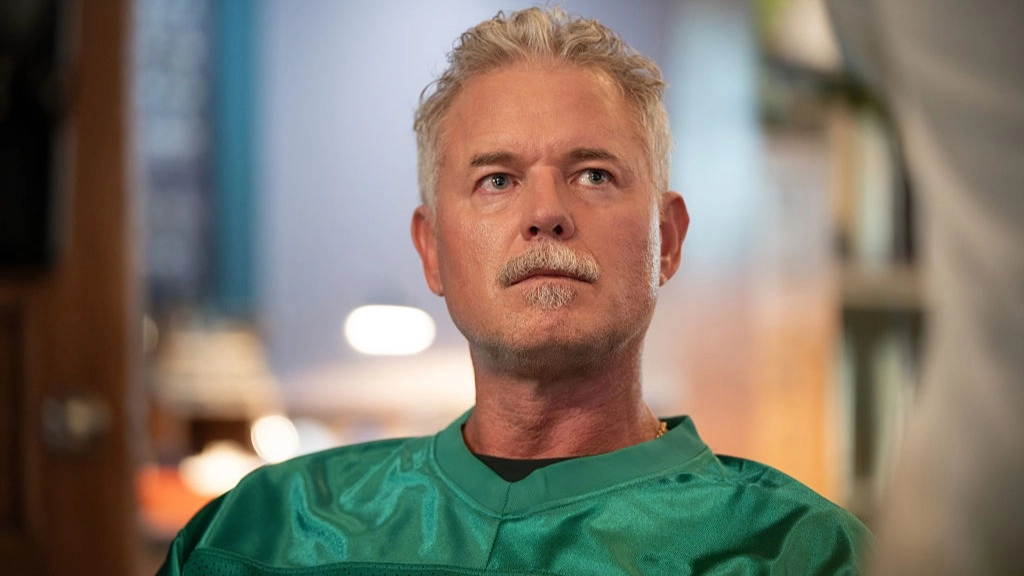
Two lifestyle habits found to lower risk of ALS disease that killed Eric Dane

Scientists still can't agree on what exactly causes amyotrophic lateral sclerosis (ALS), the disease which killed Euphoria actor Eric Dane, but two lifestyle changes could reduce your chance of developing the disease.
Dane died at the age of 53 earlier this month after a year-long battle with ALS, a neurodegenerative condition which causes progressive muscle weakness.
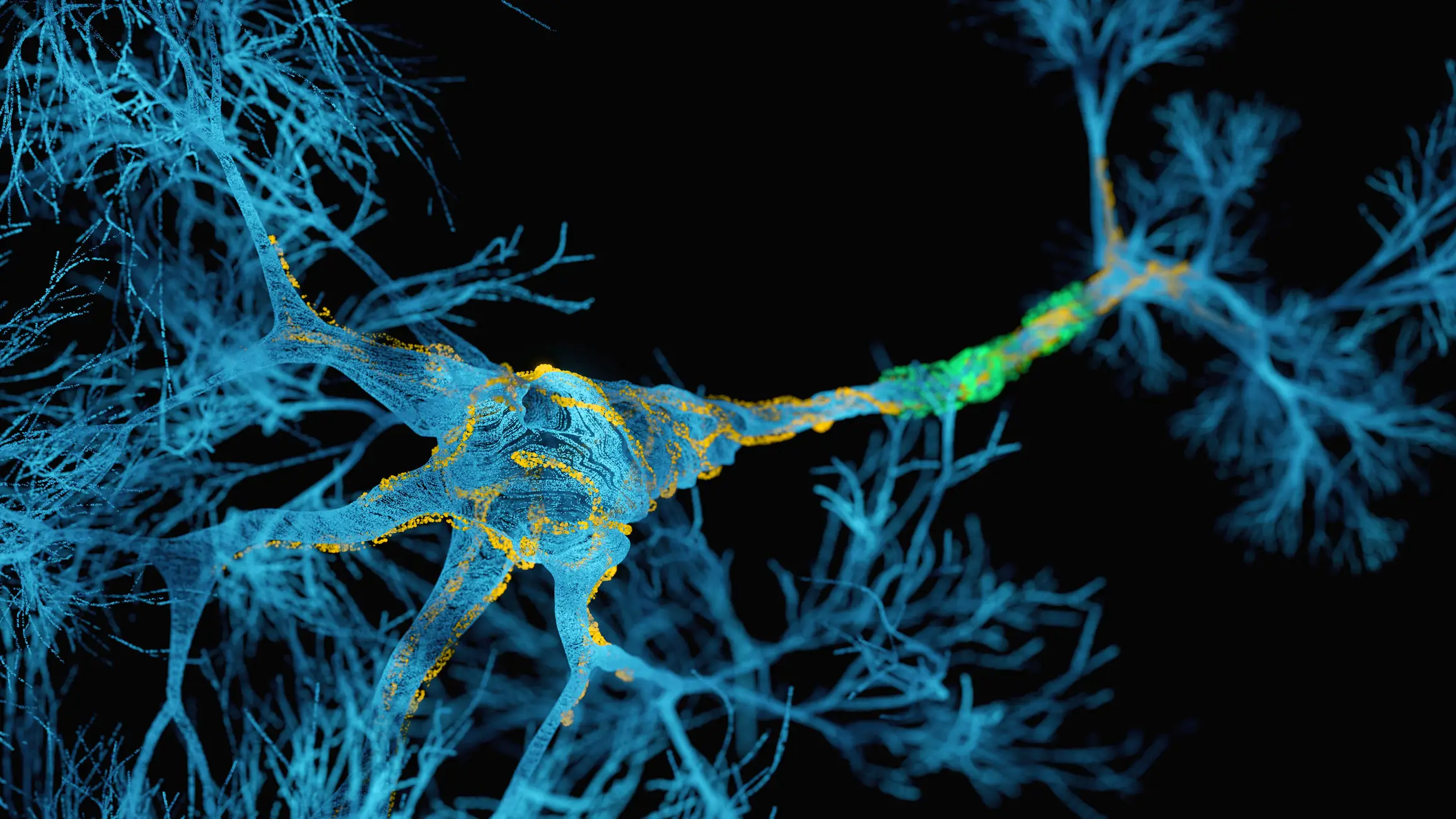
Commonly referred to as Lou Gehrig’s disease in the US, ALS is the most common type of motor neurone disease (MND). Motor neurones are nerve cells in the brain and spinal cord which allow us to perform simple tasks such as speaking, moving and swallowing.
As MND progresses breathing becomes more difficult, with the main cause of death for patients with ALS being respiratory failure.
Advert
MND affects 5,000 people in the UK at any one time, and there is a one in 300 chance of developing it during your lifetime.
There is no cure for ALS, which impacts the nerve cells in the brain and spinal cord, with the average life expectancy being two to five years after diagnosis.
A third of people die within a year of their diagnosis, and more than half die within two years.
How do you get ALS?

For around 10 to 15 percent of people with ALS, the disease runs in the family, but for others the cause is less clear.
Scientists believe it is a combination of genetic and lifestyle factors. Around 40 genes have been identified that researchers think could cause or increase the likelihood of ALS.
Research on the causes and treatment of ALS is ongoing, with a preliminary study shared at the American Academy of Neurology's 78th Annual Meeting last April suggesting that physical activity and the time in which you wake up in the morning may reduce your likelihood of developing the disease.
The study tracked 500,000 people and compared early and late risers, finding that participants who were productive earlier in the day had a 20 percent lower risk of developing ALS.
Having an active lifestyle also gave participants a 26 percent lower risk of developing ALS.
"Our study found a sleep schedule that better matches daylight hours and more physical activity were related to a lower risk of ALS," Dr Hongfu Li of Zhejiang University, the study's lead author, said in a statement.
Researchers did note that a causative link between physical inactivity and rising late was not established, with the results being an association between the two. However, it's fair to say that 'get moving and have a good night's kip' is advice we can all take on board.
Contact sports have also been linked to MND, with rugby league star Rob Burrow dying from the disease in 2024, and former England rugby captain Lewis Moody diagnosed with it last year.
A 2022 study from the University of Glasgow found rugby players were 15 times more likely to develop MND.

Other scientists have linked ALS to 'toxic environmental exposures'.
Researchers at the University of Michigan found that exposure to organochlorine pesticides, brominated flame retardants, and polychlorinated biphenyls increased the risk of ALS.
Exposure to several of these pollutants, many of which are now banned, over the course of a lifetime could mean you're seven times more likely to develop ALS.
Meanwhile, our understanding of the condition is likely to develop over the coming years, as scientists at a US hospital discovered that several ultra-rare genetic variants overlap between ALS and hereditary spastic paraplegia (HSP) last year.
The research, conducted by St. Jude Children’s Research Hospital and the University of Miami Miller School of Medicine, found a shared genetic origin between HSP and non-hereditary ALS.
"This study furthers that cause by showing the overlapping contributions of canonically distinct genes, offering a clear path forward to more accurate diagnosis and care," Dr J. Paul Taylor, the vice president of St Jude's and study co-author, said.
Topics: Health
 Brenna Cooper