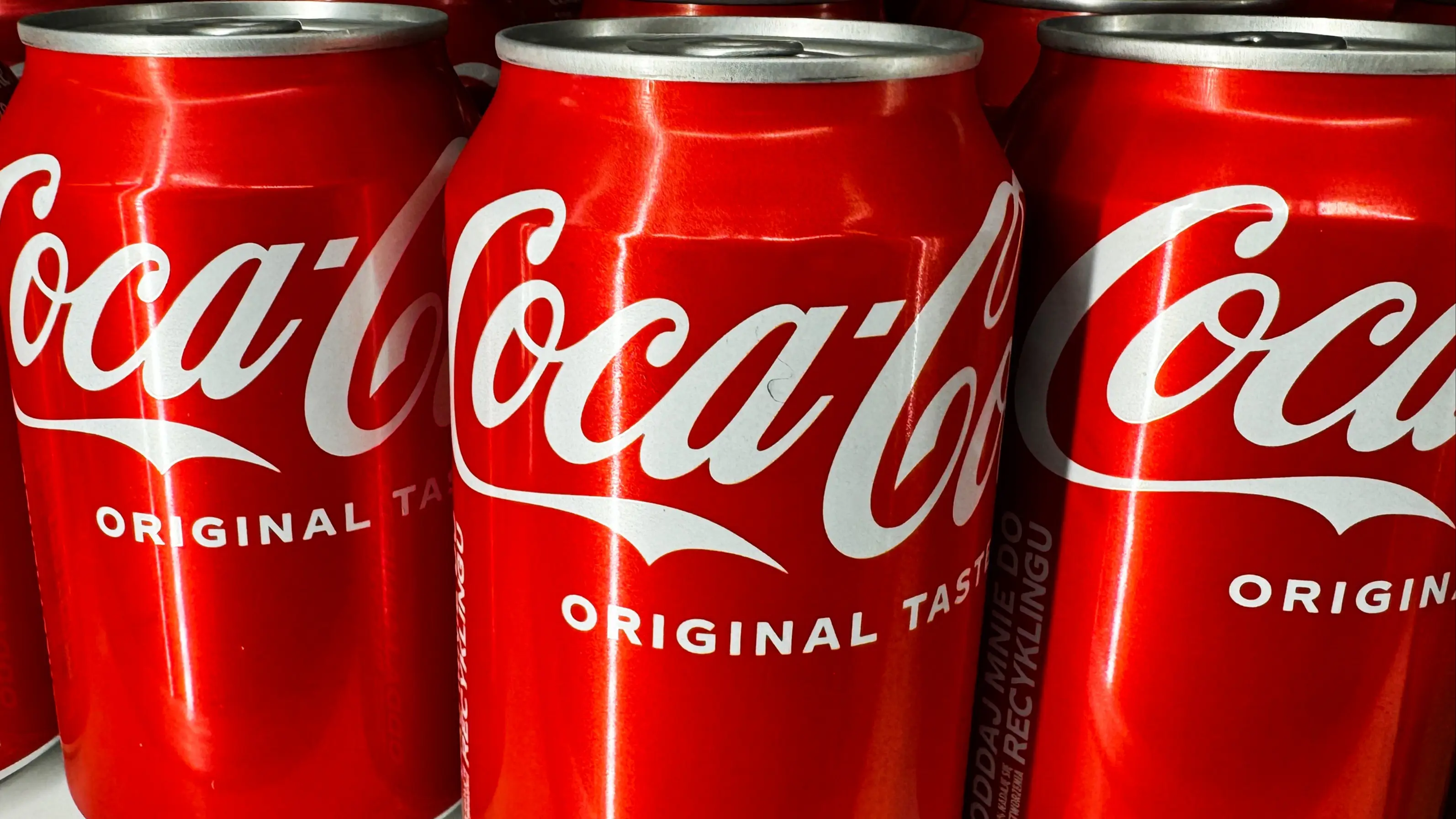
Everything that happens to your body when you drink a can of Coke

There’s nothing quite like drinking a cold can of Coke every once in a while, but if you do it daily, it could spell trouble for your health.
Coke has had come major transformations in the past when it concerns its ingredients list, but despite it no longer containing coca leaves, it still might not be a healthy choice to indulge in frequently.
Recently, Coca-Cola confirmed that it will release a new Coke drink product made with cane sugar instead of high-fructose corn syrup, as ‘part of its ongoing innovation agenda’.
However, it will be a separate product, not one to replace its existing recipe for Cola classic.
Advert
“This addition is designed to complement the company’s strong core portfolio and offer more choices across occasions and preferences,” Coca-Cola said in a statement.
CEO James Quincey said it ‘will be an enduring option for consumers’ who want more choices for how their drinks are sweetened.

What does science say?
However, with fructose continuing to be the main sweetener in Cola original, it could put consumers at risk if they drink too much of the beverage.
According to a new study, the ingredients in the favourite drink could do things like raise your risk of fatty liver disease by 50 per cent, increase your risk of heart disease, and also Type 2 diabetes.
Of course, it’s not just down to Coke’s sugar content, you need to take into account your genetics and other lifestyle factors.
For those who could be susceptible to those diseases, it might just make things worse.
Last month, a study analysed 123,000 people in the UK to find out what would happen to their health if they consumed one sugary beverage like Coke on a daily basis.
It found that just one can per day is enough to raise your risk of fatty liver disease by 50 per cent.
Another study, published in the journal Nature Medicine, linked sugary drinks to millions of new cases of type 2 diabetes and heart disease globally.
But drinks makers say this data doesn’t prove the drink caused the increase in risk.
“As the authors themselves admit, this study is observational and cannot prove cause. All soft drinks are safe to consume as part of a healthy and balanced diet. As of September 2025, soft drinks’ share of total take-home sugar in the overall food and drink category in Great Britain is just 6 per cent,” revealed a British Soft Drinks Association spokesman, as per the Telegraph.
However, if people are using Cola like water and downing it daily, it can soon become an issue.

What’s in Cola and what does it do to your body?
In the UK, Coca-Cola classic is a little different from the United States, as Brits don’t add salt to the recipe.
However, each can contain 35 grams of sugar, which is five grams above the NHS daily recommendation for sugar.
According to specialist registered dietitian Nichola Ludlam-Raine, this sugar can cause your teeth to decay over time.
Then, with 33 micrograms of caffeine, Cola can become addictive to those who rely on the effects of the chemical.
However, the company says the amount of caffeine is 'much less caffeine than the same amount of coffee' and their beverage contains safe levels.
It also contains Phosphoric acid which masks the effects of sugar, caramel colouring, and more.
Once you tip your head back and sip at your drink, you’ll notice the effects after ten minutes, when the sugars hit your bloodstream.
Then, after 20 minutes of drinking it, you blood sugar will spike and surge insulin production.
If the Cola contains fructose, this will be sent straight to your liver where it turns to fat.

After 45 minutes, you’ll have absorbed the caffeine, and might feel a bit calmer, and happy as the compound gets to work in your brain.
Then, as an hour passes, the dreaded sugar crash kicks in, along with a sluggish, sleepiness and irritable mood.
Of course, Coca-Cola has drinks that are either zero sugar, and zero caffeine, but make sure you’re reading the ingredients list as no sugar doesn’t mean no sweeteners- which have been linked to health issues too.
As for now, the company says its working to reduce the sugar content in its drinks, writing on its website: "People have been enjoying Coca‑Cola for 130 years. They love the unique taste. But, we know people have concerns about eating or drinking too much sugar. That is why we’re taking action should you want less sugar. This includes reducing sugar in more than 500 of our drinks around the world."
LADbible reached out to Coca-Cola for comment.
Topics: Food And Drink, Health, Science
 Britt Jones