Aussie writer issues blistering takedown on pundit who complained about white men being silenced

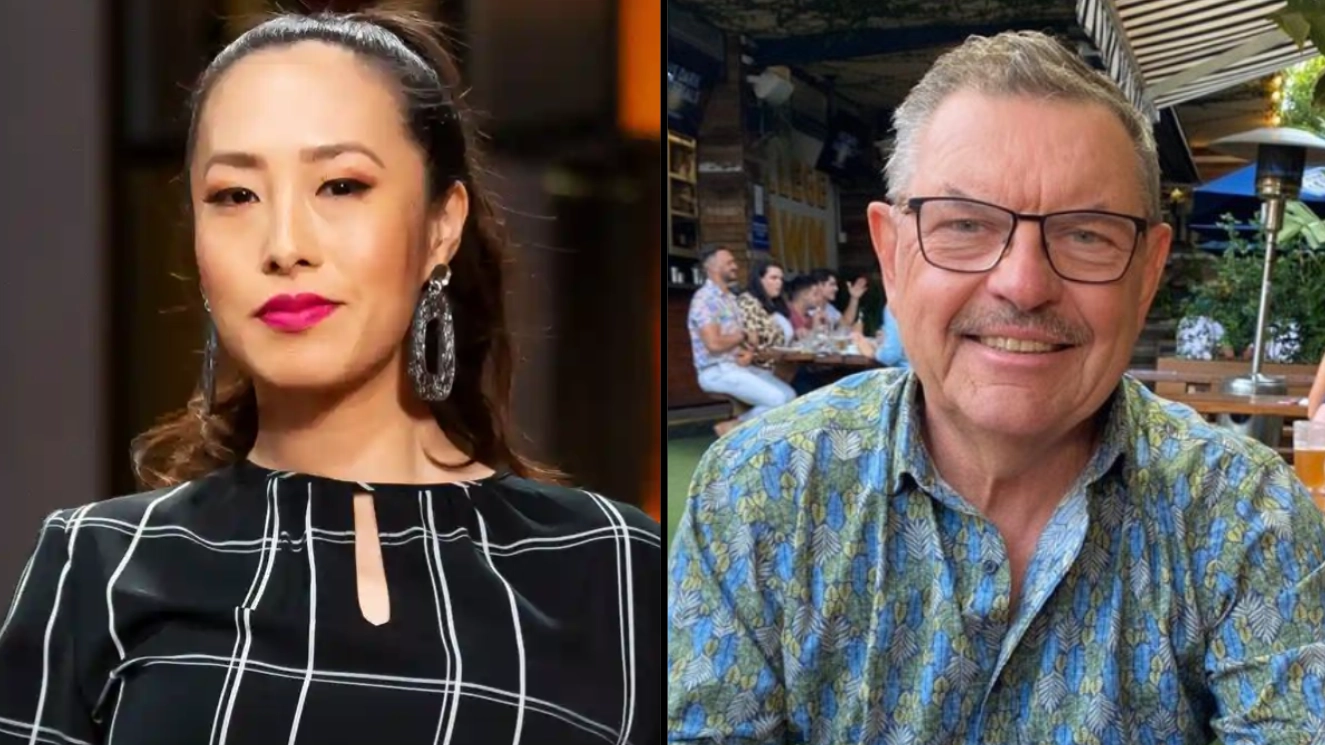
Masterchef judge and food writer Melissa Leong has dragged opinion columnist Steve Price for complaining about how ‘old white men’ are being silenced.
Leong ripped into the radio broadcaster after writing a seriously tone-deaf piece for the Herald Sun that commentated on cancel culture and political correctness.
In his piece, Price groans and moans about being a white male in the current society, which sounds eerily similar to an uncle you try to avoid at Christmas dinners.
Price writes: “I’m sick and tired of feeling I need to be ashamed of being an older, white Anglo-Saxon male. Feeling that I have no place in the debate about what we remember, celebrate, talk and write about because I’m white and old.”
And with that, introducing the world’s smallest violin.
Advert
The Project co-host also went on to say how ‘tired’ he is of seeing ‘ non-binary bathrooms in pubs’, the debate around moving Australia Day, and TV commercials with only ‘coloured or Asian people’.
While Pricey might be exacerbated by seeing minorities on screen, we’re not sure where his numbers are coming from.
Especially considering a 2020 report by Media Diversity Australia (MDA) and four major universities confirmed that 75 per cent of presenters, commentators and reporters have an Anglo-Celtic background.
But thankfully, Leong was having none of it.
The Masterchef judge took to her Instagram story, writing: “Old male writer spends an entire page in the paper, talking about how he no longer has a voice.
“Please excuse me while I go and light a candle.”
Mwwah! That response is just chef's kiss.
However, the food writer wasn’t done yet, as Leong also posted an image with text that read: “Inclusivity and diversity do not come at the detriment of others.
“Sharing the stage with voices who have long been hushed, deserves your honour, not your ire.”
In the caption, Leong also urged people to ‘advocate for the community outside of their own backyard’.
The Guardian reports that following Price’s opinion piece, The Australian Press Council confirmed that it had received multiple complaints.
A spokesperson said: “The APC’s policy is to not publicly disclose the numbers or names of complainants about specific articles, in order to preserve the confidentiality and integrity of the Council’s complaints process.
“Complaints received by the Press Council about material published by its publisher members are considered on a case by case basis to determine whether they comply with the Press Council’s Standards of Practice.”
 Charisa Bossinakis