ladbible homepage
ladbible homepage
  • iconNews
  • videos
  • entertainment
  • Home
  • News
    • UK
    • US
    • World
    • Ireland
    • Australia
    • Science
    • Crime
    • Weather
  • Entertainment
    • Celebrity
    • TV
    • Film
    • Music
    • Gaming
    • Netflix
    • Disney
  • Sport
  • Technology
  • Travel
  • Lifestyle
  • Money
  • Originals
    • FFS PRODUCTIONS
    • Say Maaate to a Mate
    • Daily Ladness
    • UOKM8?
    • FreeToBe
    • Citizen Reef
  • Advertise
  • Terms
  • Privacy & Cookies
  • License Our Content
  • About Us & Contact
  • Jobs
  • Latest
  • Archive
  • Topics A-Z
  • Authors
Facebook
Instagram
X
Threads
Snapchat
TikTok
YouTube
Submit Your Content Here
  • SPORTbible
  • Tyla
  • GAMINGbible
  • LADbible Group
  • UNILAD
  • FOODbible
  • UNILAD Tech
NASA's James Webb Telescope protocol in place as scientist issues worrying update on asteroid that could hit Earth in seven years

Home> News> Science

Updated 11:35 21 Feb 2025 GMTPublished 14:43 15 Feb 2025 GMT

NASA's James Webb Telescope protocol in place as scientist issues worrying update on asteroid that could hit Earth in seven years

The 2024 YR4 asteroid has a chance of it hitting Earth in 2032

Anish Vij

Anish Vij

google discoverFollow us on Google Discover

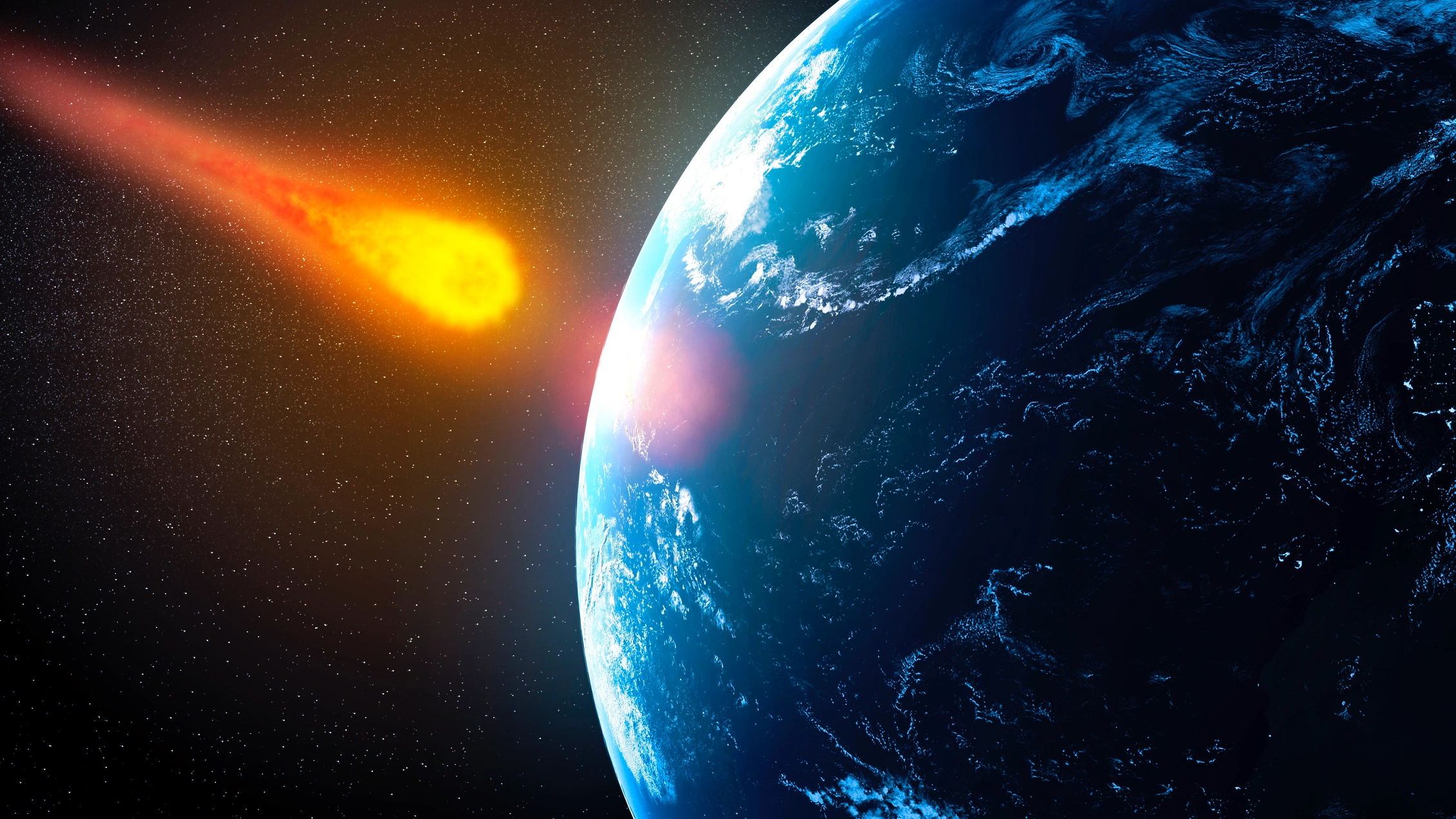
NASA's James Webb Telescope is set to take a look at the 'city-destroying' asteroid which could hit Earth in 2032.

The asteroid, known as '2024 YR4', was discovered by NASA’s Asteroid Terrestrial-impact Last Alert System (ATLAS) in Chile on 27 December, last year.

The chances of 2024 YR4 colliding with Earth

Current estimates have measured it between 40 and 90 meters (130-295 feet), with a 2.3 percent (one in 43) chance of colliding with Earth on 22 December 2032.

Advert

However, NASA has said that 2024 YR4 'has surpassed the one percent impact probability', previously mentioned by Paul Chodas, director of NASA's Centre for Near Earth Object Studies.

“We are not worried at all, because of this 99 percent chance it will miss,” he said. “But it deserves attention.”

Why NASA is using the James Webb Telescope
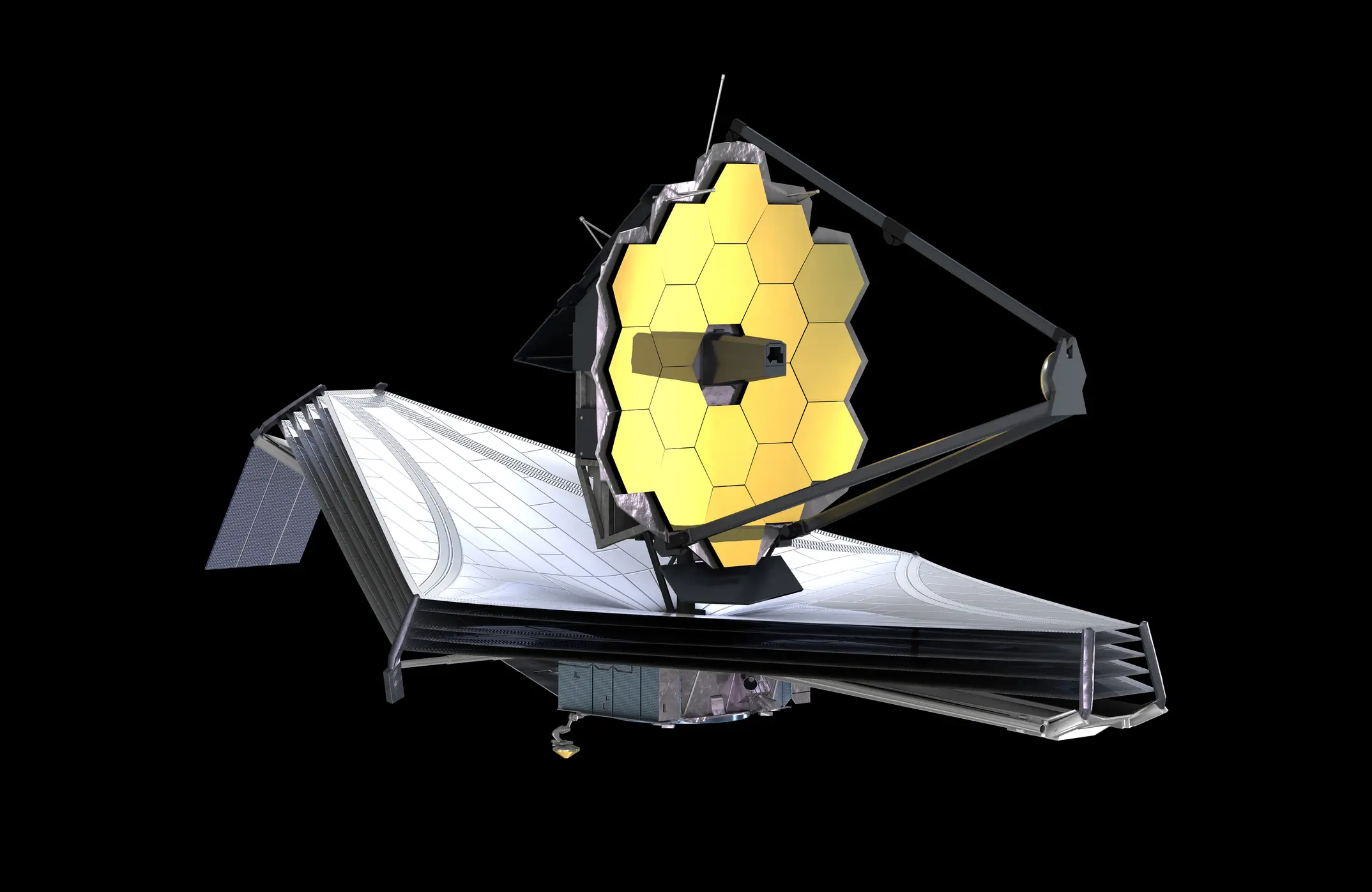
The James Webb Space Telescope (JWST) cost around $10 billion (Getty Stock Images)

But with this higher probability of collision, the James Webb Space Telescope (JWST) will be used to get a much more accurate estimate of the asteroid’s size.

The JWST is the scientific successor to the Hubble Space Telescope and its ultimate goal is to study the formation of galaxies and stars after the Big Bang.

"It is very important that we improve our size estimate for 2024 YR4: the hazard represented by a 40m asteroid is very different from that of a 90m asteroid," the European Space Agency explains.

"Webb is able to study the infrared light (heat) that 2024 YR4 emits, rather than the visible light it reflects. Infrared observations can offer a much better estimate of an asteroid’s size.

"This, in turn, will be used by ESA, NASA, and other organisations to more confidently assess the hazard and determine any necessary response."

What happens if 2024 YR4 collides with Earth?
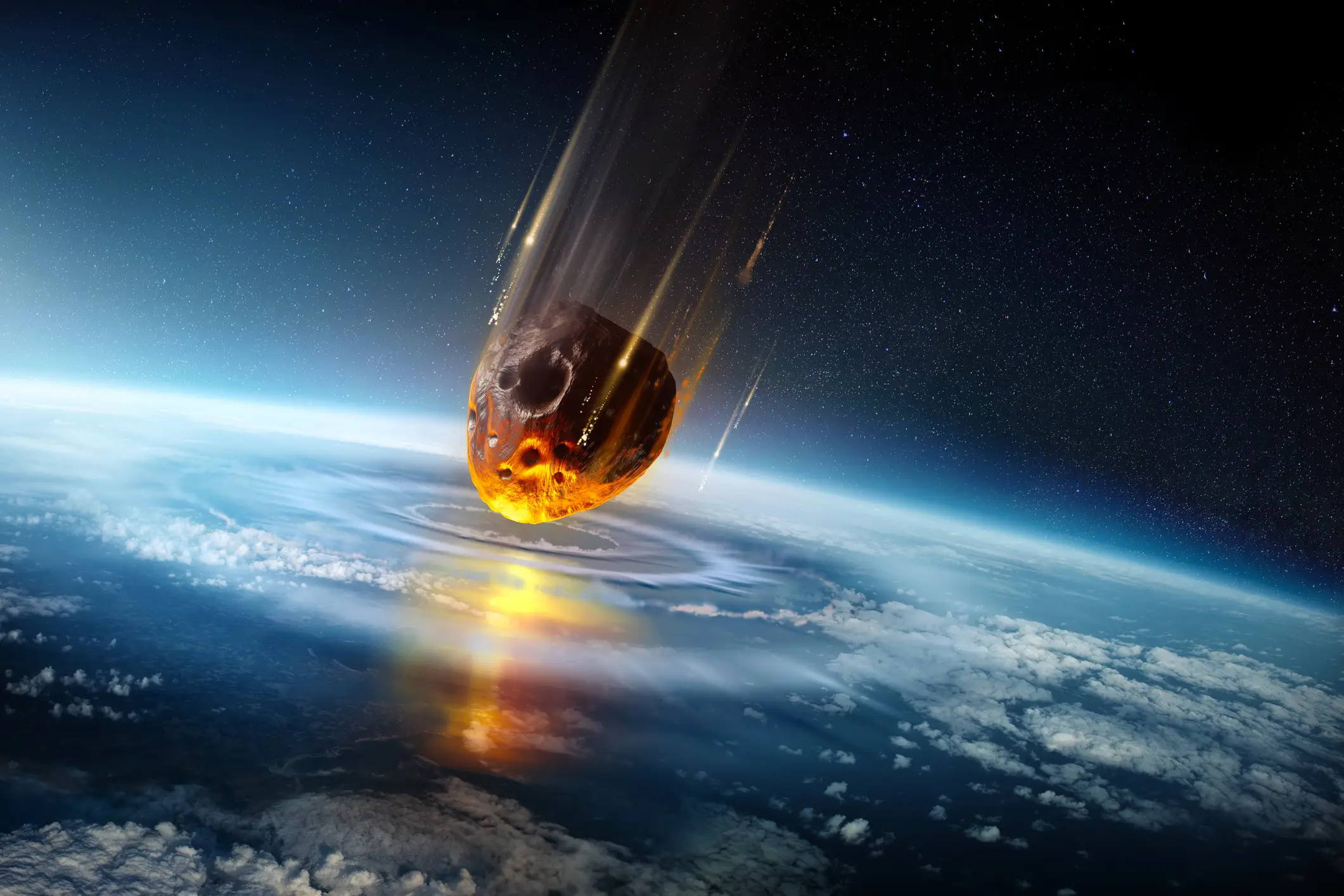
The 2024 YR4 asteroid has a chance of it hitting Earth in 2032 (Getty Stock Images)

Given that 2024 YR4 is capable of an explosion equivalent to eight-megatons of TNT - which is 500 times more powerful than the atomic bomb dropped on Hiroshima - it could wipe out an entire city.

As things stand, the asteroid's 'risk corridor', the most likely geographical area it could impact, is from South America across the Atlantic Ocean to sub-Saharan Africa.

What we could do to protect the planet in event of a strike?

NASA's Double Asteroid Redirection Test (DART) mission proved to be a success in 2022, as they intentionally managed to crash a spacecraft into an asteroid as method of deflection.

The mission was a first-of-its-kind, and the DART spacecraft collided with Dimorphos, shortening its orbit by 32 minutes.

But volcanologist Dr Robin George Andrews has warned on X: "You need 10 years or more to build, plan and execute an asteroid deflection mission

"We have less than eight years to potentially deal with it, if needed.

"But we don't have much time, and we don't have enough info about this rapidly fading asteroid to properly inform our planetary defence decisions yet."

Featured Image Credit: Getty Stock Images

Topics: NASA, Science, Space, 2024 YR4

Anish Vij
Anish Vij

Anish is a Journalist at LADbible Group and is a GG2 Young Journalist of the Year 2025. He has a Master's degree in Multimedia Journalism and a Bachelor's degree in International Business Management. Apart from that, his life revolves around the ‘Four F’s’ - family, friends, football and food. Email: [email protected]

X

@Anish_Vij

Recommended reads

Skin expert explains huge rise of adults getting acne in their twenties(Getty Stock Images)Storage Wars’ Darrell Sheets made huge find inside $3,000 locker in one of show's best momentsA&EUFO researcher David Wilcock found dead at 53(Youtube/David Wilcock)What happens now as Trump administration reclassify cannabisGetty Stock Images

Advert

Choose your content:

6 hours ago
7 hours ago
  • (Getty Stock Images)
    6 hours ago

    Skin expert explains huge rise of adults getting acne in their twenties

    Struggling with acne as an adult? This could be why

    News
  • (Youtube/David Wilcock)
    7 hours ago

    UFO researcher David Wilcock found dead at 53

    David Wilcock, a prominent UFO researcher and YouTuber, died at his home in Colorado

    News
  • Getty Stock Images
    7 hours ago

    What happens now as Trump administration reclassify cannabis

    The change will benefit some people, but it doesn't legalise marijuana

    News
  • (Facebook)
    7 hours ago

    Healthy mum, 56, to end life at Swiss clinic after losing her only son

    Wendy Duffy has flown out to a clinic in Switzerland to end her life

    News
  • NASA's James Webb Telescope discovers its first ever exoplanet
  • James Webb Telescope discovers ‘potentially hostile alien threat’ is 7 billion years old
  • James Webb Space Telescope finds icy disks on edge of alien system of planets
  • Scientists warn NASA's asteroid deflection system could actually put one on a collision course with Earth