• iconNews
  • videos
  • entertainment
  • Home
  • News
    • UK News
    • US News
    • Australia
    • Ireland
    • World News
    • Weird News
    • Viral News
    • Sport
    • Technology
    • Science
    • True Crime
    • Travel
  • Entertainment
    • Celebrity
    • TV & Film
    • Netflix
    • Music
    • Gaming
    • TikTok
  • LAD Originals
    • FFS PRODUCTIONS
    • Say Maaate to a Mate
    • Daily Ladness
    • UOKM8?
    • FreeToBe
    • Citizen Reef
  • Advertise
  • Terms
  • Privacy & Cookies
  • LADbible Group
  • UNILAD
  • SPORTbible
  • GAMINGbible
  • Tyla
  • UNILAD Tech
  • FOODbible
  • License Our Content
  • About Us & Contact
  • Jobs
  • Latest
  • Topics A-Z
  • Authors
Facebook
Instagram
X
Threads
Snapchat
TikTok
YouTube

LAD Entertainment

YouTube

LAD Stories

Submit Your Content
NASA makes 'emergency preparation' over asteroid that has chance of hitting Earth in next seven years

Home> News> Science

Updated 11:37 21 Feb 2025 GMTPublished 13:51 12 Feb 2025 GMT

NASA makes 'emergency preparation' over asteroid that has chance of hitting Earth in next seven years

Asteroid 2024 YR4 is heading our way and NASA is preparing for all possibilities

Joshua Nair

Joshua Nair

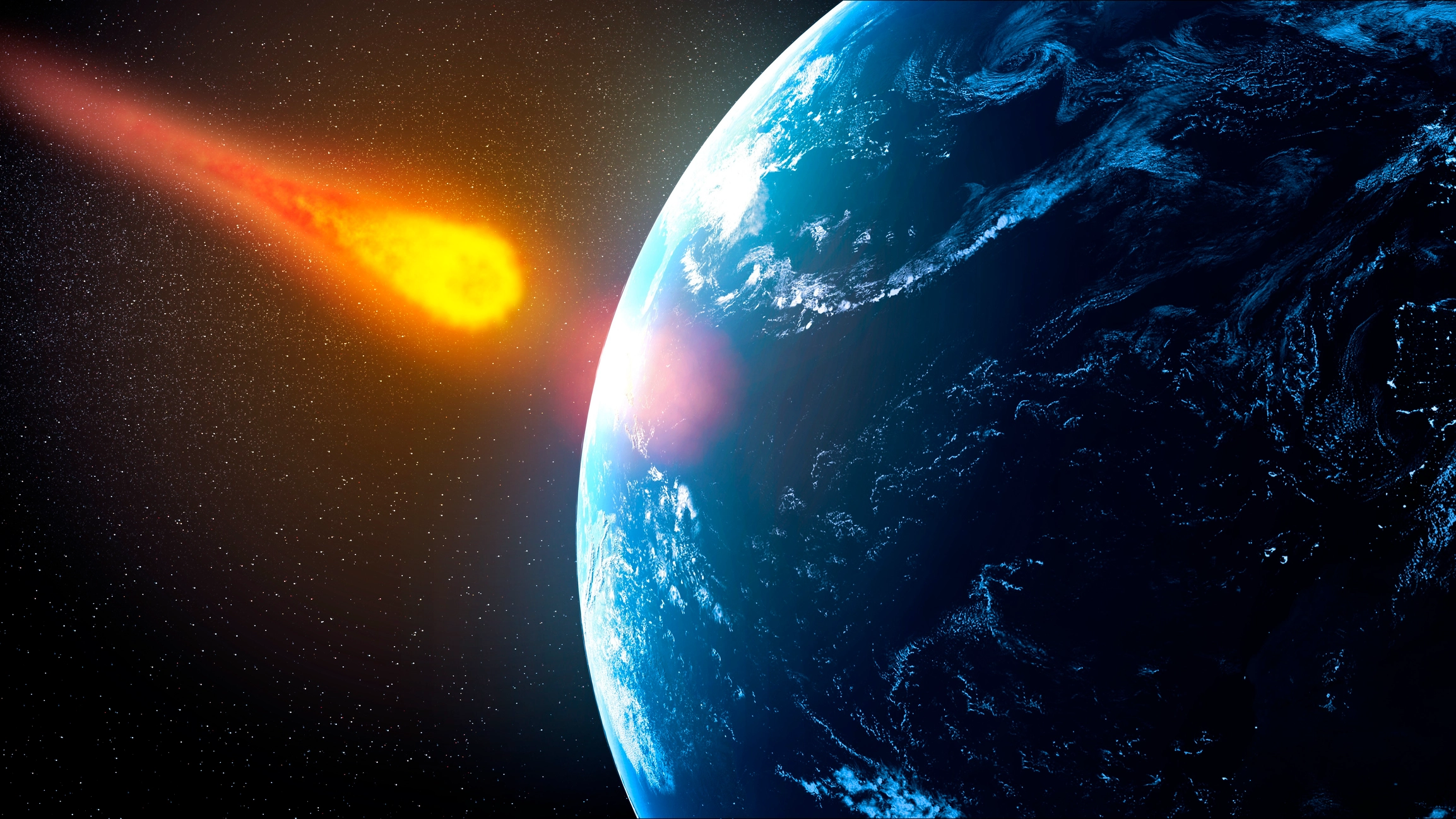
NASA is said to be taking precautions in regards to an asteroid that could make an impact with our planet in 2032.

We've all seen films such as Deep Impact or Armageddon depicting the idea of an apocalyptic asteroid headed towards our planet, but this could soon become a reality.

Minus the apocalyptic part though, thankfully.

However, Asteroid 2024 YR4 has a 2.3 percent chance of colliding with Earth in seven years' time, and its estimated width of 90m means it is roughly the size of Big Ben.

Advert

The celestial body has been closely monitored by NASA since its December 2024 discovery.
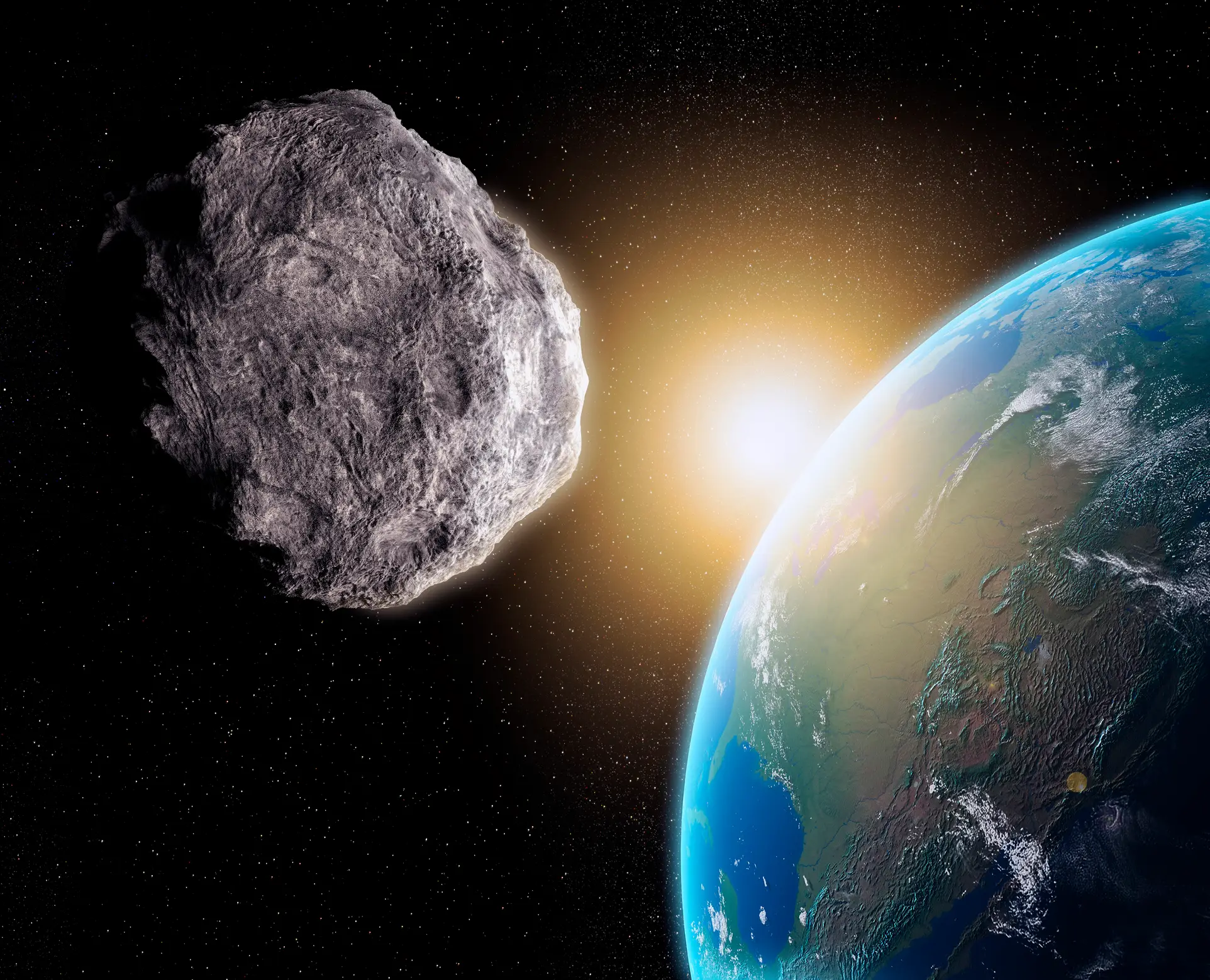
Asteroid 2024 YR4 is highly likely to miss our planet (Getty Stock Image)

The asteroid is heading towards our atmosphere, and it looks like we're relying on the lens of the James Webb Space Telescope (JWST), the most powerful telescope ever created, to better understand its properties and how much damage it could cause.

The European Space Agency explained that while there is just below a 98 percent chance of the asteroid passing by without a fuss, astronomers are trying to understand its orbit and impact risk.

However, it will be out of view from Earth in a few months and will only become visible again in 2028.

While the effects of it impacting Earth would be on a local scale at most, it's enough of a worry to alert the global planetary defence community.

Currently, the celestial body's estimated impact has been likened to the infamous Tunguska asteroid, which flattened 830 square miles of Siberian forest back in 1908.

However, it's worth noting that the early estimates of its size could be wrong, as experts need a more powerful telescope.

Enter, the JWST.
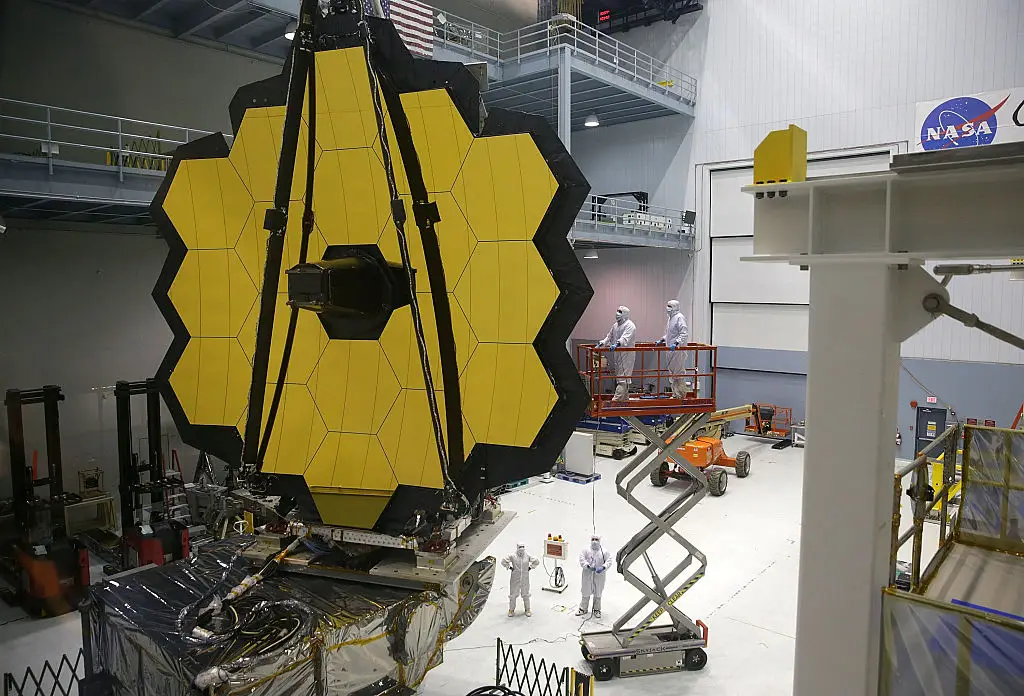
We'll need JWST to get a better understanding of the asteroid (Alex Wong/Getty Images)

Astronomers have been using powerful telescopes around the world to measure the asteroid's orbit, but what's key is its size.

Currently, scientists are limited when it comes to studying the asteroid due to the lack of visible light that is reflected from the Sun, as the brighter the asteroid, the larger it is in size.

The ESA writes: "2024 YR4 could be 40 m across and very reflective, or 90 m across and not very reflective."

This is a huge gulf in size, but JWST doesn't need light, it instead studies infrared light (heat) emitted from objects, giving us a more accurate estimate of the asteroid's size.

Using the telescope's MIRI instrument, ESA, NASA and other organisations will be able to take action against any possible hazards.

The first observations with JWST will take place in early March this year, as the asteroid will become observable by the telescope and be at its brightest.

This will be followed by more observations in May, with researchers looking to use these observations to study if the temperature of the asteroid changes, making final measurements until it comes back into our view in three years' time.
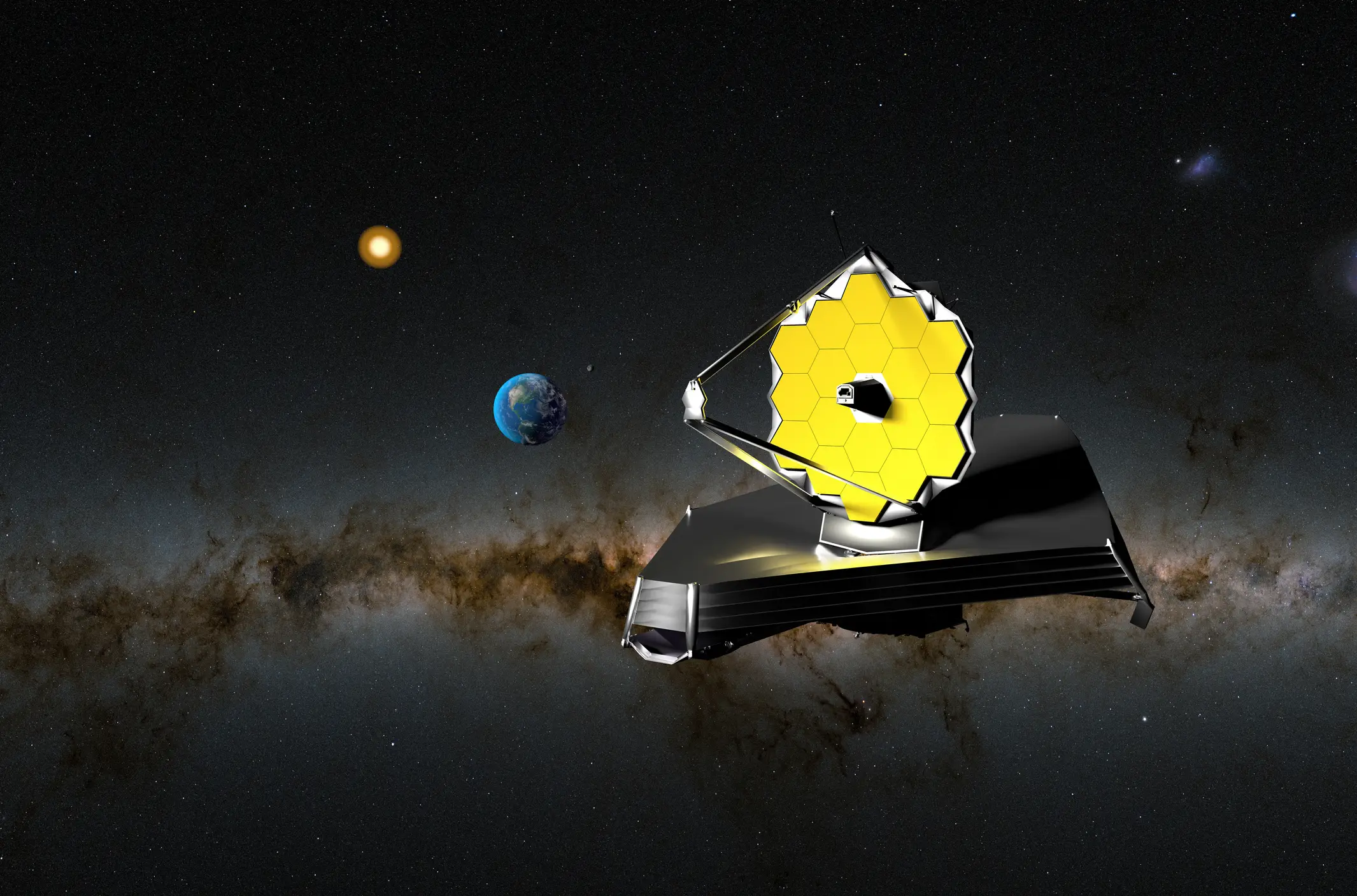
JWST will help to carry out two observations this year (Getty Stock Image)

A fraction of JWST's observational time is used for something called ‘Director’s Discretionary Time’, which is used for new discoveries or time-critical tasks that can't wait until the next proposal cycle.

Unsurprisingly, a team of astronomers from teams around the world submitted a proposal to use some of this time to study the asteroid, which has been accepted.

The time they have been given? Just four hours.

It's not much but the results will be insightful and published for the public to access.

Experts have already commented on the potential risks of the asteroid's impact, so let's hope those four hours give us everything we need to know.

Featured Image Credit: Getty Stock Image

Topics: NASA, Science, Space, 2024 YR4

Joshua Nair
Joshua Nair

Joshua Nair is a journalist at LADbible. Born in Malaysia and raised in Dubai, he has always been interested in writing about a range of subjects, from sports to trending pop culture news. After graduating from Oxford Brookes University with a BA in Media, Journalism and Publishing, he got a job freelance writing for SPORTbible while working in marketing before landing a full-time role at LADbible. Unfortunately, he's unhealthily obsessed with Manchester United, which takes its toll on his mental and physical health. Daily.

X

@joshnair10

Advert

Advert

Advert

  • NASA sent identical twin into space for one year and kept other on Earth to see impact spaceflight has on the human body
  • NASA's warning as chances of major asteroid collision in seven years increase again
  • Scientists address 'city-destroying' asteroid discovered that could hit Earth
  • NASA Mars rover makes discovery ‘unlike anything ever seen’ that could change what we know about planet

Choose your content:

a minute ago
an hour ago
2 hours ago
  • YouTube/TheLimitlessEmperor
    a minute ago

    Pros and cons of 36 hour fast as graphic simulation shows what happens to body

    Not eating for 36 hours is going to have an impact on your body

    News
  • Instagram/@tamirpoleg
    an hour ago

    Real estate millionaire ‘offered married colleague £2 million to leave husband for him’

    Real Brokerage CEO Tamir Poleg promised to 'take care of her needs', according to a lawsuit

    News
  • DoJ
    2 hours ago

    Jeffrey Epstein claims Bill Gates 'caught STI from Russian girls' in newly released email

    New files have been released and contain a number of claims

    News
  • Getty Stock Images
    2 hours ago

    Martin Lewis issues urgent warning anyone aged 18 to 40 as government confirms LISA changes

    The government has confirmed it will be bringing in a new product for saving for your first home

    News