ladbible homepage
ladbible homepage
  • iconNews
  • videos
  • entertainment
  • Home
  • News
    • UK
    • US
    • World
    • Ireland
    • Australia
    • Science
    • Crime
    • Weather
  • Entertainment
    • Celebrity
    • TV
    • Film
    • Music
    • Gaming
    • Netflix
    • Disney
  • Sport
  • Technology
  • Travel
  • Lifestyle
  • Money
  • Originals
    • FFS PRODUCTIONS
    • Say Maaate to a Mate
    • Daily Ladness
    • UOKM8?
    • FreeToBe
    • Citizen Reef
  • Advertise
  • Terms
  • Privacy & Cookies
  • License Our Content
  • About Us & Contact
  • Jobs
  • Latest
  • Archive
  • Topics A-Z
  • Authors
Facebook
Instagram
X
Threads
Snapchat
TikTok
YouTube
Submit Your Content Here
  • SPORTbible
  • Tyla
  • GAMINGbible
  • LADbible Group
  • UNILAD
  • FOODbible
  • UNILAD Tech
Chances of 'Planet X' having alien life as scientists think they've discovered a new planet in our solar system

Home> News> Science

Updated 12:09 2 May 2025 GMT+1Published 12:01 2 May 2025 GMT+1

Chances of 'Planet X' having alien life as scientists think they've discovered a new planet in our solar system

Has our solar neighbourhood just got bigger?

Kegan Marquez

Kegan Marquez

google discoverFollow us on Google Discover

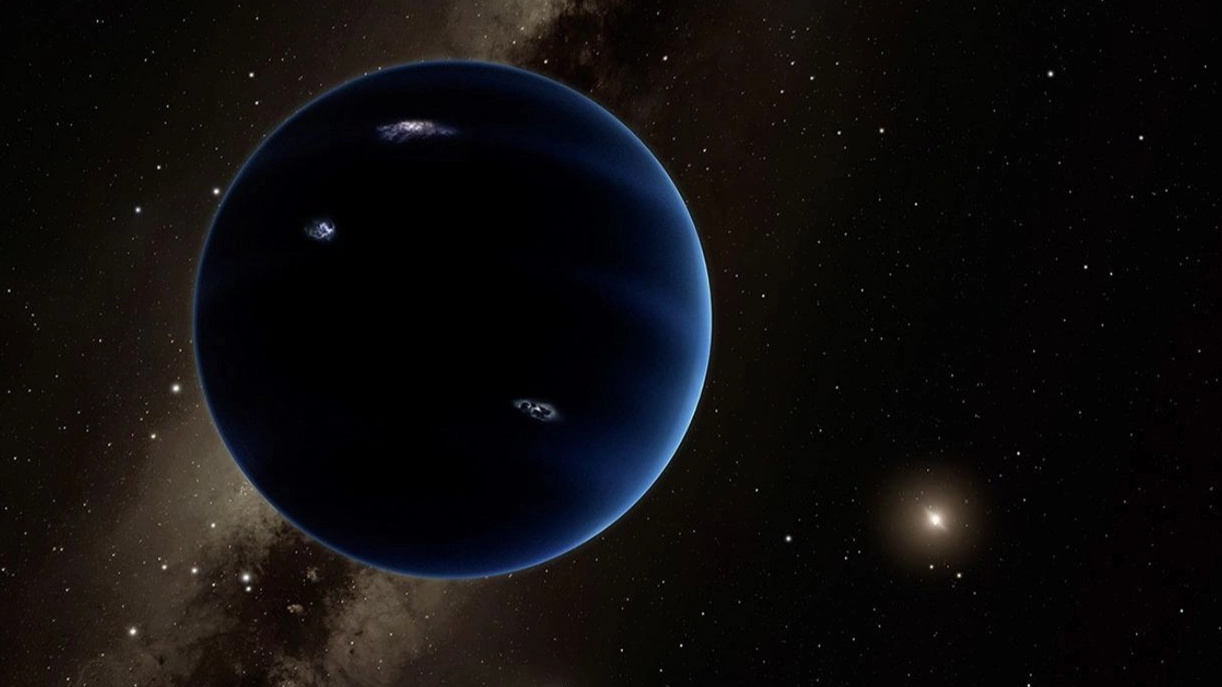
It's common knowledge that there are eight planets in our solar system. Or are there? Astronomers are starting to think that there might be a ninth planet tucked away, right on the edge of our solar system.

The suspected ninth planet, known as Planet Nine, or as NASA calls is, Planet X, has been discussed as a possibility now since way back in 2016.

The ninth planet in our solar system was first brought up as a possibility when two astronomers from the California Institute of Technology found evidence of a gravitational force, large enough to be a planet, beyond Neptune.
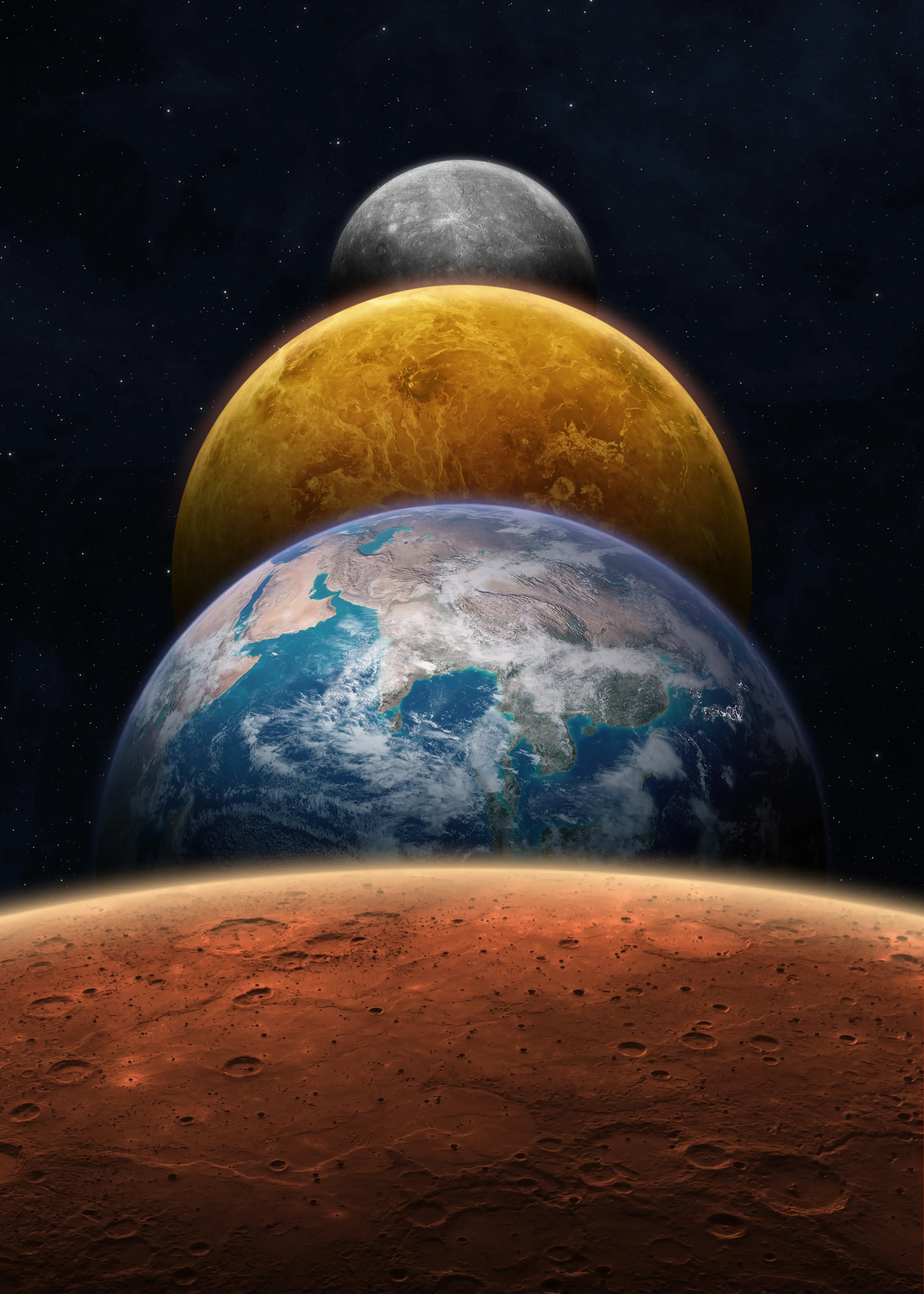
Astronomers believe our solar system may have a ninth planet (Getty Stock Images)

Advert

For anyone that's a little confused, and thinking, but what about Pluto? While Pluto was once considered the ninth planet in our solar system, it was stripped of its planetary status back in 2006 and is now considered a dwarf-planet.

With astronomers hot on the heels of Planet X, it might not be too long before our solar system jumps back up to having nine planets, again.

While the study was focusing on 13 potential planets, it has now been reduced down to just one.

A single entity that astronomers believe might be our Planet X, and could even potentially have signs of life.

But, before you grab your coat and prepare for a trip to visit this new alien planet, just make sure you're prepared for a trip to a planet that is approximately 46.5 billion to 65.1 billion miles away, it might take a while.
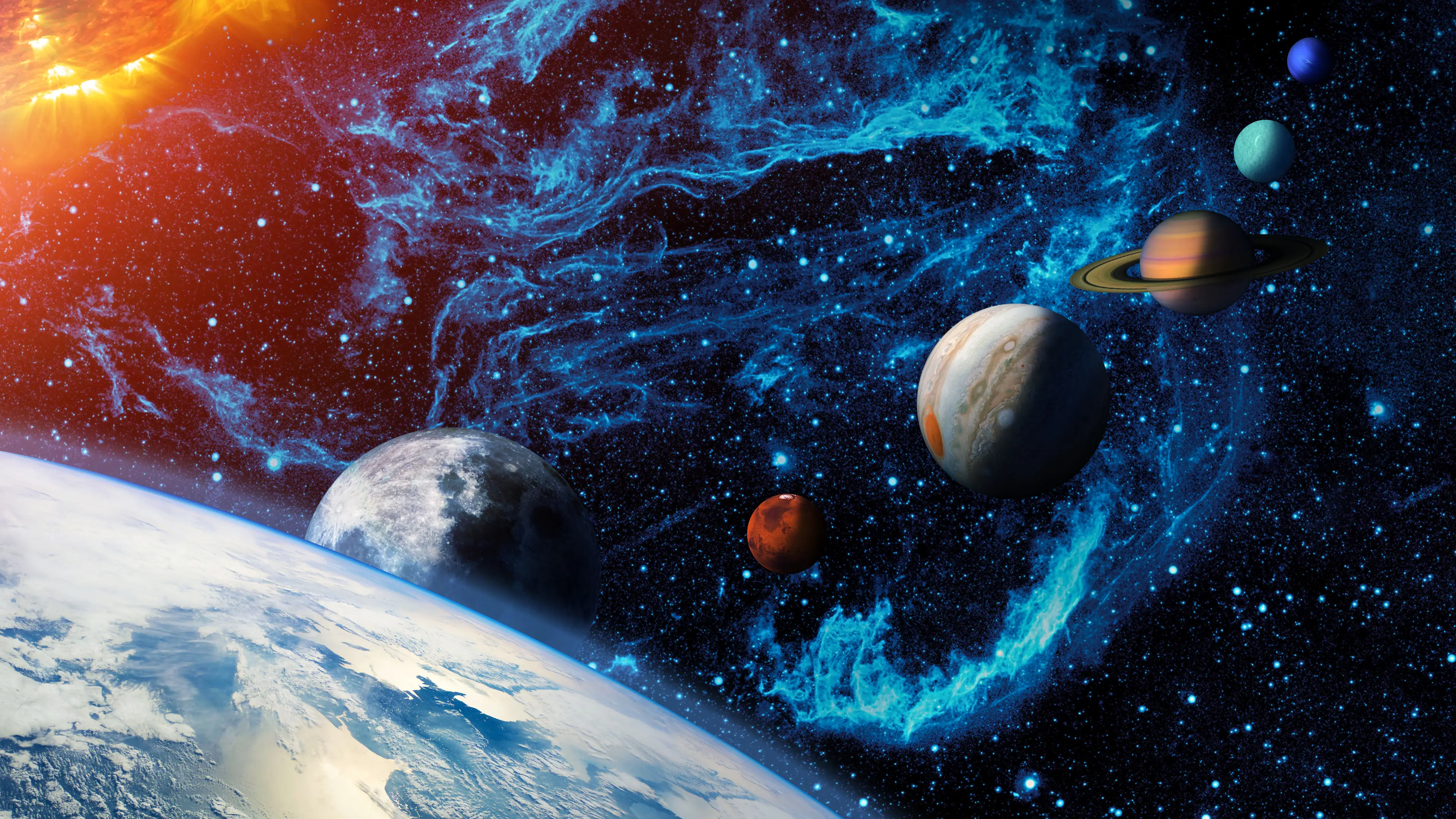
Illustration of the solar system (Getty Stock Images)

Speaking of grabbing your coat, the planet is so far from the sun, most scientists believe it would be an ice giant with temperatures estimated to be as cold as -409°F (-245°C). Essentially making a trip to the Antarctica feel like a holiday in the Bahamas in comparison.

Not only would Planet X be too cold to support a huge variety of life, it would also be too far from the sun to supply enough energy for many lifeforms to exist.

Under these extreme conditions, scientists believe the planet would only be able to support life known as extremophile, microbes which are able to survive even in the most harsh environments.

When talking about Planet Nine, or Planet X, NASA said: "It could also make our solar system seem a little more 'normal'."

What they're talking about here is that the most common types of planets in our galaxy are super Earths - bigger than Earth but smaller than Neptune. Planet X would fall under this category.

It also explains why the Kuiper Belt is tilted by about 20 degrees. With Planet Nine/Planet X gravity pulling on these objects, it would make sense that it would impact their obit, making the entire ice belt fall out of line with other planets orbiting the sun.

Featured Image Credit: NASA

Topics: Space, NASA, Science

Kegan Marquez
Kegan Marquez

Kegan is a freelance writer with a passion for everything tech and gaming. He has worked for global brands across the globe, including IGN, PCgamer, PCmag and many more. When he isn't working, Kegan spends most of his time playing video games, building and upgrading gaming PCs and looking for the next thing in tech to obsess about.

Recommended reads

Gordon Ramsay has ‘one regret’ after going nude on TVFoxSevere punishment for refusing to register for US military draft as automatic registration to start(Getty Stock Images)Ten signs your partner is sleeping with someone else as Nikki Glaser admits letting boyfriend do itGetty Stock ImageMelania Trump hits out at 'lies' over Jeffrey Epstein links in rare public statementWhite House

Advert

Choose your content:

6 hours ago
7 hours ago
8 hours ago
  • (Getty Stock Images)
    6 hours ago

    Severe punishment for refusing to register for US military draft as automatic registration to start

    The US announced that eligible men between the ages of 18 and 25 will soon be automatically registered

    News
  • White House
    7 hours ago

    Melania Trump hits out at 'lies' over Jeffrey Epstein links in rare public statement

    The First Lady made a rare public statement at the White House

    News

    breaking

  • (Solent News)
    7 hours ago

    UK schoolboy shot in head after thinking pistol was BB gun

    The 11-year-old fortunately survived with just a graze to the head

    News
  • (MoD)
    8 hours ago

    UK calls out Putin after discovering ‘secret operation’ in British waters

    The Russian embassy in London has since denied the claims

    News
  • Scientists think they've discovered a new planet in our solar system, 'Planet X'
  • Scientists think they've worked out what unknown interstellar object in our solar system is
  • Scientists discover more details about ‘potentially hostile alien threat’ hurtling through solar system
  • NASA confirms new existence of interstellar object zooming through our solar system