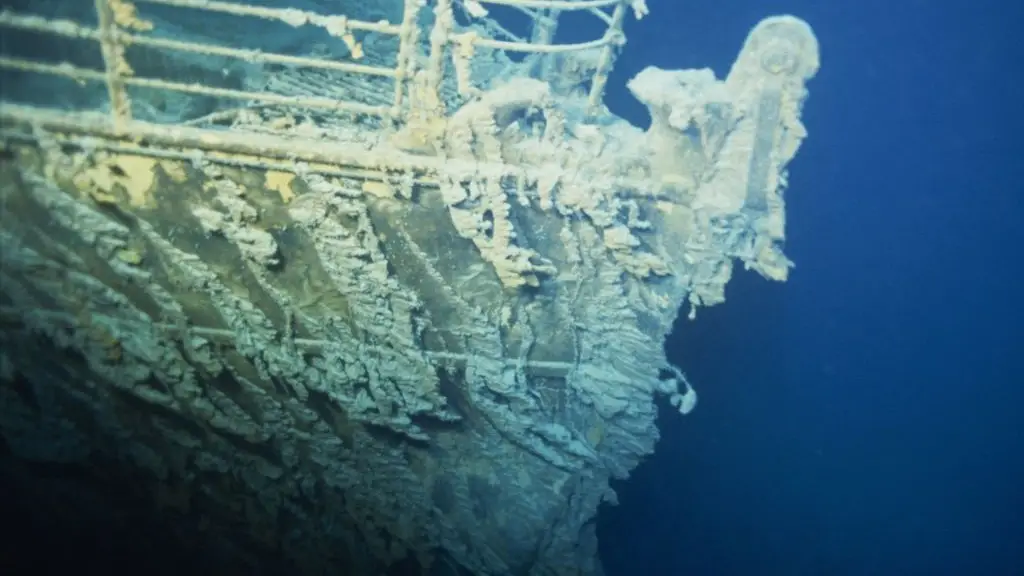
No skeletons have ever been found in Titanic wreckage 41 years on from discovery

Approximately 1,500 people died when the RMS Titanic sank more than a century ago - but there aren't any skeletons inside of the wreckage.
The victims of the April 1912 disaster who perished in the Atlantic Ocean aren't still stuck inside of the ship, contrary to popular belief.
Although the remnants of passengers lives were left scattered across the seabed, explorers have never found any intact bodies. And according to experts, there's an interesting reason for this.
It has been 41 years since the Titanic wreckage was discovered on 1 September, 1985, by oceanographers Jean-Louis Michel and Robert Ballard.
Advert
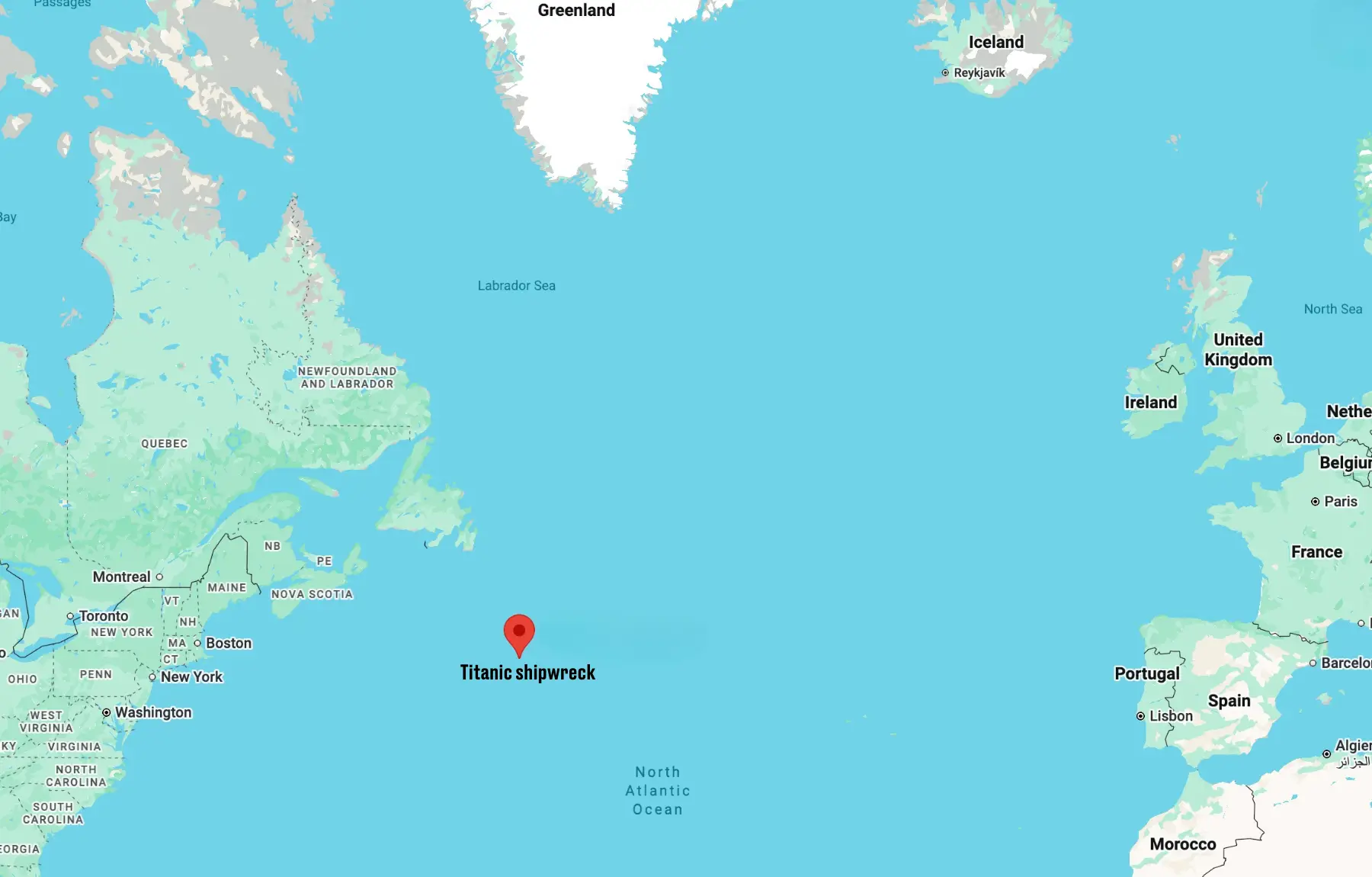
The shell of the British ocean liner, which fatefully struck an iceberg, was tracked down decades after the tragedy. It sits on the bottom of the Atlantic, around 12,500ft (3,810m) below the surface.
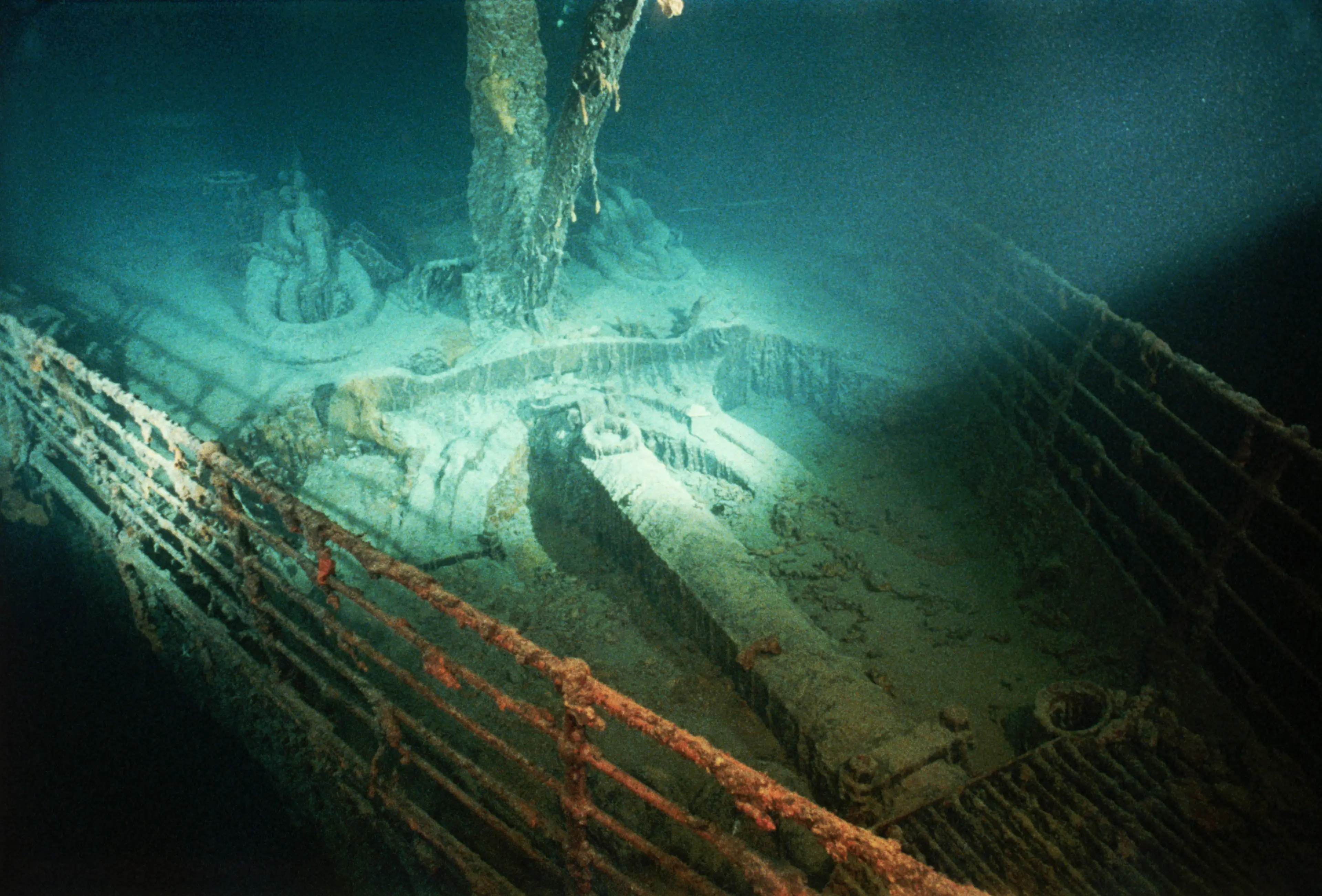
There's been various expeditions to it over the years, allowing the retrieval of artefacts from the ruins - but explorers have never stumbled across any skeletons.
Titanic director and submersible enthusiast James Cameron has made the extraordinary underwater journey a whopping 33 times, and insists he has 'never seen' any human remains.
Cameron doesn't deny that thousands of people perished in the sinking, however, he previously insisted that their corpses do not remain inside of the Titanic.
Speaking to the New York Times in 2012, the Canadian said: "I've seen zero human remains.
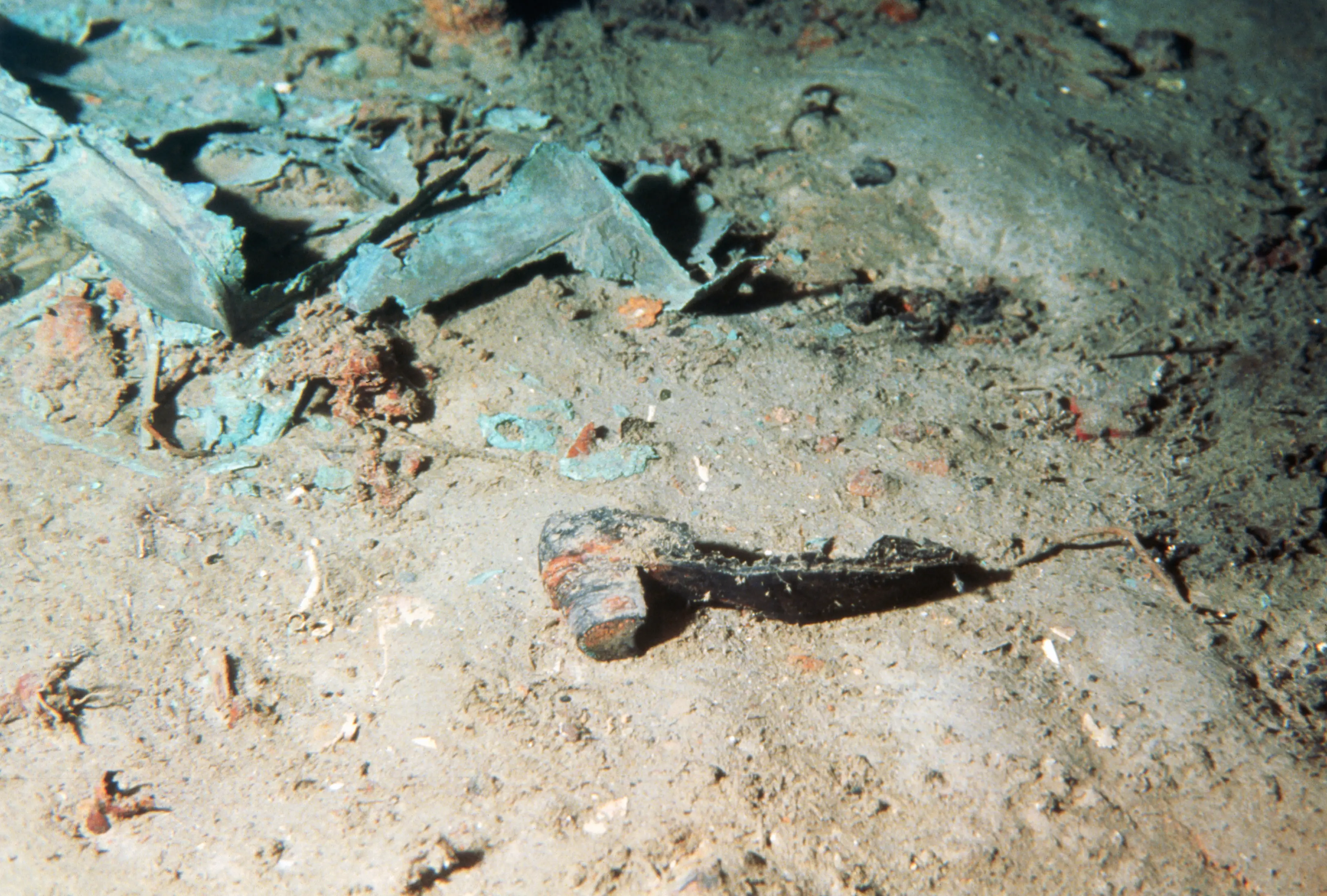
"We've seen clothing. We've seen shoes. We've seen pairs of shoes, which would strongly suggest there was a body there at one point. But we've never seen any human remains."
Others who have delved to the depths of the Atlantic Ocean have also stated that there is little chance of any skeletons lurking in the wreckage of the Titanic.
Some of those who died will have likely been swept away by the wind and waves, but that doesn't explain where the rest of the remains went.
Fortunately, science can help us answer this great mystery.
Ballard, the deep sea expert who discovered the wreckage more than four decades ago, explained what probably happened to all of the bones.
He previously told NPR that once you go down to a depth of around 3,000ft 'you pass below what's called the calcium carbonate compensation depth'.
"The water in the deep sea is under saturated in calcium carbonate, which is mostly, you know, what bones are made of," Ballard said.
"For example, on the Titanic and on the Bismarck, those ships are below the calcium carbonate compensation depth, so once the critters eat their flesh and expose the bones, the bones dissolve."
So, once upon a time there was skeletons in the shipwreck - however, their flesh is long gone, while the exposed bones dissolved into the water.
 Olivia Burke