ladbible homepage
ladbible homepage
  • Home
  • News
    • UK
    • US
    • World
    • Ireland
    • Australia
    • Science
    • Crime
    • Weather
  • Entertainment
    • Celebrity
    • TV
    • Film
    • Music
    • Gaming
    • Netflix
    • Disney
  • Sport
  • Technology
  • Travel
  • Lifestyle
  • Money
  • Originals
    • FFS PRODUCTIONS
    • Say Maaate to a Mate
    • Daily Ladness
    • UOKM8?
    • FreeToBe
    • Citizen Reef
  • Videos
  • Advertise
  • Terms
  • Privacy & Cookies
  • License Our Content
  • About Us & Contact
  • Jobs
  • Latest
  • Archive
  • Topics A-Z
  • Authors
Facebook
Instagram
X
Threads
Snapchat
TikTok
YouTube
Submit Your Content Here
  • GAMINGbible
  • LADbible Group
  • UNILAD
  • SPORTbible
  • Tyla
  • FOODbible
  • UNILAD Tech
Scientists issue update on when doomed satellite will hit Earth but still have no idea where it will land
Home>News>Science
Published 19:33 16 Feb 2024 GMT

Scientists issue update on when doomed satellite will hit Earth but still have no idea where it will land

The satellite's mission ended back in 2011 and now it's on its way back

Jess Battison

Jess Battison

google discoverFollow us on Google Discover

A satellite is going to come crashing back down to Earth in the next week and despite scientists issuing an update, they still have no idea where it will land.

Now that would be a sight to open up your curtains to in the morning...

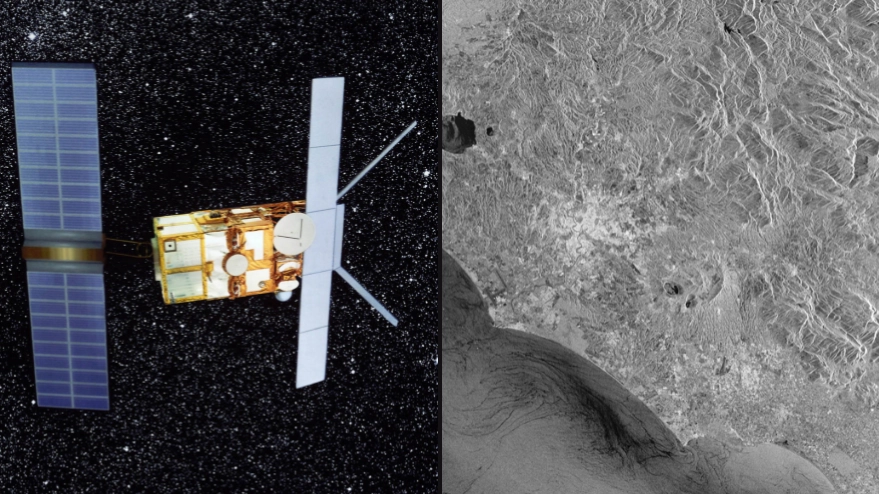
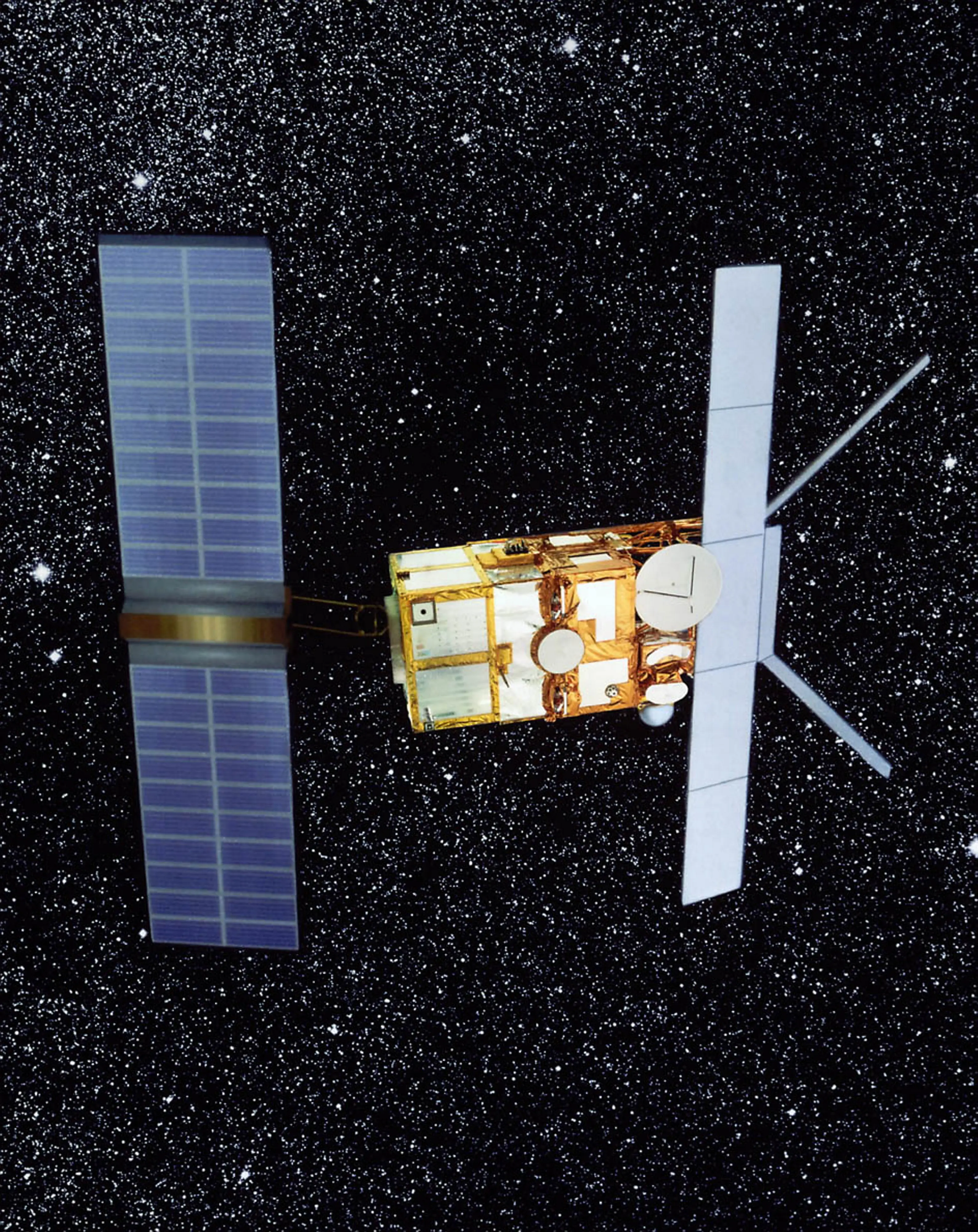
Back in April 1995, the European Remote Sensing 2 (ERS-2) satellite was sent up into space and at that time, was the most sophisticated Earth observation spacecraft ever developed in Europe.

Advert

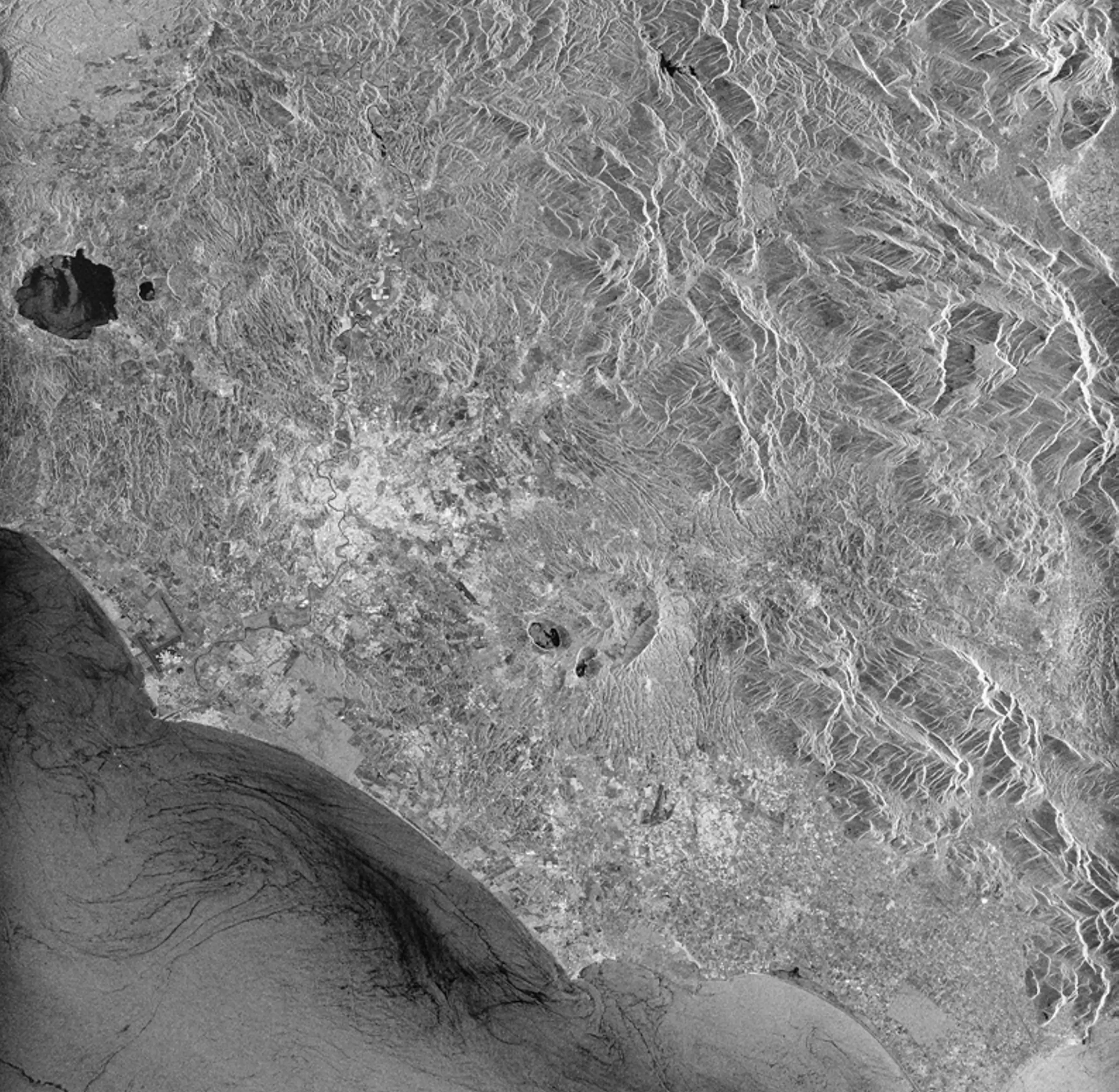
Working with the practically identical ERS-1, it collected a load of valuable data on Earth’s land surfaces, oceans and polar caps and was called upon to monitor natural disasters such as severe flooding or earthquakes in remote parts of the world.

After a decent stint, the ESA ended the mission in 2011 and a series of manoeuvres were completed to de-orbit the satellite.

This is done to ‘lower the satellite’s average altitude and mitigate the risk of collision with other satellites or space debris’.

And now, 13 years since its mission was ended, the satellite is now re-entering the lower layers of Earth’s atmosphere, with the UK space agency capturing images of the satellite approaching.
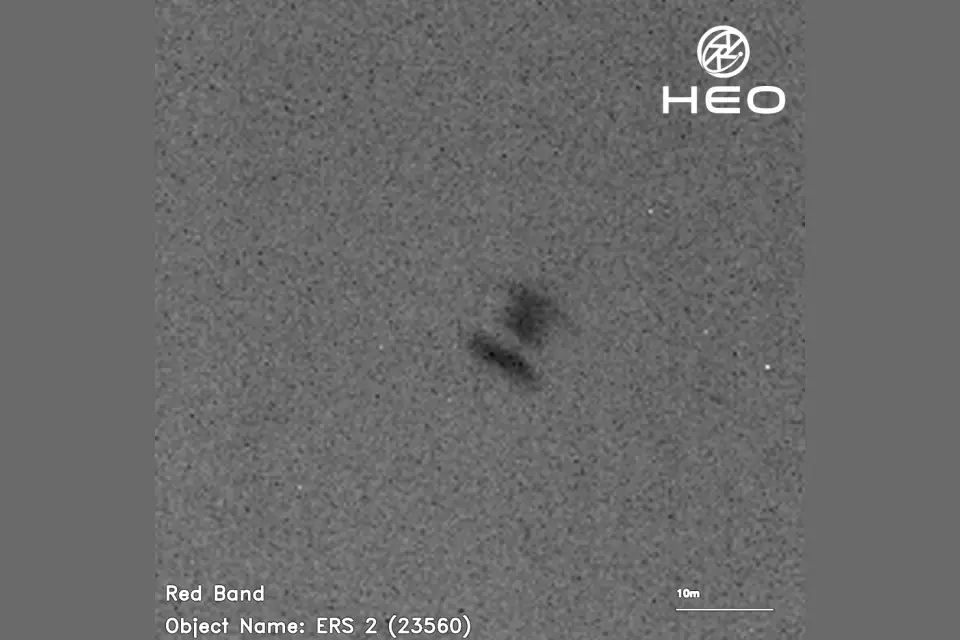
The UK Space Agency has released images of the satellite re-entering the atmosphere.
HEO

Here, it will begin to burn up.

The spacecraft’s re-entry is uncontrolled so it’s impossible for scientists to know exactly when and over which part of Earth this is going to happen.

But there has been a bit of an update.

It was previously reported that the crashing of ERS-2 would happen on 19 February at 10.26pm GMT.
SWNS

Now, the European Space Agency’s (ESA) best guess is that it will reenter the atmosphere on 21 February at 12.10pm GMT.

There’s still a lot of uncertainty though as that crash predication comes with a margin of error some 26 hours either side. Great.

ESA describe the ERS-2 re-entry as ‘natural’ as it is no longer possible to control the satellite.

ESA say: "While we can forecast the re-entry to within a few days, it is not possible to predict exactly when and where the satellite will renter prior to its final few orbits.
SWNS

"As we approach the day of re-entry, we will be able to predict a time and location with increasing certainty.

"During re-entry, the satellite will break up into pieces, the majority of which will burn up. The risks associated with satellite re-entries are very low."

Well, let’s hope that happens pretty soon then as the clock is quite literally ticking away.

Don't start panicking though, ESA’s Space Debris Office is monitoring the satellite as its orbits decays and will provide regular updates in these days leading up to re-entry.

Featured Image Credit: SWNS

Topics: Science, Space, Technology, World News

Jess Battison
Jess Battison

Jess is a Senior Journalist with a love of all things pop culture. With a specialism in entertainment, she's covered the updates live at major events from The Brits in London to Disney's D23 in California. Jess covers the latest breaking news stories across the UK and the globe as well as interviewing your favourite faces including the likes of Dwayne Johnson, Stephen Graham, Aubrey Plaza and Chris Hemsworth. She graduated with a first in Journalism from City, University of London in 2021.

X

@jessbattison_

Recommended reads

Scientists issue warning over ingredients found in food which increase cancer riskGetty Stock ImagesMackenzie Shirilla's dad breaks silence on The Crash making claim he says 'will get him in trouble'YouTube/True Crime This Week£18,000 raised for boy, 10, left without mum after she was shot outside Sheffield nightclub(Shanice Brookes)Why 'Alice Baker' is one of the most feared names in prisonGetty Stock Image

Advert

Choose your content:

2 hours ago
4 hours ago
5 hours ago
  • (Shanice Brookes)
    2 hours ago

    £18,000 raised for boy, 10, left without mum after she was shot outside Sheffield nightclub

    Shanice Brookes was fatally shot while on a night out over the bank holiday

    News
  • Getty Stock Image
    2 hours ago

    Why 'Alice Baker' is one of the most feared names in prison

    Although it sounds like an innocuous name, it is anything but

    News
  • Paul Gilham/Getty
    4 hours ago

    Helicopter pilot who rescued Michael Schumacher he speaks out for first time about what happened

    He felt immense pressure to rescue the F1 legend

    News
  • Born Free/PA
    5 hours ago

    New update on 14 penguins trapped in London Aquarium basement 'with no sunlight or air'

    Campaigners have been calling for the release of the gentoo penguins who have no fresh air in their indoor enclosed space

    News
  • Scientists reveal where 'alien object' heading past Earth will actually be going
  • Scientists baffled after mysterious blue flashes shining from space
  • Doomed satellite will crash to Earth in six days but scientists don’t know where
  • 'Potentially hostile' alien threat could attack Earth in the coming months, according to scientists