When Emergency Alert systems are used as millions across UK get siren alert today

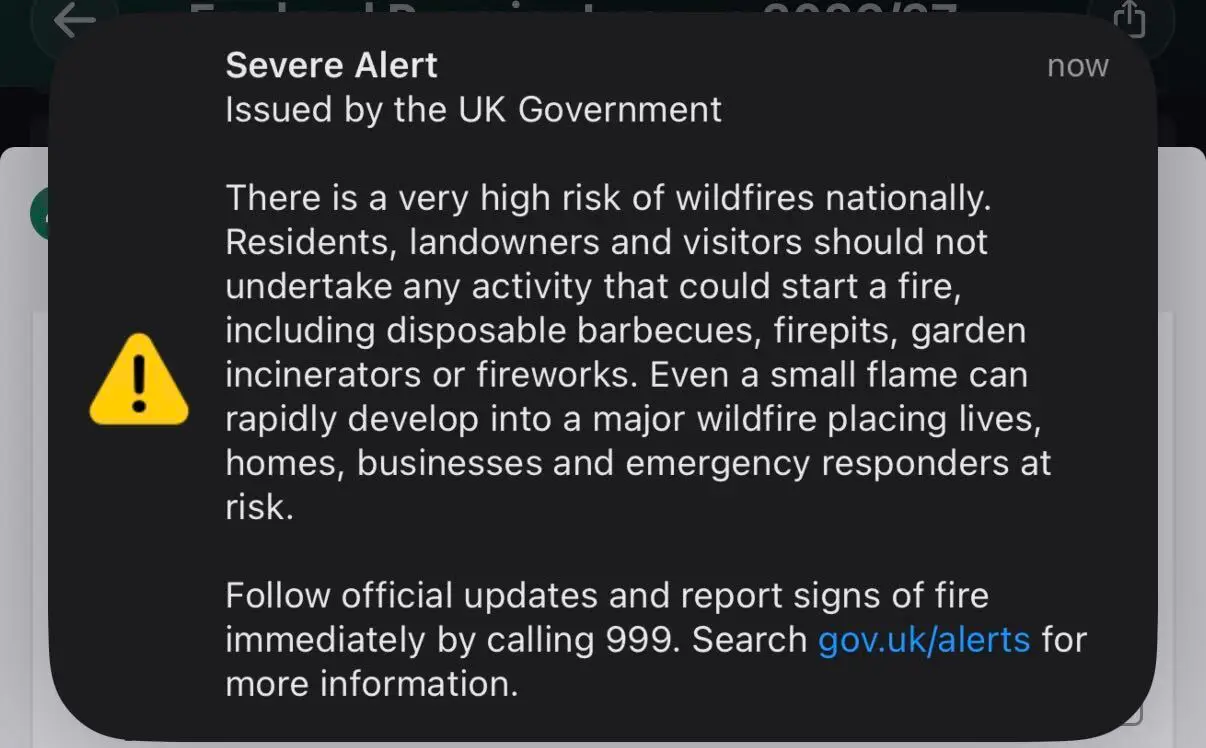
The UK government sent an urgent wildfire warning to mobile phones at around 7:02pm on Friday, August 14, with the very loud siren announcing the statement's arrival giving many people across the nation a fright.
The alert reads: "There is a very high risk of wildfires nationally. Residents, landowners and visitors should not undertake any activity that could start a fire, including disposable barbecues, firepits, garden incinerators or fireworks.
"Even a small flame can rapidly develop into a major wildfire placing lives, homes, businesses and emergency responders at risk."
The alert then urged people to report any signs of fire to 999 immediately.
Advert
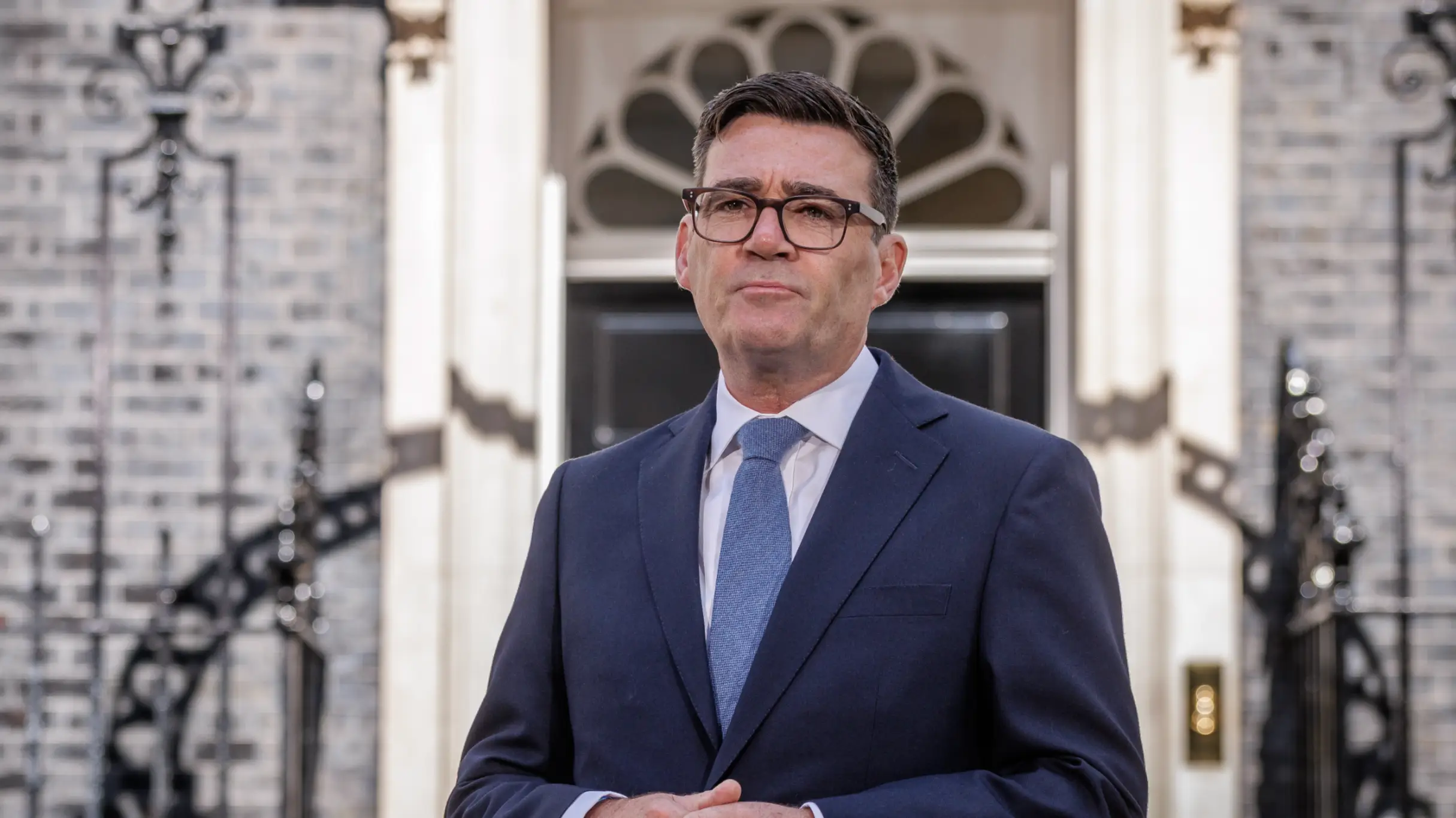
Taking to X in the aftermath of the alert, Prime Minister Andy Burnham revealed the alert came as a direct request from Fire and Rescue Services.
He said: "I was in Stourbridge today and saw first-hand the devastating impact these fires have had on people’s homes and lives.
"Our priority now is to keep everyone safe and prevent more fires from starting.
"During this period of extreme heat, I’m asking everyone to take extra care. Please do not light any fires in gardens, the countryside or other open spaces, including parks, moorland and wooded areas.
"Our firefighters and emergency responders are working around the clock in incredibly difficult conditions."
"We can all help them. Please take the Emergency Alert seriously and follow the guidance in place."
Wildfires have been ravaging the United Kingdom as the country experiences more soaring temperatures in the fifth heatwave of the summer.
So much so that the PM moved to temporarily ban disposable BBQs on Friday and called in the military to help deal with the crisis.
As a result, the Severe Alert system was used nationwide for the first time after a string of successful tests.
There are several other reasons that might cause an alert, with the government not needing to know your location or phone number to send it to you.
Primarily, the national system is intended for setting out emergency alerts in situations where there is an imminent danger to life.
So, it could therefore be used in situations like wildfires, severe flooding, extreme storms or during a terror attack.
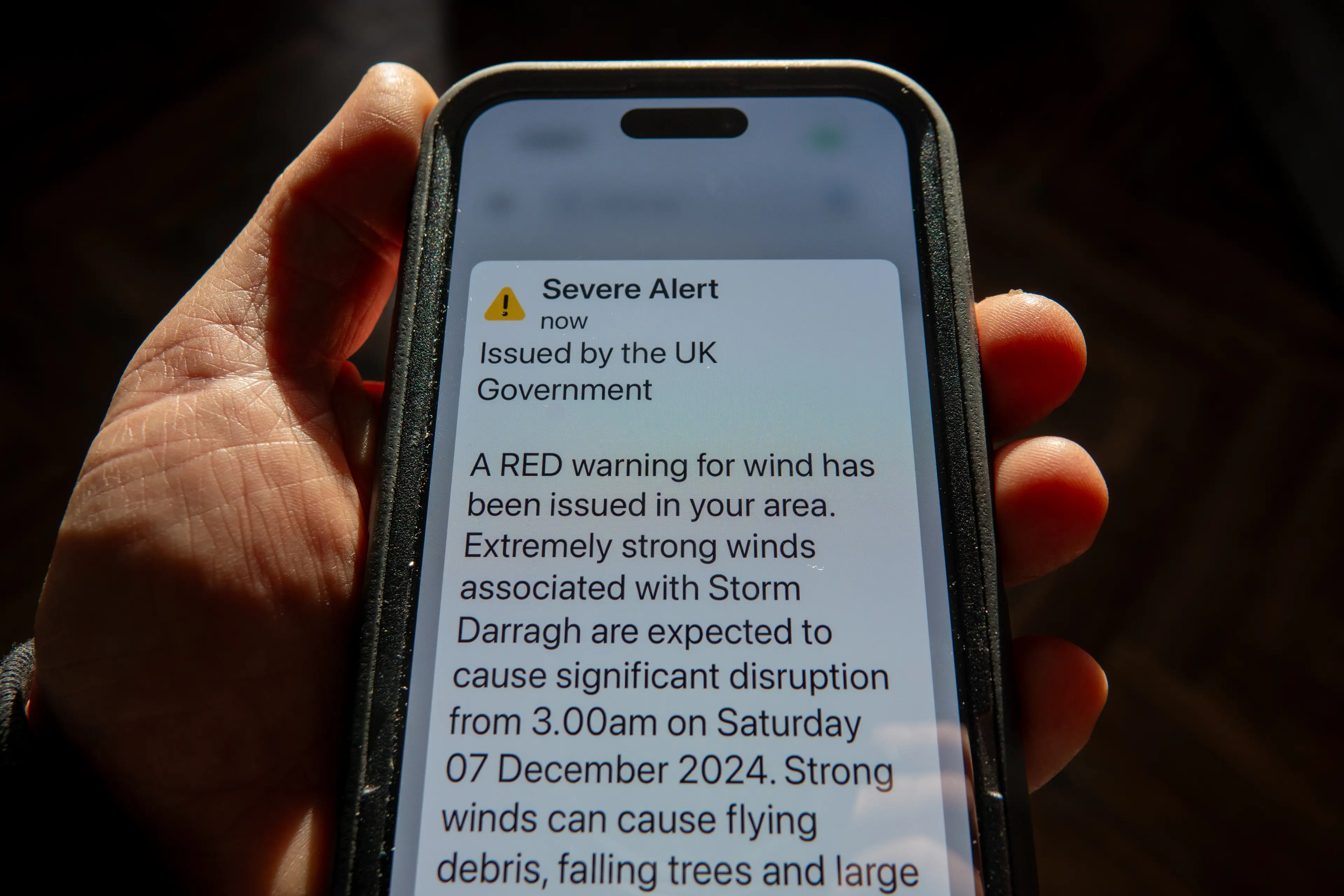
The government says that since it did its first national test of the Emergency Alerts system back in April 2023, the system has sent out five real alerts during major storms when lives were genuinely at risk.
It adds that doing these regular tests ensures that the system continues to work properly and can reach as many people as possible in those times when it’s needed most.
Some of you might have been a bit p**sed off by what should have been a minor inconvenience of 10 seconds or so of a siren going off earlier, but let’s be honest, it’s a relatively useful tool to have nationally.
Although there are some people who won’t have received it, as not all devices get it through.
It’s likely that older phones or devices not connected to 4G or 5G networks won’t be compatible with the system.
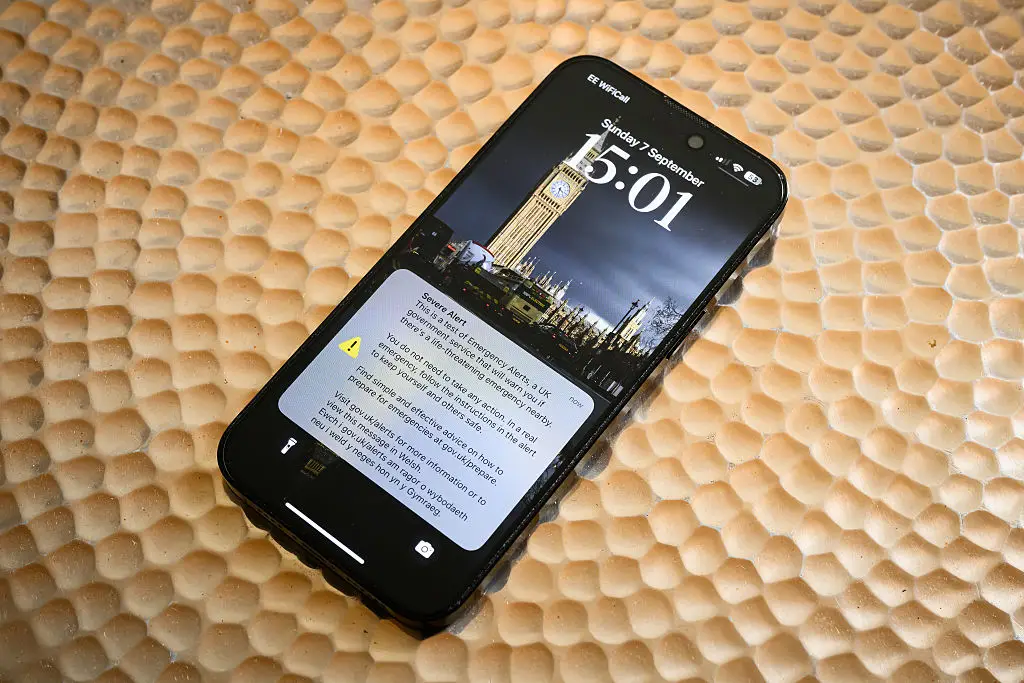
In case you did somehow miss it, the Emergency Alerts system essentially sends out a message with that siren-like sound and vibration lasting roughly 10 seconds.
Pat McFadden, the new Work and Pensions secretary, said: “It is a vital tool for keeping the nation safe when lives are on the line – and every minute matters."
The government adds: “The Emergency Alerts system represents an important tool for keeping communities safe, and this test helps ensure it will be ready when we need it most.
"While the brief interruption on Sunday afternoon might be inconvenient, it's a small price to pay for a system that could one day help save lives.”
Topics: Technology, UK News
 Jess Battison