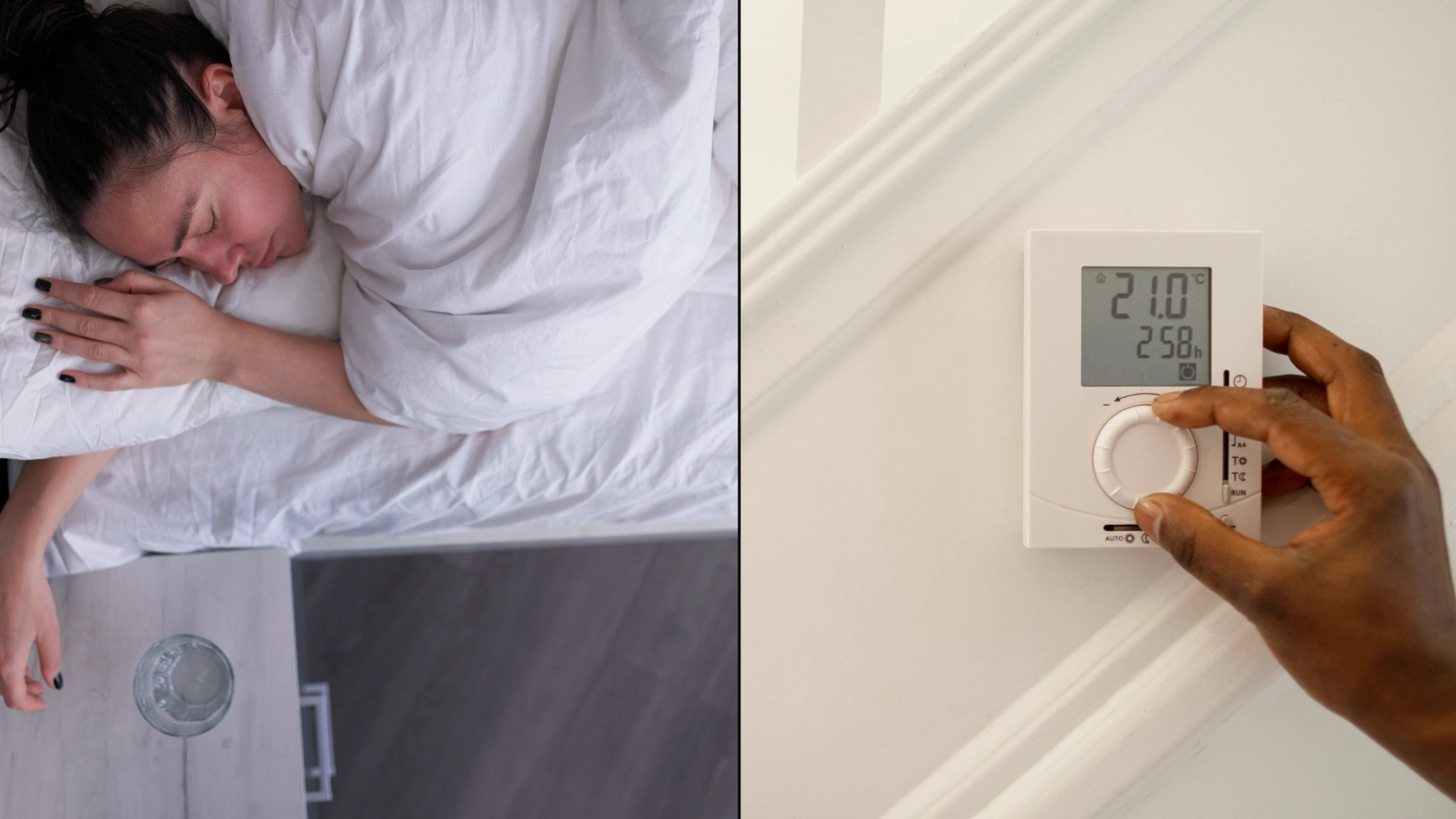
Why you shouldn’t sleep with the heating on this winter

As the weather worsens and temperature drops, getting into bed nice and warm before sleeping seems like the most obvious way to get a good sleep.
However, several sleep experts and scientists argue the exact opposite.
While you obviously shouldn’t be freezing before getting some rest, it actually isn’t a great idea to be tucked up in bed with the heating on full blast either.
Advert
Here are 10 reasons why you should avoid sleeping with the heating on:
1. You could get dry skin.
If you’re wondering why your skin is dryer than usual, sleeping with the heating on could be the reason.
According to sleep experts at Winston Beds, the warm air can remove natural oils from the skin. As a result, your skin can become dry and itchy in warm temperatures.
2. You eyes could become dry.
Following on from this, warm temperatures before bed might lead to dry eyes too.
As reported by Woman And Home, Dr Elizabeth Hawkes, an ophthalmic and oculoplastic surgeon, said: "If you're indoors, central heating can be extremely drying to the eyes because heating in the air evaporates the water in it, creating a dry atmosphere."
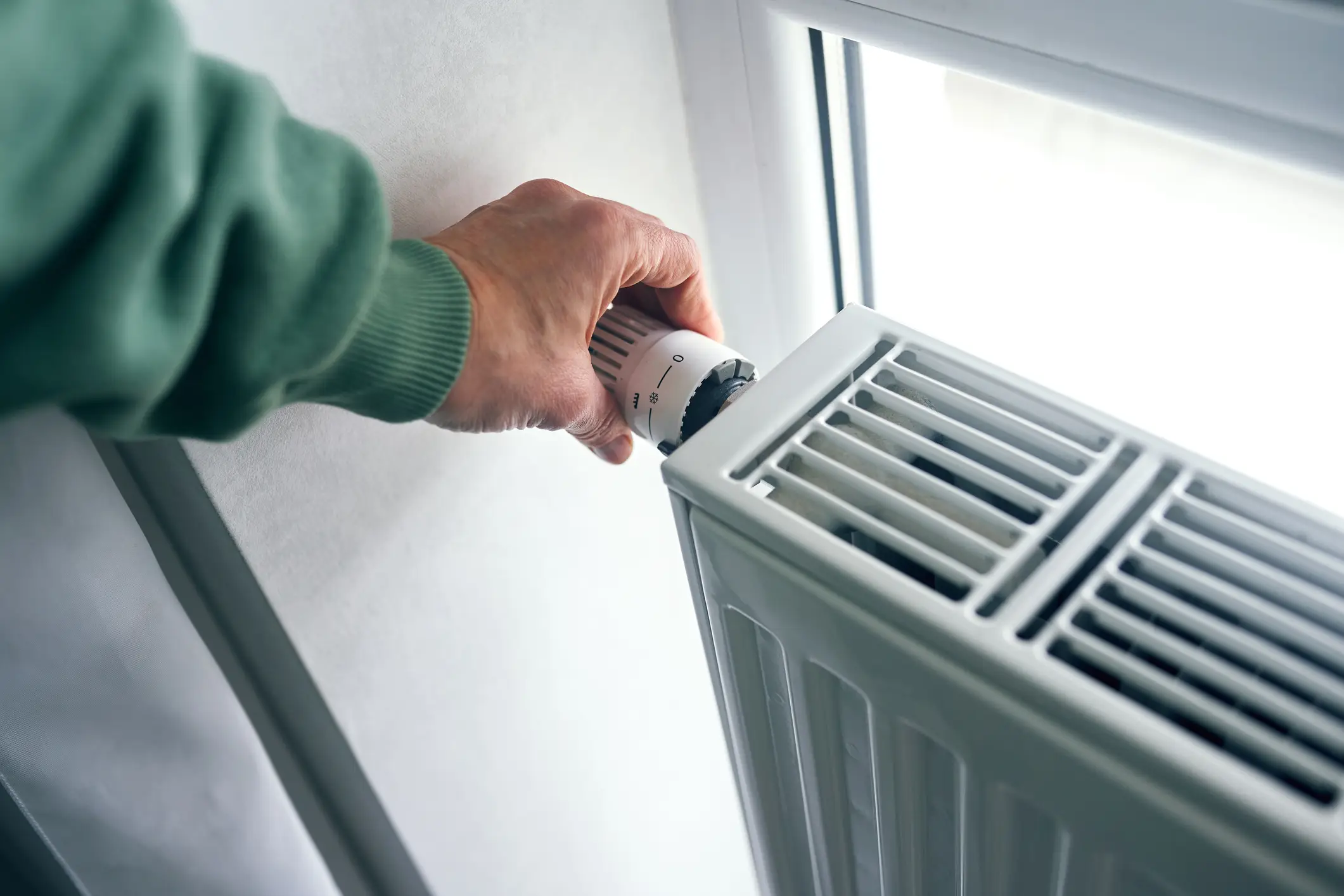
3. You might find it difficult to breathe.
Central heating can even dry out the air in your bedroom. This can cause you to get dry throats and nasty coughs.
4. You can sweat too much.
An obvious one maybe, but a temperature that's too warm can make you sweaty - something that certainly isn't pleasant to wake up to.
5. You might get a headcold.
Radiators can gather a lot of dust and these particles can be spread when they're switched on, which might lead to you sneezing a lot and getting a runny nose when you wake up.
6. You might get swollen feet.
Your feet tend to swell when your body is trying to cool down. Swollen feet in the morning could mean you’re bedroom is too hot.
7. Bugs love high temperatures.
Bugs such as fleas, flies and bedbugs thrive in warm environments. Leaving the heating on while you’re sleeping increases the risk of them in your bedroom.
8. Your walls could become mouldy.
Having the heat on for too long can lead to warmer air becoming trapped with little extra moisture. When the warm air comes into contact with the cold windows, it can cause window condensation and lead to mould.
9. Leaving the heating on is, obviously, not good for your energy bills.
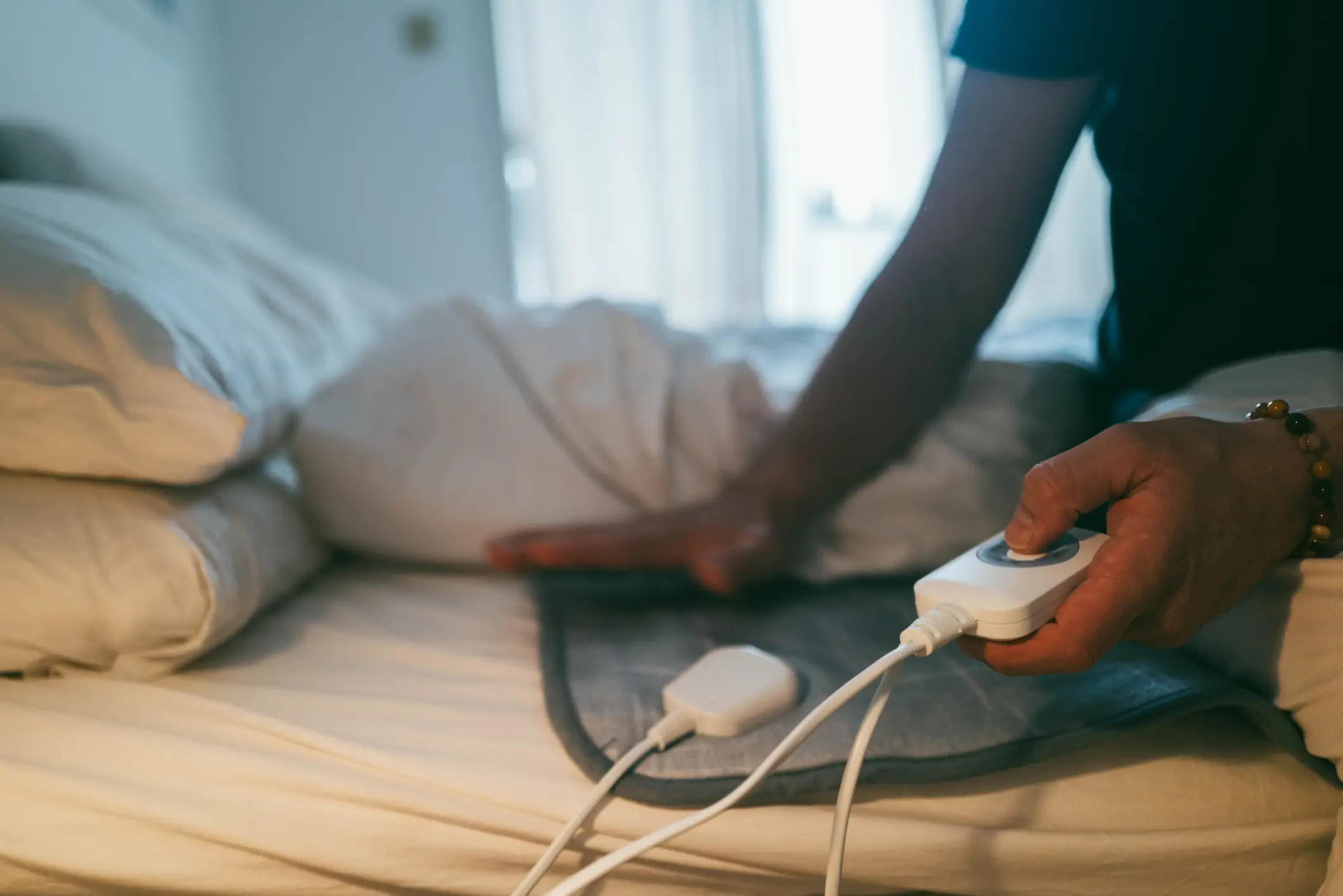
The biggest practical reason for turning the temperature on is money. Opting for fluffy socks, a hot water bottle, or even a heated blanket could help bring your bills down.
10. The heating can make it harder for you to fall asleep.
It may seem ridiculous, but warmer temperatures can make it harder for you to sleep full stop. This because your body needs to reach a cooler temperature in order to fall asleep.
Dr Karan Rajan explained this further to Birmingham Live, saying: "Our body's core temperature needs to drop to initiate sleep.
"So a cooler temperature gets you closer to the target sleep temperature of your body, so you fall asleep a lot faster.
"Warmer temperatures means your brain and body are more active trying to cool you down. This increased brain activity limits the amount of REM and slow wave sleep your body needs to recharge".
Furthermore, a scientist from the University of Southern Australia claimed insomniacs typically have a higher temperature when they try and nod off.
 Jamie Greer