ladbible homepage
ladbible homepage
  • iconNews
  • videos
  • entertainment
  • Home
  • News
    • UK
    • US
    • World
    • Ireland
    • Australia
    • Science
    • Crime
    • Weather
  • Entertainment
    • Celebrity
    • TV
    • Film
    • Music
    • Gaming
    • Netflix
    • Disney
  • Sport
  • Technology
  • Travel
  • Lifestyle
  • Money
  • Originals
    • FFS PRODUCTIONS
    • Say Maaate to a Mate
    • Daily Ladness
    • UOKM8?
    • FreeToBe
    • Citizen Reef
  • Advertise
  • Terms
  • Privacy & Cookies
  • License Our Content
  • About Us & Contact
  • Jobs
  • Latest
  • Archive
  • Topics A-Z
  • Authors
Facebook
Instagram
X
Threads
Snapchat
TikTok
YouTube
Submit Your Content Here
  • SPORTbible
  • Tyla
  • GAMINGbible
  • LADbible Group
  • UNILAD
  • FOODbible
  • UNILAD Tech
Archaeologists make incredible 7,000-year-old discovery at the bottom of the Mediterranean Sea

Home> News> World News

Published 17:40 12 Apr 2025 GMT+1

Archaeologists make incredible 7,000-year-old discovery at the bottom of the Mediterranean Sea

The team of researchers made the discovery off the coast of Croatia

Niamh Shackleton

Niamh Shackleton

google discoverFollow us on Google Discover

After archaeologists from the University of Zadar noticed odd structures off the western coast of Korčula, they decided to investigate.

Little did they know what they would come across though, and the team ended up discovering a 7,000-year-old road hidden at the bottom of the Mediterranean Sea.

As to why it's there, it's believed that the ancient road once connected Korčula to a now-submerged Neolithic site that was once home to hunter-gatherers around 4,900 BC.

And it wasn't a small road they discovered either. The expressway spans 13 feet wide, which is bigger than the average road you'd find in the UK nowadays (which is around 12 feet for a single lane).

Advert
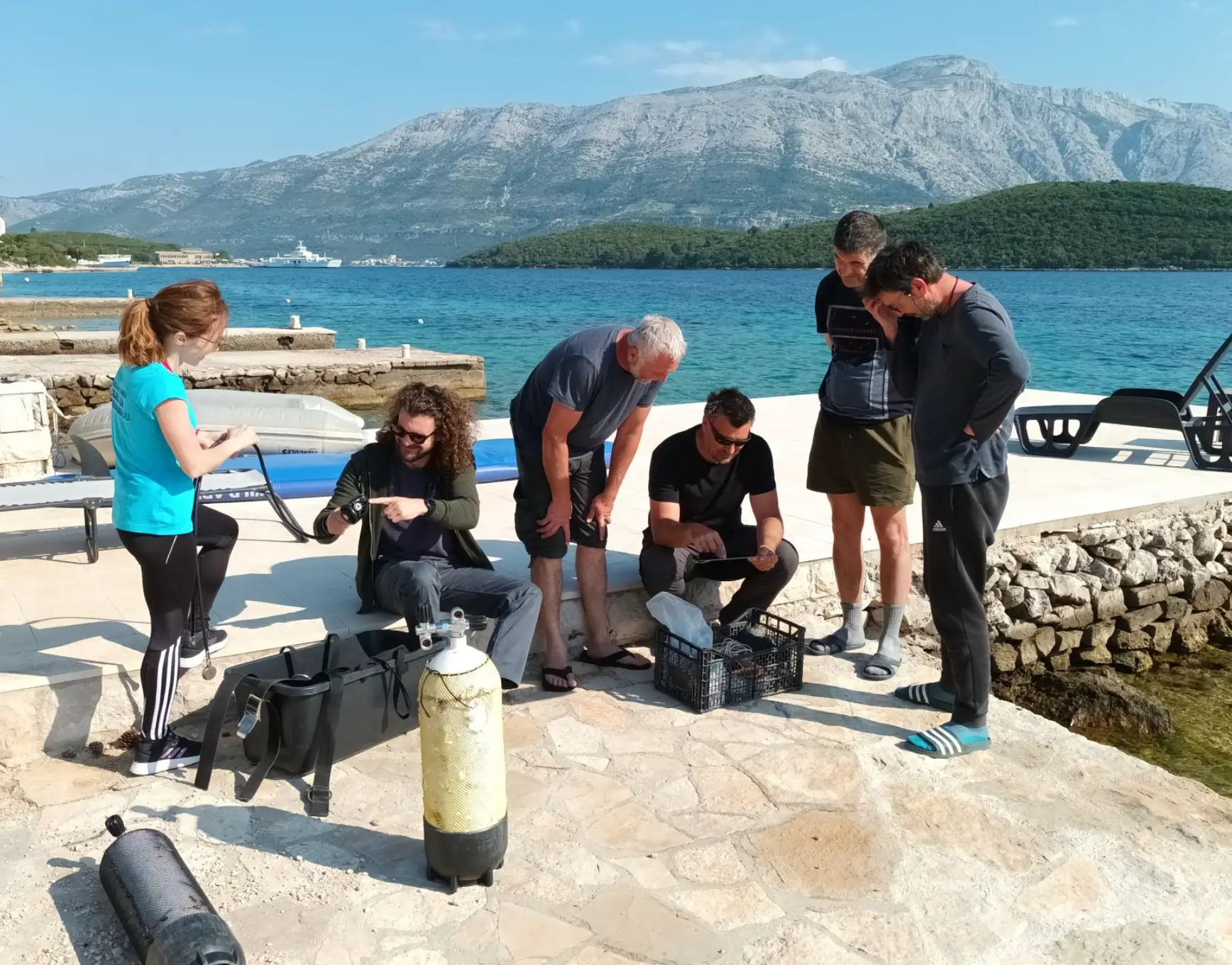
The research team behind the huge discovery (Facebook/Sveučilište u Zadru)

Archaeologist Mate Parica of the University of Zadar lead the search and, after seeing satellite images of the site, he wanted to get a closer look.

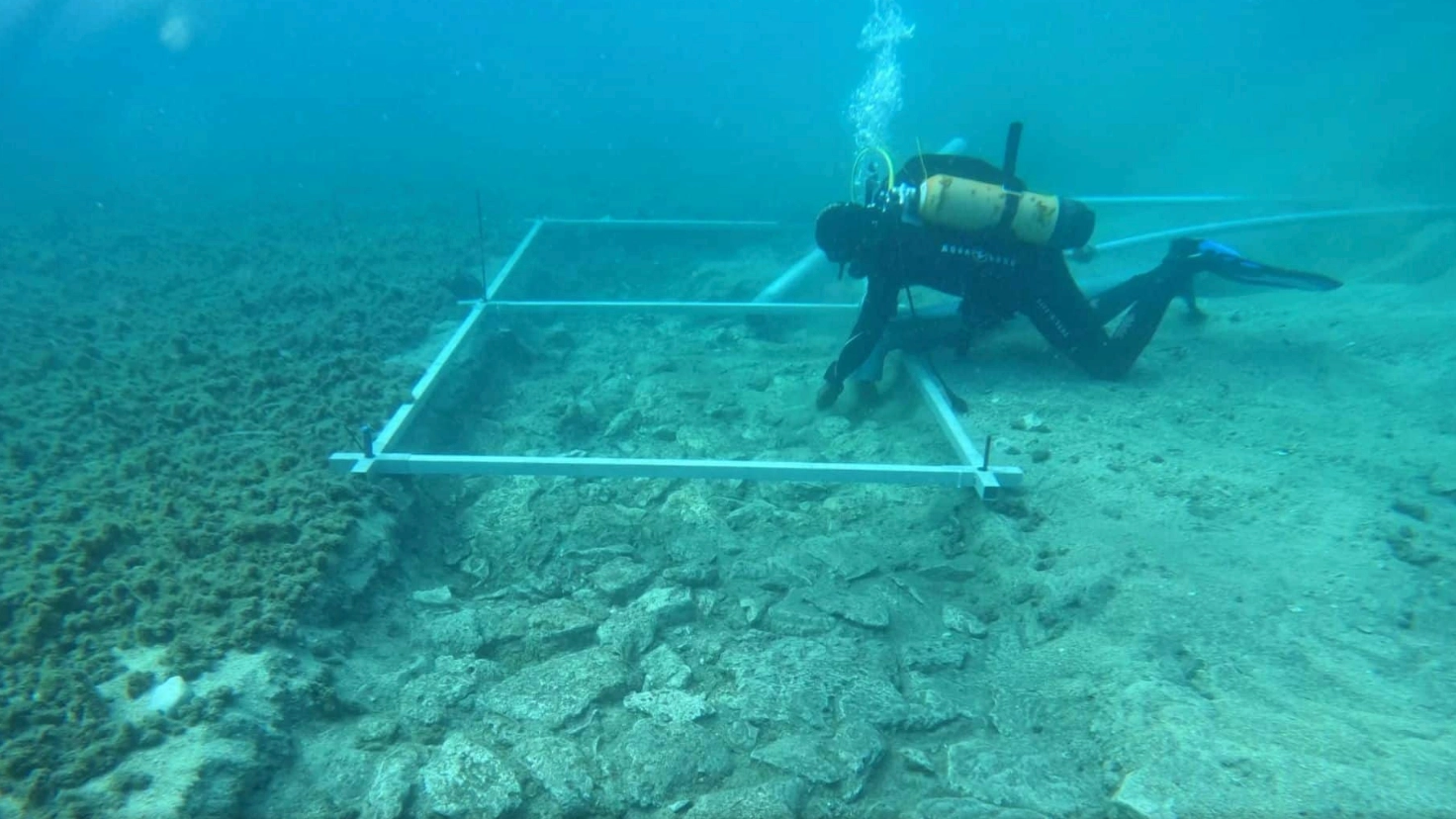
Parica proceeded to go on a dive with colleagues where they came across the fascinating walls of an ancient settlement.

It appeared to be connected to the main island by a narrow strip of land.

"In underwater archaeological research of the submerged neolithic site of Soline on the island of Korčula, archaeologists found remains that surprised them," the University of Zadar said in a Facebook statement.

"Namely, beneath the layers of sea mud, they discovered a road that connected the sunken prehistoric settlement of the Hvar culture with the coast of the island of Korčula."

It continued: "These are carefully complex stone plates that were part of a four-meter-wide communication that connected the artificially created island with the coast. Using radioocarbon analysis of preserved wood found in the last campaign, the entire settlement dates back to about 4,900 years BC. People walked on this communication almost 7,000 years ago."

Speaking on how the road was so well preserved, Parica told Reuters in 2021 when they first made the discovery: "The fortunate thing is that this area, unlike most parts of the Mediterranean, is safe from big waves as many islands protect the coast. That certainly helped preserve the site from natural destruction."
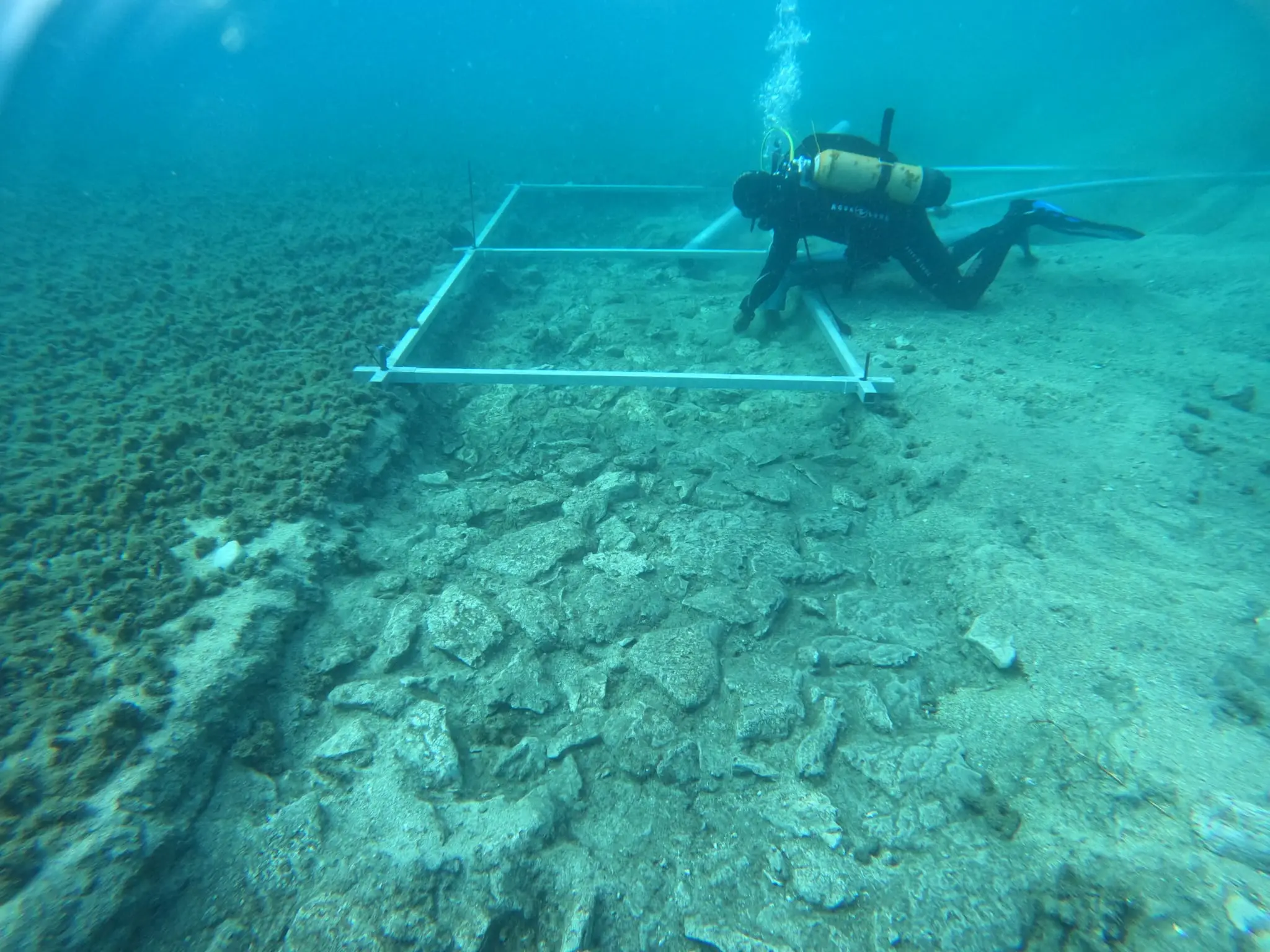
The road dates back 7,000 years (Facebook/Sveučilište u Zadru)

At first there were questions if the road was naturally formed, but Parica and his team found objects that signalled that it was man-made.

"We found some ceramic objects and flint knives," Parica said, as per Daily Galaxy.

While the road was found in 2021, it wasn't officially confirmed to be one until 2023, with the discovery going on to become global news at the time.

Featured Image Credit: Facebook/Sveučilište u Zadru

Topics: Archaeology, History, News

Niamh Shackleton
Niamh Shackleton

Niamh Shackleton is an experienced journalist for UNILAD, specialising in topics including mental health and showbiz, as well as anything Henry Cavill and cat related. She has previously worked for OK! Magazine, Caters and Kennedy.

X

@NiamhShackleton

Recommended reads

Tesla fining customers up to $50,000 for selling their cars(Photo by John Paraskevas/Newsday RM via Getty Images)Everything that changes when you use Omega-3 Fish Oil taken by millions for 30 daysGetty Stock ImagesScientists reveal what happens to tattoo ink inside your body and there's a worrying cancer risk(Getty Stock Images)Top Gun 3 officially announced with Tom Cruise returningParamount Pictures

Advert

Choose your content:

2 hours ago
3 hours ago
6 hours ago
  • (Photo by John Paraskevas/Newsday RM via Getty Images)
    2 hours ago

    Tesla fining customers up to $50,000 for selling their cars

    Tesla is fining certain customers for selling off their vehicles – why is this happening?

    News
  • Getty Stock Images
    3 hours ago

    Everything that changes when you use Omega-3 Fish Oil taken by millions for 30 days

    Research shows that three-quarters of the world are not getting enough Omega-3

    News
  • (Getty Stock Images)
    3 hours ago

    Scientists reveal what happens to tattoo ink inside your body and there's a worrying cancer risk

    There is a growing field of research into tattoos and the possible link to skin cancer

    News
  • Survival International
    6 hours ago

    Update on tourist arrested after illegally sailing to ‘world’s most isolated tribe’ to leave them can of coke

    Content creator Mykhailo Viktorovych Polyakov, 25, was arrested last year after illegally visiting North Sentinel Island

    News
  • Navy accidentally discovers 500-year-old ship at bottom of Mediterranean Sea
  • Archaeologists make 'once in a lifetime discovery' as capital city of ancient European civilisation is found
  • Archaeologists discover groundbreaking 525-year-old 'real-life Atlantis'
  • 140,000-year-old discovery at the bottom of the ocean could give huge insight into ancient ways of life