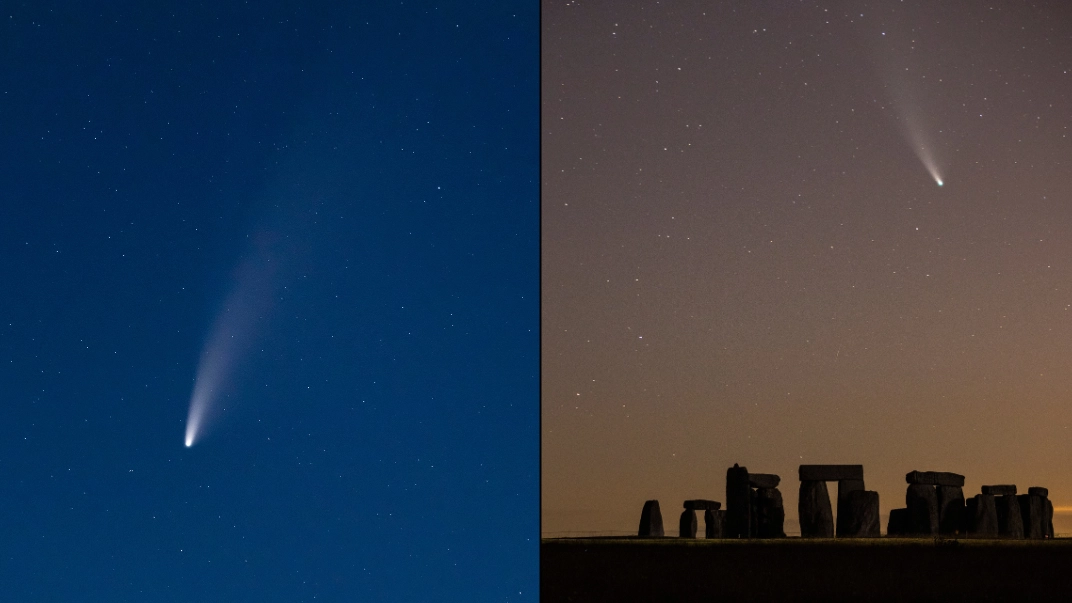
‘Comet of the century’ that has been in orbit for 80,00 years set to be visible from Earth within days

It's not often you see a comet that was last visible during the Stone Age.
But in a matter of days, comet C/2023 A3 (Tsuchinshan–ATLAS) is set to light up the skies within the northern hemisphere - and it's expected to be a spectacular sight.
Advert
People first started talking about the comet back in 2022, when it was documented in South Africa, Chile and Hawaii.
At the time, the news caused quite a stir, with predictions reporting that the comet would be visible to the naked eye in September and October 2024. However, as with many astrological events, it wasn't guaranteed and people were warned not to get their hopes up, just in case the comet disintegrated.
But just recently, the comet was discovered once again in the southern hemisphere, meaning that it's actually on track and developing as scientists first predicted, two years ago.
Incredibly, the comet takes 80,000 years to orbit around the solar system. To put that into perspective, the last time it would have been seen above Earth would have been in the Stone Age when humans lived in caves.
So yeah, it's a pretty rare occurrence.
What is a comet?
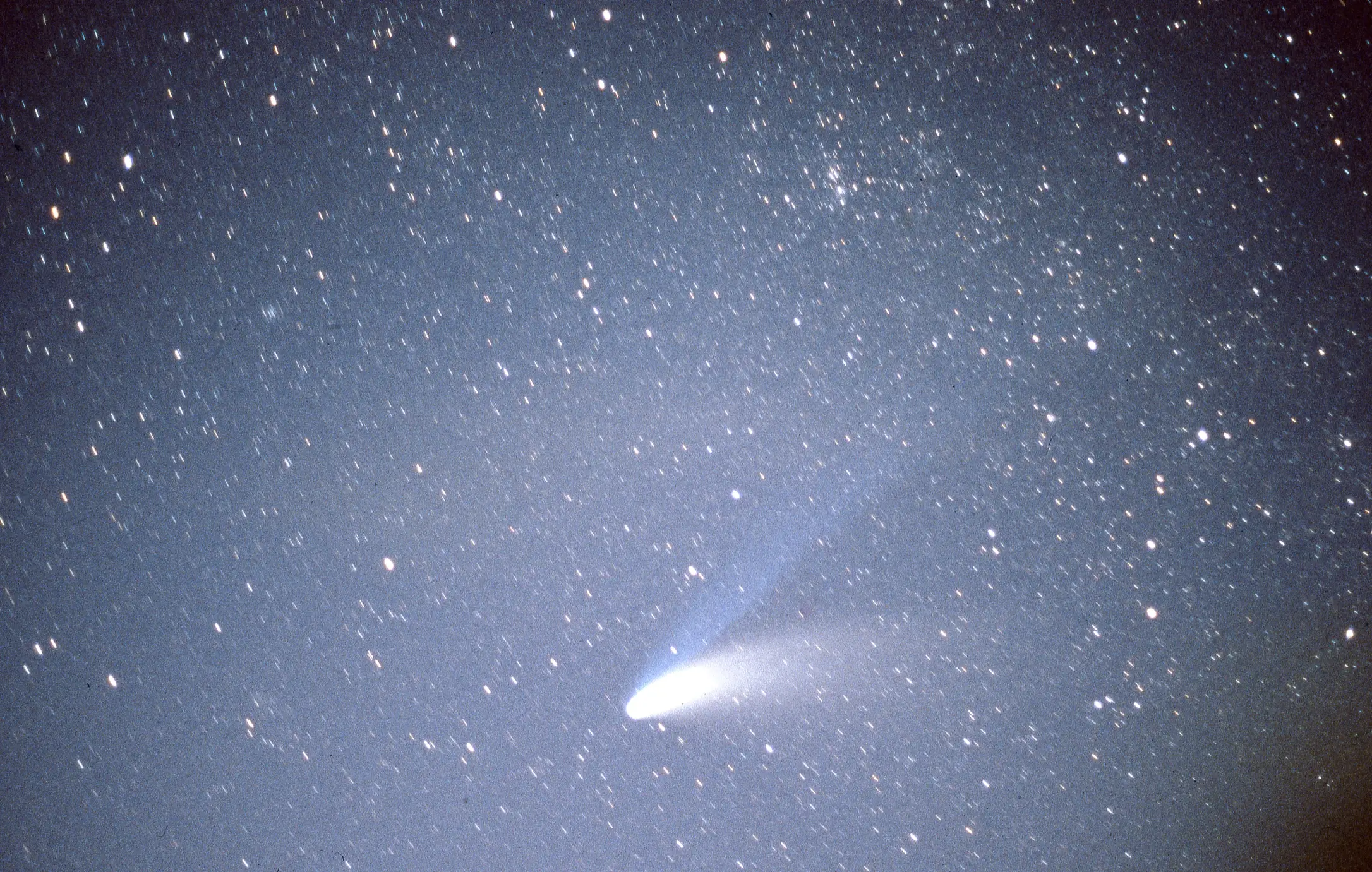
Comets are essentially large objects composed of dust, rock, and ice, with NASA saying they range from a few miles to tens of miles wide.
"As they orbit closer to the Sun, they heat up and spew gases and dust into a glowing head that can be larger than a planet," NASA explain.
"This material forms a tail that stretches millions of miles."
Why is A3 so special?
Being able to see an object that's not been visible since the very dawn of human history is pretty special, so it makes sense that people would be excited.
According to scientists, this comet could be even brighter than the stars, so we should be able to spot it with the naked eye.
Comets are pretty hard to predict, but some are calling A3 the 'comet of the century' due to its expected brightness.
When can we expect to spot it?
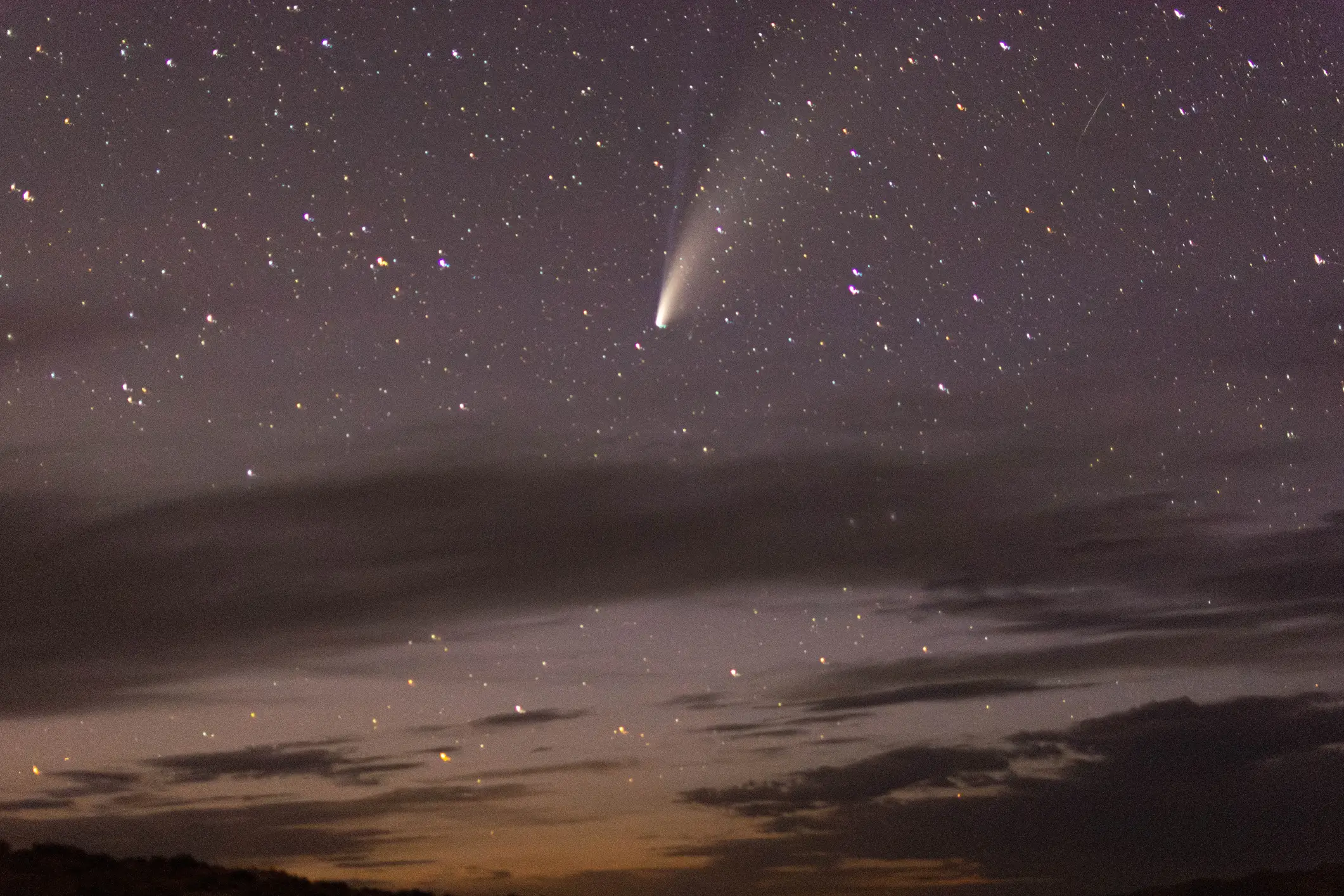
The best time to spot the comet will be in mid October in the northern hemisphere. However, it may be bright enough to view in late September, just before sunrise.
It's expected we'll lose sight of the comet in early October as it will be passing close to the sun, however it should return a few days later.
Over on Facebook, photographer and stargazer, Wil Photography, warned followers to try and get a glimpse of the comet, as it potentially won't be visible again.
"Massive Comet soon to visible in our skies," he said. "It’s been 19 months since I first mentioned a newly discovered Comet - Tsuchinshan Atlas c/2023 A3.
"All things going well it will be visible in our night skies within weeks reaching peak brightness around October 12th.
"Bright comets are pretty rare but this one has a lot of astronomers and photographers excited as it could be one the brightest in many many years surpassing the famous Hale-Bopp in 1997."
Wil continued: "This should be visible for 1 month and even observable during the day.
"In about 2 weeks as long as it survives (predicted to) it will emerge from behind the Sun and it should be a spectacular sight, and everyone should try and see it as potentially won’t come back again."
At its peak, A3 will be located relatively high above the horizon during the evening.
Topics: Space, Science, World News
 Lucy Devine