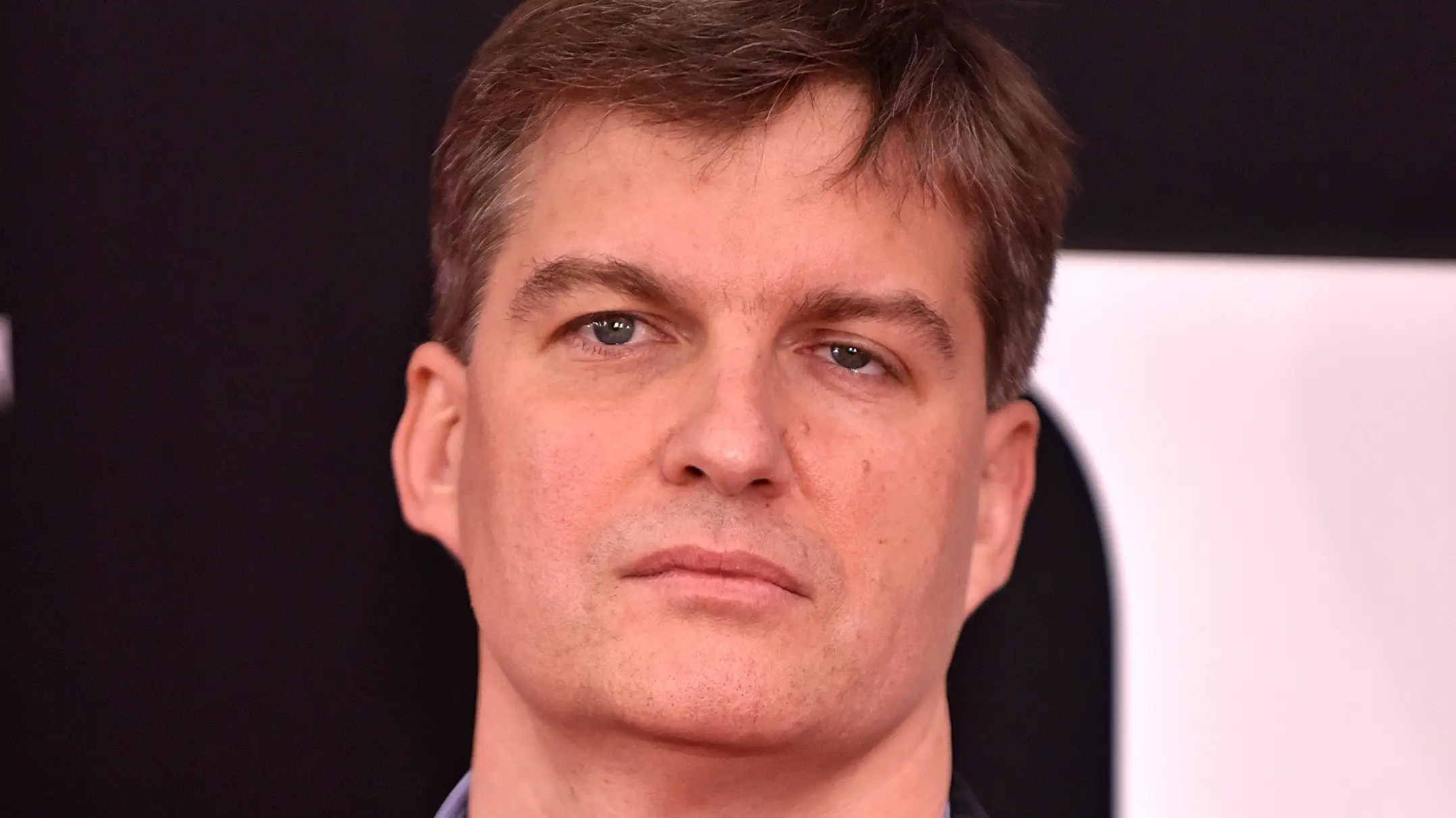
Michael Burry from ‘The Big Short’ defends £840 million bet on event that will devastate the world economy

Michael Burry has defended his £840 million ($1.1 billion) bet against the growing artificial intelligence bubble.
Burry, an investor who achieved notoriety after warning about the US subprime mortgage crisis ahead of the 2007 crash - an event which led to the 2008 global recession - with his predictions becoming the subject of biographical comedy The Big Short starring Christian Bale, Steve Carell and Ryan Gosling.
He made headlines again earlier this year after placing the gigantic bet against the growing AI bubble, an event which would devastate economies worldwide if it were to happen.
Burry's criticism of the artificial intelligence industry has repeatedly been met with backlash, prompting the 54-year-old to defend his beliefs on social media.
Advert

Taking to X, Burry continued his tirade against the AI boom and compared OpenAI to Netscape, a popular web browser used in 1990s which later lost relevancy to Microsoft.
"Everyone that knows anything knows this," he wrote. "OpenAI is the next Netscape, doomed and hemorrhaging cash, Microsoft is trying to keep it afloat while keeping it off balance sheet and sucking out the IP.
"So why do they keep getting funded? The whole industry NEEDS a 500 billion IPO [Initial Public Offerings] ASAP."
He later went on to add that raising $60 billion (£45.1 billion) in cash would not be 'near enough' to keep the company afloat.
Burry's latest warning about a potential collapse in the AI bubble comes just a month after he placed a bet against software company Palantir and chipmaker Nvidia, both of which are businesses that develop artificial intelligence.
He previously appeared to make an ominous reference towards an AI bubble back in October, sharing an image of Bale playing him in The Big Short alongside the caption: "Sometimes, we see bubbles. Sometimes, there is something to do about it. Sometimes, the only winning move is not to play."

He also defended several of his previous market predictions over the years, sharing screenshots and links to claims he made which turned out to be true.
"The first half of 2021, I made some noise and news on a number of bearish calls - TSLA, GME, Bitcoin, Robinhood, the Nasdaq 100," he tweeted, going on to say that numerous outlets often cite this prediction to discredit him.
"But history proves differently," he continued.
"This is roughly what they did from that early 2021 time to early 2023, when in the middle of the banking crisis I said I was not seeing true danger and it could resolve quickly.
"To look back at those calls 5, 10, years later - any short call - is ridiculous. You really think any short seller holds those positions for 5, 10 years?"
Topics: Artificial Intelligence, AI, Money
 Brenna Cooper