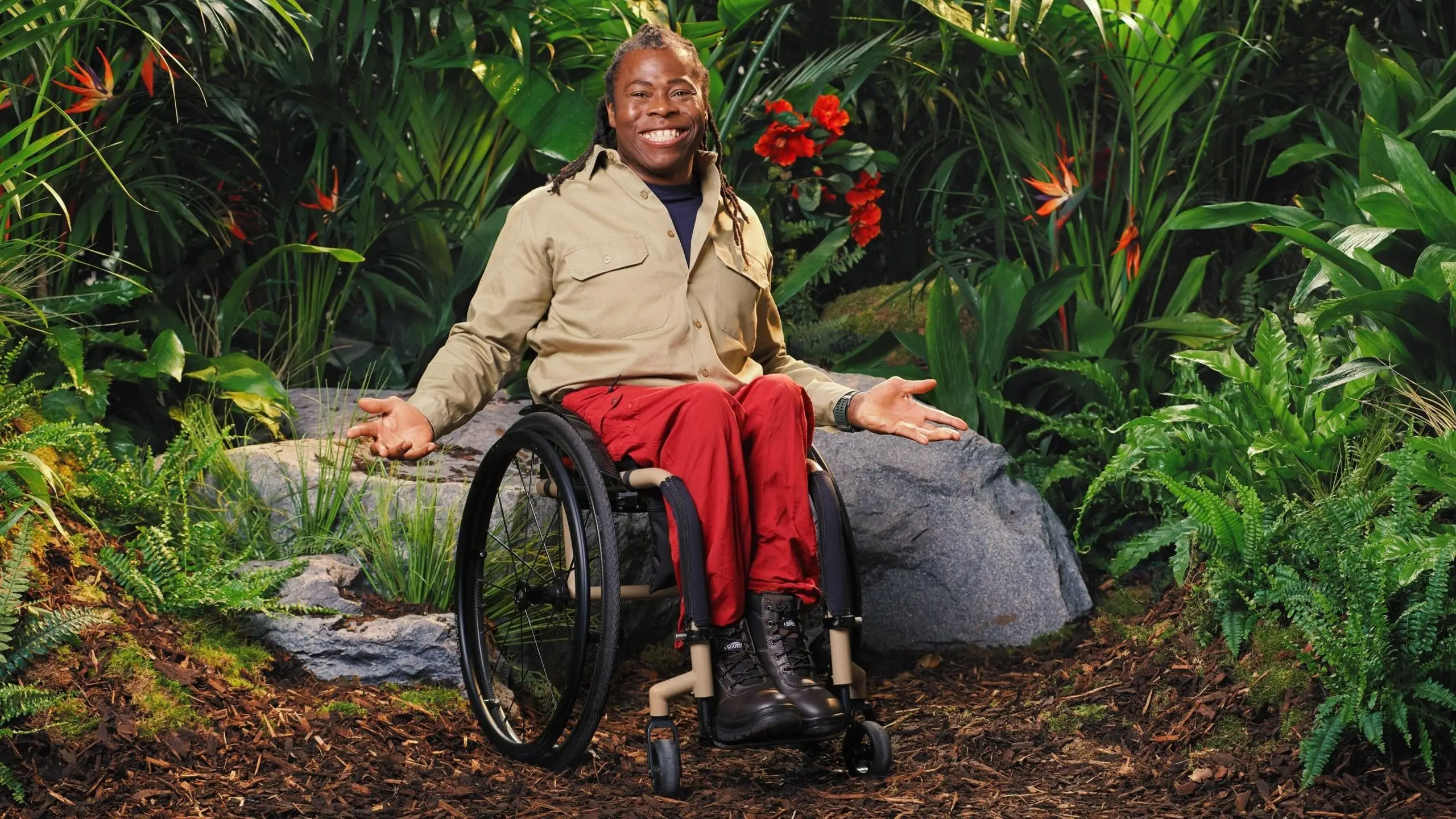
Patrick Stewart's body underwent water cremation days after death, here's how unusual process works

Star Trek star Sir Patrick Stewart underwent water cremation following his death at the age of 86, according to reports.
The Yorkshire-born actor passed away on 28 October and is said to have been laid to rest days later through a process that is formally known as alkaline hydrolysis or aquamation.
It's touted as a more eco-friendly method of cremation and has been described as being 'much more pleasant' than the alternative.
Stewart, who was renowned for his role as Captain Jean-Luc Picard in Star Trek and Professor Charles Xavier in the Marvel Cinematic Universe, sadly died last month.
Advert
His loved ones announced that he had passed away at his home in Los Angeles 'following a brief and poignant journey with Alzheimer’s Disease and Lewy body dementia'.

Dementia with Lewy bodies is one of the most common types of dementia and currently has no cure, it typically develops slowly and gradually worsens over several years. It impacts thinking, memory and movement.
A poignant statement shared by Stewart's family read: "He has been held in the warm embrace of family and friends, surrounded by live music, prayers, tears, laughter and the kind of profound emotion that only he could inspire after a lifetime of devotion to all of us. We will forever cherish the peaceful ease and reflection on his face, an enduring reminder of his invincible grace."
It concluded with a tear-jerking quote from his 2023 memoir Making It So, in which the film legend said: "Like me, Jean-Luc has lived an unusual life that has taken him far beyond the bounds of normal human experience.
"But he is also someone who has remained true to his earthbound roots, for they are what gave him his identity. In the end, he feels the call of home, as do I."
What is water cremation?
TMZ has since reported that Stewart was laid to rest on 3 November via the process of water cremation, after the outlet obtained a copy of his death certificate.
This intricate process uses water, alkaline chemicals, heat, and sometimes pressure and agitation, to break down human remains, according to the Cremation Association of North America (CANA).
It explains that the decomposition that occurs 'is the same as that which occurs during burial, just sped up dramatically by the chemicals'. No tissue and no DNA left after the process is complete.
Those who opt for this method of cremation are placed inside of an air and water-tight chamber which can hold up to one hundred gallons of liquid, CANA explains.
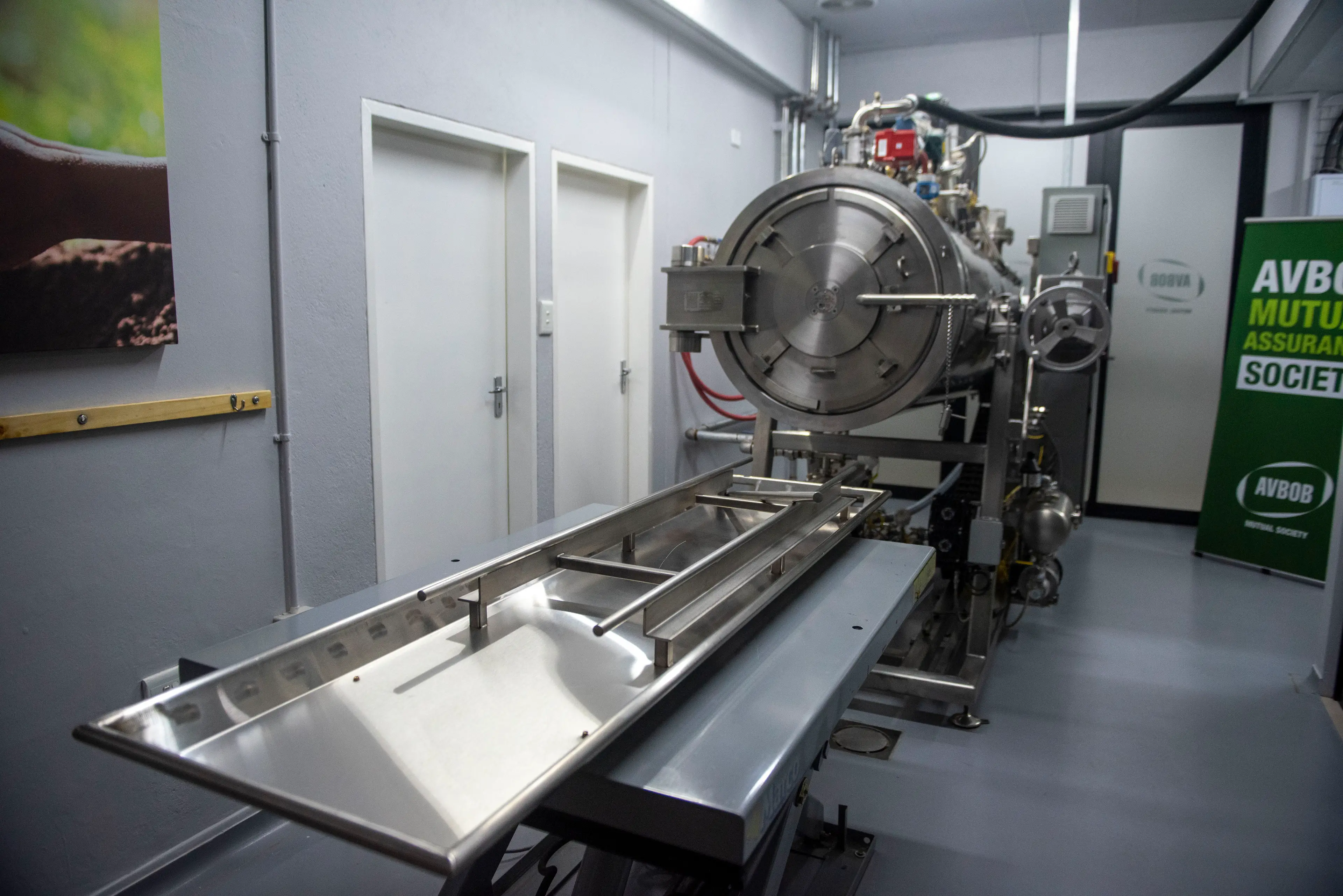
"The deceased is placed into the single chamber which is then sealed," it states.
"Sex, body mass and weight of the deceased determine the amount of water and alkaline chemicals combined to form a solution which fills the chamber.
"The contents may be subjected to heat, pressure, and/or agitation to ensure proper cremation.
"This process may take three to sixteen hours depending on equipment and body mass."
Rather than ashes, a body is reduced to bone fragments which appear 'pure white' in colour. These are then dried before the pulverisation process.
Why people choose this method
"The process results in approximately 32% more cremated remains than flame-based cremation and may require a larger urn," CANA adds. "Just like flame cremation, fat and tissues are converted to basic organic compounds. In alkaline hydrolysis, the harmless compounds formed include salts and amino acids, and are released with the water. This effluent is far cleaner than most wastewater."
Water cremation is considered as a gentler and more environmentally friendly method, as it uses a lot less fuel than traditional cremation or a burial.
Engineer and Harbourview Electric Ltd boss Stan Hussey previously helped produce a water cremation machine and told Castanet News in 2024 that it is a 'much more pleasant' way to say goodbye to a loved one.
He explained that the remains that are produced are 'pretty much pure white and very soft', adding: "So that would be dried and presented to somebody who wants the remains."
Topics: Celebrity News, X-Men, TV and Film
 Olivia Burke