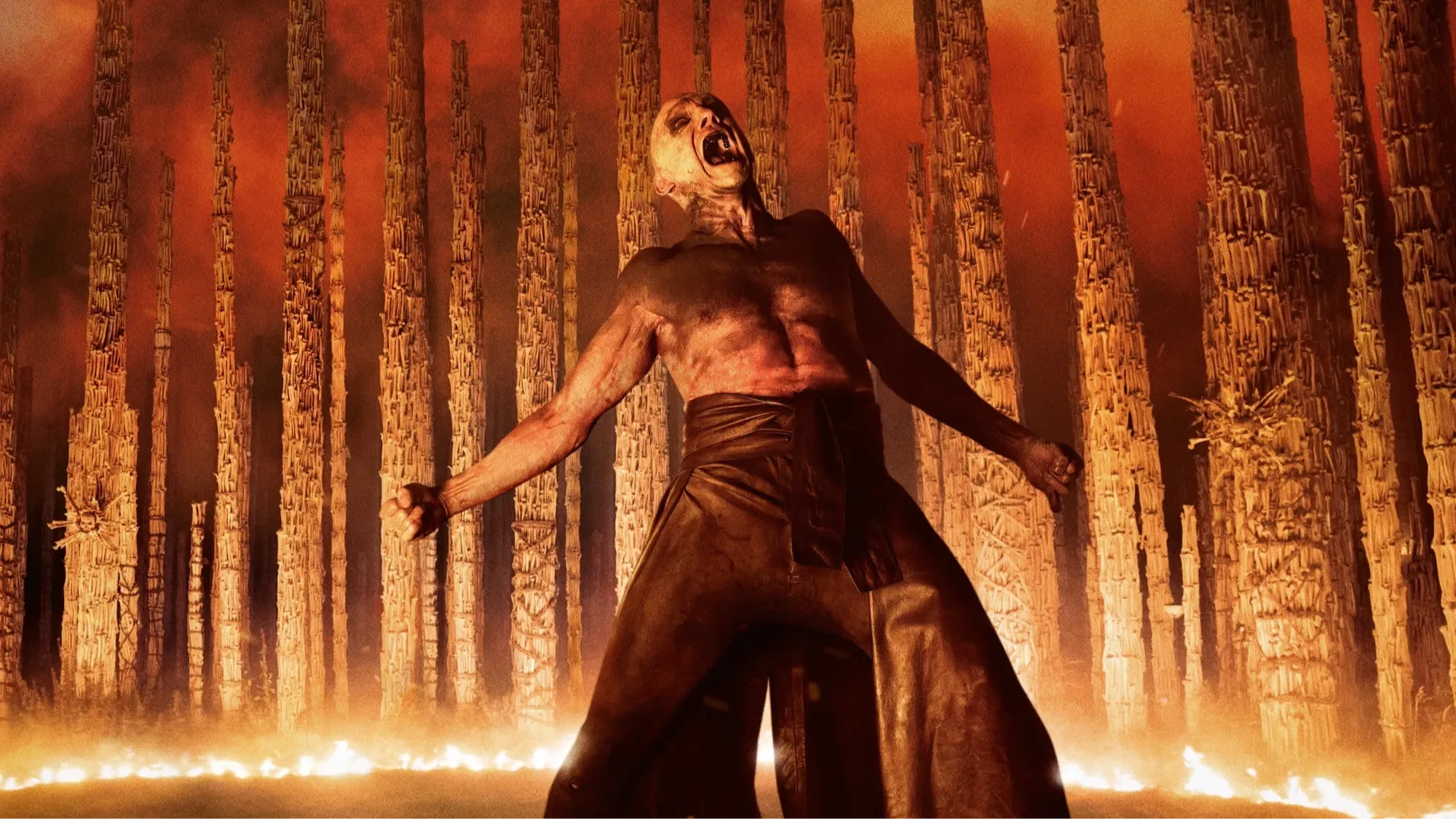
How 28 Years Later: The Bone Temple changes everything we know about the infected

Here is how the latest 28 Years Later sequel, The Bone Temple, changes everything we know about the infected.
When Danny Boyle and Alex Garland's released their 2002 classic 28 Days Later, we were introduced to a whole new class of 'zombie', with a rage virus which locks people in a state of permanent and uncontrollable rage.
Permanent rage. Or at least that's what we thought.
Like most pathogens, the rage virus is evolving, with last year's sequel 28 Years Later introducing us to the 'alpha infected' humans, equipped with both heightened intelligence and rage.
Advert
This concept is explored further in Nia DaCosta's sequel 28 Years Later: The Bone Temple through the relationship between Ralph Fiennes' Dr Ian Kelson and the alpha he nicknamed Samson (Chi Lewis-Parry) – and it's safe to say their interactions are game-changing for our understanding of the infected.
Warning: This article contains spoilers for the ending of 28 Years Later: The Bone Temple
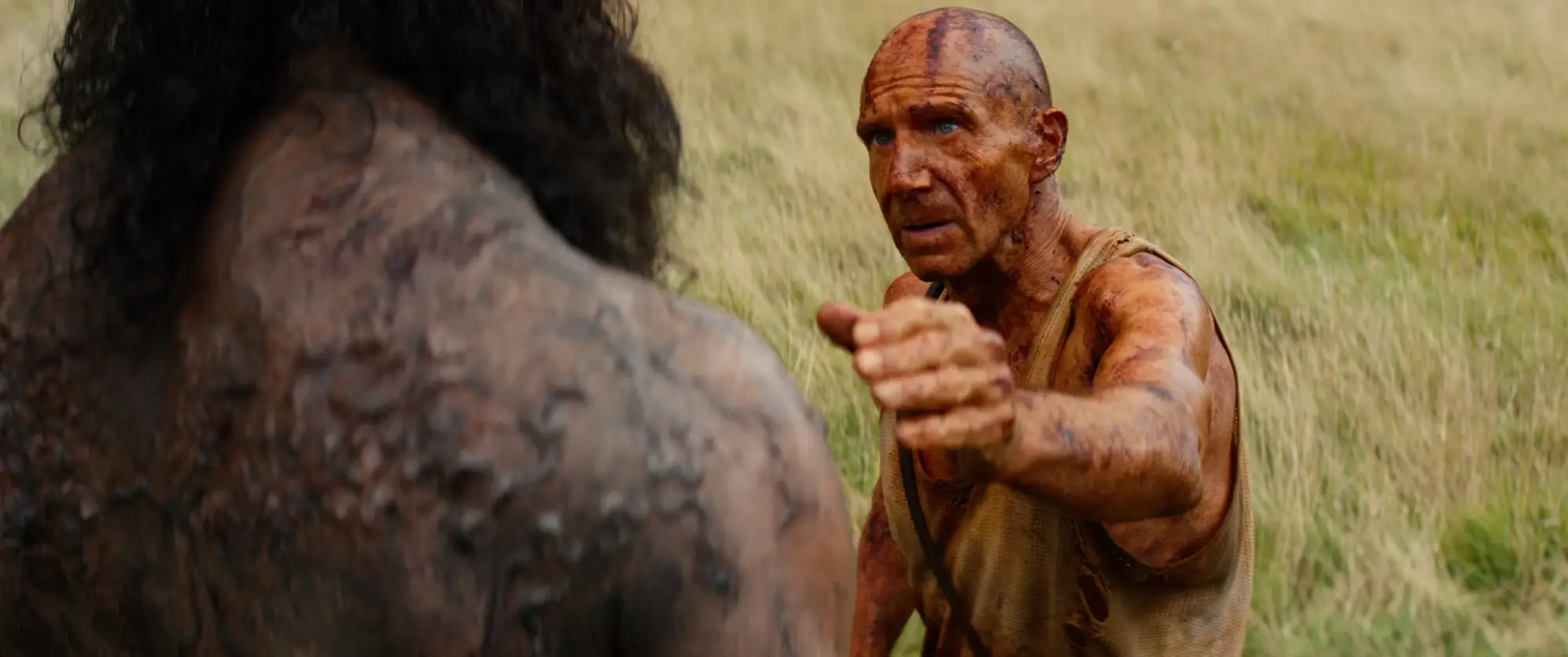
Early on in the film we see that Samson is now a regular visitor at Kelson's bone-filled sanctuary, having associated the doctor with the relaxed state he feels from the morphine darts.
Samson's newfound opium dependence allows the pair's encounters to blossom into an unconventional friendship, with Kelson building enough trust to clean Samson's wounds, dress him and deepen his medical understanding of the rage virus changes the brain. The pair are even able to share a brief dance together, soundtracked to Duran Duran's 'Rio', displaying the doctor's curiosity and empathy towards the infected world around him.
However the turning point comes when Samson manages to speak for the first time, uttering the word 'moon' while gazing up at the sky and confirming Kelson's assumptions about how the rage virus alters a person's mind to be correct.
Now confident in his assertion that the infected attack the uninfected due to symptoms of psychosis, Kelson doses Samson up with various antipsychotic medications. And the effect is game-changing.
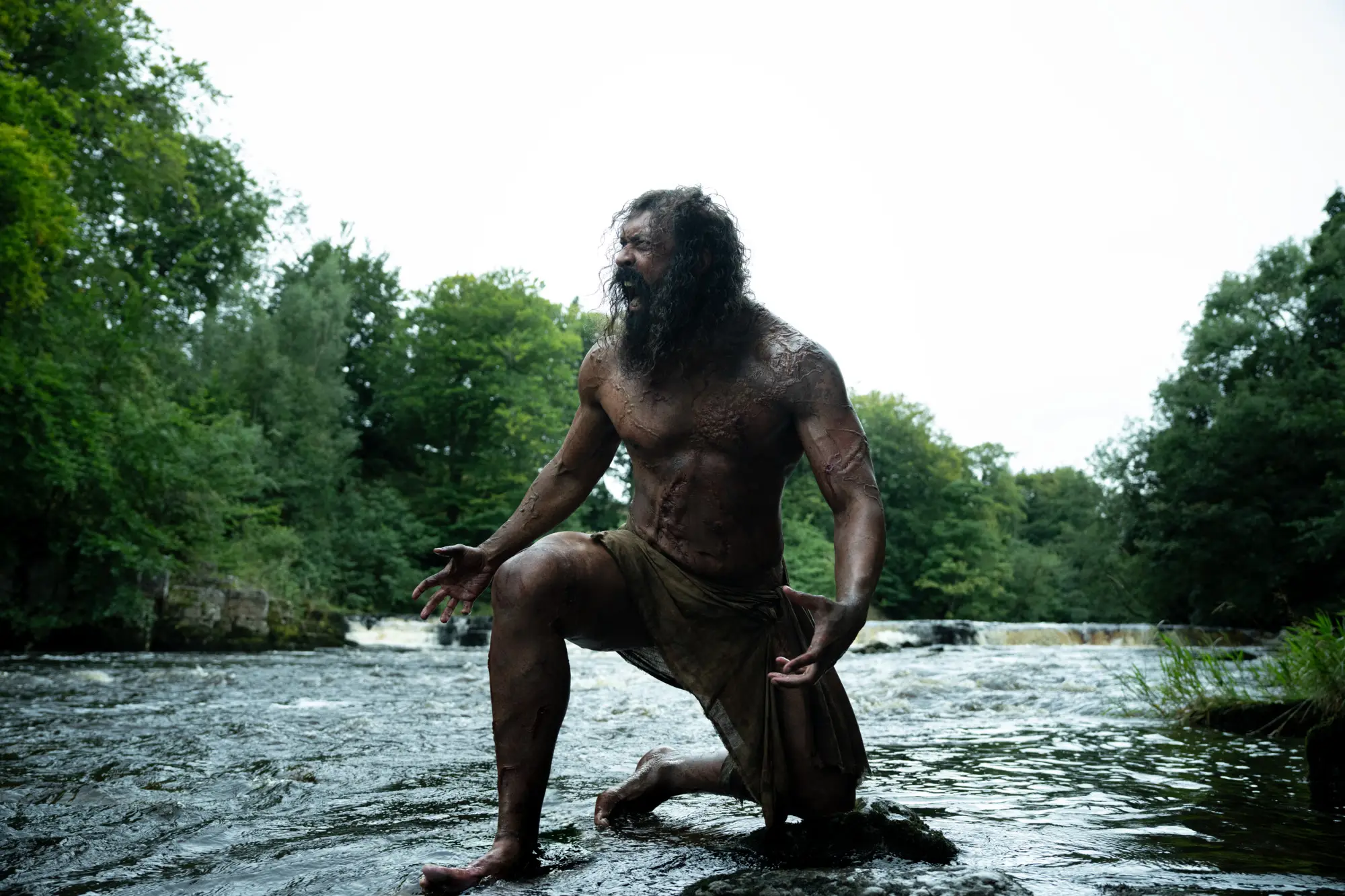
Dosed up on antipsychotics, Samson is able to regain memories of his life before infection. Retreating to a nearby train carriage, Samson hallucinates a memory of travelling as a teenager, his final moments before becoming infected, even mistaking another infected person for a ticket conductor.
What's also crucial is that Samson's altered state is picked up on by the other infected, who now see him as an 'other' and attack.
The clarity sticks with Samson long enough for him to thank Kelson, who has been stabbed by Sir Jimmy Crystal and now bleeding to death, for his help before carefully carrying his body away.
So is Samson cured of the rage virus?
The use of medication to first subdue and then treat Samson's symptoms leaves viewers with numerous questions about what this means for the infected going forward.
Is Samson now cured of the rage virus – or will his symptoms return? And how does this translate to treating the rest of the infected rampaging around Britain.
It's one which both Fiennes and Lewis-Parry believe could be essential to the franchise moving forward.
"I think that's pivotal," Lewis-Parry previously told LADbible.
"I guess it's really important, it shows there's hope, we just need to give due care and give things a chance."
The gravity of Samson's character development is one which has been heavily debated online. "Each time seeing Kelson, the rage in Samson's eyes slowly faded away," noted one viewer on Reddit, calling his character development 'so natural'.
Meanwhile others have wondered whether or not Lewis-Parry's character will now become an unconventional ally to Spike, Kelly and Cillian Murphy's Jim or if his ending will be a more tragic one.
Lewis-Parry may have said Kelson was the 'most important' character in the franchise so far, but I'd argue that Samson could be pivotal to the trilogy's final film.
28 Years Later: The Bone Temple is now out in cinemas.
Topics: 28 Years Later, Film, Entertainment
 Brenna Cooper