GTA 6 warning to couples as experts reveal ‘concerning risk’ of game damaging your relationship and signs to look for

A Grand Theft Auto VI warning has been issued by relationship experts over fears the release of the hotly anticipated game could cause a rift between 'jealous' partners.
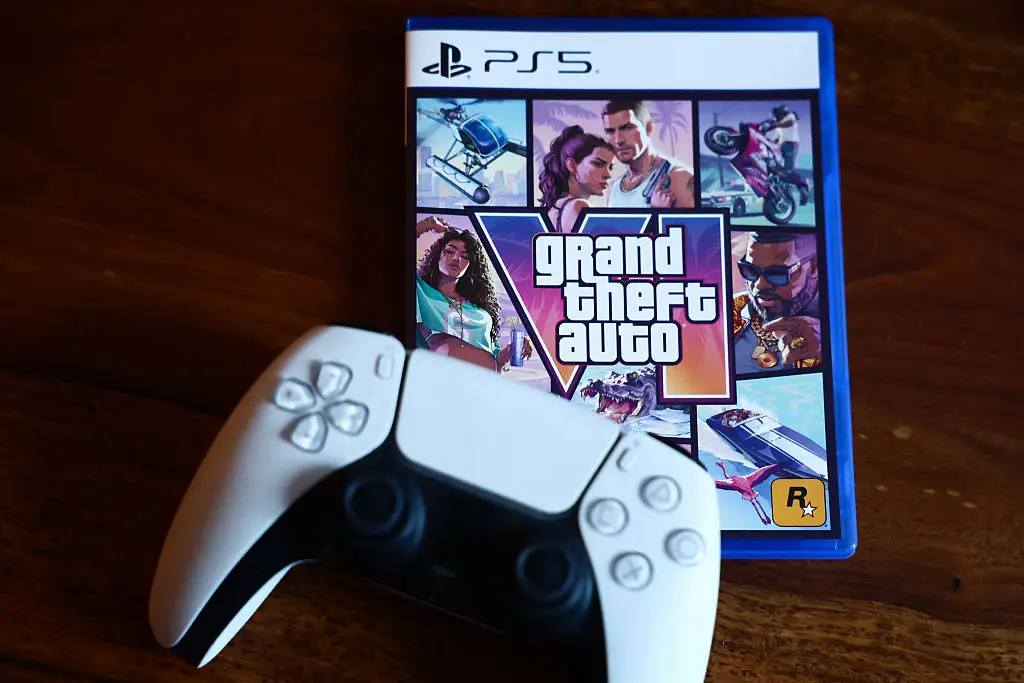
The game, which drops in the UK on Thursday (19 November), is expected to be played by more than a third of UK adults (37 percent) according to figures from Novuna Personal Finance. Fans of the game have waited 13 years amid two delays for the game's release.
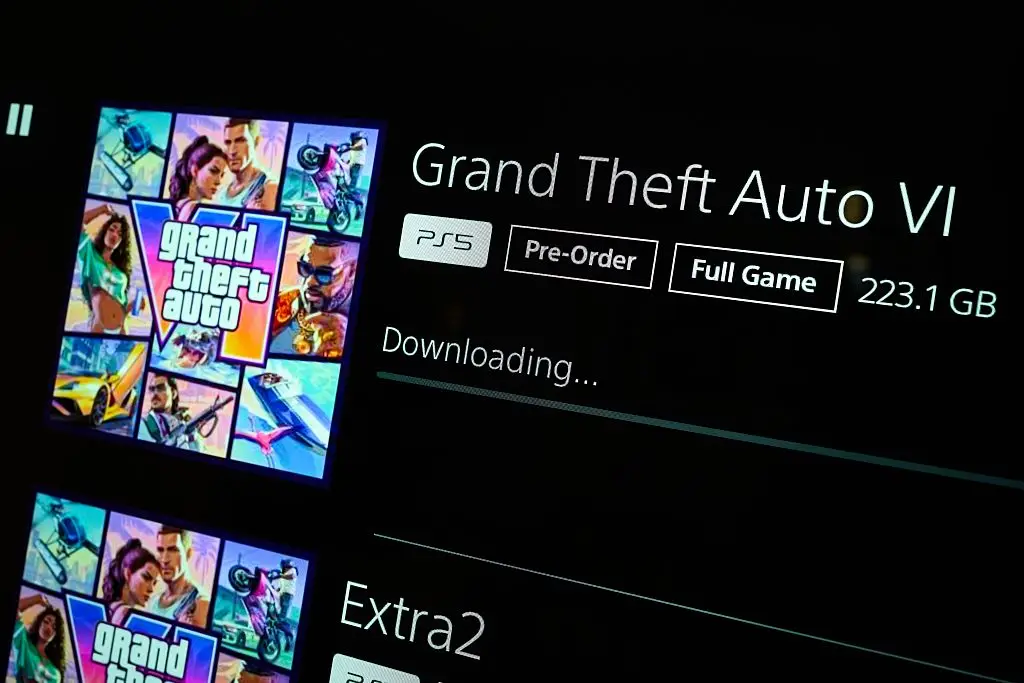
Broadband firms are said to be preparing for a surge in demand after the game broke broadband records with pre-loads alone last week, ahead of the release at midnight on November 19. Virgin Media O2 saw its highest-ever daily data volume last Tuesday.
Advert
GTA 6 is expected to be one of the biggest gaming launches of 2026, with fans going to extreme lengths to prepare for its arrival and reviews hailing it 'well worth the wait'.
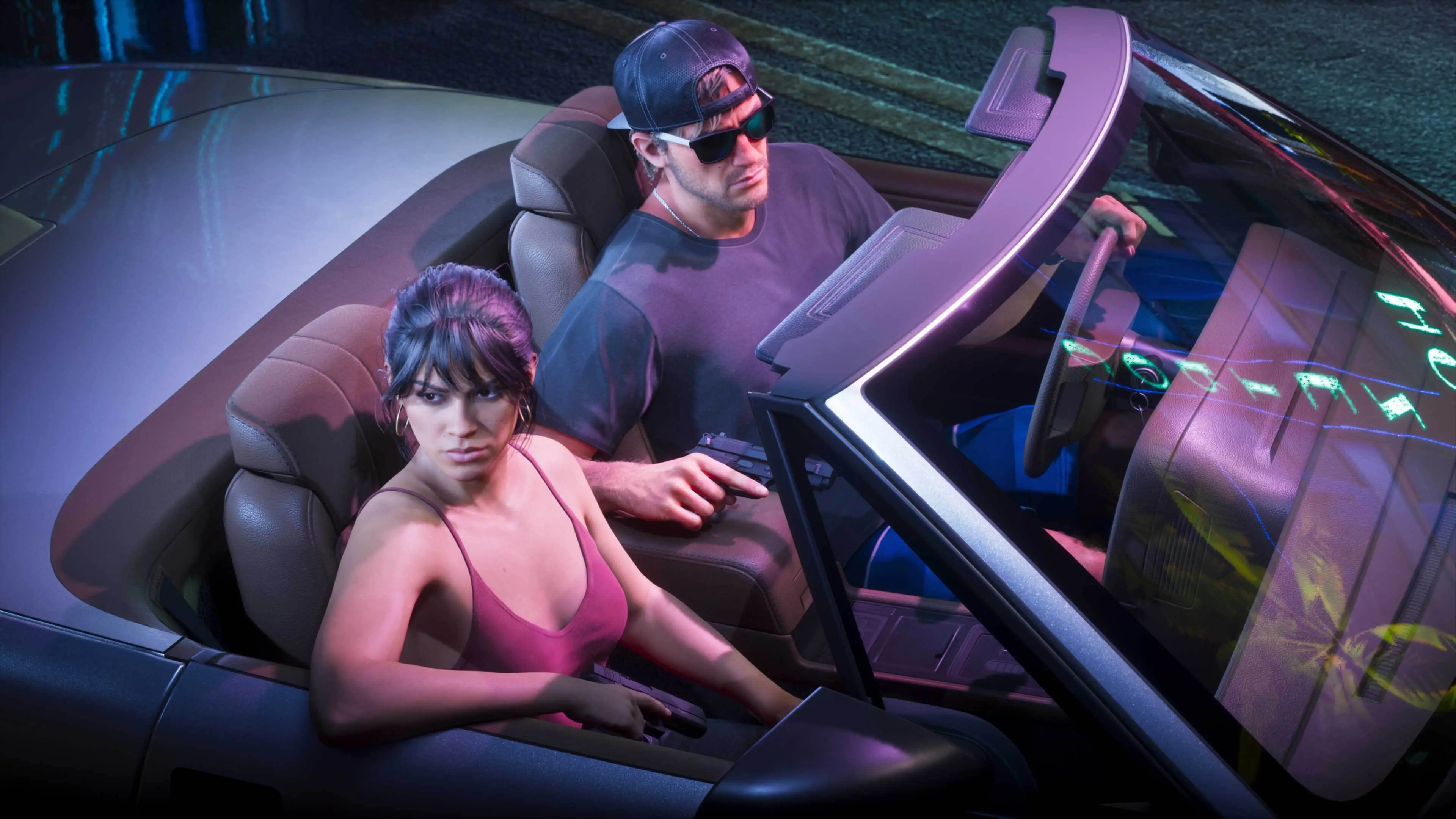
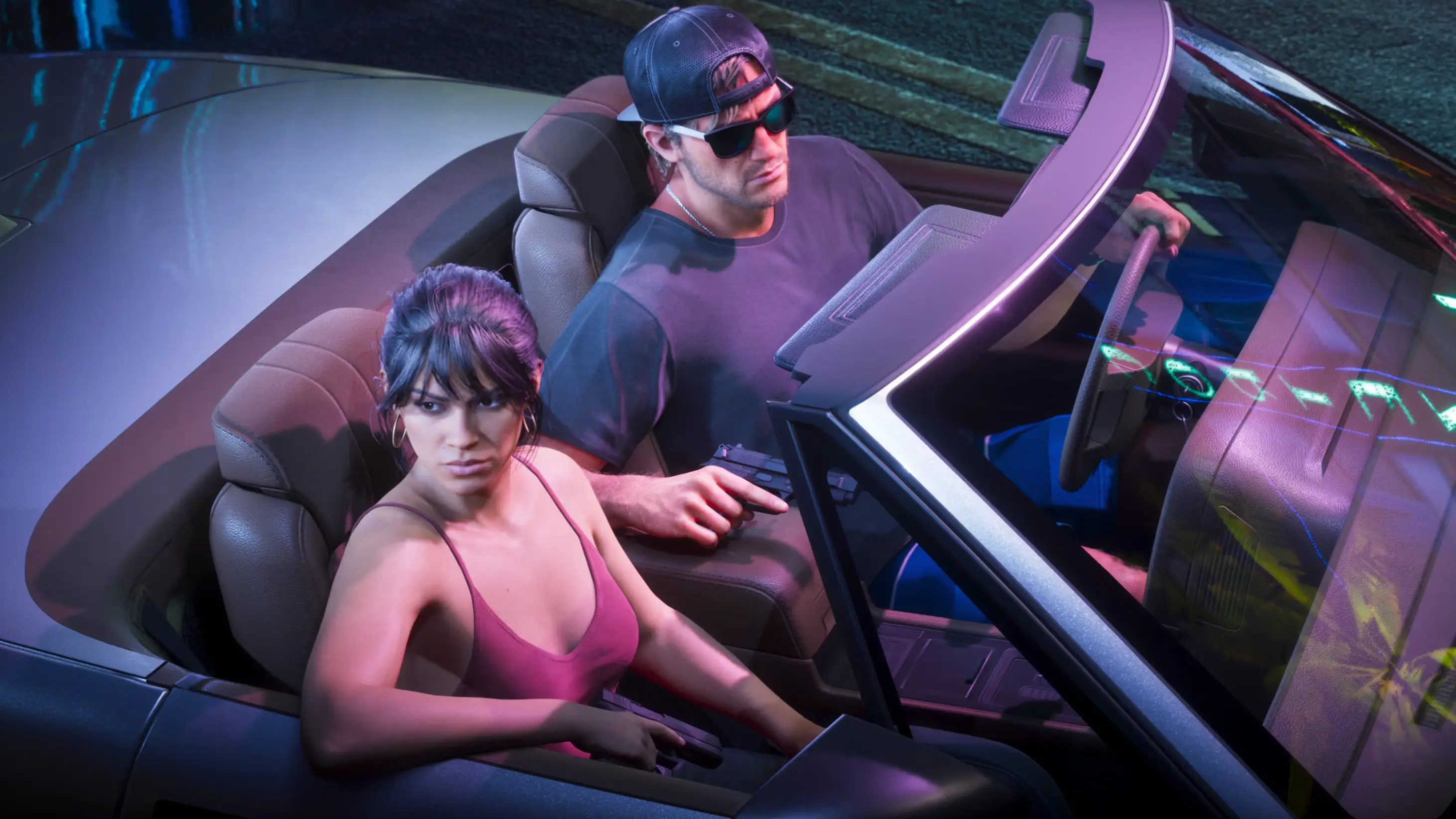
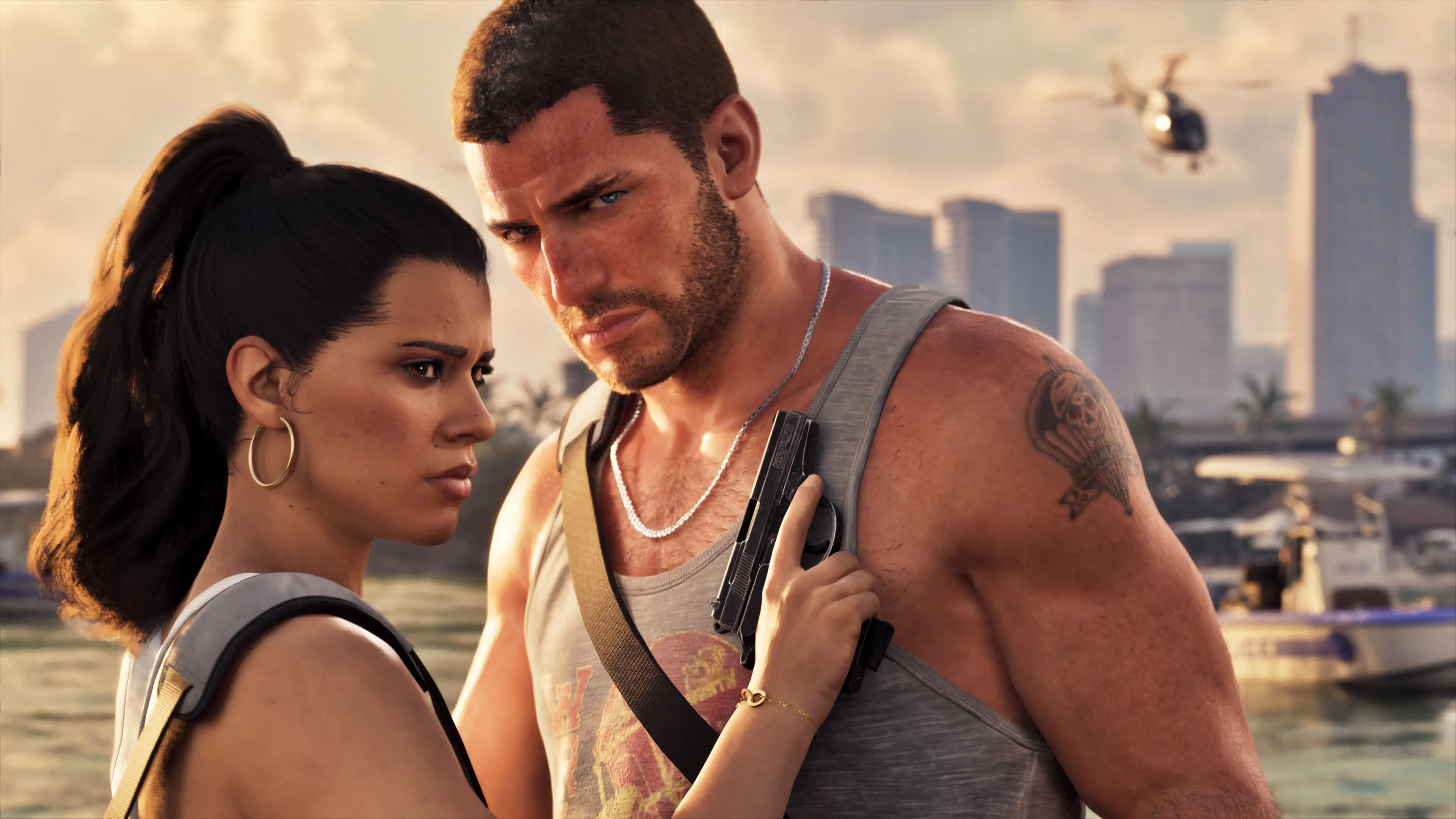
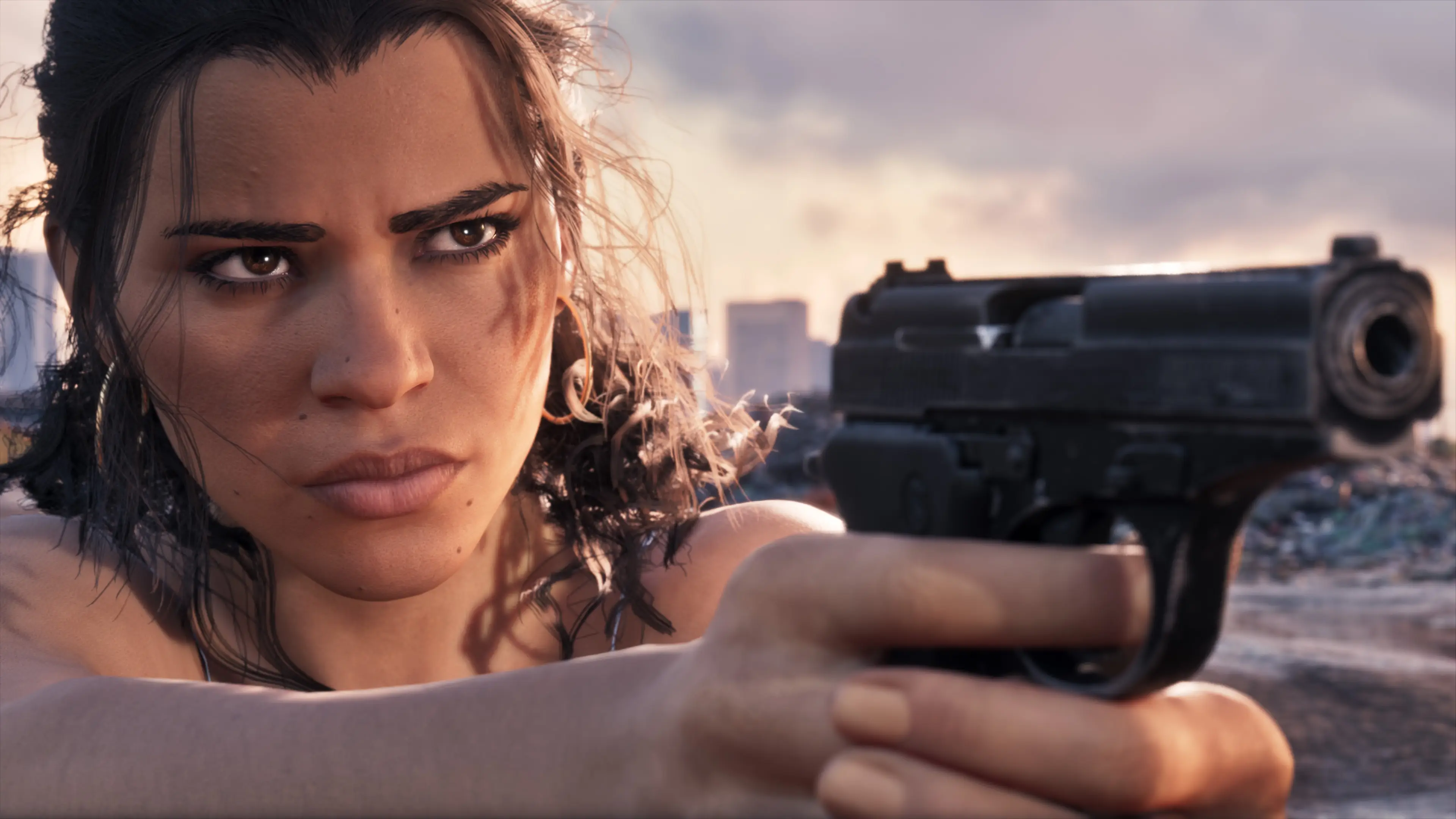
The action returns to the streets of Vice City, Rockstar’s fictional version of Miami, which has featured in previous instalments of the series. The game follows two protagonists, Jason Duval and Lucia Caminos, who find themselves caught up in a criminal conspiracy in the fictional state of Leonida, inspired by Florida.
However, with anticipation for the game at a high, experts have revealed how GTA could actually cause some issues between partners, particularly due to jealousy, and how to tackle it.
It comes after Walty created a specialised 'neglect' helpline aimed at women offering advice and support to those who fear they could be 'losing their men to Lucia Caminos'.
The game itself may not be the problem
Speaking to LADbible, Christian Bumpous, a licenced psychotherapist and the founder of Therapie, which offers coaching, has shared what the 'concerning' signs are that the new game is infiltrating on a real-world relationship.
"I tend to search for patterns rather than a one-off situation," he explained. "In my couples work, I pay particular attention when a couple starts talking about plans getting pushed back “until I finish this mission”, conversations that happen while half a partner’s attention is glued to the screen, and if the playing partner gets irritated when they’re interrupted."

|It’s also concerning if the game becomes the primary way to wind down for one partner and starts replacing other routines or shared downtime.
"The game itself isn’t necessarily the problem. The trouble starts when the game or any third thing fights for the partner’s attention and quietly starts replacing connection time."
Discussing the chance of 'jealousy' creeping in, Bumpous explained its not usually direct attraction to a CGI character, but rather the comparison of attention between the other partner, and the game.
However he says not raising it with your partner is 'dangerous'.
"It’s pretty likely, though I wouldn’t say this is due to Lucia and her attributes in particular," he said. "Most partners can certainly distinguish between a real person and a fictional character.
"What really starts to get in the way for the non-gaming partner is the comparison of attention. It’s not uncommon for me to hear some version of 'you have hours for her and just minutes for me.'
"Another dangerous pattern I’ve seen is that the non-gaming partner feels silly for having these feelings.
"Because of the embarrassment, they stay quiet and don’t bring it up to the gaming partner. This is dangerous and a breeding ground for resentments that will come out eventually."

When there is a problem as 'red flags' emerge
Sharing 'reg flags', he continued: "I’m less concerned about the total hours spent playing the game but more about what impact the game has on the rest of the person’s life and relationship.
"Signs to look out for are repeatedly canceling plans and not giving the non-gaming partner the attention they deserve.
"It’s a big red flag if the non-gaming partner stops asking for time because they already expect a no. If the couple can’t discuss the topic without raised voices and defensiveness, something is afoot.
"There is a problem as soon as one of the two partners raises their hand and says, “We have a problem.” If the non-gaming partner feels disconnected, it doesn’t matter what the gaming partner thinks. Once one partner has an issue, it’s an issue for the relationship. Full stop.
|The biggest advice I give couples is to communicate and collaborate. If one person comes up with a plan, it won’t be followed up on. Instead, have a conversation and agree on gaming windows together.
"Make space for the relationship by factoring in and scheduling couple time. Even a small daily ritual of 15-20 minutes without phones, screens, or games can make a big difference.
"Once the boundaries are established, allow the gaming partner to reach a natural stopping point instead of pausing mid-session."
Jealousy is 'completely understandable'
Meanwhile, Gemma Nice, a certified sex and relationship coach touched on how jealousy for non-playing partners is likely - but entirely normal.
"The chance of jealousy creeping in is very high, and it’s completely understandable. Unlike watching a movie or having a harmless celebrity crush, video games create an illusion of interactivity," she told LADbible.
"Players are actively controlling Lucia, making decisions with her, and navigating scripted dialogue, which triggers dopamine and serotonin which are our feel-good bonding hormones.

"When a real-life partner sees their other half investing hours of focus, excitement, and emotional energy into an attractive, predictable character while leaving them feeling ignored on the sofa, it naturally triggers feelings of inadequacy and jealousy."
She added: "Heavy gaming creates a massive negative mismatch within the household. While one partner is buzzing from the adrenaline and dopamine high of the game, the other partner is winding down and craving warmth and presence.
"On top of that, scripted game characters offer a safe zone with zero real world friction or vulnerability which can make a player impatient or disconnected when faced with the messy, unpredictable emotions of a real-life relationship.
"This can happen especially if you feel left out or are vulnerable through unhealed trauma."
Topics: GTA, Gaming, Technology, UK News, Originals
 James Holt