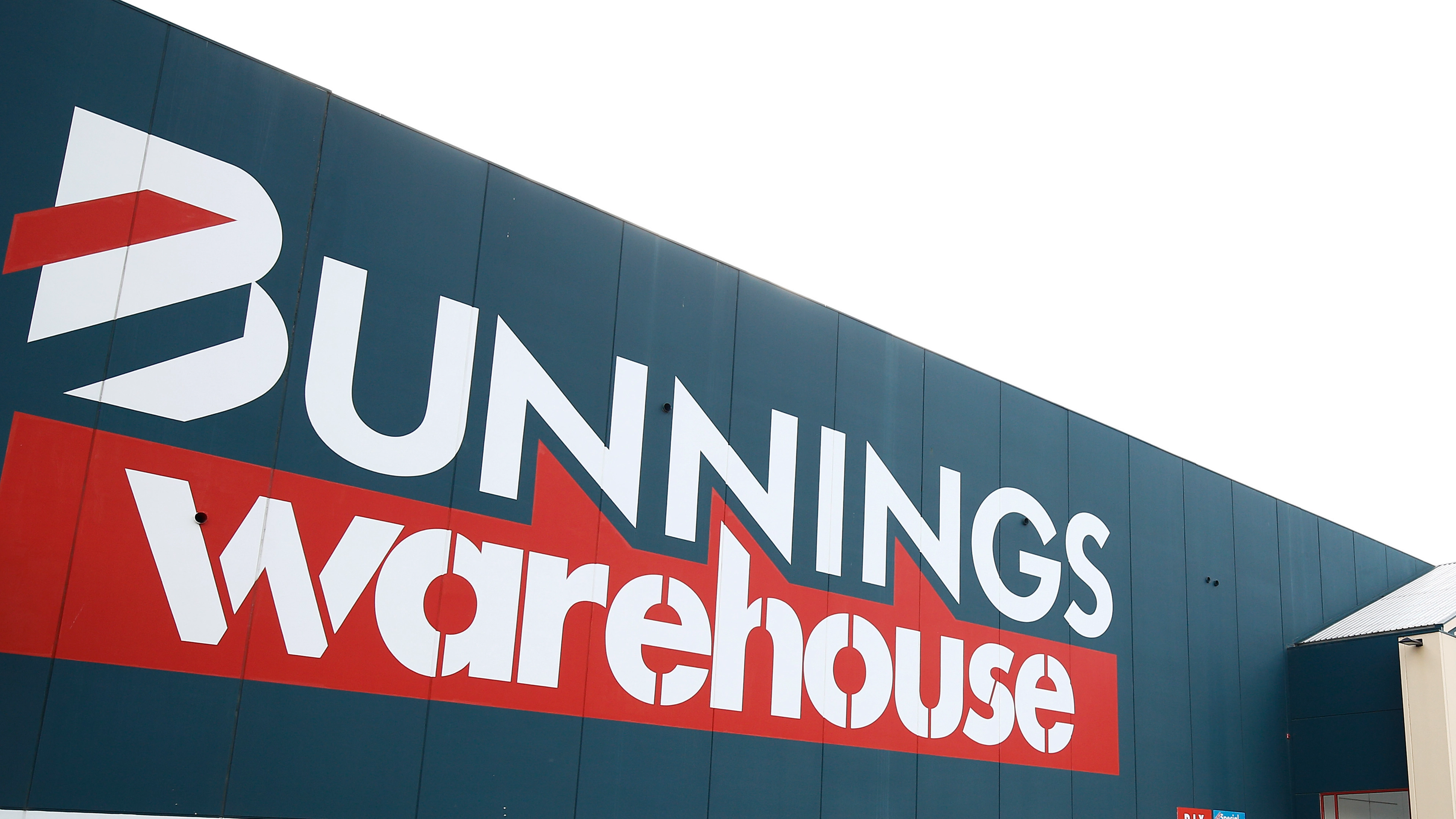
What So Not says the Bunnings Rave doesn't have to be just a meme

The live music scene in Australia is in trouble.
With the financial hangover caused by the devastation of the pandemic, and the rising cost of living, more artists are struggling to be able to justify the cost of touring. And everyone in the industry is feeling it. APRA AMCOS reported in 2023 that, since the start of the pandemic, more than 1,300 live music venues and stages across Australia have closed.
On top of that, we’re seeing legacy festivals—once the backbone of the country’s music scene—fall by the wayside. Splendour in the Grass, Spilt Milk and Groovin’ The Moo are just some of the once-legendary names that weren’t able to go ahead this year, and the festival calendar looks almost completely barren.
Festivals and live music played such a formative role in my late teens and early 20s. I remember happening to catch a (then) small Melbourne band called Northeast Party House support The Jungle Giants at the (now closed) Newcastle venue The Cambridge Hotel when I was 18, and the obsession was swift and unwavering. Over a decade later, I’m still obsessed and have watched them grow from strength to strength.
Advert
It destroys me that young Australians are being deprived of having those same experiences. Whether they can’t afford it, don’t want it or have nowhere to experience it, the magic of live music is being de-prioritised here when it was once so full of life.
So imagine my surprise when audiences showed vested interest in a rave at… Bunnings Warehouse.
The idea was, perhaps jokingly, first floated by producer Kaila, who remixed Bunnings’ iconic jingle.
Producers from all around the country, like Peking Duk, and even the social media account of Bunnings itself were on board. Cut to this month, and the rave is confirmed to go ahead at Bunnings Preston, VIC, on Saturday, August 31. And it’s completely sold out.
Why is the Bunnings Rave important?
But, What So Not—real name Chris Emerson—was the idea’s biggest champion, and he spoke to me about what the Bunnings rave actually represents.
“It’s a gateway for mainstream media and brands to latch onto the ‘Australian Dance Revival’,” Emerson says. Earlier this year he announced his ‘Dance Dance Revival’ tour, where he endeavoured to throw festival-style lineups in clubs around the country, including regional Australia who is feeling the loss of live music especially hard.
“Not only shedding light on the dire state of the music industry, but creating genuinely exciting IRL activations for young Australian musicians to perform & getting the Australian public out of their houses, raving in iconic locations.”
When asked to describe life working in a touring industry in one word, Emerson pulled no punches: “Gruelling.”
“We’re in a catch 22,” he says.
“Running a club right now by default is a ‘risk’—if you’re not shut down already—let alone trying to be daring with a line-up or touring unproven, emerging, international acts.
“Festivals are shutting down, skipping years and downsizing. Production costs are way up, skilled staff are in shortage because many left and gave up on the industry through COVID. Clubs and festivals are struggling to take risks on cool new acts, but then people aren’t excited to go to events because the new exciting things aren’t being booked and championed.”
The hangover of COVID-19 lingers
Unfortunately, COVID-19, which live music was hit particularly hard by, continues to wreak havoc. Just last year, Wild Turkey conducted a survey and found 89% of aspiring Australian artists were struggling to pursue music as a career, and 73% were considering giving it up completely. Many people whose livelihoods were impacted by the pandemic never returned to their jobs, according to Emerson.
“There was a mass industry exodus,” he says, “People simply couldn’t afford to stay in music, production, events, management and agencies. So, they left & never came back.”
But, inspired by the pandemic, Emerson also notes that we’ve lost an entire “clubbing generation” simply because those who would’ve been clubbing during the pandemic couldn’t.
“It feels like a lot of people don’t know how to ‘be’ in a club, a mosh pit, camp in some mud and enjoy it. Nightlife was always the escape from the youthful, anxious nihilism while you work out who you are & what you want to be in life—sometimes the only glimmer of hope and euphoria amongst all the BS and uncertainty.
“I think people have lost touch with that avenue and I’m not sure they’re finding it elsewhere.”
The Bunnings Rave doesn't have to be a meme
But if they were looking for it, Bunnings answered their call. Emerson refutes the idea that it’s just a meme, but even if it is, the ends might still justify the means.
“(On the Dance Dance Revival tour) I was musically inspired by these people, made so many new friends and we reinvigorated the music community from the ground up in all their local towns,” Emerson says.
“The positive roll-on effect has been insane; young acts getting their first plays on radio, headlining their own local events, doing their first interstate shows & some of the biggest international DJs in the world now playing their tunes. I can see people caring again that had lost hope and young artists knowing dreams are not that far out of reach.”
One thing that seems clear is that the Bunnings Rave is an example of the live music industry meeting the audience where they’re at. A different angle, a clear POV and the incorporation of brands has meant the event can go ahead a success.
But will there be more? Emerson doesn’t see why not.
“Imagine all the fun you could have with this? Afternoon pop-up and a snag before hitting the club or another gig. I am absolutely into this.”
That imagination is what led to the Bunnings Rave in the first place, and now we’re in a time where the traditional means of putting on a gig or a festival aren’t always feasible. It’s time to lean into the silly, the ridiculous and the fun.
As What So Not puts it: “Life’s messy, dive in head first.”
This article originally appeared on The Latch and was republished with permission.
 Jackson Langford