
What the size of your testicles really says about you

According to some, the size of your balls could have an effect on who you are as a person.
It sounds bizarre, but multiple studies have gone into looking at the true effects of men having a large pair hanging downstairs.
A well-known science YouTube channel has delved into the topic, suggesting that features such as the attractiveness of your voice or even sperm count could be affected by the size and appearance of your testes.
AsapSCIENCE, run by Mitchell Moffit and Gregory Brown, who met while studying Biology at university, is known for making educational content on scientific and technologically related topics, using animation to better explain several theories, papers, and discoveries.
Advert
Now, they have focused on the size of testicles, with their explanation informed by several scientific articles on the matter.

What is the average testicle size?
According to Healthline, the average size of a man's balls is around 4 x 3 x 2 centimetres (24 cm).
For those of you who may worry about the difference in sizes of one testicle to another, don't fear - having one ball be bigger than the other is normal.
In fact, the right ball is often bigger, while the left is more likely to hang lower.
Meanwhile, Bupa says that the signs of a healthy set include a 'firm and smooth surface, but doesn’t feel hard'.
Does testicle size mean anything?
The pair preface the video by explaining that scientists have noticed differences in scrotum size between humans and our primate cousins, where they say that it's all down to two concepts called 'pre-mating' and 'post-mating'.
In monkeys, 'pre-mating' depends on 'badges of success', i.e., physical attributes that signal 'dominance', while 'post-mating' refers to the quantity and quality of sperm produced in the testicles.
It was discovered that in howler monkeys in particular, those with the loudest, lowest-frequency howls meant that they had smaller balls.
But shifting over to humans, the content creators said that men with the lowest, most attractive-sounding voices had lower sperm count, according to one study.
The larger the testes, the higher the sperm count, though another study looked into the significance of testicle size and found that the size of your crown jewels could have a link to family-related behaviours.
Apparently, men with bigger balls spent less time caring for their children and looking after their family, while those with smaller ones had a more nurturing parenting style, though this has not been proved outright.
It's very theoretical, unlike the 'summer long balls' phenomenon, which involves the weather affecting the low-hanging nature of your bits.
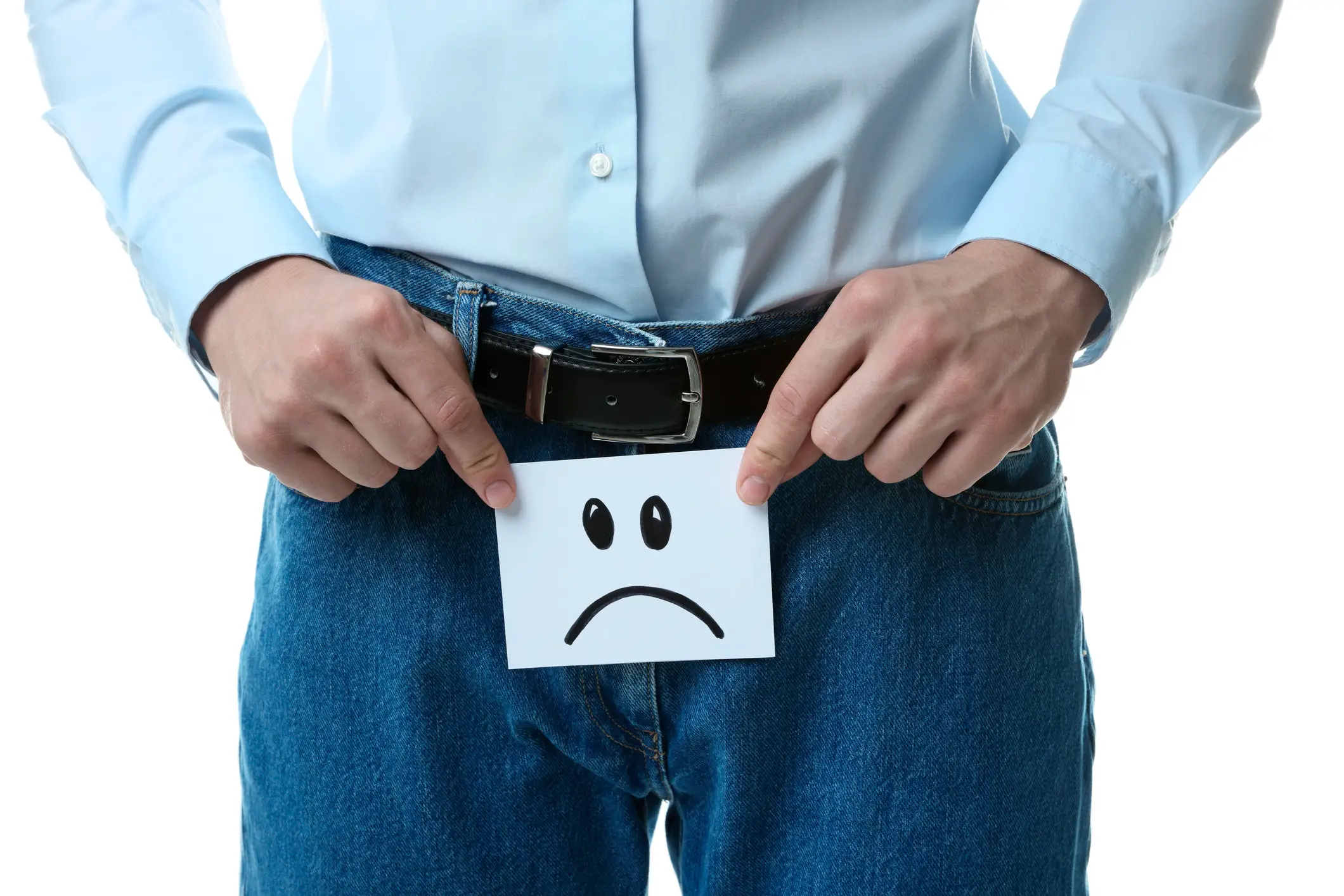
Does testicle size impact your health?
According to Medical News Today, the size of your balls doesn't have a direct impact on your health, though it has been said that testicular volume does correlate with your sperm count.
In 2022, a study found that overweight or insulin-resistant children and adolescents tended to have smaller testicles, suggesting a possible link to low testicular volume.
Rossella Cannarella, M.D., of the University of Catania in Italy, said (via Endocrine Society): "More careful control of body weight in childhood and adolescence may help to maintain testicular function later in life."
A shrinkage in testicle size can also be caused by a health condition called testicular atrophy, which can affect one or both testes. Symptoms can range from decreased sex drive to infertility, and can be caused by several factors, such as age, inflammation, and steroid or estrogen use.
Meanwhile, testicular cancer can also change its shape, with Cancer Research UK adding that swelling or a lump in one part of your testicle or one getting bigger than the other could be a potential sign.
A GP should check out any unusual signs or symptoms.
 Joshua Nair