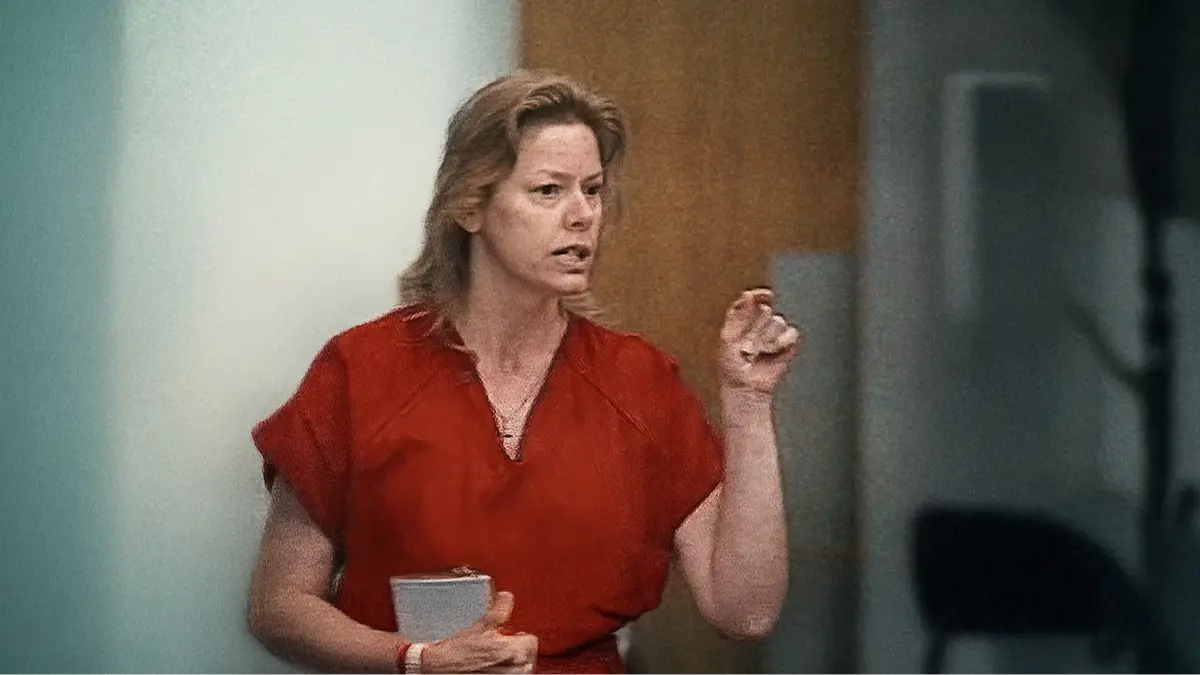
Aileen Wuornos’ real final words before execution compared to Netflix's Monster

Aileen Wuornos features in a viral new show released by Netflix, including a dramatisation of her final moments, but what did the convicted killer actually say before her execution?
Wuornos was executed by lethal injection in 2002 after being convicted of multiple murders. She had been working as a sex worker, and claimed in the court case that she killed the men in self defence after they sexually assaulted her or attempted to do so.
Netflix's series Monster: The Lizzie Borden Story follows the story of Lizzie Borden, who was acquitted of murdering her father and stepmother with an axe almost a century before Wuornos' case.
While the show focusses mainly on the fictionalised version of Borden's life, including one disgusting vomiting scene which left viewers reeling, it also jumps forward from the 19th century to the late 20th century, when Wuornos was on trial for murders.
Advert
The show's creators have said that this was intended as a way to look at the different ways that society treats female violence at these different points in history, including a juxtaposition of Borden being acquitted while Wuornos is convicted.

In the show, Wuornos' final moments are shown with an imagined hopeful ending for her, being greeted by Lizzie Borden and Maggie Sullivan who are there to 'take you to the next place', before the series ends with Wuornos flatlining after the lethal injection.
Earlier on in the show, Wuornos is shown eating her last meal, saying: "I'm just another woman put to death for something a man would've gotten away with."
But what were Wuornos' actual last words before her execution in 2002?
She said: “Yes, I would just like to say I’m sailing with the Rock, and I’ll be back, like Independence Day with Jesus. June 6, like the movie. Big mother ship and all, I’ll be back, I’ll be back.”
It's not the only difference between the dramatisation on Netflix and historical accounts of Borden's life.
One viewer even suggested that the show 'went overboard with creative liberty', though he did say that the cast did 'really great' performances in the drama.
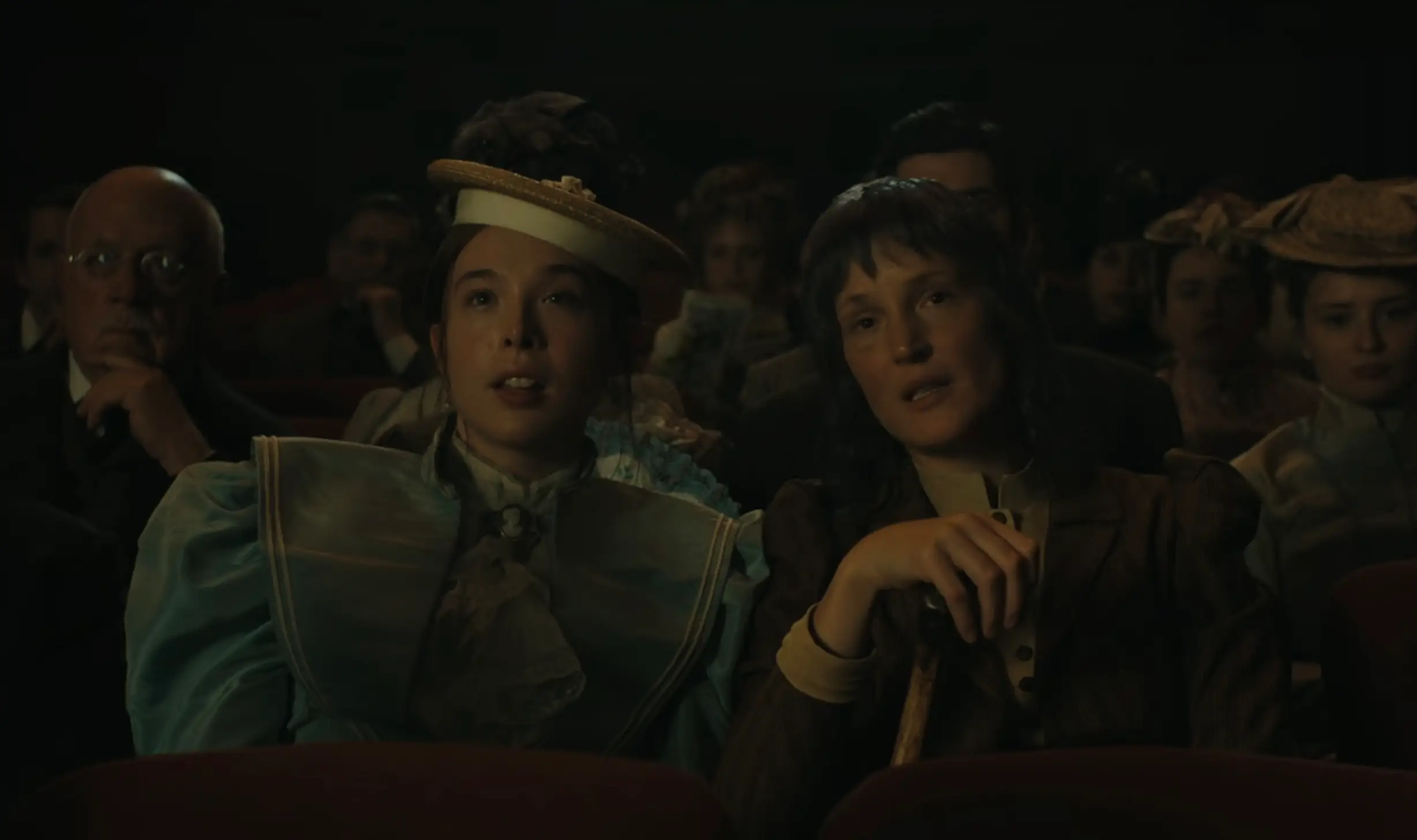
Of course, the major difference between the show and the historical accounts is that in the show it is shown that Borden really did commit murders, showing her killing her father and stepmother with an axe before getting away with it in court.
In real life she was acquitted of the murders, meaning that a jury was unable to accept that she committed the crime and as far as the courts are concerned Borden was innocent.
Ian Brennan has said that he made this decision quite on purpose, telling The Hollywood Reporter: "You do as much research as you can, and then you’re like, 'Okay, what do I think about this?' And I’m like, 'Well, she definitely did it. Like, of course she did it'."
Other creative liberties in the show include the affair between Lizzie and Maggie, though in fairness historical accounts of LGBTQ+ couples can be very difficult to trace due to social attitudes meaning they were kept secret, and changes to the orders of events.
Topics: Netflix, TV, True Crime
 Kit Roberts