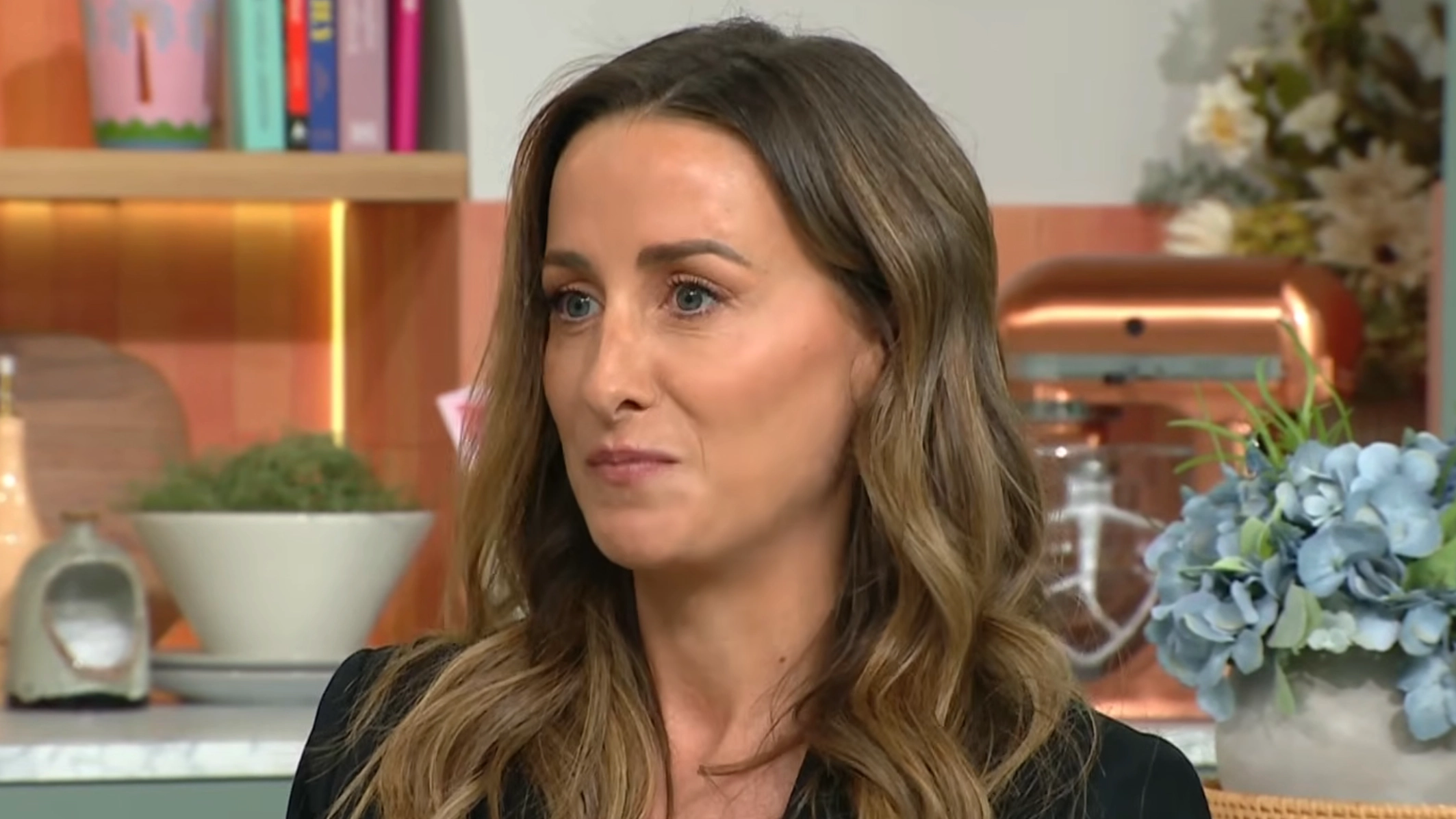
Psychologist reveals key signs of common condition that reduces life expectancy by three years

With the crawl to January payday entering its last week, the majority of us will be dealing with a lot of stress.
Whether it be the cold and dreary weather in the UK and US, our rapidly emptying bank accounts, or, you know, the impending threat of World War 3, there are a lot of reasons to feel stressed at the moment.
Stress can manifest in a number of ways that affect our health; however, a world-leading psychologist has spoken about a warning sign that can indicate your stress is beginning to take a major toll on your body, and how you can best tackle the ever-growing amount of stress in your life.
Appearing on This Morning today (26 January), Dr Julie Smith spoke about ‘emotional exhaustion’, a state that tends to precede burnout.
Advert

What is emotional exhaustion and what is burnout?
Burnout is a syndrome recognised by the World Health Organisation, which is characterised by a state of ‘physical, mental, and emotional exhaustion’.
Often caused by long-term stress, studies have shown that burnout goes beyond something that merely affects your mind, but can make changes to your cells and biological structure.
Dr Smith explains that emotional exhaustion is a symptom that can be a pre-warning sign of burnout, saying that: “Emotional exhaustion is that feeling you get in the lead-up.”
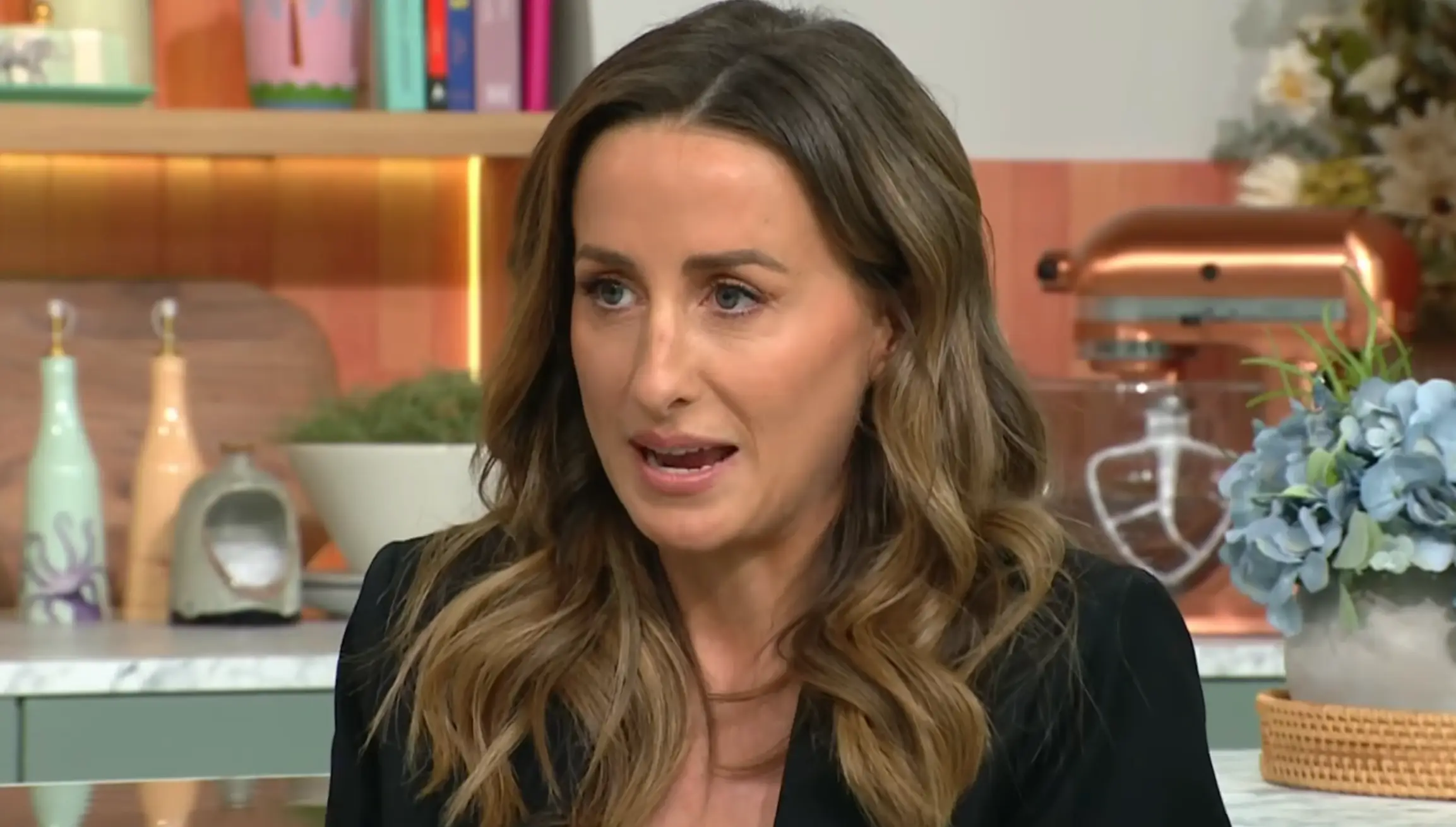
What are the signs to spot emotional exhaustion?
Dr Smith explained that emotional exhaustion is a term for an emotional state, not a syndrome of its own, but explained the symptoms of this.
One of the signs to spot this, she said, was when, seemingly out of nowhere, you suddenly get a sense of dread and are overwhelmed in the morning by tasks you previously were able to do with ease.
She went on to add: “A lot of people talk about this inability to concentrate which impacts on the ability to make even small decisions.”
Other signs of this are an urge to ‘escape or avoid’, becoming more irritable and losing your temper with loved ones, and listening to your body as your health may deteriorate.
How can you avoid emotional exhaustion turning to burnout and how can this take 3 years off your life expectancy?
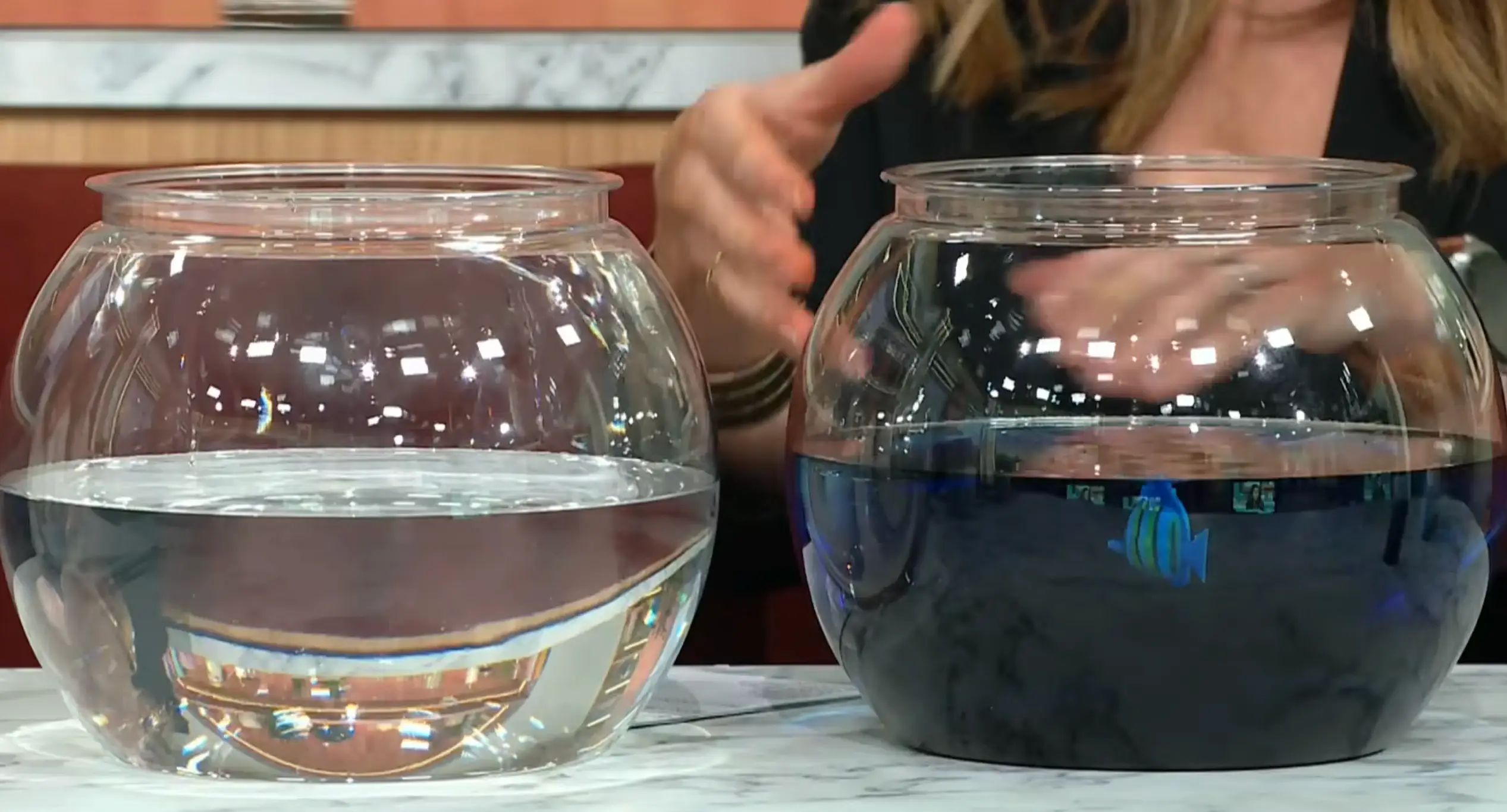
Dr Smith uses the metaphor of stressors as ink poured into a fish tank, explaining that the things that stress you out in life are all around you.
She explains that, whilst a holiday can feel like you’re in a fresh new tank and your stressors are gone, when you return home, you end up in the exact same situation.
The world-leading psychologist goes on to explain that if you feel stress affecting your health, your focus should be on examining what in your life is not sustainable for you.
She said: “Some things are just non-negotiable, but other things we can adjust and claim back small parts of our lifestyle.
“Often what we do in therapeutic scenarios is we formulate and we look at ‘okay, it’s really difficult to do this but how am I contributing to that stress with the standards I am holding myself to’.”
While some situations are 'non-negotiable', Dr Smith says it is best to 'push it where it moves', meaning to tackle the more manageable stresses to help lessen the load.
When you look at the importance of making these changes, it is worth remembering that chronic stress can have a huge effect on your health and even cut almost three years off your life.
One 2020 study found that it cut 2.8 years off your life expectancy due to its effect on cardiovascular health, decreased immune responses, and the rapid rate at which it causes our cells to age.
Topics: Mental Health, This Morning, TV and Film, TV, Health
 Michael Slavin