Warning issued to anyone that uses plastic containers to heat up food in microwave

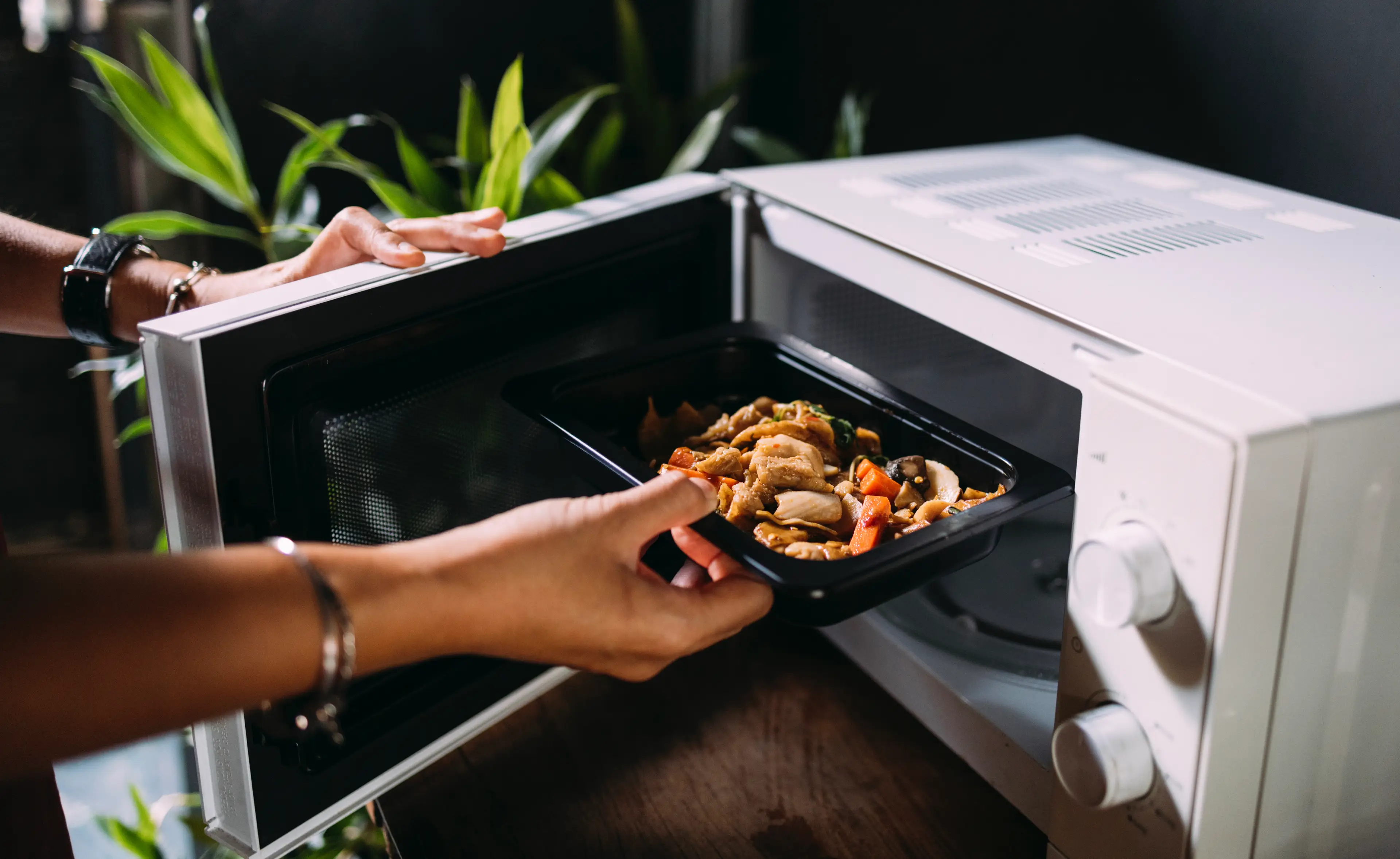
If you like to pop your leftovers in a plastic container to heat them up in the microwave, don't let this doctor see what you are up to.
Gastroenterologist Saurabh Sethi has urged people to reconsider what kind of vessel they use to put their grub in to raise its temperature, as it could have a serious repercussions for your health.
Most people are guilty of it, but don't worry, as there is still time to get on the straight and narrow.
Advert
Doctor Sethi took to social media to share his health warning and posted an Instagram video explaining the risks that come with constantly using plastic containers while zapping your tea in the microwave for a few minutes.
He explained that the household appliances convert electricity into electromagnetic waves, which stimulates the molecules in your food, causing vibration and friction which heats it up.
The medic admitted that studies suggest microwaving food actually helps your nosh 'retain the nutrients' and is often considered 'better than methods like frying'.
But on the other hand, placing it in a plastic container to do this is a big no-no in his book.
Dr Sethi said: "Never microwave a plastic container, use glass instead.
"Many plastics contain hormone-disrupting compounds like BPA, which can contaminate your food when heated."
BPA, which is an abbreviation of bisphenol A, is an industrial chemical that has been used to make certain plastics and resins since the 1950s, but it doesn't agree with our bodies.
It can wreak havoc on important hormones, causing infertility, early puberty, cancer and metabolic disorders.
Concerns are also growing around the effects it could have on the brain and prostate gland of unborn babies and children, while research suggests BPA can also bring on a spike in blood pressure, type 2 diabetes and heart problems.
That's because the chemical in the plastic 'leaches' into your food while it is being warmed up, so your basically shovelling BPA and other nasties straight into your pie hole.
Dr Sheela Sathyanarayana said heating your grub this way 'will certainly increase your exposure' to harmful chemicals.
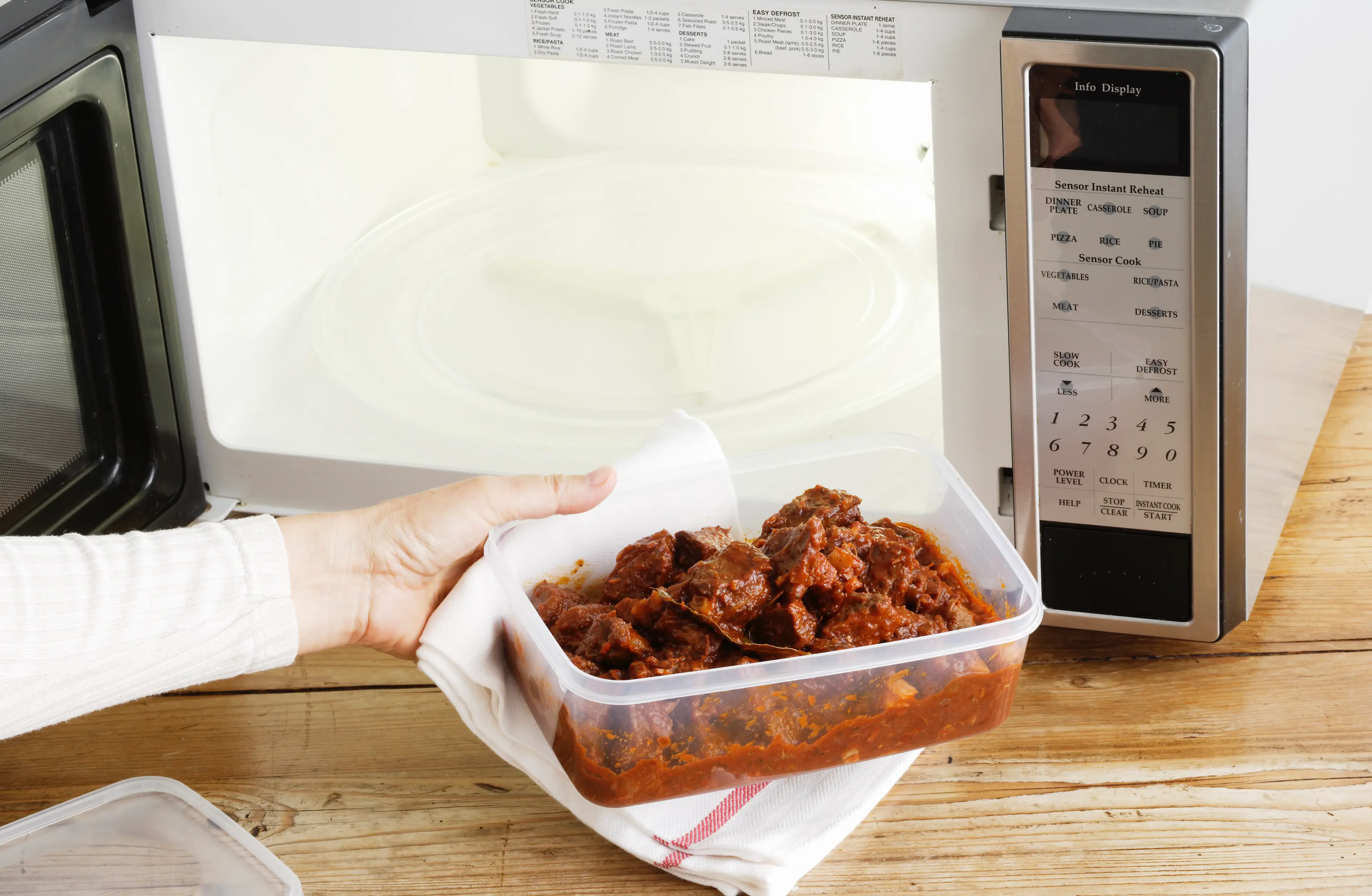
The paediatrics professor at the University of Washington told Science Line: "So that's why we don't recommend putting plastics in the microwave.
"We don't recommend putting them in the dishwasher because it makes them degrade."
But according to Which?, even plastics which don't contain BPA aren't safe to microwave.
The consumer champion said: "Even if a plastic doesn't contain BPA, it could still be unsuitable for microwave use.
"This could be because it isn't designed to withstand high temperatures, or because it contains phthalates (another type of hormone-disrupting chemical which, like BPA, can be transferred to food during the cooking process)."
Dr Sathyanarayana says it is more a case of being careful with your choices of how you prepare your leftovers.
She added: "There’s no getting to zero exposure in an industrialised world. It’s more about trying to reduce exposures overall."
Topics: Food And Drink, Health, Science
 Olivia Burke