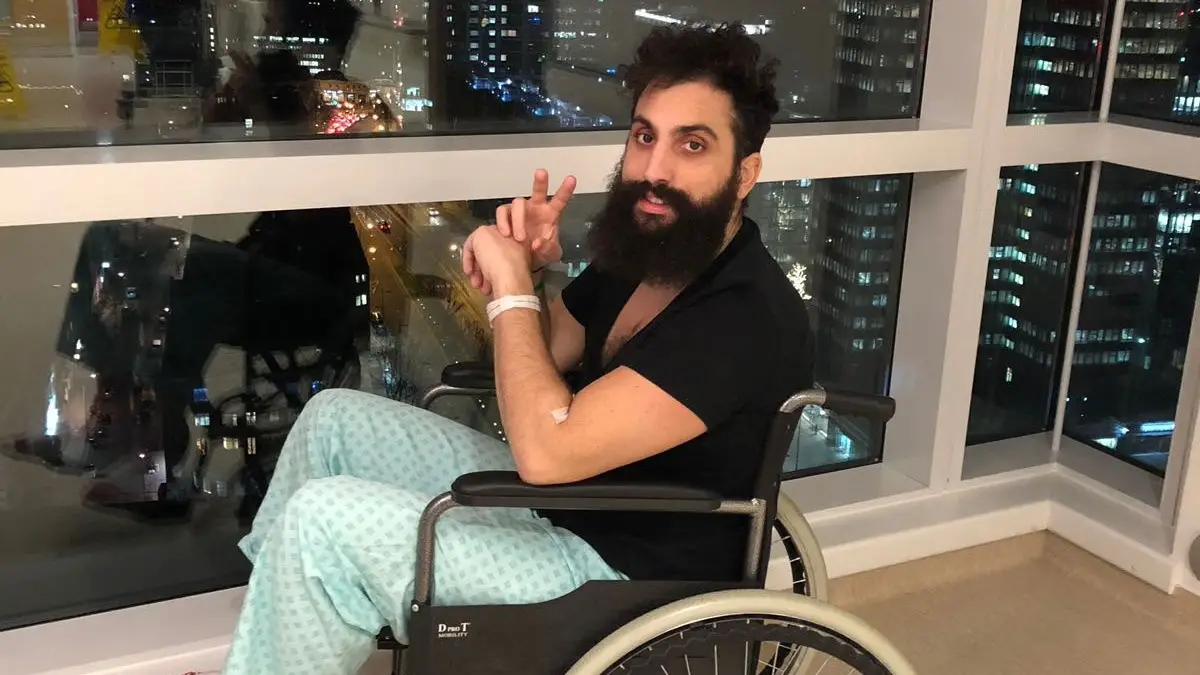
Man told by doctors to 'drink protein shakes' over agonising pain actually had 'exceptionally rare' cancer

When Oliver Famili began suffering with back pain on holiday, he initially didn’t think it was much to worry about.
Aged 28 at the time, he had just proposed to his fiancé in Mexico and was planning for their exciting future together.
But the keen boxer began struggling with his walking and mobility after returning home, and knew something was seriously wrong.
With his pain becoming ‘worse and worse’, he then began having spasms and was almost completely bed-bound, one day even calling an ambulance in tears.
Advert
After multiple trips to see the doctor, Oliver said he was repeatedly told it was just muscular pain and ‘nothing to worry about’, with one GP even reportedly suggesting he ‘drink protein shakes’.
But the truth of what was happening to his body was a lot more serious - Oliver had rare blood cancer multiple myeloma which is very rarely seen in younger people.
According to Myeloma UK, it is 'especially difficult to detect' and equates to just two percent of new cancer cases, remaining 'exceptionally rare' in those under 35. 74 percent of those diagnosed are over 65, according to the organisation.
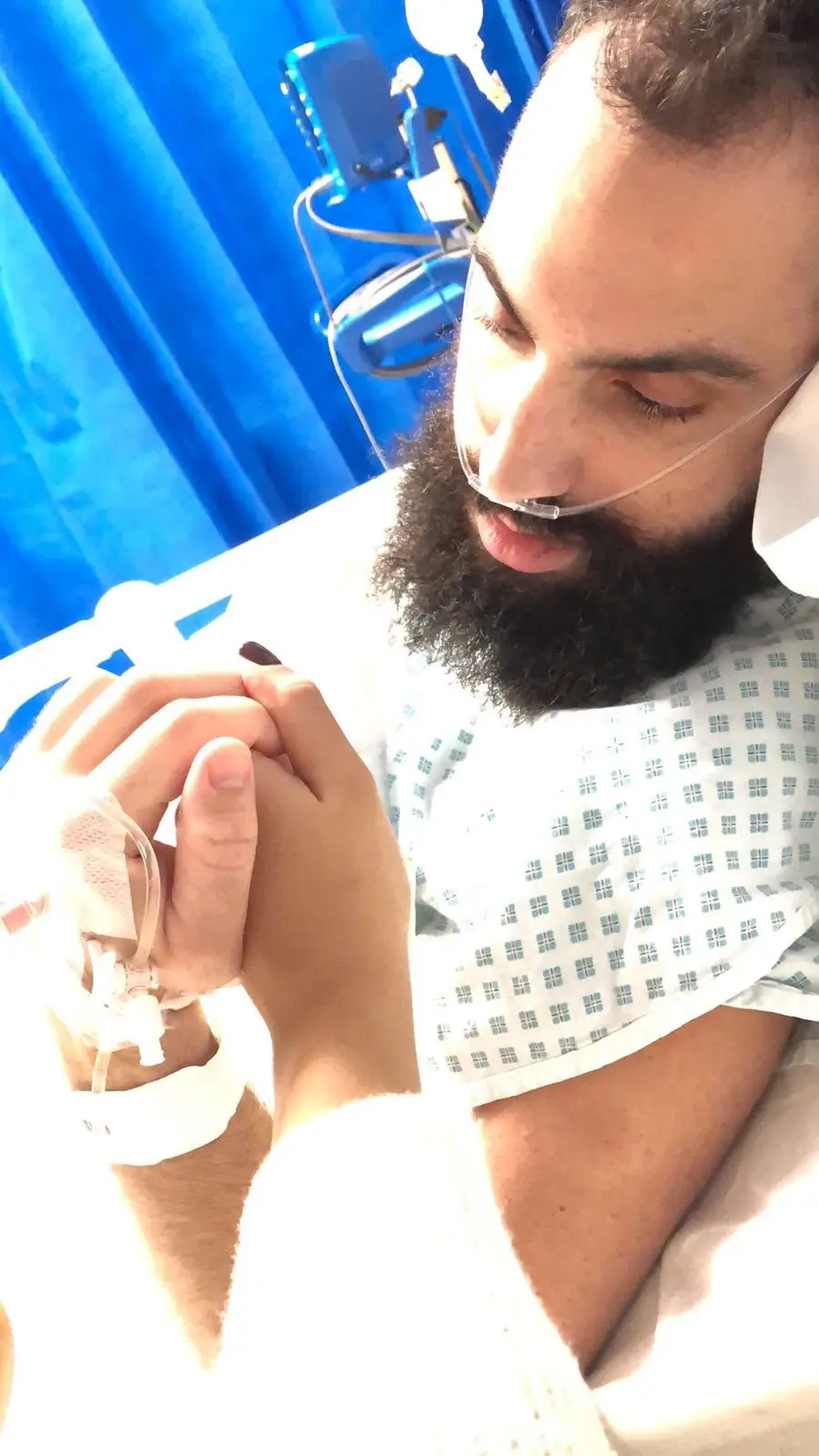
The chances of someone being diagnosed with multiple myeloma, at his age, were ‘one in 5 million’, doctors told him when he was handed the devastating news.
Oliver had actually been living with 11 fractures in his spine that nobody had picked up on as the plasma cells chipped away and damaged his bones.
"I knew things weren't right"
Speaking to LADbible, Oliver, now 37, explained: “I kept checking myself into hospitals, for doctor's appointments, and it was getting to a point where I couldn't get out of bed.
“Doctors kept saying ‘look, it's nothing to worry about. It's muscular.’ They even told me to just drink protein shakes and all this different stuff.
“I checked myself into Watford General because I just felt that things weren’t right. I was there for a week, and they told me I’d be seeing a rheumatologist in 30 days.
“But I still knew something wasn’t right. I refused to leave the hospital and collapsed that day, when a doctor came over and took me for a PET scan.
“They saw the fractures on my spine and did loads of tests, and eventually diagnosed me with multiple myeloma.”
Oliver was only 28 - with the rare cancer typically only seen in older people. Doctors told him it was in 50 percent of his blood and he became wheelchair-bound.
“They told me to go home for Christmas and be with my family,” Oliver explained. “Obviously, you hear about cancer and I felt so weak. I was on morphine and other drugs. To be honest it felt like the end.
“I was meant to go back after Christmas, but I took myself to the University College Hospital in London and saw a specialist who started treatment right away.”
"I thought it was a death sentence"
Still engaged to be married, he was then handed the devastating news that the cancer was incurable, and that hopes for boxing were likely over.
He explained: “I found it extremely difficult at the start. I genuinely just thought it was the end. A death sentence.
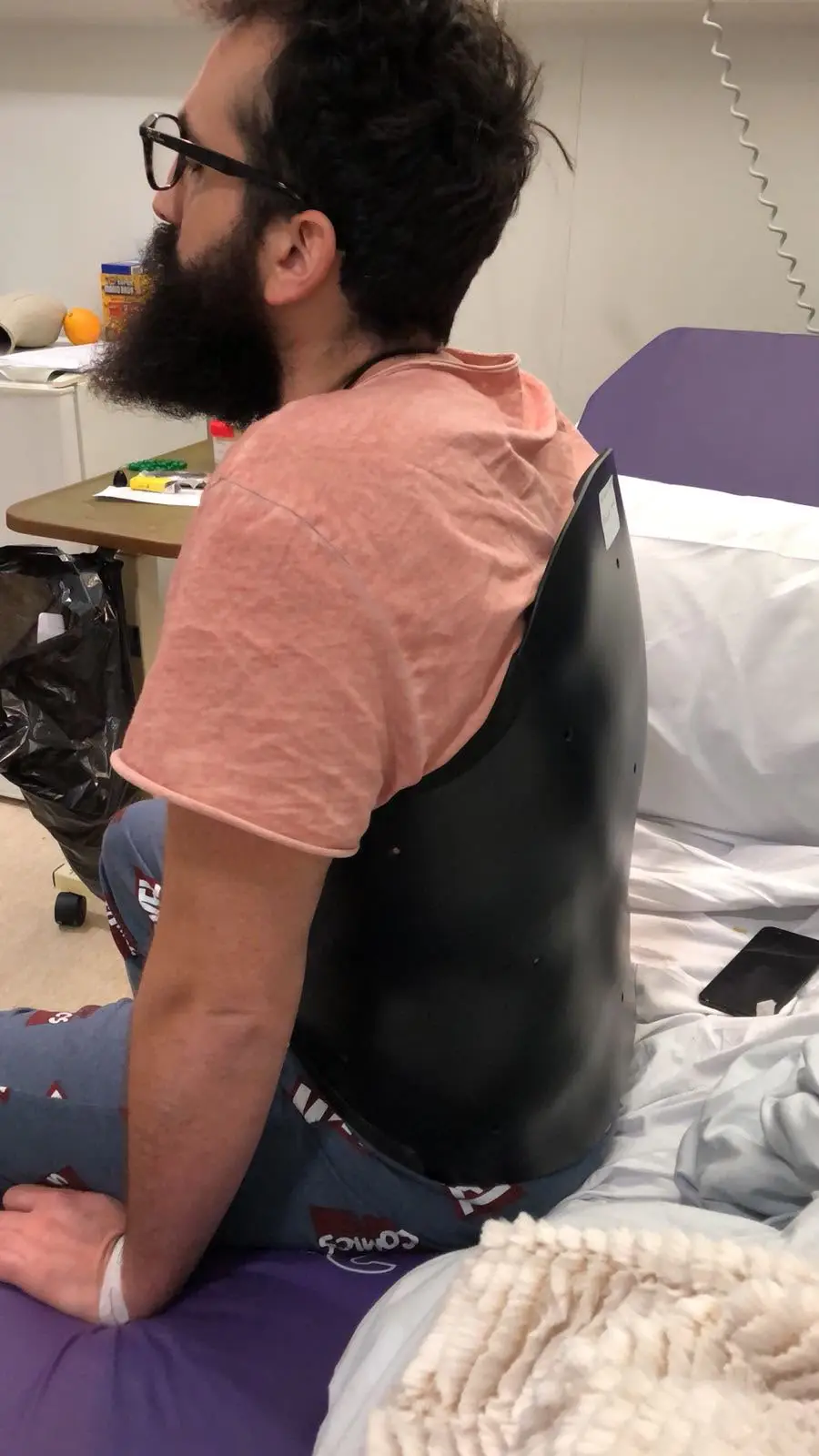
“Obviously I lost all my hair, lost my beard. I was in a wheelchair. It wasn’t me. I had no immune system so I had to be very careful going out. It was so hard getting back on my feet.
“But I have amazing people around me. My wife has stayed alongside me the whole time and I knew it was important to set goals.
“I had to keep my mind focussed. That’s how I was going to deal with it.”
According to the NHS, multiple myeloma, also known as myeloma, is a type of bone marrow cancer which often occurs in several areas of the body, such as the spine, skull, pelvis and ribs.
It develops when DNA is damaged during the development of a plasma cell. This abnormal cell then starts to multiply and spread within the bone marrow.
Unlike many cancers, myeloma does not exist as a lump or tumour, Myeloma UK described.
Instead, it affects where bone marrow is normally active in an adult, such as in the bones of the spine, skull, pelvis, rib cage, long bones of the arms and legs and the areas around the shoulders and hips.
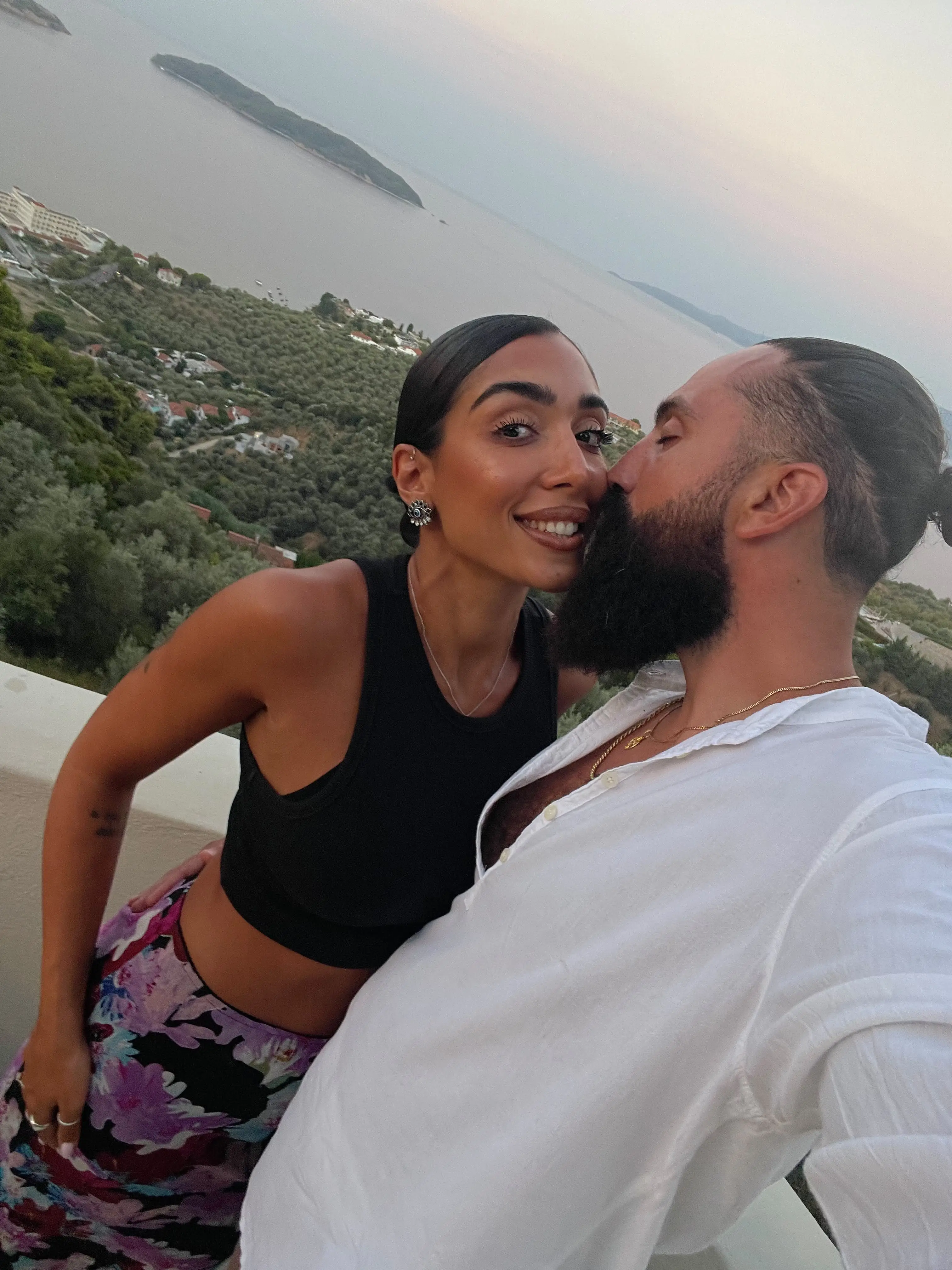
Oliver’s treatment began with two back-to-back stem cell transplants, alongside chemotherapy. He got into remission and was able to finally tie the knot to his wife who ‘stood by his side’, but sadly relapsed after a year.
For myeloma, remission is when treatment has reduced or cleared the signs and symptoms of the cancer - but it is not a cure.
Myeloma UK said it is classed as a relapsing-remitting cancer. This means there are periods when it causes symptoms or complications and needs to be treated, followed by periods of remission where the myeloma does not cause symptoms and does not require treatment.
Oliver was one of the first to try revolutionary therapy
Oliver took part in a complex and revolutionary CAR T-cell treatment in London in 2022, becoming one of the first people in the world to try it at the time.
As per Myeloma UK, the therapy is an immunotherapy that re-engineers a patient's own white blood cells to recognise and destroy myeloma cells in the body.
It was successful, with Oliver going into remission for around three years. He began retraining in boxing and fitness and, from his hospital bed, started building his own business.
“Some people have been in 20 years of remission from stem cell transplants, and have had really good success but it didn’t really work for me,” Oliver explained.
“The CAR-T therapy was totally different. It felt so easy in comparison. Then I was given antibiotics and told I’d be monitored.”
He was able to have a baby with his partner and says for the first time he is able to ‘look to the future’. Despite this, Oliver relapsed again more recently and still faces daily struggles with severe pain.
He is now undergoing another clinical immunotherapy trial which has helped him get back into stringent remission once again.
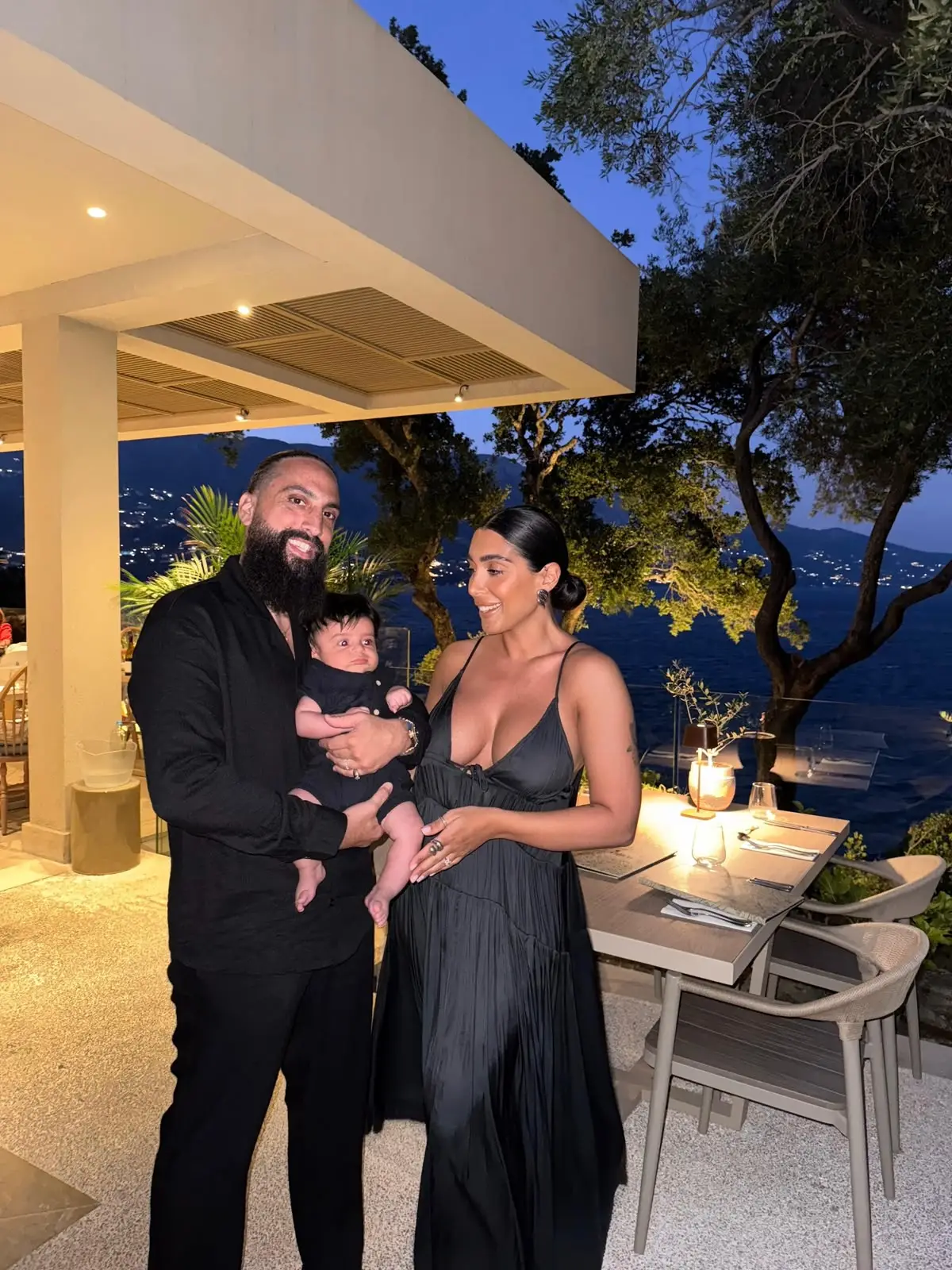
“I am very hopeful,” Oliver said. “I do find the doctors have been quite negative about it, but I always remain positive about the whole thing.
“I have a little boy now, and it feels for the first time like I am living my life for my son rather than worrying about dying. I am in good hands and I am hopeful that is going to last for a long time.
“They basically think, I'll be lucky if I get as long as I did with the CAR-T therapy, which was three years. They basically told my wife I’d be lucky to make 45, and I am 37 now.
“The reason it’s classed as ‘treatable’ is because it’s usually a 75 or 80-year-old affected. So, even if they manage that for ten, 15 or 20 years, it’s a reasonable treatment.
“But because I got diagnosed at 28, it's different for me. I am hopeful that new treatments will come up. They are trying to find a cure.
“I have to remain positive. I want to achieve everything I've set out to do, and I'm hoping that this will last forever, so I can grow old with my son.”
While undergoing treatment and bed-bound in hospital, Oliver started his own pest control business and through pure determination was able to train to get himself out of a wheelchair and back in the ring, fighting in London’s O2 Arena back in 2023.
One of his goals now is to return to the ring and take part in a fight at a Misfits Boxing event.
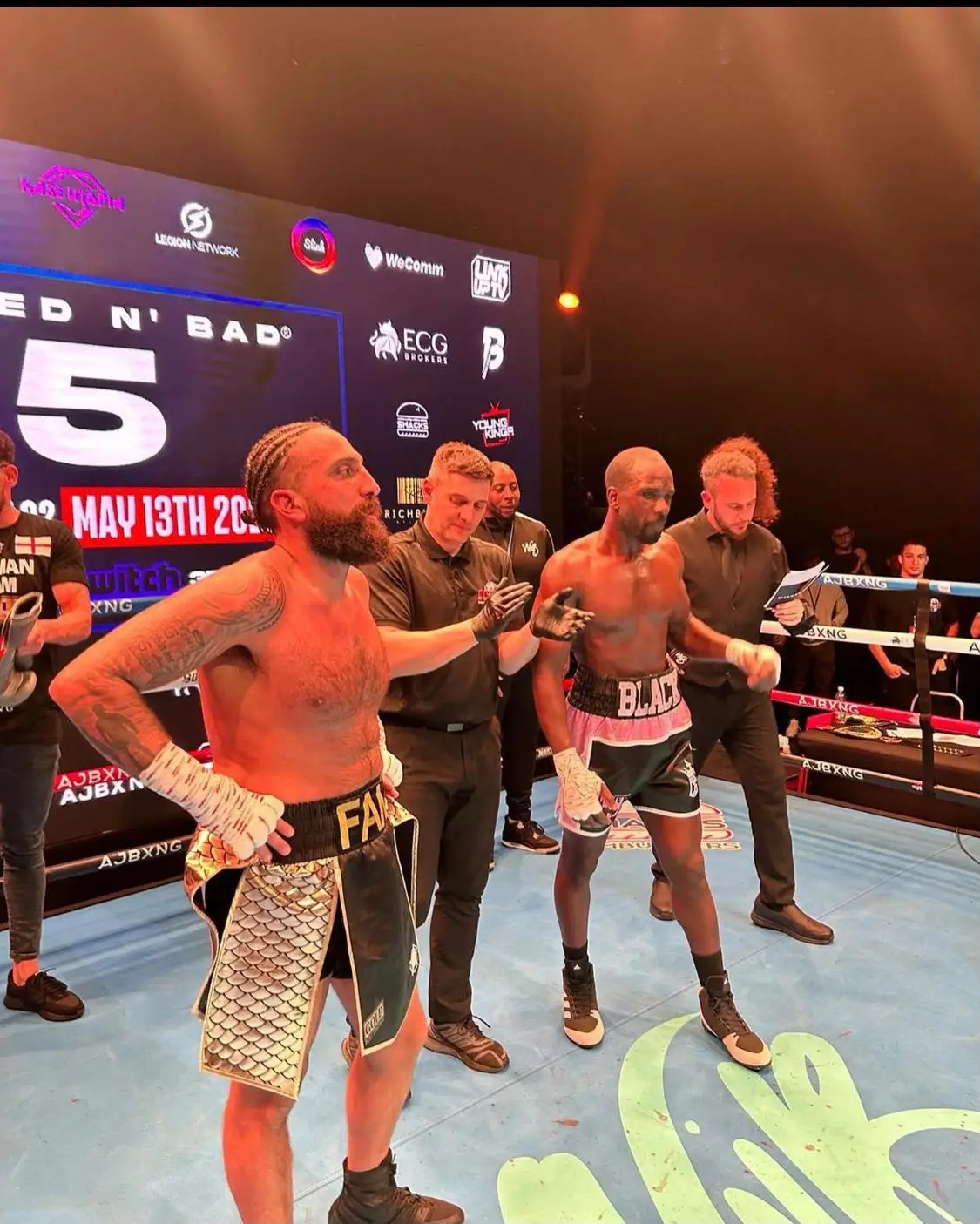
“I’ve been like this from a very young age,” Oliver explained. “I wrote down my goals and I actually started my business from my hospital bed.
“It kept my head on, and everyone used to say they didn’t know how I did it all.
“I managed to buy my dream home and marry my wife. Everything sort of happened.
“It's really weird that since I got diagnosed, it’s actually been one of the best things that's happened to me.
“Without it, I probably would have never achieved half the things I have today.”
"It should've never happened"
Discussing how he continues to fight on despite the lifelong condition, he explained: “People think I'm a bit of a madman, but I do believe that the more I train and stay healthy, I feel mentally better.
“I do still have pain, but I try to do stretches, and work on my mobility.
“With regards to my training, I just got this obsession. I used to box when I was younger and knew I wanted to fight again.
“When I was in hospital I was getting messages from Tyson Fury, Vinnie Jones, and it spurred me on to get back in the ring. Fighting Conor McGregor is the ultimate goal. People laugh, but I still think I’ll do it.”
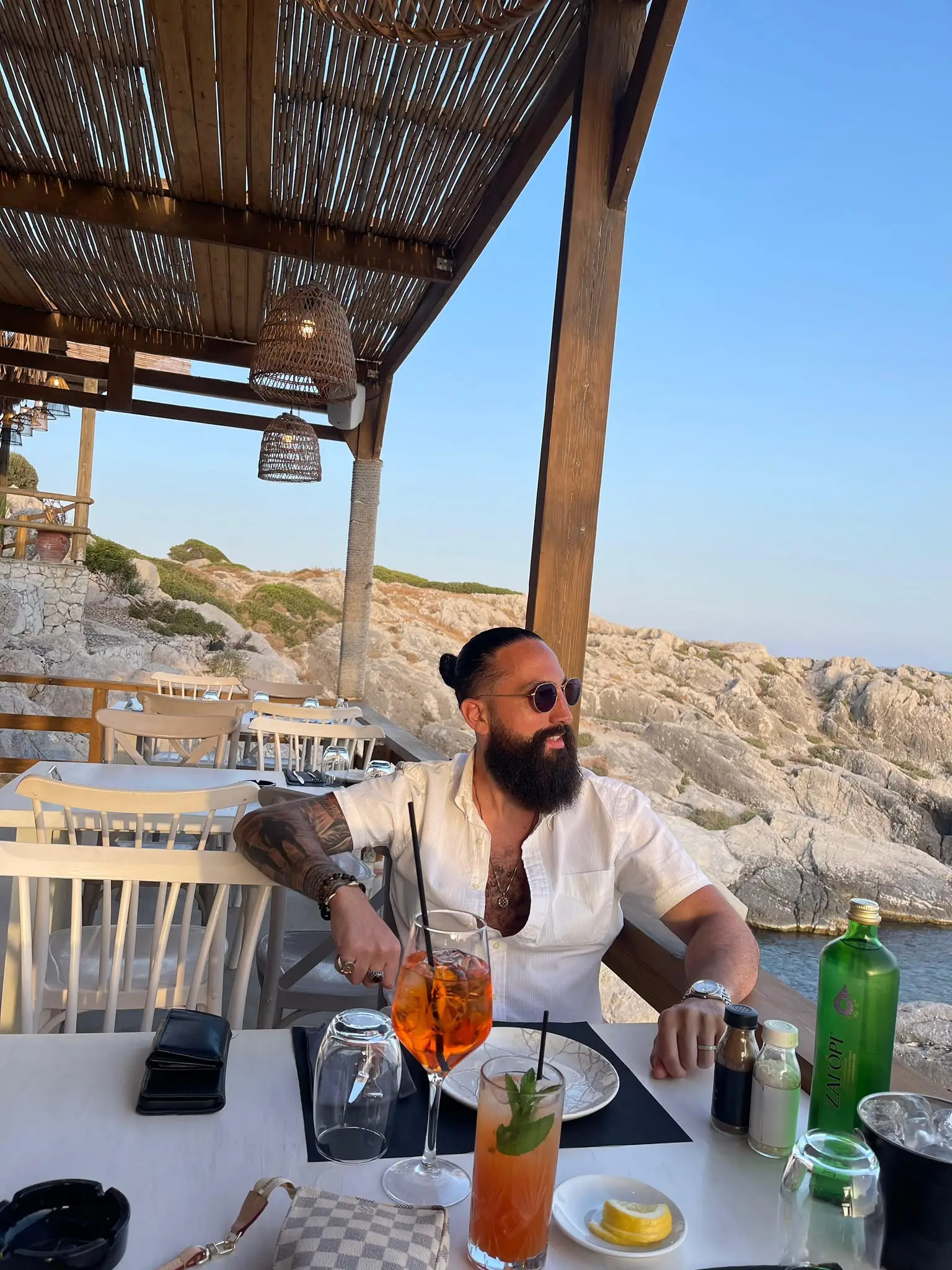
Oliver is continuing to share his journey on social media, and is planning on getting back into the boxing ring again.
Asked about the importance of telling his story, he said: “It’s about showing people that cancer isn’t always a death sentence.
“You can still achieve your goals. If I’d have seen someone doing what I’m doing when I was first diagnosed, it would’ve given me the hope to push through.
“I’ve met so many incredible people on this journey, and I've lost a lot of people, but a lot of people are still pushing on. I see people who give up and that’s the hardest thing.
“With me, the doctors have admitted they got it wrong. Even now that still upsets me. The fact I had 11 fractures, it should’ve never happened.
“When I got diagnosed I was online trying to find people that had the same condition, who I could talk to. I wanted to show people that I can be that person.”
 James Holt