Scientists issue warning over ingredients found in food which increase cancer risk

Warning: This article contains discussion of cancer which some readers may find distressing.
When you tuck into your favourite food items, you don’t expect it to pack a punch so hard it could trigger cancer later in your life. But that’s what many common items include in its list of ingredients worldwide.
Scientists have just revealed the cancer-causing chemicals hidden in foods we know and love, even those cooked at high temperatures.
While there are over 200 types of cancers, per Cancer Research UK, there are many factors that can cause its development.
Advert
For example, the NHS lists many of the five main cancers (carcinoma, sarcoma, leukaemia, lymphoma and myeloma), being caused by things like genetics, environmental factors, and a person’s lifestyle.
This could be smoking, eating high-fatty foods, drinking alcohol and more.
But cancer-causing chemicals in many common foods have now been exposed as possible culprits that you might not be aware of.

Researchers from the Seoul National University of Science & Technology in South Korea, revealed a new high-speed food safety test that could find those chemicals in grilled and processed foods.
What they found was the polycyclic aromatic hydrocarbons, aka, PAHs, are compounds that can cause cancer, and are found in things like meat and oils after meat fat and juices drip onto a hot surface (like a grill) and create smoke that deposit the compounds into the foods.
According to the study, the highest PAH levels were found in soybean oil, duck meat and canola oil.
Once those fats and oils are added to other meals, it transfers those PAHs - making a seemingly healthy soybean snack a potential dangerous bite.
Again, looking at things that cause smoke and burn, anything like burnt toast, overcooked bacon, and burgers that are charcoal-grilled burgers also contain the compound.
Joon Goo Lee, professor at the Department of Food Science and Biotechnology at Seoul National University of Science and Technology, said: "Our research can improve public health by providing safe food.
"It also reduces the use and emission of hazardous chemicals in laboratory testing."
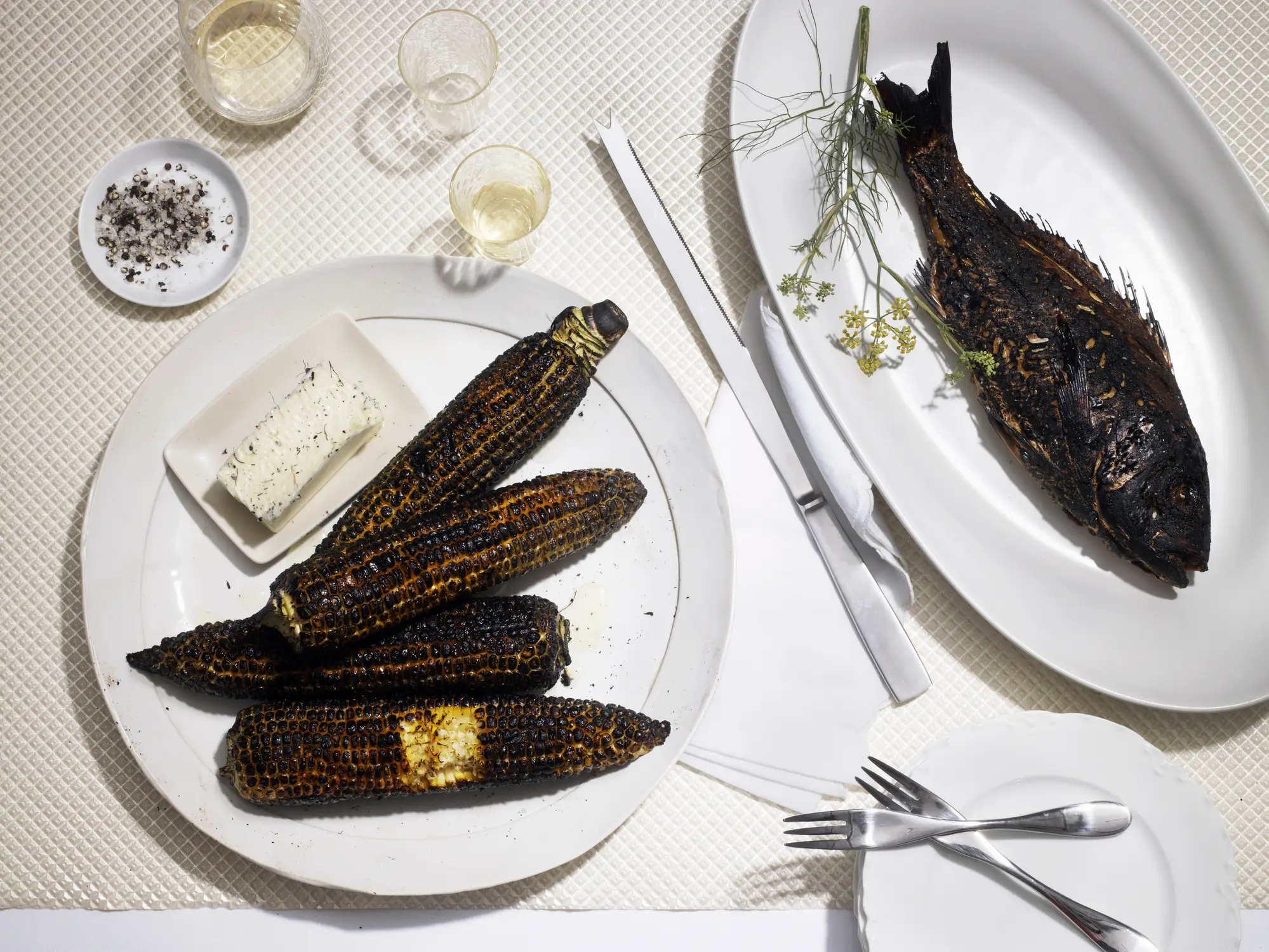
Now, this isn’t to be confused with the compound, Acrylamide, which Cancer Research UK reveals occurs when starchy foods are burned or cooked at high temperatures.
Because Acrylamide was first used to make plastics, and is also found in cigarette smoke, people believed it was cancer-causing. However, eating foods with acrylamide is ‘unlikely to increase the risk of cancer.’
The research centre said: “It is true that animal studies have shown that acrylamide has cancer-causing effects. But these studies gave animals very high levels of acrylamide. We are very unlikely to eat this amount of acrylamide in our diet. So these studies are not good evidence for cancer risk in people.”
The research on PAHs, however, is extensive – showing that that when exposed in high numbers, cancer is the most significant consequence as the compounds damage DNA, leading to the development of these deadly diseases.
If you’ve been affected by any of these issues and want to speak to someone in confidence, contact Macmillan’s Cancer Support Line on 0808 808 00 00, 8am–8pm seven days a week.
Topics: Cancer, Health, Food And Drink, Science
 Britt Jones