More Brits come forward as 1,700 fall ill and 'eight die' after visiting holiday hotspot

Solicitors have described the ongoing legal case against TUI as one of the biggest in history after more than 1,700 Brits reported health issues while holidaying in Cape Verde and have joined the lawsuit.
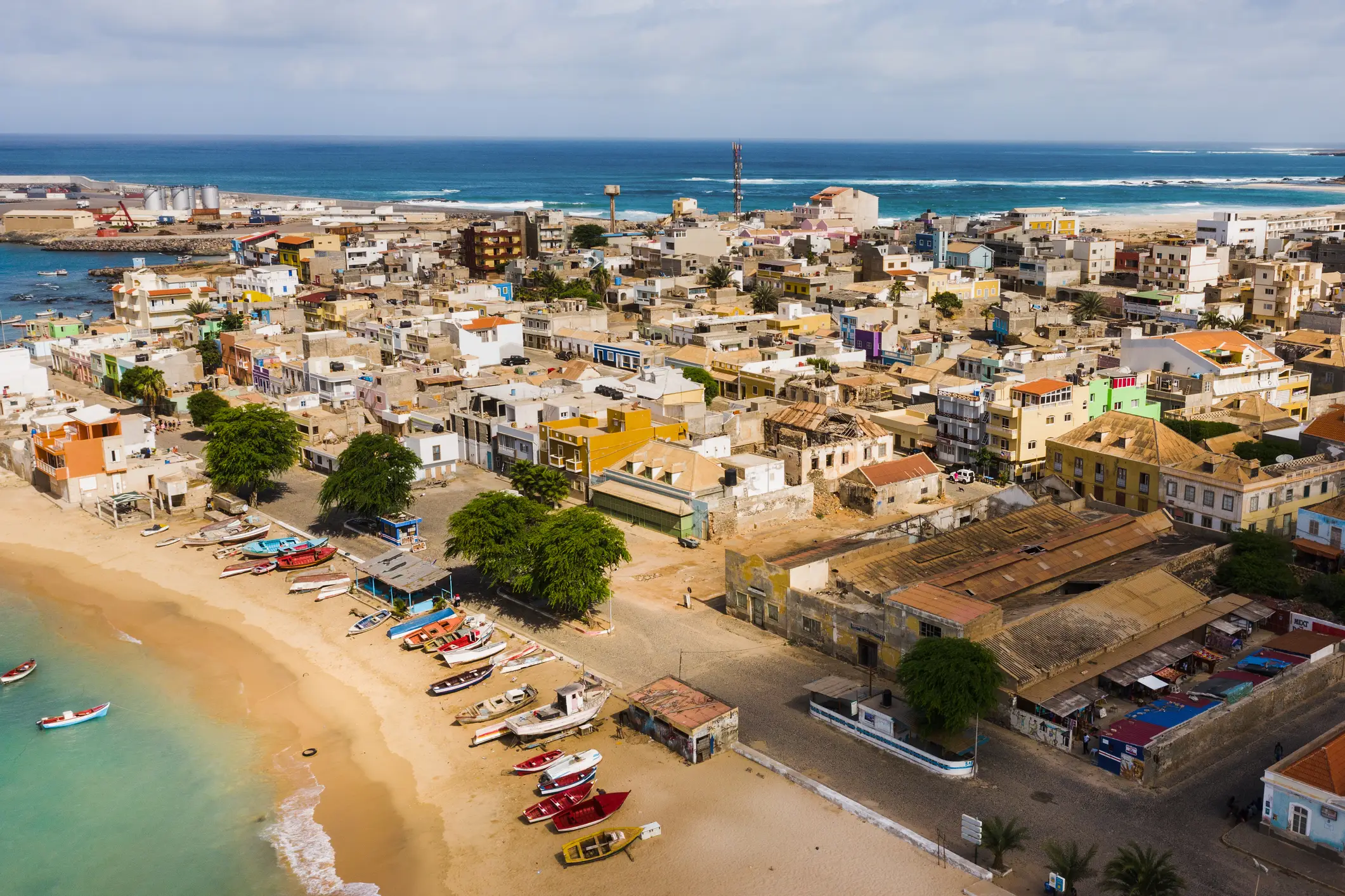
It is believed that eight people have also sadly passed away after becoming ill in the popular island destination, which is renowned for its golden beaches and year-round warm weather.
It was reported earlier this year that a handful of Brits had died after staying in five-star resorts in the Portuguese-speaking country, while another family spoke out after their mum died from supposedly 'unhygienic conditions' in the hotel.
The stomach and gastric issues that are seemingly plaguing visitors to the country are far from new however, and cases continue to increase, which has led to the UK Health Security Agency to even warn travellers about visiting.
Who are the eight Brits who have died after falling ill in Cape Verde?
According to solicitors Irwin Mitchell, last year five Brits died following or during a TUI Cape Verde holiday.
Advert
In August, part-time nurse Elena Walsh, 64, from Birmingham, was staying in a five-star resort for a 12-night all-inclusive holiday with her family when she experienced sickness and diarrhoea. She died two days after becoming unwell.
Her husband Patrick told the BBC: "You don't expect to go on holiday and you all don't come back."

In October, Mark Ashley, 55, from Bedfordshire, started suffering from stomach pain, diarrhoea, vomiting, fever and extreme lethargy three days into his Cape Verde £3,000-plus holiday on the island of Sal.
His symptoms continued once he returned to the UK. He collapsed at home weeks later and was pronounced dead at the hospital.

Also in October, Karen Pooley, 64, from Gloucester, also visited Sal, and fell ill with diarrhoea and vomiting.
Her condition worsened to the extent that she had to be air-lifted to Tenerife, where she died shortly afterwards.
Two unnamed men in their 50s, including a firefighter from County Durham, also died in 2025.
In 2024, an unnamed man in his 60s from Watford died, while a 71-year-old retired civil servant suffered a heart attack on her flight back from Cape Verde and died shortly after landing.
In 2022, Jane Pressley, 62, from Gainsborough, set off on a two-week holiday with her husband to Sal to celebrate her birthday
Two days into the break, she fell ill with vomiting and diarrhoea. Her symptoms continued when she returned home, and she died two months later.
When was the sickness in Cape Verde first reported?
Although cases have been reported in the past two weeks, it seems as if the first cases were first reported all the way back in October 2025.
Back in February, the UKHSA identified 118 cases of shigella and 43 of salmonella in the West African archipelago, but that number has likely increased in the two months since.
Irwin Mitchell, the solicitors who are leading the personal injury claims made against holiday company TUI, has suggested that Britons have also reported issues such as E-coli and parasitic infections.
Jatinder Paul, from Irwin Mitchell solicitors, told the BBC: "In all my years of doing this work, I have not seen a case this large and unfortunately so many that have died as a result of the illnesses.
"We are pursuing all of our cases against TUI. They had a responsibility in taking our clients away on a package holiday which was not going to cause them any illness. Unfortunately it was the opposite of that."
Many of the visitors to Cape Verde had travelled as part of a package holiday organised by the travel agency TUI, which has helped over one million customers travel to Cape Verde since 2022.
Paul added: "If we're unable to resolve them amicably, we expect a judge in the High Court to make an order which would involve payment of millions of pounds worth of damages to our clients."
What has TUI said about the deaths and sickness in Cape Verde?
TUI has confirmed that it is investigating the claims but also suggested that it did 'not yet have access to the full Cape Verde health report, which remains unpublished'.
The company suggested that customer health and safety is its 'highest priority' and emphasised that it was 'deeply saddened by the reports of these tragic losses'.
Illnesses are seemingly spread through contact with contaminated faeces, which can often occur either from person-to-person transmission or by ingesting unclean food or water.
People are advised to therefore only eat food which is piping hot and fully cooked, as well as ensuring that salads are washed and fruits are only peeled by the person eating them.
"Taking a few simple precautions against traveller's diarrhoea and food poisoning can make all the difference," Dr Gauri Godbole, the UKHSA's deputy director for gastrointestinal infections and food safety, said.
"The best way to avoid gastrointestinal infections, including shigella and salmonella, or passing them to others, is simply by washing your hands regularly and thoroughly with soap and water or alcohol gel – particularly after using the toilet, changing nappies, and before eating or preparing food."
A TUI UK & I spokesperson told LADbible: “We are deeply saddened by the reports of these tragic losses and extend our sincere condolences to the families affected.
"While we cannot comment on individual cases, customer health and safety is always our highest priority. We have established procedures in place to support any customer who becomes unwell while on holiday, including access to appropriate medical care and assistance in resort.
"To provide that support, it is important that illness is reported to our teams while customers are in destination. Where this does not happen, it limits the assistance we are able to offer at the time.
"We continue to follow FCDO advice and engage with hotel partners and relevant authorities where appropriate.”
 James Moorhouse