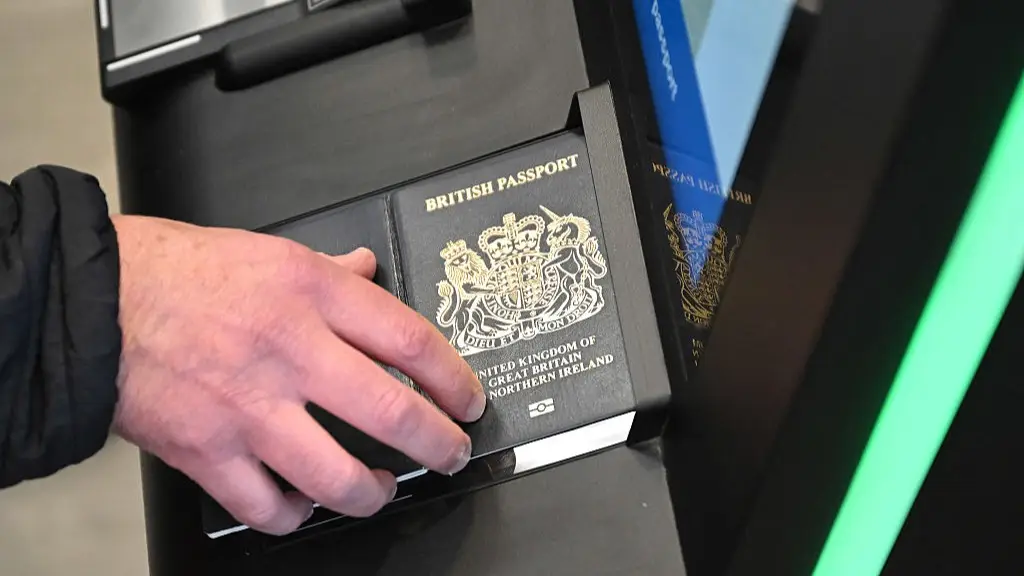
Deadline for new airport rule nears as millions of Brits set for 'four hour waits'

Airport travellers across the EU have been undergoing major headaches in recent months, but authorities have called for the European Commission to ease up on the new requirements.
Brits could be facing hours-long waits upon arriving at holiday destinations this year, as a new security system has been rolled out across Schengen countries.
It was soft-launched in October 2025, and it was introduced as the Entry/Exit System (EES), with the idea to remove the need to manually stamp passports.
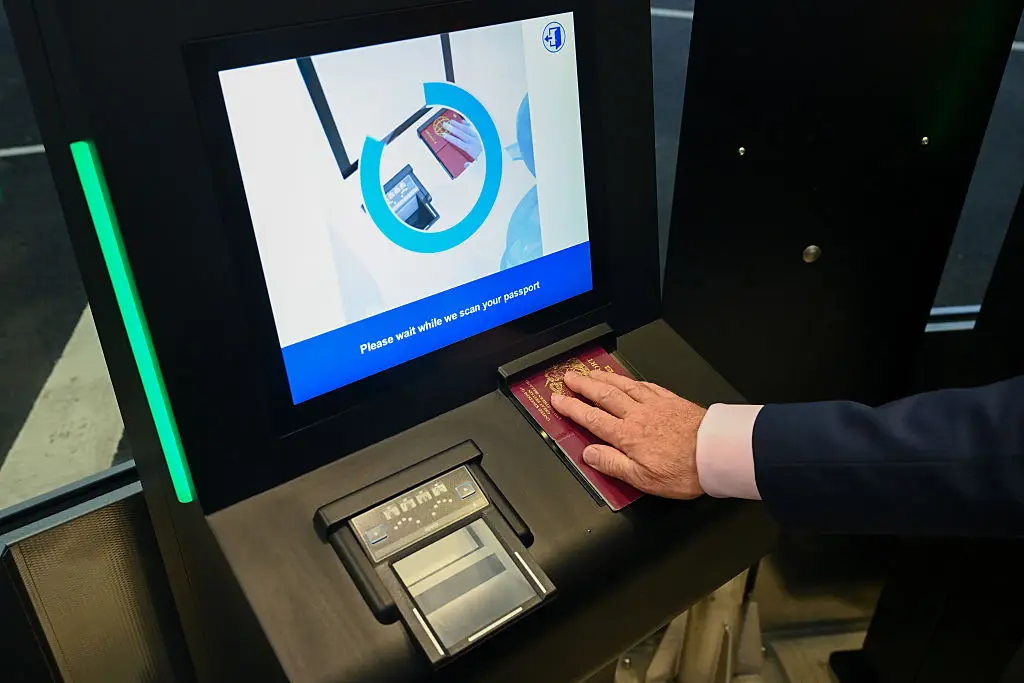
While it has gradually been introduced across European airports since its release, non-EU nationals have been forced to register with the automated IT system on their first visit to these countries since the roll-out.
Advert
Travellers must register their personal details, such as their name, travel document data, biometric data (fingerprints and captured facial images) and the date and place of entry and exit.
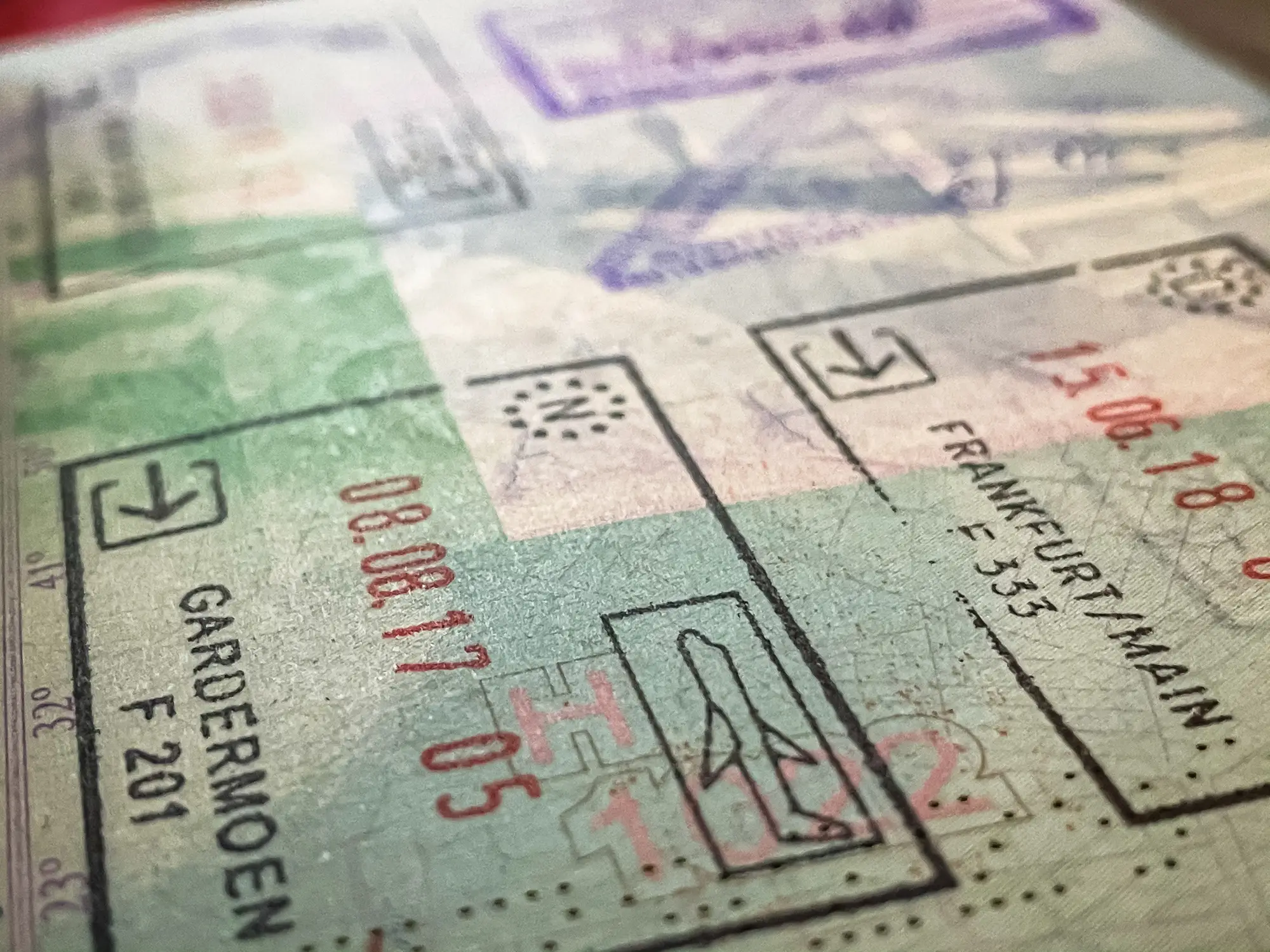
The EU warned that 'it will also record refusals of entry', as it was confirmed that 29 European countries would introduce the EES at their borders.
They added that 'border authorities will gradually register the data of non-EU nationals subject to the EES'.
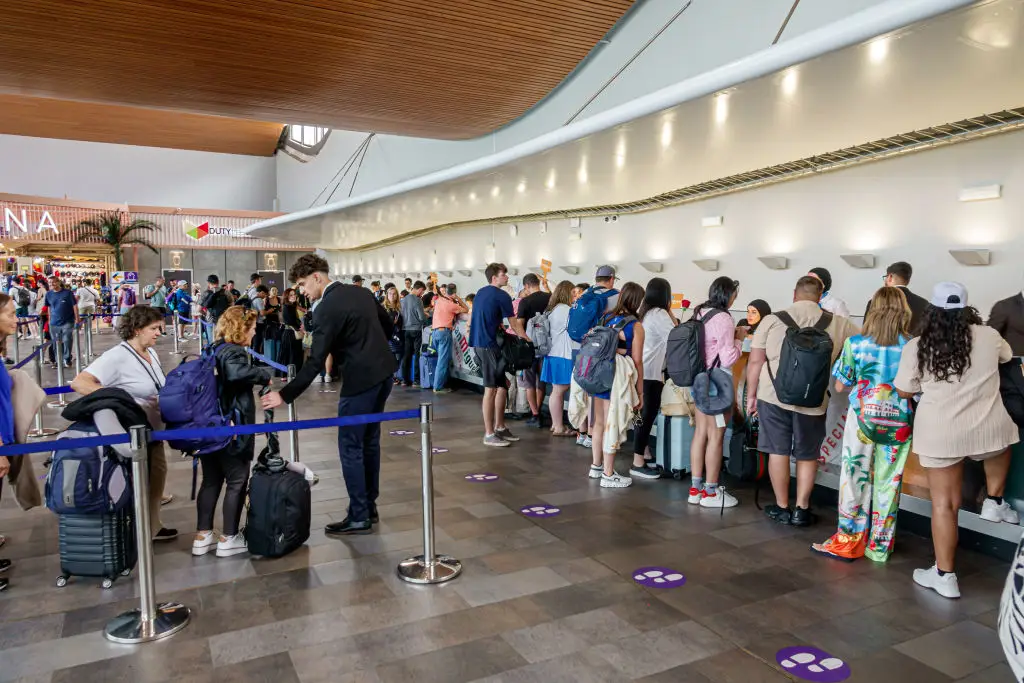
Julia Lo Bue-Said, chief executive of Advantage Travel Partnership, urged Brits to get to the airport four hours before their departure time, as the roll-out is expected to cause some delays.
“For major airports in southern Europe, we recommend that travellers now allocate four hours for navigating the new system in these initial stages,” she explained.
When was the EES rolled out?
The new digital border system was primarily designed to identify suspected criminals who are travelling in and out of EU nations, as well as to put a stop to identity fraud, while keeping tabs on stay limits for certain nationalities.
It came into play on 12 October, with the new system having the power to ban people from dozens of nations across the continent, if they're not careful.
The goal was for a minimum of 35 percent of visitors to be registered with EES by April, though travel industry leaders fear that it may cause significant disruption in summer months.
Airports in Europe have gone as far as warning of a 'disastrous' experience, which may befall tourists if existing biometric controls continue.
In theory, all passengers are due to complete the EES registration from 10 April, the date which has been marked as the start of the full implementation of the system.
Countries introducing the EES system
The following 25 EU countries in the Schengen Area, and four other nations not part of the EU, will use the EES:
• Austria
• Belgium
• Bulgaria
• Croatia
• Czech Republic
• Denmark
• Estonia
• Finland
• France
• Germany
• Greece
• Hungary
• Iceland
• Italy
• Latvia
• Liechtenstein
• Lithuania
• Luxembourg
• Malta
• Netherlands
• Norway
• Poland
• Portugal
• Romania
• Slovakia
• Slovenia
• Spain
• Sweden
• Switzerland
Ireland and Cyprus will still use manual passport stamping.
What have travel industry figures said?
While they have been introduced on British soil at Eurotunnel in Folkestone and at Eurostar’s London St Pancras International station, the majority of the UK is sticking to their existing systems.
Visitors to the 29 EES countries will likely register their details at border control upon arrival, though the trade body Airports Council International (ACI) has reported that the system was causing delays of up to three hours.
Olivier Jankovec, the director general of ACI Europe, said to The Guardian: “The chronic understaffing of all border control guards was an issue before – and the rollout of EES makes it worse. We’re routinely seeing, with only up to 35% of people coming into Schengen being registered, queues of up to two hours. It’s not sustainable and we fear it is only going to get worse.
“We’re especially concerned for July and August, when we have double the traffic. We could see queues of up to five hours, and that is making us very nervous: it creates a disastrous passenger experience and a safety hazard, as well as possible missed connecting flights.”
Jankovec further claimed that airports hadn't 'received formal notification that the ability to suspend EES will be extended, nor the conditions required'.
A commission spokesperson had claimed last week that contingency plans would be in place for at least 90 days from the original April deadline.
What's coming next?
The new European Travel Information and Authorisation System (ETIAS) is expected to follow the EES in late 2026, with non-EU travellers from 60 visa-exempt countries then needing ETIAS authorisation before entering the Schengen Area.
It means that visitors must complete an online form including personal details, answering security questions, and even paying a €20 fee.
This would then be valid for three years or until the expiration of your passport, being free for those under 18 and above 70.
The EU has claimed that the EES will make border checks quicker once it's fully up and running, claiming it will 'prevent irregular migration and help protect the security of everyone'.
Topics: Europe, Travel, UK News, World News
 Joshua Nair