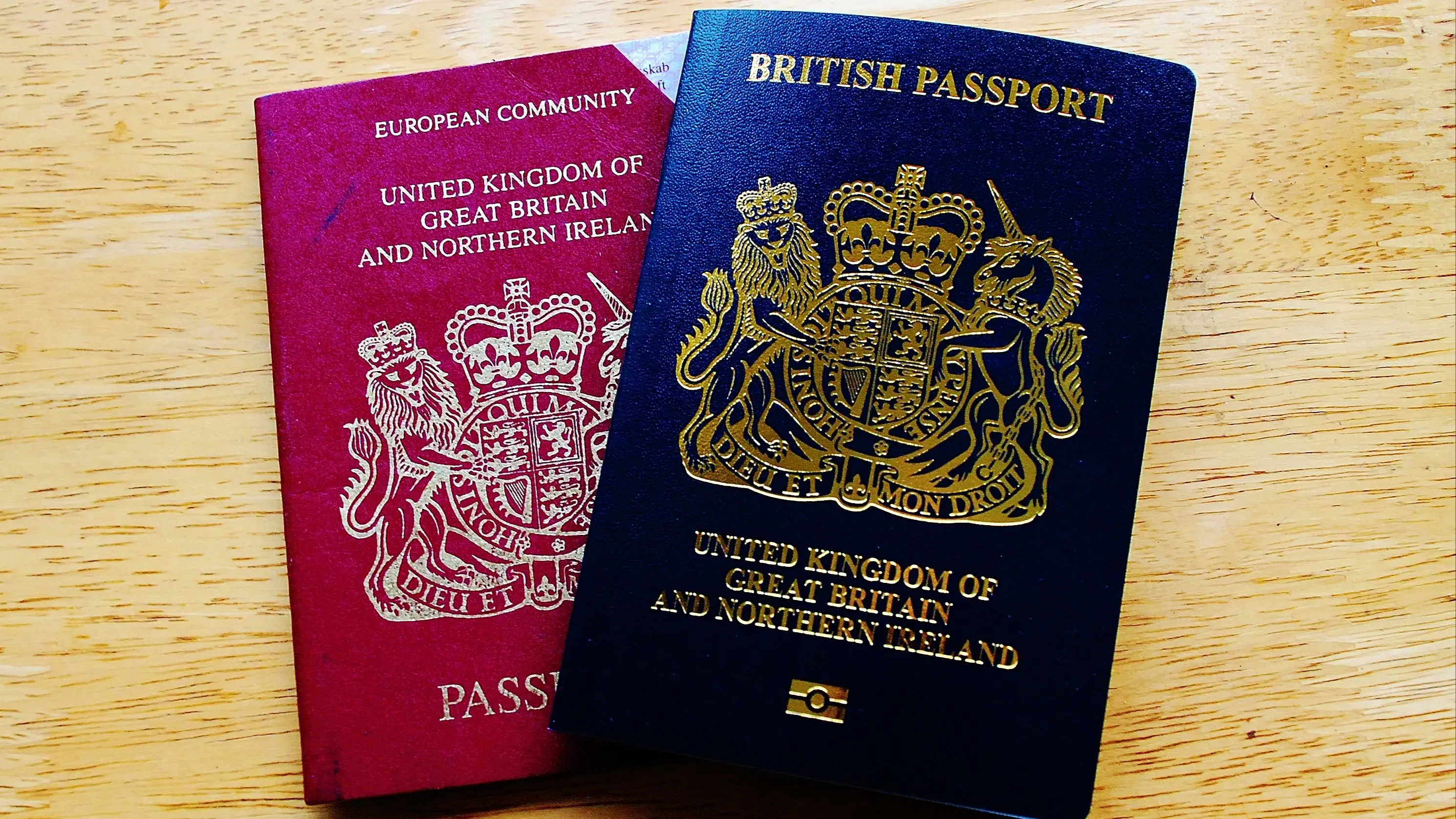
Warning to red passport holders as thousands are still being caught out by five-year old rule

British passport holders have been told to beware after more people fell victim to an old rule when it comes to their travels.
With the UK officially leaving the EU in 2020, the government outlined their passport validity rules ahead of 2021.
This came years after the infamous EU referendum in June 2016, resulting in the nation voting to leave.
Under these new rules, travellers had to be more vigilant when travelling from country-to-country, as it was stated that passports could only be valid for up to 10 years, with months rolled over from previous passports now no longer permitted.
Advert
Brexit has also resulted in UK passport holders having less freedom when travelling across the EU and Schengen Area, with Brits no longer benefitting from the free movement rules that members of the EU get.
Brits now must follow the rules in place for much of the world when at border control, lining up with the majority.

But there is another rule that those overseas should bear in mind before buying a ticket overseas at all, and it's all to do with the length of validity of the passport.
Along with passports only being valid for 10 years, it also must have between three to six months of validity left, which is enforced by a chunk of countries.
These rules have caused a headache for some, with the son of an elderly couple revealing that his mum's passport was issued over ten years ago and so his parents couldn't go on their planned cruise.
Speaking to The Times, Ben said: “Unfortunately, my mum’s passport fell foul of the ‘not issued more than ten years ago’ passport rule for entry to the EU, and so at the terminal, despite having six months’ validity left on the passport, and after a terribly stressful journey down during a storm, they weren’t allowed to board.
“Clearly they had never heard of this rule, and I freely admit, nor had I.
“Having asked many people, it isn’t well known.”
The rules have been around since Brexit was finalised and figures suggest that up to 100,000 travellers per year are turned away at airports due to their passports being over 10 years old.
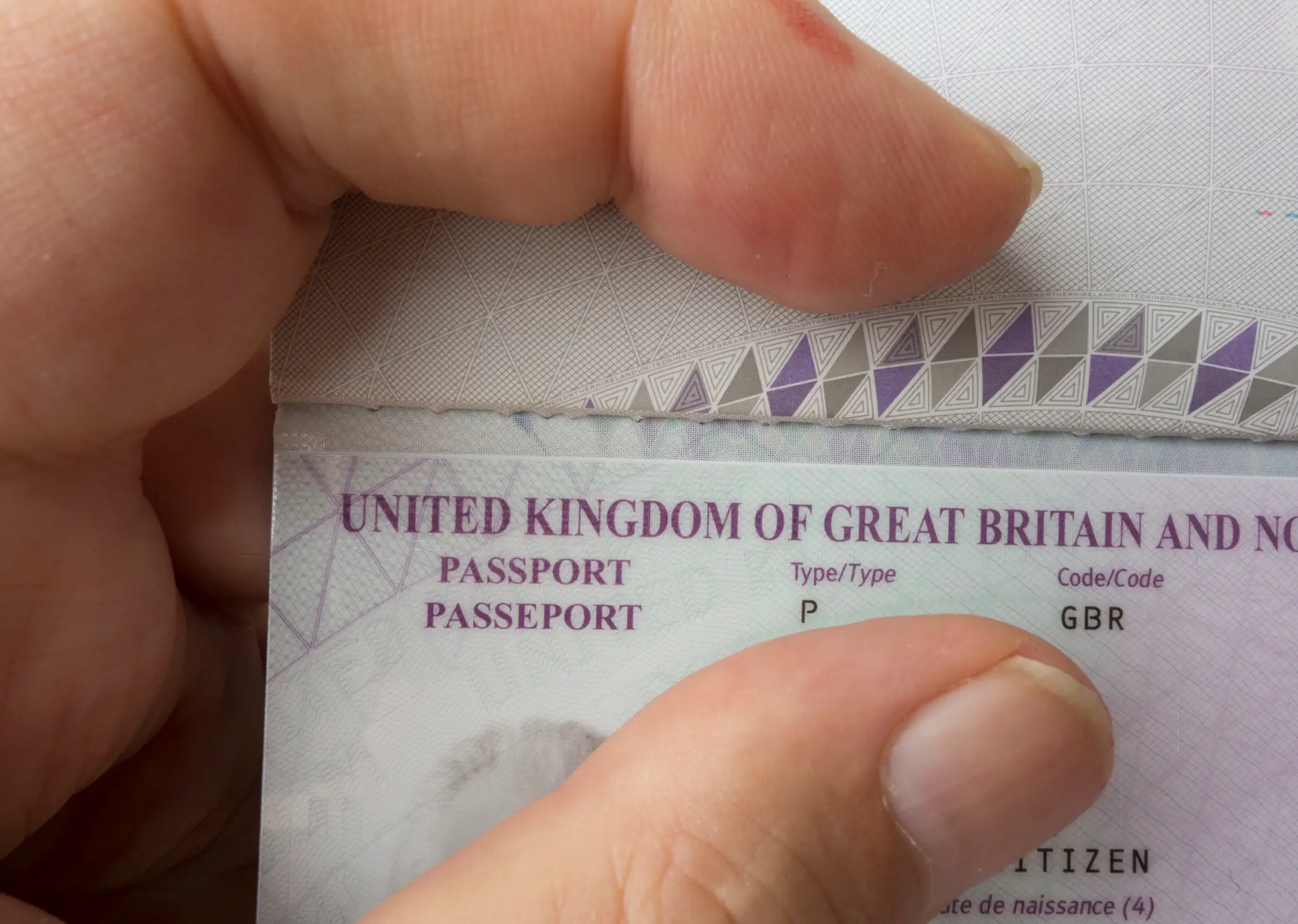
As a pointer, holidaygoers should be looking at the start date of their passports, not the expiry date, to check its validity.
Even if your passport expires in March 2026, if it has a September 2015 start date, it has now officially expired.
Different countries have different requirements, with the majority of European countries needing visitors to have just three months left on their passport.
But countries in Asia such as Thailand and the UAE need you to have six months left, in addition to a passport that is less than a decade old.
The last red or burgundy passports will expire in 2030 after Boris rolled out the blue passports back in 2020, with an updated blue passport also being rolled out this month.
This is due to designs now featuring King Charles‘ Coat of Arms, instead of Queen Elizabeth's, while also being issued by His Majesty’s Office instead of Her Majesty’s Office.
The cost of renewing passports also went up in April, increasing from £88.50 to £94.50 for adults and from £57.50 to £61.50 for children if done online.
 Joshua Nair