Woman who 'couldn't use arms and legs' left 'terrified to go out' after horror spiking incident

Warning: This article contains discussion of drink spiking and sexual assault which some readers may find distressing.
A woman who 'lost the use of her arms and legs' during a night out with her friends has spoken out about the 'terrifying' spiking incident.
It comes after shocking investigations revealed how police uncovered new lengths people are going to to spike victims, including through the use of vapes and everyday medicines.
The Metropolitan Police were among forces issuing stark new warnings earlier this week, urging people to be vigilant after an increase in spiking cases.
Advert
While offences are typically linked to bars and clubs, detectives say they are investigating incidents at house parties, student accommodations and other private settings.
According to Drinkaware, an estimated one million UK adults experience drink or substance spiking each year, with only between 7,000 to 9,000 official cases reported annually to police forces across the country.
Vic Dooney, now 41, had been out with friends in Blackpool for her 40th birthday celebrations when a drink she had left unattended in a bar was allegedly laced with a substance.
She couldn't get off the toilet and was 'bent over like a pretzel', leaving her 'unable to use her arms or legs' and needing to be carried back to her accommodation.
Since the incident last September, which resulted in no charges, she says she has been reluctant to venture out and visit other bars, pubs or nightclubs for fear of being targeted again.
"My arms and legs weren't working"
Speaking to LADbible, Vic explained: "We'd been to a couple of pubs in the afternoon, but I wasn't drunk. I'd had a few drink, I was just in a good mood and having a good time.
"We were all on sort of the same level. We went to a pub that my friend owns and it was in there that I put my drink down and was dancing with my friends.
"Once we walked out of there we went to the next place, I walked up the stairs to go to the toilet, and I couldn't get off the toilet. My legs stopped working.

"I could remember everything. I remember being walked home after it. So the bouncers came to help me and my friends had to walk me back to the apartment and I kept saying to them 'I can walk', but they said, 'No, you can't'."
Vic said she 'kept bending over like a pretzel' and was unable to stand upright, describing the ordeal as the 'worst experience ever'.
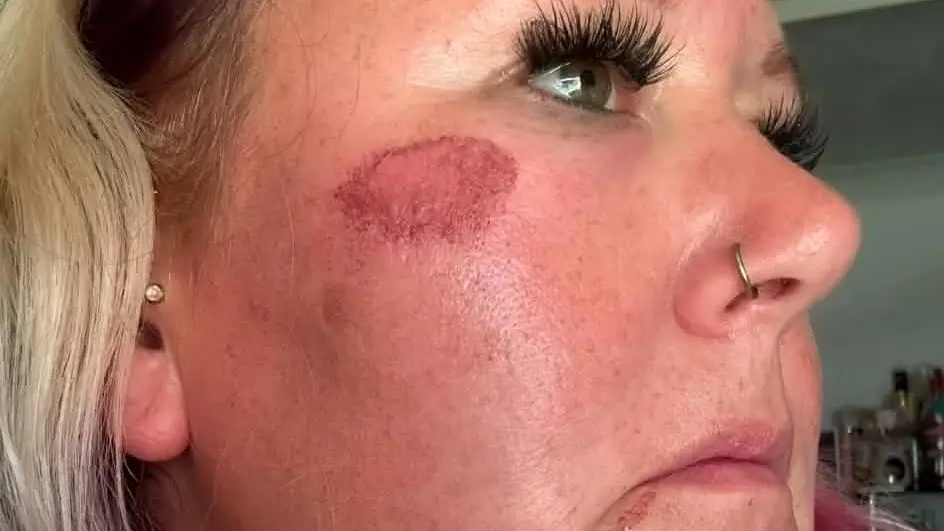
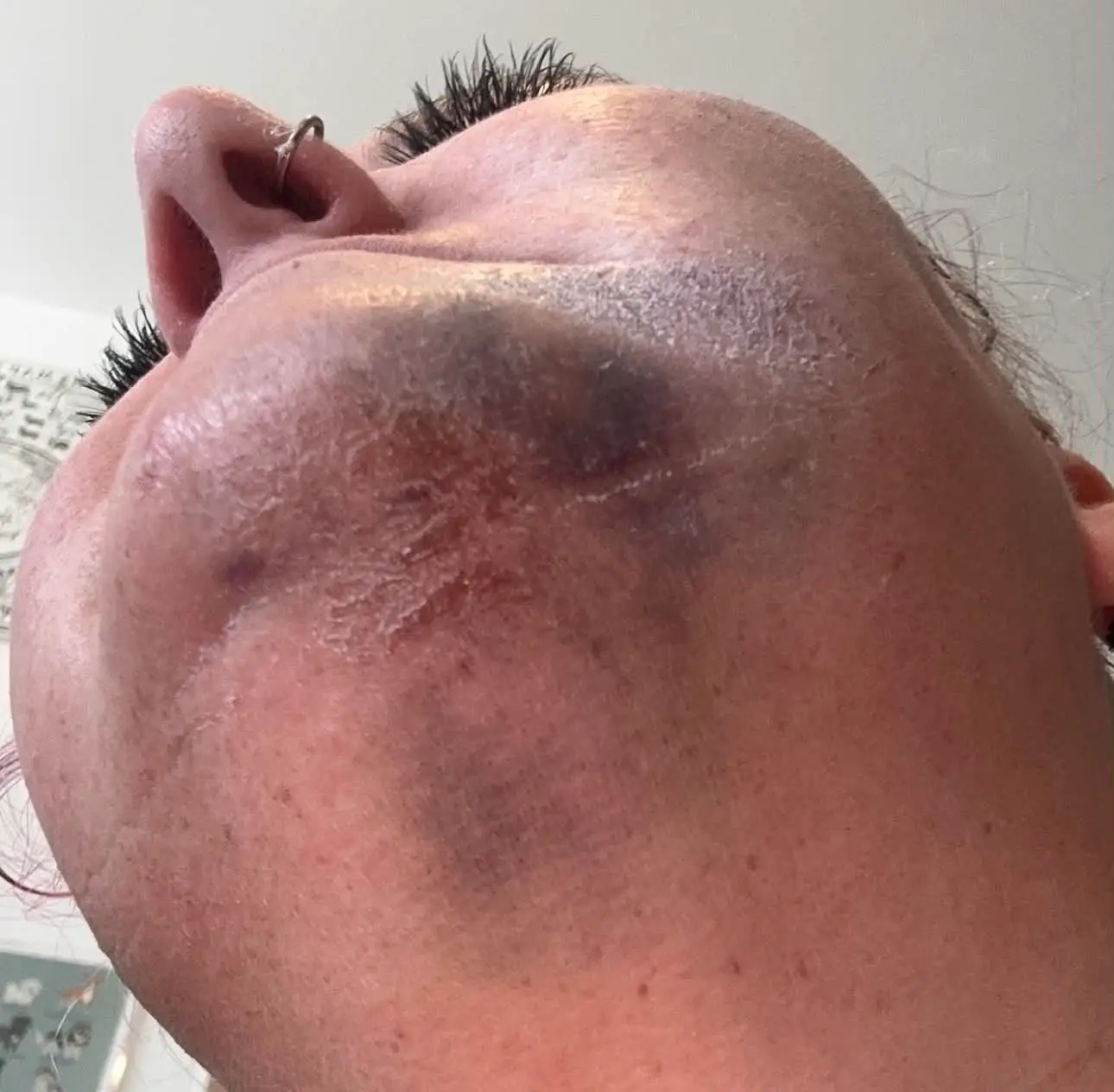
After arriving back at the accommodation, she fell over and badly bruised her face and arms, taking pictures of her injuries.
"I knew what was going on in my head but my arms and legs weren't working at all," she continued.
"It was horrible. The worst experience ever. We got back and I fell over on my face and it scarred.
"It was so scary at the time. It's just the fact that most girls go out and have a drink and can put their drink down, but it's not safe to that these days at all.
"You need to have the covers on the tops of them. But I've not had a night out away from my local pub since that night.
"I am just far too scared to go out into a city or anywhere bigger than my local pub, because I know everyone. It could still happen in a local pub and I keep an eye on my drinks.
"You should be able to go out and be able to have a good time and not be keeping an eye on your drink 24/7, but unfortunately these days it isn't safe to do that."
Predators find new ways to spike victims as incidents increase
Earlier this week, London detectives said that predators in the capital are becoming more advanced, using vapes containing THC or Spice, alongside high doses of everyday medicines like antihistamines and travel sickness pills that cause drowsiness to spike unsuspecting victims.
The Metropolitan Police said more than 2,700 spiking-related offences have been reported to the force in the past year.
However spiking cases are complex to investigate because the drugs are rapidly metabolised in the body, so victims are urged to report the crime quickly.
Det Supt Dan Thompson, the Met's spiking lead, explained: "The nature of spiking is changing. We're seeing offenders use a wider range of substances than ever before, including everyday medications and substances added to vapes, while increasingly targeting victims in private settings such as homes, parties and student accommodation.
"Many of the substances now being used leave a narrow forensic window, which is why reporting as quickly as possible is so important."
The force said drugs like cocaine and ketamine can be used, but that there are 'increasing cases' involving readily available medications, including antihistamines and travel sickness drugs that can cause drowsiness, confusion, memory loss and reduced awareness when administered without a person's knowledge.
Also this week, an investigation was launched into rumours of students planning to 'spike the drinks of freshers' at the University of Bath.
A screenshot of a text message from an anonymous student circulated online which claimed she had overheard young men talking about spiking her and her friends at a pub.
A spokesperson for the University has said: "We are aware of allegations circulating on social media channels about intentions to spike drinks during Freshers’ Week.

"We take these concerns extremely seriously. University of Bath students undertake mandatory NeverOK training that aims to tackle all forms of harassment, bullying, sexual misconduct and discrimination.
"The safety and wellbeing of the student community in Bath is our priority. We are proactively investigating the matter to establish the facts. We are already liaising with our own student community and external partners."
According to SpikeAware UK, most victims of spiking attacks are young females in their late teens and early twenties. However, any gender and any age can be targeted.
The organisation said that the majority of spiking attacks go unreported because the victims have been drinking alcohol and are fearful of not being believed and accused of drinking too much.
LADbible previously launched its End Spiking. Now campaign aimed at raising awareness onf the severity of the drink spiking problem in the UK.
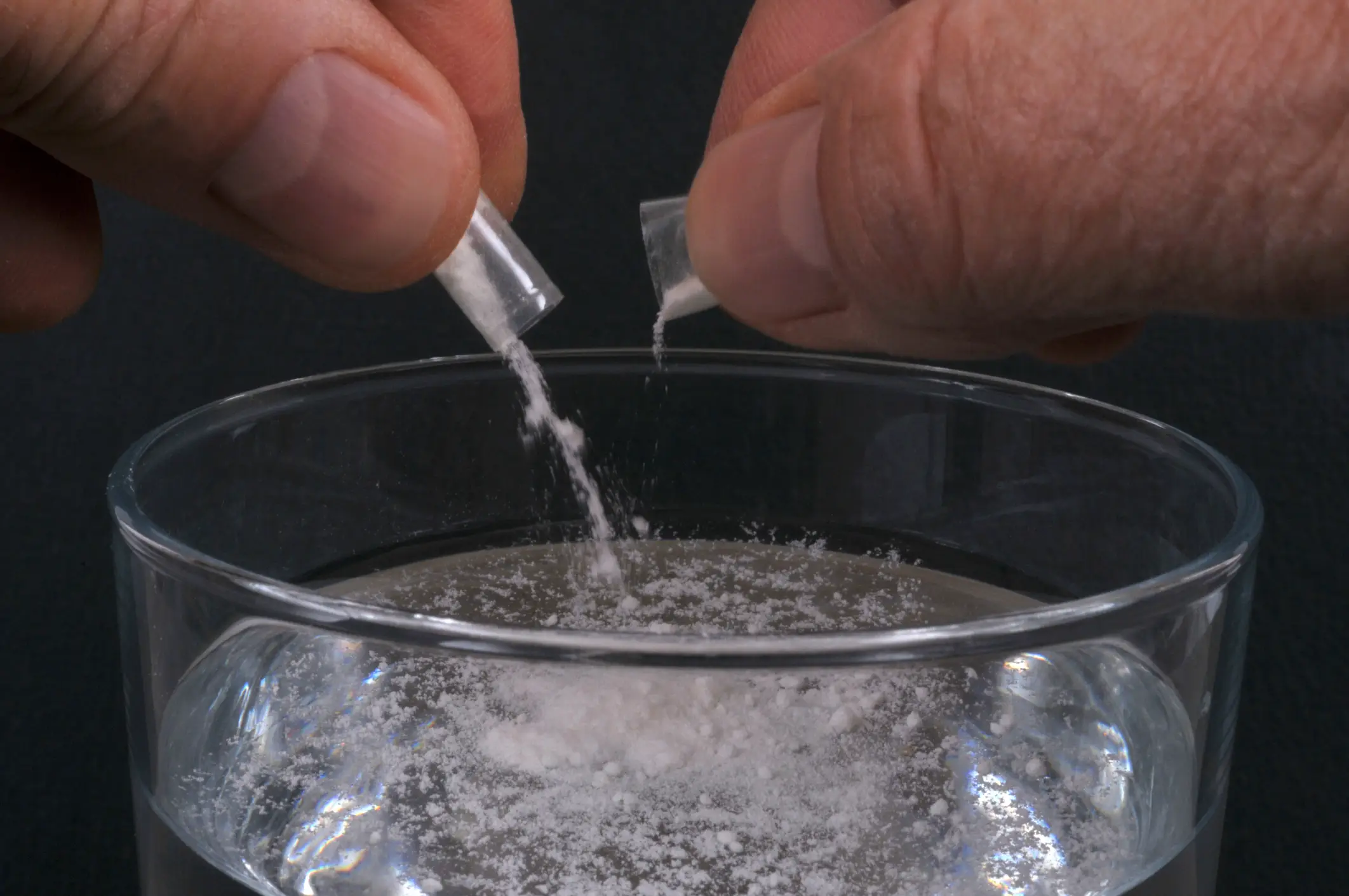
Drinks are typically spiked by a predator covertly adding extra alcohol, prescription sedatives, or illegal drugs into a beverage without the person’s knowledge or consent.
Drinkaware said beverages can be laced with the likes of Rohypnol or Gamma Hydroxybutyrate (GHB), which are the most commonly known ‘date-rape’ drugs.
They can both be used to commit physical and sexual assaults as they incapacitate victims, but it's unlikely drinks will smell or taste different.
Vic is 'looking over her shoulder' after spiking ordeal
In Vic's case, she is forever grateful to her friends for supporting her, but says she is still 'looking over her shoulder' following the incident.
"If I didn't have all my friends helping me then god knows how it could have ended," she told LADbible.
"I could have easily been put in a taxi and taken anywhere. Anything could have happened as I couldn’t use my arms and legs.
"It’s terrifying to think what could've happened if they hadn’t have been with me or if I’d wandered off to the toilet on my own.
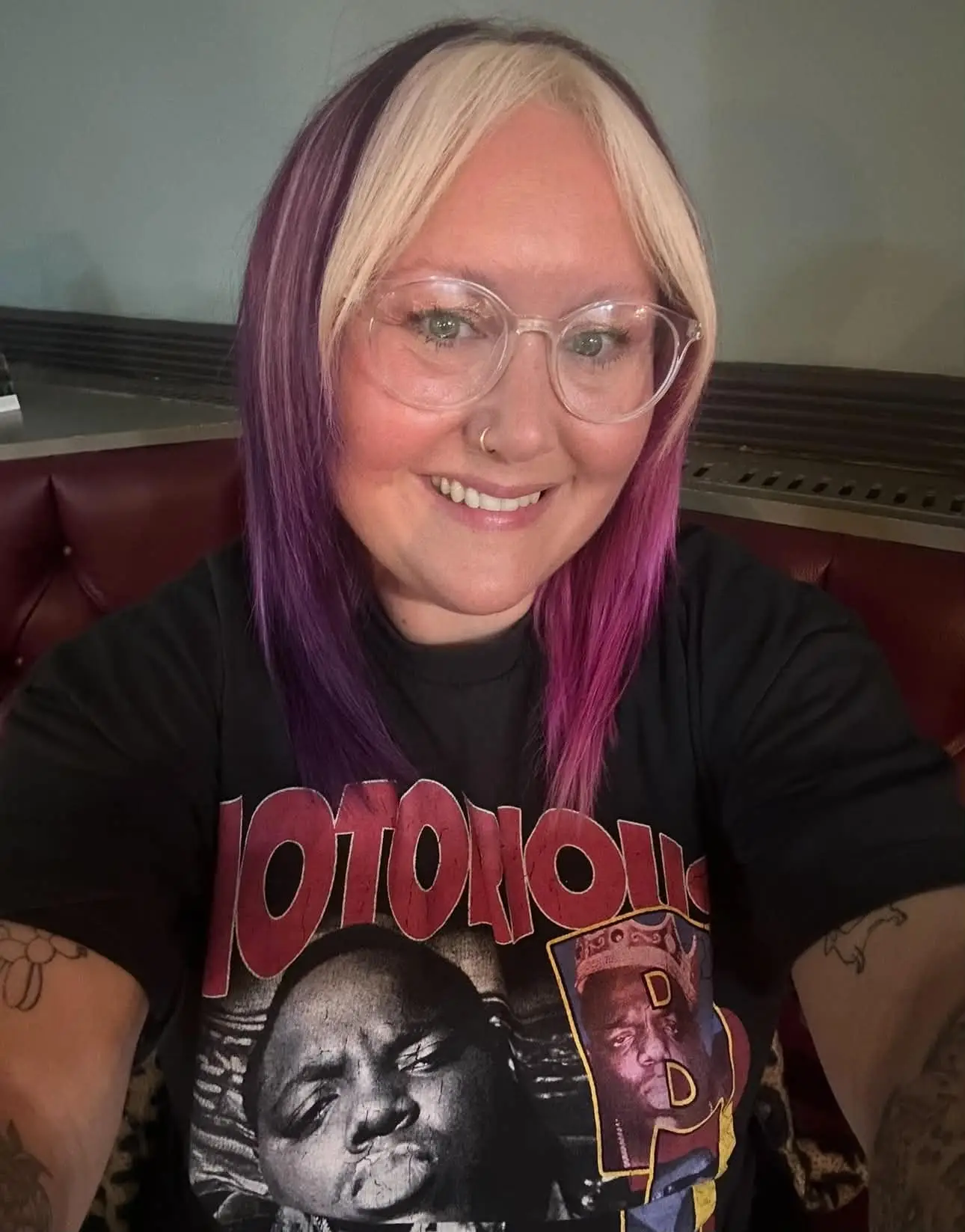
"The statistics aren't high on spiking as people don’t report it - and that needs to be highlighted. Any spiking incidents need to be reported to the police, even though doing that didn't massively help me."
And responding to the Met Police's new alert, she continued: "It is disgusting. My friend, after researching how I was, said that she thought I may have been spiked with spice. But they are using things that are so readily available, and the low conviction rate is what needs to be addressed.
"It massively needs highlighting. I went on my first weekend away with the girls a few weekends ago and took my drinks covers with me but I still didn’t feel comfortable.
"I definitely won't be going on one again, because I didn’t realise how much it had affected me until then. I was looking over my shoulder all the time and couldn’t relax. There are long-term effects it has on people."
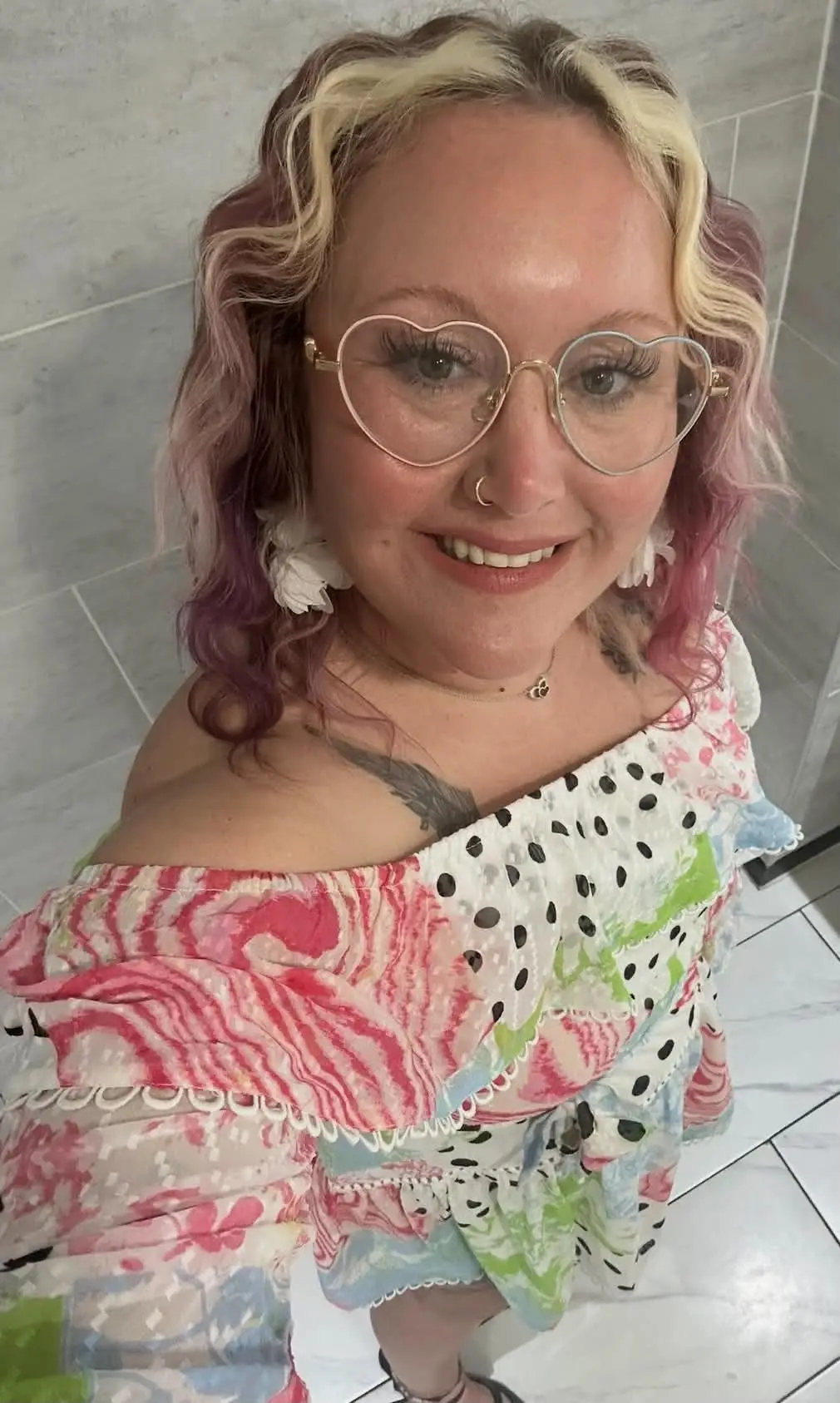
Historically and under current foundational laws, spiking has not been a standalone statutory crime.
Instead, GOV UK states police rely on a combination of offences to prosecute, including maliciously administering a poison or noxious substance to endanger life or inflict grievous bodily harm or administering a substance with intent to injure, aggrieve, or annoy.
In a recent statement, Michael Kill, chief executive of the Night Time Industries Association, told the BBC that 'clear messaging is essential' to make sure people are as safe as they can be when out in social settings.
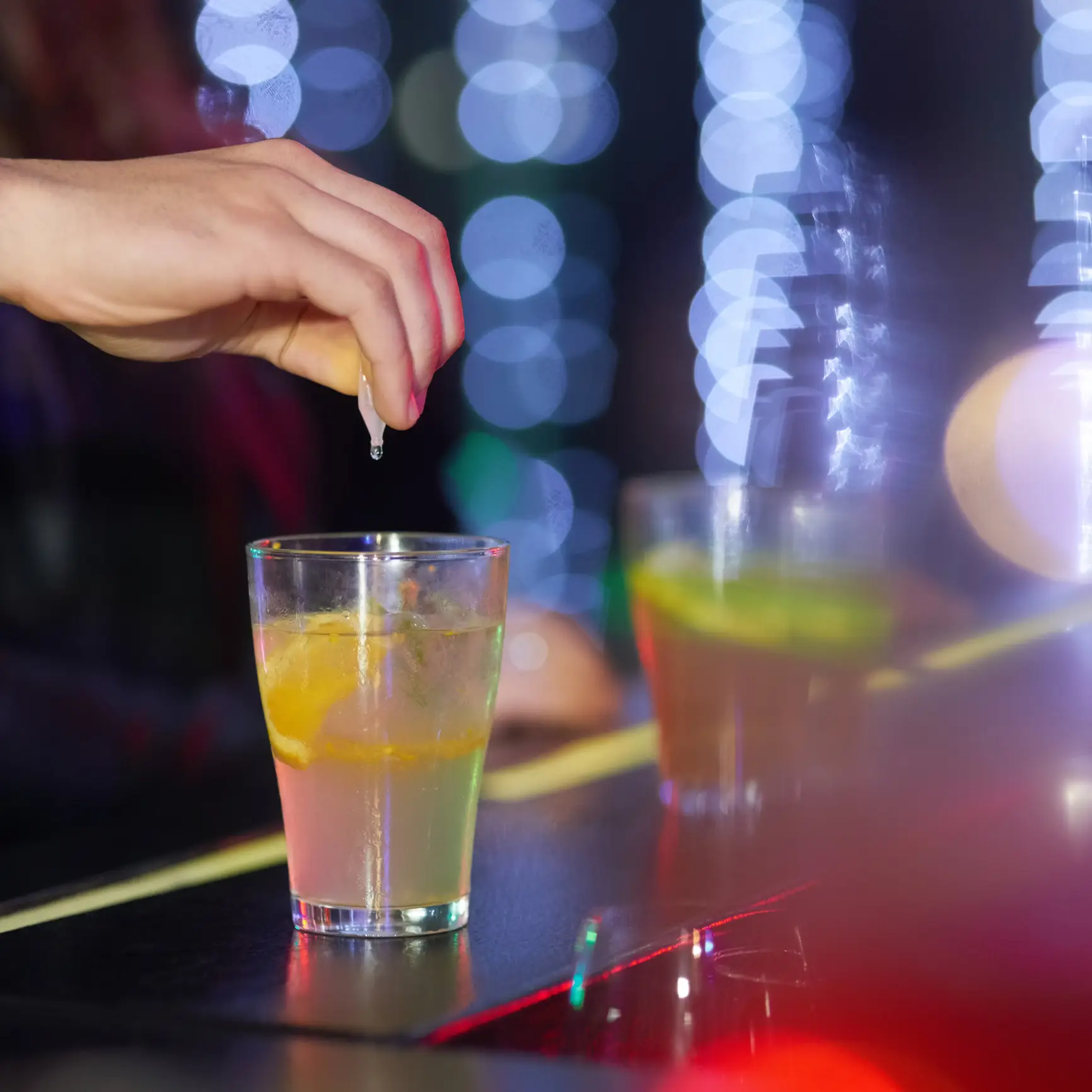
"The biggest deterrent will always be ensuring perpetrators are caught and prosecuted," she said. "That remains a considerable challenge given the limited detection windows associated with some substances and the speed at which evidence can disappear from the body.
"We need to ensure people understand the importance of reporting suspected spiking as quickly as possible, while continuing to improve detection, evidence gathering and the pathway from reporting through to prosecution."
If you’ve been affected by drink spiking, call 999 immediately if you are in danger. If you wish to report spiking to the police, it is advised that you call 999 or 101 as soon as possible. You can also report it online if your local police force offers this service.
For support after experiencing drink spiking, you can contact Victim Support on 08 08 16 89 111, which operates 24/7 every day of the year including Christmas. You can also use their live chat service.
 James Holt