What Bank of England interest rate decision means for first-time buyers seeking mortgage

The Bank of England has announced it will continue to hold interest rates at 3.75 percent, meaning those looking at getting a mortgage are left waiting for borrowing costs to come down.
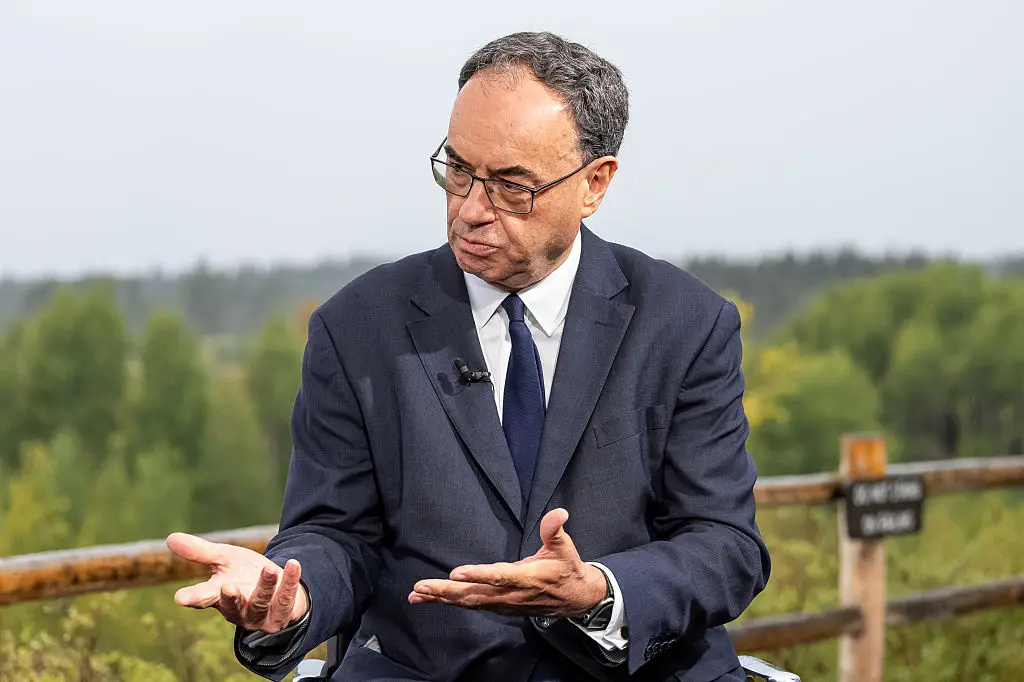
Explaining their decision over interest rates Andrew Bailey, Governor of the Bank of England, explained that they were currently keeping things where they were, but warned that if the situation continued then they'd have to look more carefully at raising the rate next time.
He said: "Today, we’ve held Bank Rate at 3.75 percent.
"So far, higher global energy costs have had a limited effect on price and wage setting in the UK.
Advert
"But the longer this volatility persists, the bigger the impact it will have on inflation, and the more likely it is we will need to raise Bank Rate to ensure that inflation falls back to our 2 percent target."
They noted that conflict in the Middle East and inflation rising to 3.1 percent had put pressure on them, with them predicting price rises to come, but they're not seeing it have too much of an impact on the cost of living just yet.
The vote on rates went 6-3 in favour of keeping them in place, with the three voting against it having supported raising the rate to four percent.
What is the new Bank of England interest rate
The rate has been held at 3.75 percent, the same as it was last time the Bank of England had to make this choice.
It'll next be reviewed on 5 November, and with Andrew Bailey saying it may need to be increased in time that's the next date to watch out for.
Over the past 20 years the Bank of England has raised interest rates to highs of 5.75 percent at the end of 2007 only for them to have been pulled down to 0.5 percent by early 2009 as the global financial crisis took hold.
There it stayed until the middle of 2016 when it was dropped even lower to 0.25, with it climbing up slightly until the coronavirus pandemic led rates to be dropped to a minuscule 0.1 percent.
Since then it has been raised rapidly to 5.25 percent in 2023 before being brought back down to 3.75 percent.
When the Bank of England does it this is called the Bank Rate, and it's the rate of interest they pay to commercial banks, building societies and financial institutions that have money with them.
It has a knock-on effect on those other institutions, and when rates go up it means people are paying more on their borrowing like mortgages, while rates going down typically makes monthly payments on a mortgage cheaper.
The types of mortgage affected
First-time buyers looking to shop around will likely already know this, but there are different types of mortgages on the market that will be reacting to today's news differently.
Those either on a fixed-rate mortgage or looking to get one won't be impacted at all as their rate stays stuck in place until their deal ends, so their monthly payments won't be going up just yet.
The deals on offer can depend on the Bank Rate, so those aiming to start paying a mortgage will still want to be aware of them.
It's always worth keeping track of the financial situation to know what sort of ground you'll be stepping onto when your deal is up, as banks will typically put you on a variable rate afterwards unless you strike a new deal.
Speaking of variable rates, it's up to the bank to decide when that changes and the actions of the Bank of England don't guarantee they'll follow, though it does set the tone for the rest of the market.
Meanwhile, people on a tracker mortgage typically do follow the Bank Rate so fluctuations will affect their monthly payments, with cuts in the rate being good and rises costing them more each month.
The Bank of England holding the rate in place means people's payments will stay the same, it's up to those looking to take a step on the property ladder or re-mortgage their home to factor it into their decision making.

What does the decision mean for first-time buyers?
Lee Trett, director and co-founder of Money Helpdesk said mortgage lenders had expected interest rates to be held and priced that into their current offerings, so prices won't change quickly.
With the rate staying where it was at 3.75 percent he suggested that while it's not time for house buyers to pop the champagne stability is better than chaos.
Trett also suggested that first-time buyers shouldn't be 'waiting for the Bank of England to do the heavy lifting'.
He said: "The latest rates hold won't trigger celebrations among first-time buyers, but stability is far better than the turmoil of recent years.
"The biggest mistake buyers make right now is sitting on the fence waiting for a dramatic rate crash that might never arrive, at least for the foreseeable.
"Lenders have already priced a hold into their current product range, so today's announcement won't suddenly make mortgages more expensive overnight.
"If you're trying to get on the property ladder, the game hasn't changed: it's largely about affordability criteria rather than headline rates.
"Lenders are getting far more creative to help first-time buyers, with initiatives such as stretching income multiples up to six times salary or higher and using rent payment histories as a measure of creditworthiness.
"Instead of waiting for the Bank of England to do the heavy lifting, focus on getting your deposit built up as much as possible and finding a lender whose specific criteria and appetite for risk fits your actual financial picture."

What happens if rates increase?
Given that the Bank of England governor has commented on the possibility of raising the Bank Rate in the future and three of those with a vote backed putting it up, it's something that needs to be considered.
Trett had said that in the event of an increase it'd be a 'complete punch in the gut for first-time buyers' who were already trying their hardest to pass affordability checks.
He warned that 'a quarter-point rise could easily be the difference between approval and rejection' for those who were just on the cusp of being able to afford a mortgage.
However, should it happen then the financial expert is urging people not to panic or rush into a deal as that's 'the worst thing you can do'.
If such a situation comes to pass his advice is 'damage control' and suggested those already on rates to 'hold onto it tightly'.
As for first-time buyers, he suggested 'adjusting your target purchase price' and trying to negotiate harder with sellers on the asking price.
For the next time the rate might change you should remember, remember the fifth of November.
 Joe Harker