Brit tourist lucky to be alive after taking picture on a beach

A tourist has explained how innocently taking a video at the beach turned into a terrifying 'brush with death'.
Andy McConnell, who you may recognise as an expert glass appraiser from Antiques Roadshow, explained that he only realised his near-fatal error after posting the footage online.
The historian and author, 72, has been sharing regular updates of his travels on his social media accounts while 'exploring the world alone'.
He's currently made a pit stop in the Philippines and has been documenting all of his adventures so far, including a host of exotic animals he's bumped into along the way.
Advert
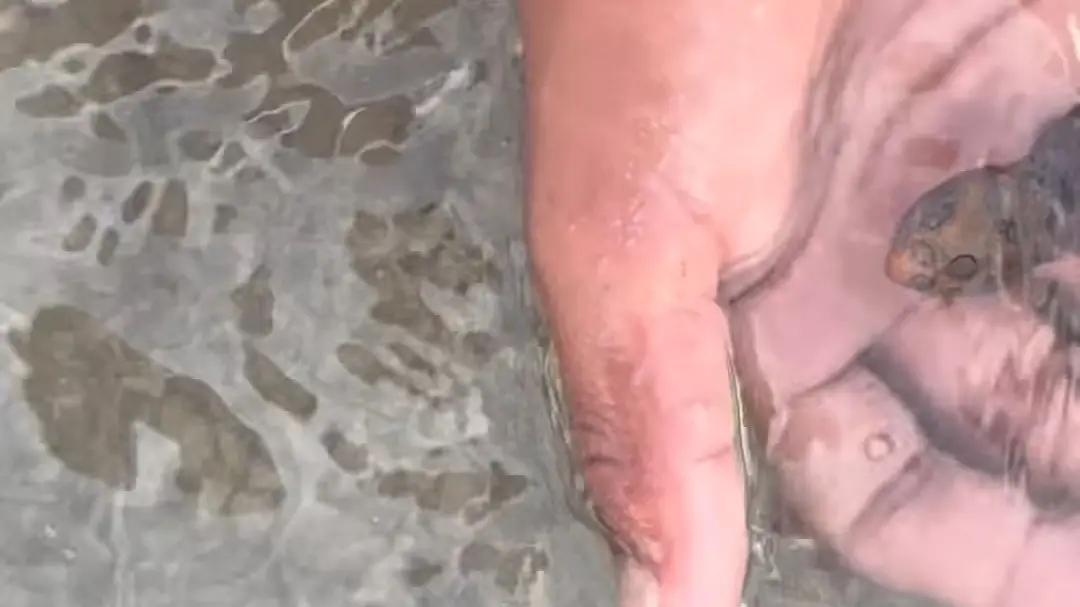
On Wednesday (10 December), Andy shared an Instagram post explaining that he had encountered a 'baby octopus' during his morning walk along the beach.
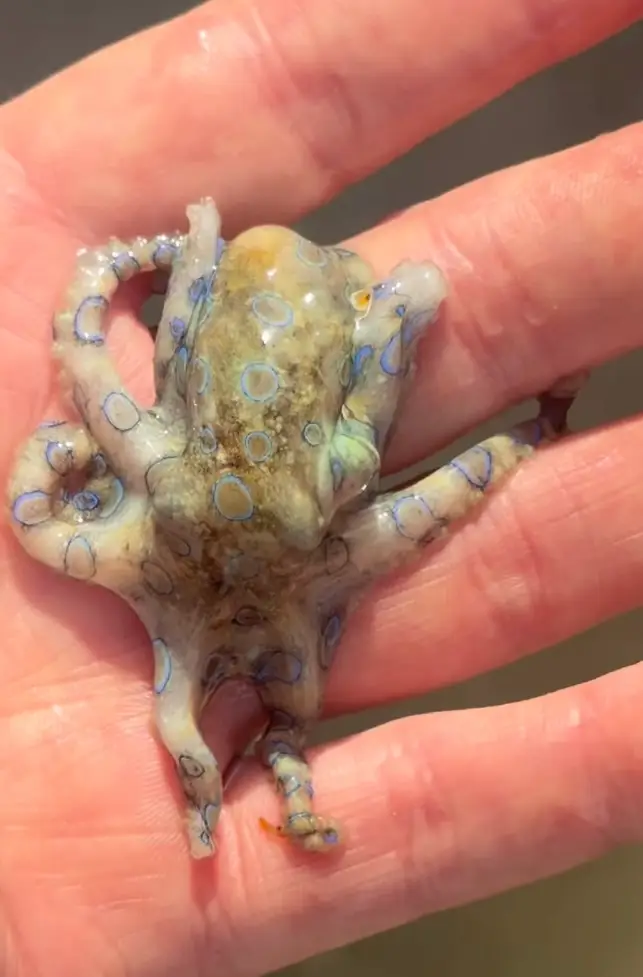
He explained that he had spotted a gang of local kids 'passing it between themselves' before they released it into a rock pool, so he went over to take a closer look.
However, the TV star admitted he was 'oblivious to the peril' he put himself in by 'copying their actions' and handling it, as it turns out that it's one of the most venomous sea creatures on the planet.
What Andy thought was an innocent baby was actually a blue-ringed octopus, which can kill you within a matter of minutes if it manages to get its chops around you.
What makes matters worse is that these bites often don't hurt, so people might not know they've been bitten until it's too late.
Blue-ringed octopuses, which are typically found in Australia and Japan, are packed with enough venom to take out more than 20 people, according to the BBC, and there is no antivenom available.
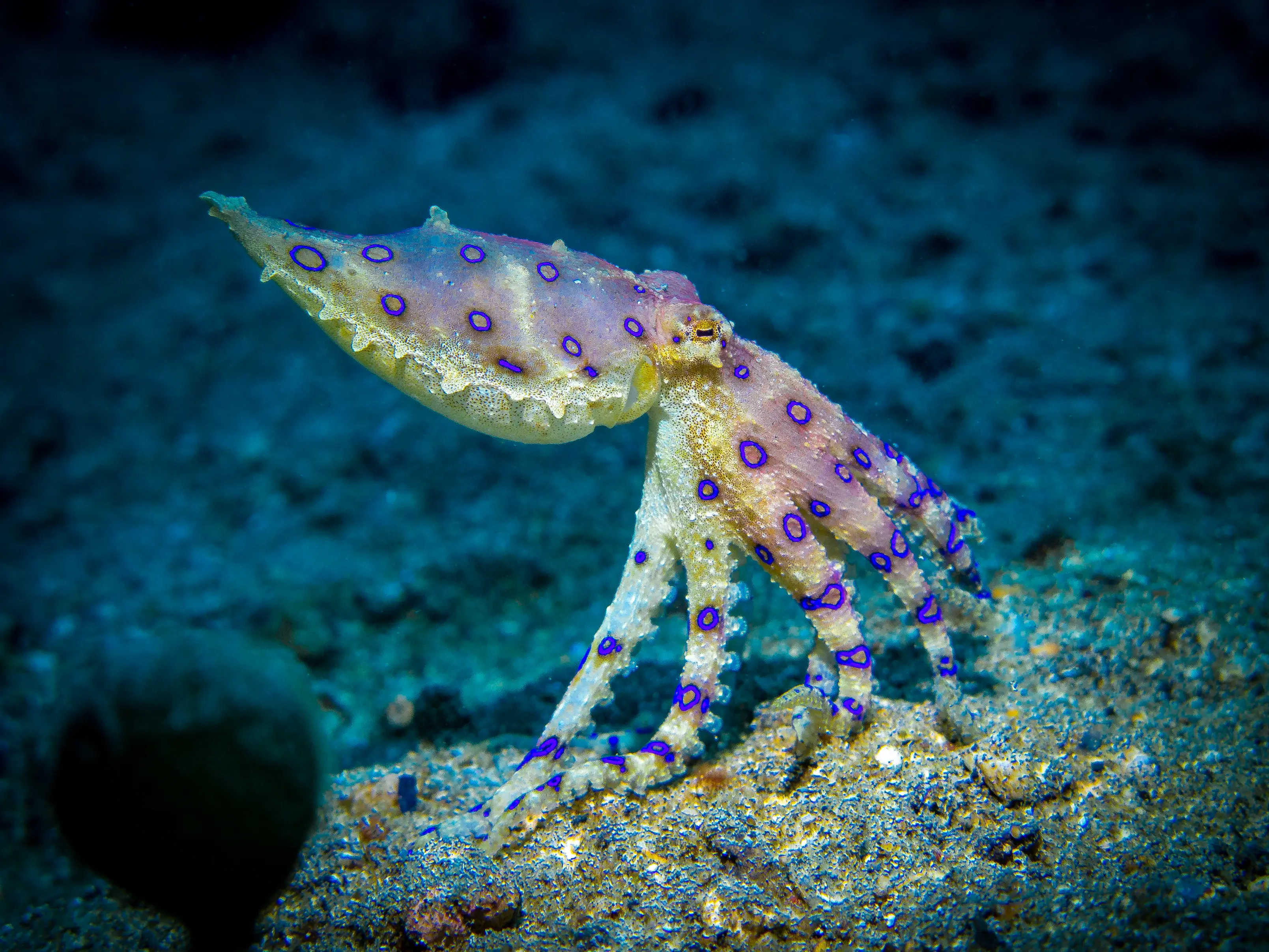
Detailing its deadly power, the Australian Institute of Marine Science explains: "Within its salivary glands live bacteria, which produce the chemical tetrodotoxin.
"This is a strong, fast-acting toxin that paralyses the target by blocking the nerves from transmitting messages. This toxin can be fatal."
Blue-ringed octopuses are quite the wolf in sheep's clothing, as their alluring appearance often lulls people into a false sense of security.
So, although it might make a cracking Instagram picture, the last thing you'd want to do is handle one, which is what Andy did.
Although he hasn't reported that he was bitten, the globetrotter is well aware that he had an extremely 'close encounter with death'.
In a post explaining his mistake, Andy said: "Exploring the world alone, 11,000km from home, inevitably involves taking risks.
"But nothing as extreme as my apparent brush with death, which was both inadvertent and to which I was entirely oblivious until I posted about it.
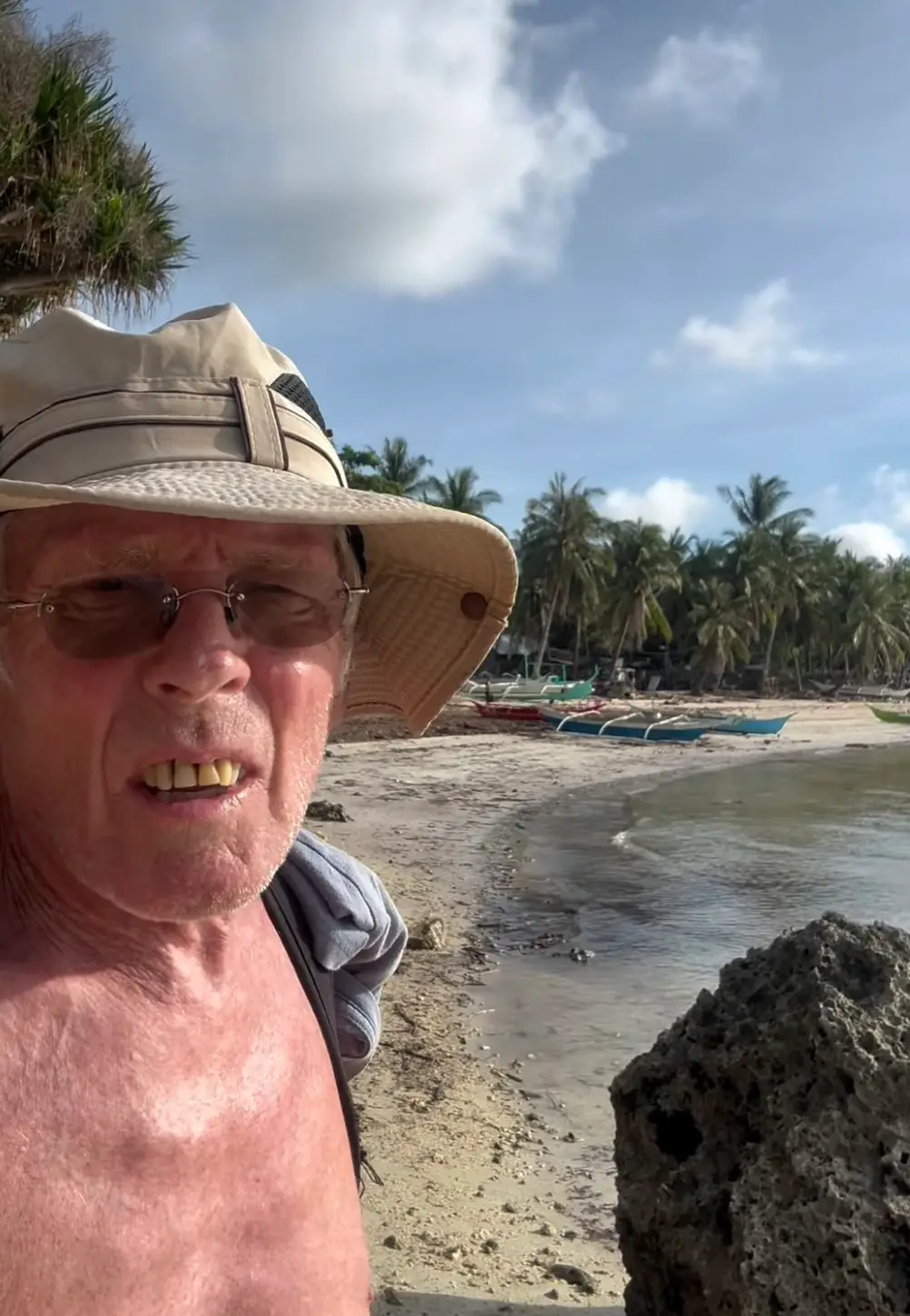
"I posted about it last night, but remained oblivious to the peril I had encountered. That is until today when I noticed the attention it was generating on Instagram. It has just passed 500,000 views!
"Turns out that it was a blue-ringed octopus, instantly recognisable to Aussies & others as the world’s first / second / third most venomous animal!
"If you don’t believe me, read some of the comments it’s generated. Most have been polite, others revolting and snotty."
He wasn't exaggerating about the comments, either - as one stunned social media user told him that their 'whole body just turned cold' after watching the video.
Another said: "Really hope someone there is fantastic at CPR," while a third added: "He’s lucky to be alive."
For those who fancy some closure about what happened to the blue-ringed octopus, Andy explained that it was placed into a 'sea urchin shell' by those on the beach.
He also took to Facebook on Friday (12 December) to explain that he had decided to educate the children whom he encountered on the sand about the dangers of the sea creature as well.
"The kids who had found and played with the world’s most venomous beast clearly had no more idea as to its dangers than me," Andy said.
"So I stopped in to talk to the head teacher at the local elementary school. She confirmed that all those involved were her pupils & agreed to target them with some specific education about the dangers of unfamiliar sea creatures.
"Lastly I showed the captain of the local coast guard what had happened. He instantly recognised the blue-ring & promised a campaign alert the local population as to its hazards."
Talk about a close call, eh, lads?
Topics: Animals, World News, Travel, Health
 Olivia Burke