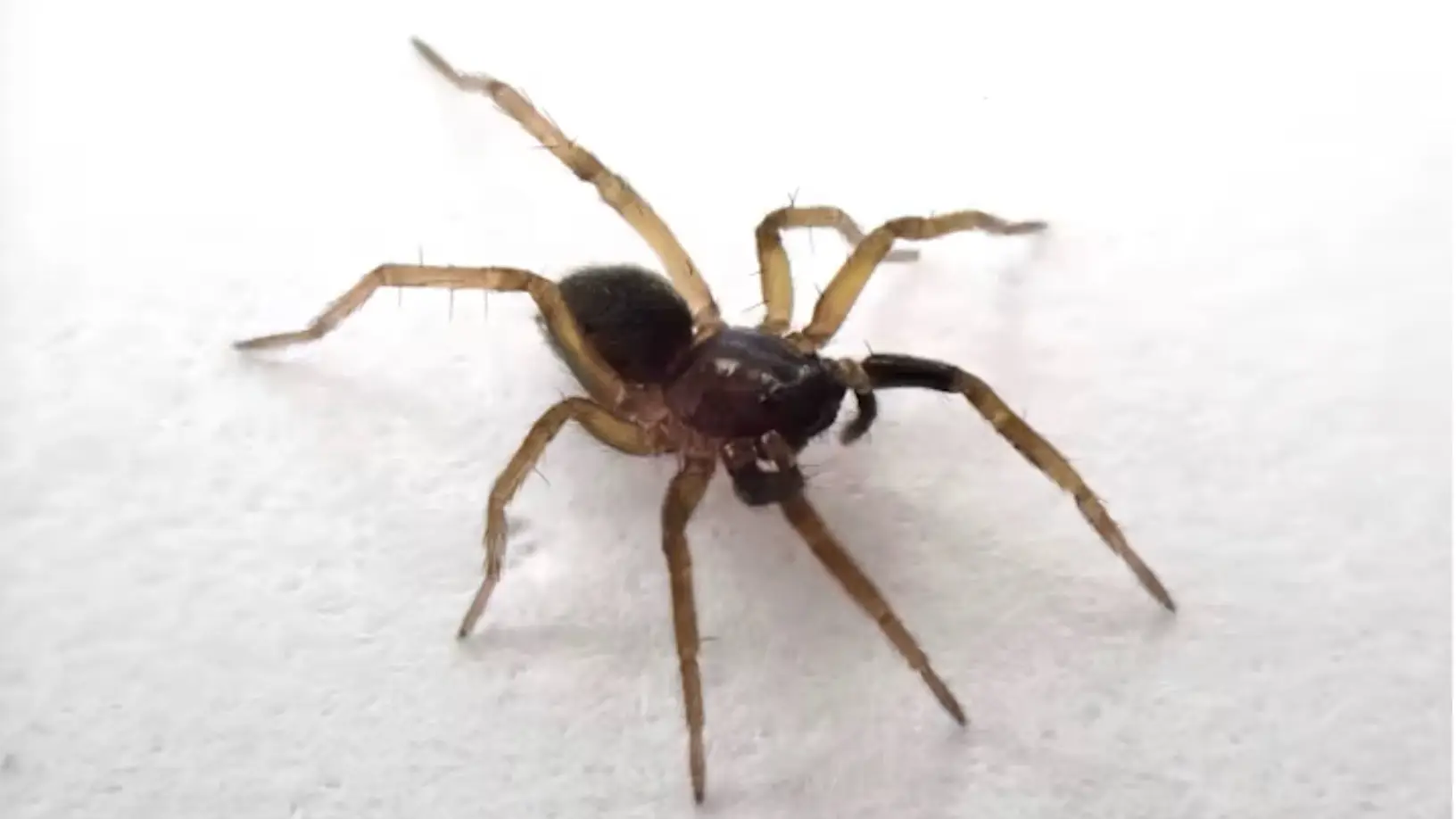
'Lost' species of spider discovered on Isle of Wight four decades after vanishing from UK

A 'lost' spider which hasn't been seen in the UK for more than four decades has been rediscovered on a nature reserve only accessible by boat.
The arachnid, which has been named the white knuckled wolf spider, because of its distinctive pale knuckles on its palps, was found on the Isle of Wight in an area inhabited by a flock of Hebridean sheep.
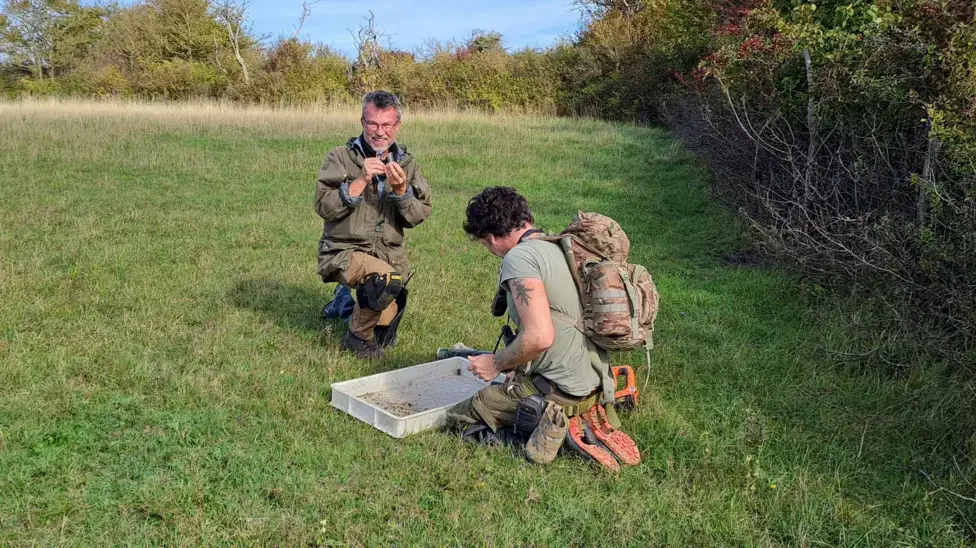
The 'thrilling' discovery was made by entomologists Mark Telfer and Graeme Lyons, roughly a mile away from the spider's former colony at the National Trust’s Newtown National Nature Reserve.
"This is one of those unforgettable discoveries. To find a species thought lost for 40 years is thrilling," Lyons said, as per the Guardian.
Advert
Perhaps what made the finding all the more thrilling was the fact that the spiders were only spotted minutes before the pair needed to head back to the boat, which was picking them up.
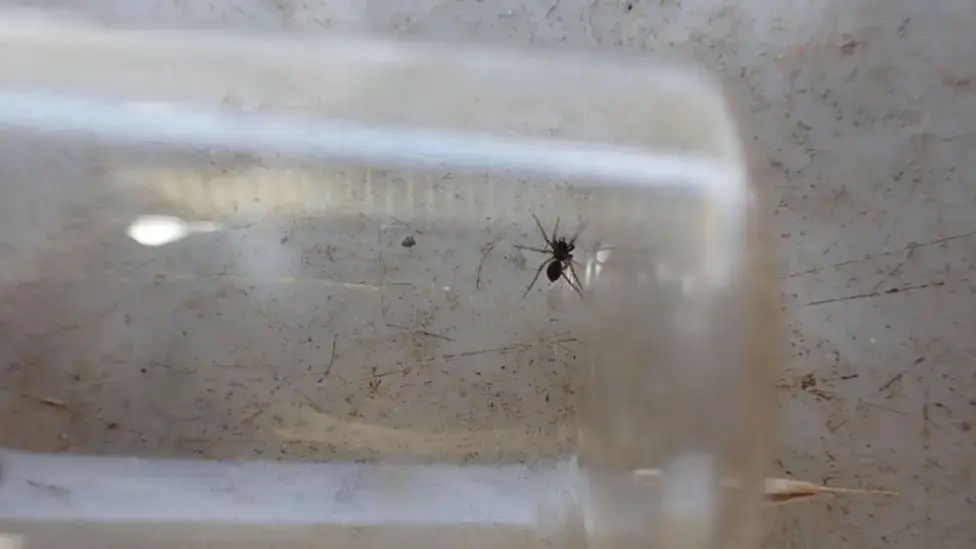
"I found the first one with just nine minutes to go, and the second one in the last minute," Lyons continued. "I’ve seen 559 species of spider in the British Isles and this one was by far the most exciting find."
This particular spider, officially named the Aulonia albimana, is part of the wolf spider family, with orange legs. However, this species had no common name until this recent discovery, in which they noticed the white 'knuckles' on the leg-like appendages on either side of the spider's mouth.
There are 38 known wolf spider species in the UK, however, this particular species has not been recorded here since 1985.
Helen Smith, the conservation officer for the British Arachnological Society, branded the discovery 'remarkable,' revealing it was previously believed to have become extinct.
"The remarkable discovery of this dapper little spider on the Isle of Wight is one of Britain’s lost species rediscoveries of the century," she said.
"With repeated failure to find it at its former sites, where its open habitat has been lost, it seemed increasingly likely that it had joined the country’s sad list of extinct species."
Next up, a team will need to be deployed to the area to try and establish just how many white knuckled wolf spiders are living in this particular area, while working out what conditions the species will require to grow its population.
Paul Davies, the countryside manager for the National Trust on the Isle of Wight, said: "We’ve been managing this rare limestone grassland for years to encourage a rich diversity of wildlife.
"To see that work paying off with the return of a species this rare is incredibly rewarding."
 Emma Rosemurgey