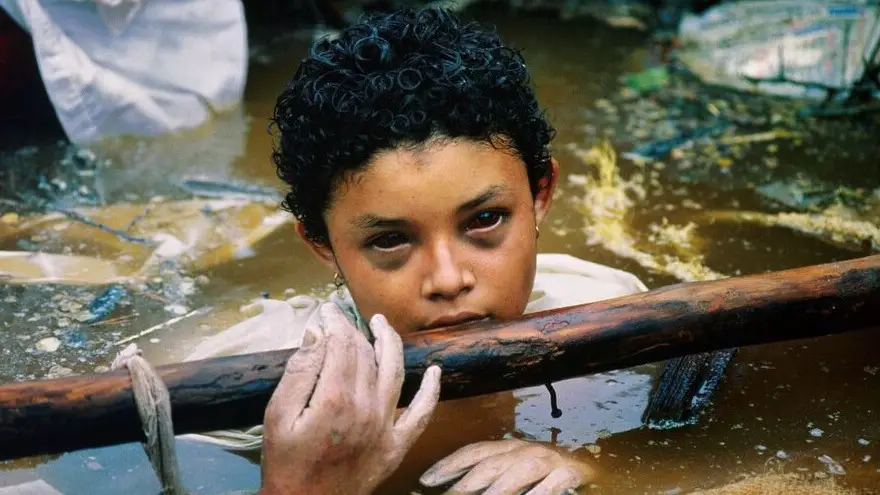
Tragic tribute left at scene where girl whose eyes turned black died after getting trapped

Warning: This article contains content some readers may find upsetting
On 13 November 1985, the Nevado del Ruiz volcano erupted in Colombia, killing 20,000 residents in the town of Armero.
While a number of them survived the initial eruption, many became trapped in debris or caught in the mudslide, including Omayra Sánchez.
You may know the 13-year-old better as the tragic girl with the black eyes from the infamous photo.
Advert
She spent 60 hours trapped before succumbing to the elements, with it accepted that rescuers were unable to save her.
A tribute was left at the scene, as Omayra became a symbol of the Armero tragedy with her final words heartbreakingly recorded as: “Mommy, I love you so much, daddy I love you, brother I love you."
What happened to Omayra Sánchez?
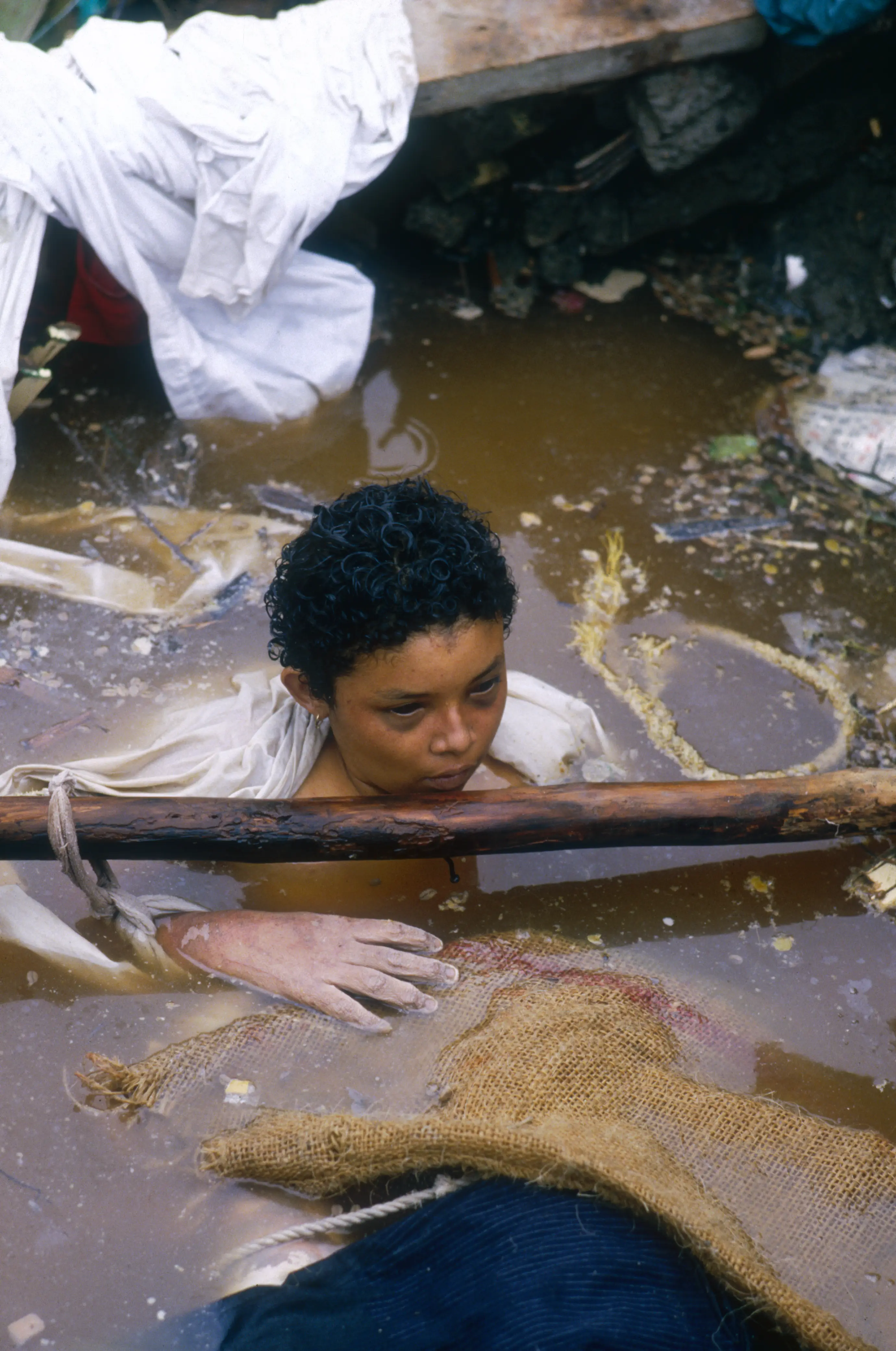
When photographer Frank Fournier arrived in Armero, he met a farmer who took him to the young girl ‘who needed help’.
The Frenchman explained that Omayra was ‘trapped from the waist down by concrete and other debris from the collapsed houses’.
“Dawn was just breaking and the poor girl was in pain and very confused,” he explained to the BBC decades later. “She could sense that her life was going.”
Omayra was ‘drifting in and out of consciousness’, having been ‘in a large puddle’ for nearly three days.
And about three hours after Fournier got there, she sadly died.
Why she couldn’t be saved
Multiple efforts were made to free Omayra from the debris, but in reality little could be done but to comfort her.
It was reportedly discovered that the girl’s legs were trapped by a brick door and her dad aunt’s arms under the water.
With a lack of the heavy equipment to rescue her, a tyre was placed around the teen to keep her afloat while people brought her sweets and drinks.
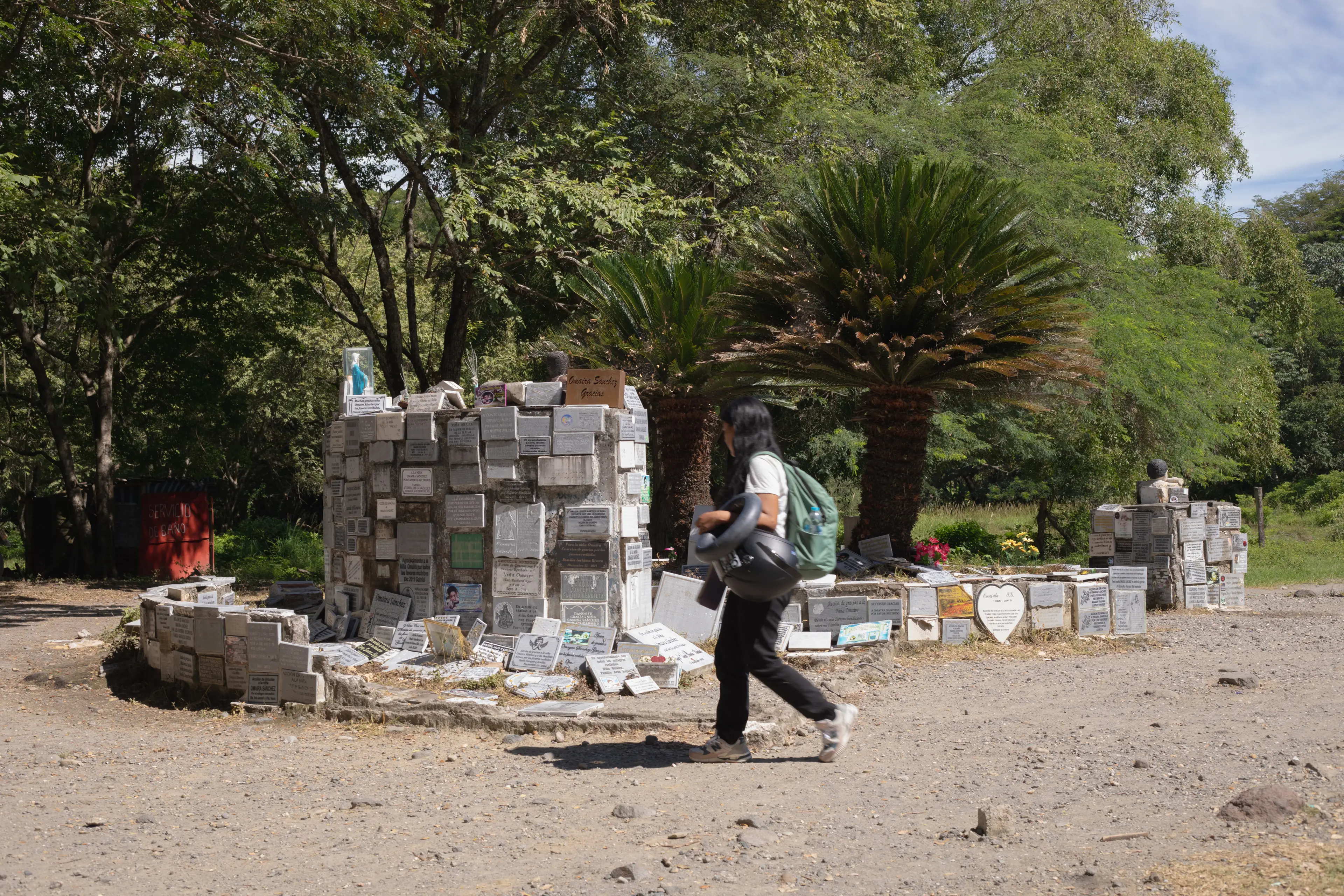
Fournier said it was ‘impossible’ to rescue her, as he explained: “There was an outcry - debates on television on the nature of the photojournalist, how much he or she is a vulture.
“But I felt the story was important for me to report and I was happier that there was some reaction; it would have been worse if people had not cared about it. I am very clear about what I do and how I do it, and I try to do my job with as much honesty and integrity as possible.
“I believe the photo helped raise money from around the world in aid and helped highlight the irresponsibility and lack of courage of the country's leaders.
“There was an obvious lack of leadership. There were no evacuation plans, yet scientists had foreseen the catastrophic extent of the volcano's eruption.”
Tribute to Omayra
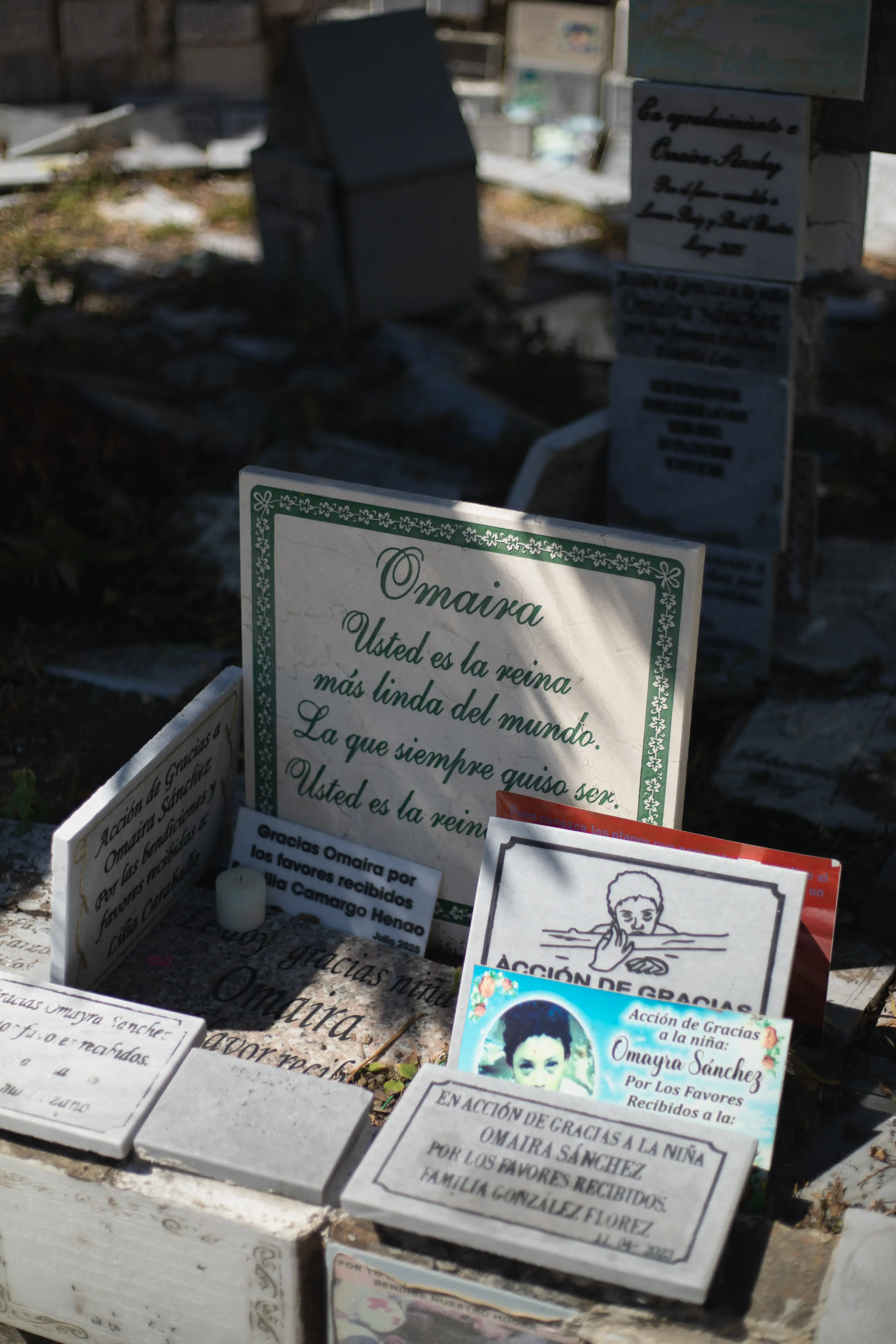
Decades later, AFP News Agency showed the small sanctuary placed at the spot where Omayra died.
Pictures, quotes, angel statues, candles and flowers mark the spot, draped with rosary beads as pilgrims visit.
It serves as a reminder of both her life and the tragedy, with the picture becoming an infamous, heartbreaking symbol.
Authorities were criticised for the handling of the incident with media at the time claiming they didn’t see any of Colombia’s police force or army dispatched to join the rescue efforts.
Colombia’s minister of defence, General Miguel Vega Uribe, was the highest-ranking official in charge and argued that the government did all it could.
“We are an underdeveloped country and don’t have that kind of equipment,” he said at the time, meaning that even if rescuers had located Omayra they wouldn’t have been able to save her.
He added that troops couldn’t be moved in the area ‘because of all the mud’.
 Jess Battison