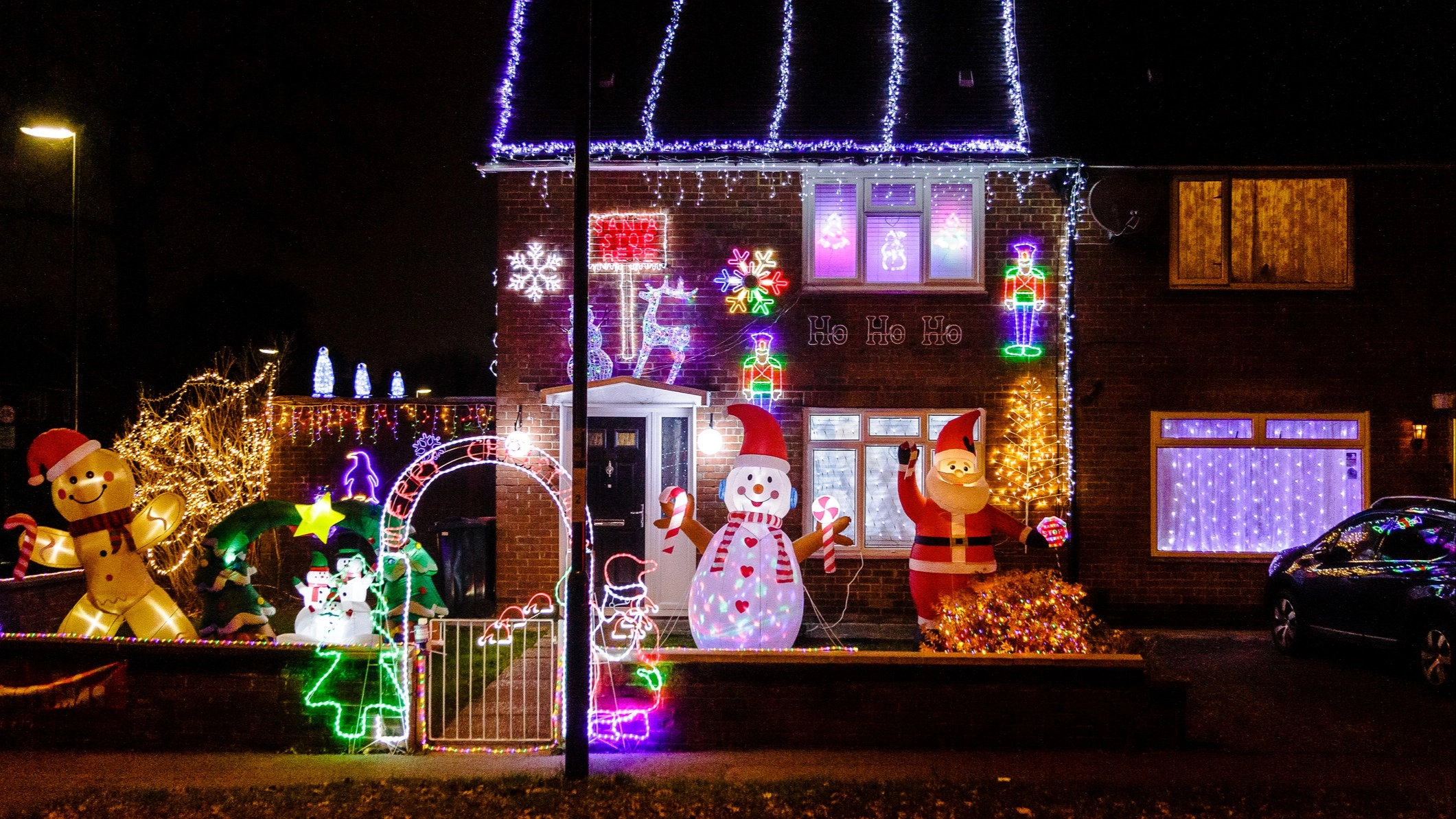
Martin Lewis explains how much it really costs to use your Christmas lights

It's officially 'the most wonderful time of the year', which means the festive cheer is high as we all await a visit from St Nick, and there really are few things better in this world than putting up the Christmas tree and turning it on for the first time.
But have you ever thought about how much all those twinkly lights cost? Well, you're in luck, because, as usual, Martin Lewis was on hand to explain it all.
Speaking previously onThe Martin Lewis Money Show, the popular money expert said it all depends on whether you're working with LEDs or incandescent bulbs.
Martin said the choice can really add up over the festive period, and with the Energy Price Cap set to rise next year, every little helps.
Advert
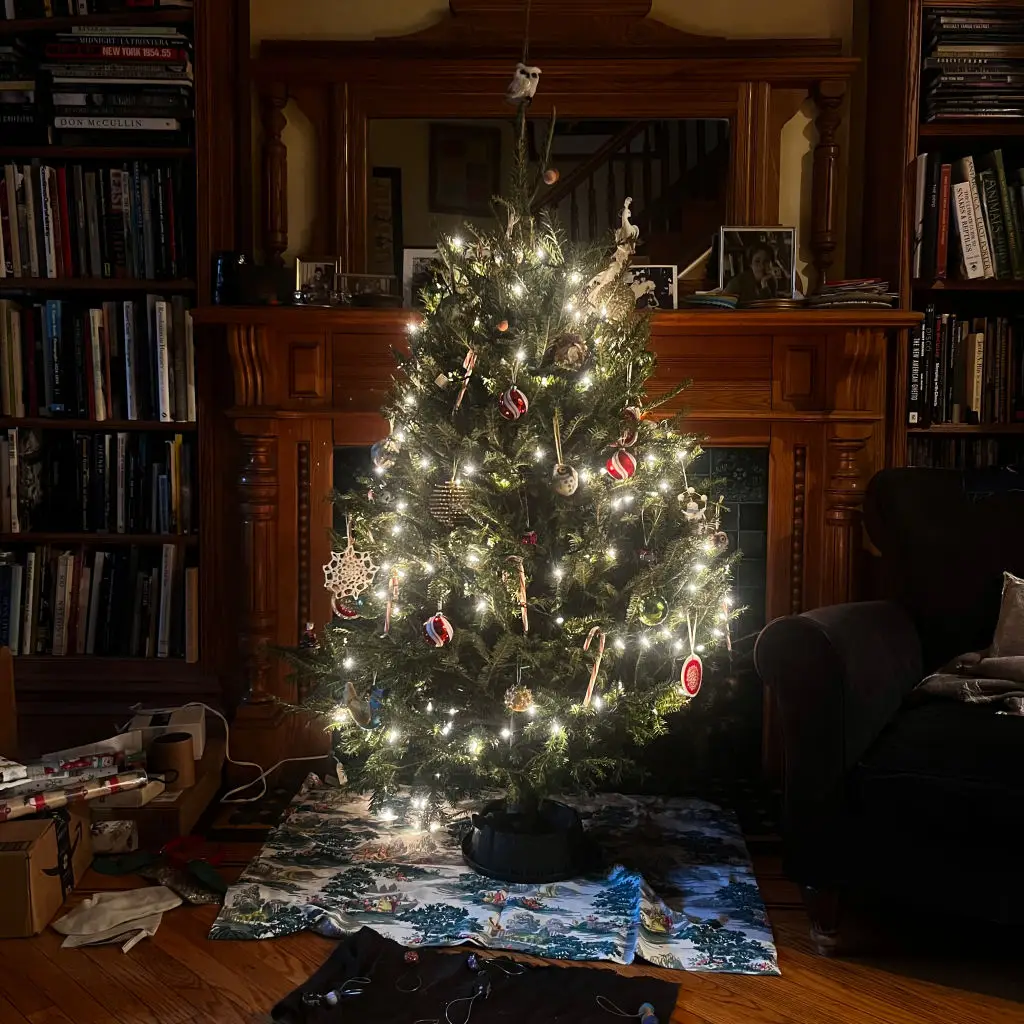
"This is my rule of thumb on how much your Christmas lights cost to run," he told viewers. "If they're LED, I've worked it out, it's roughly a penny per 12 hours per 100 bulbs. If they're incandescent, it's 13 times that.
"So if you're worried about the cost of your Christmas lights, if you've got LEDs up, LEDs are perfect.
"You can run them for six hours a day for a month, and it's 15p, so you don't have to worry too much about the energy bill; it's more if they're incandescent."
Lewis then provided a breakdown and said it'd cost you only 1p to run a string of LED lights for 12 hours, while the incandescent bulbs would cost about 13p for 12 hours.
So even if you keep your Christmas lights for six hours a day for the entire month, then you'd be spending only around 15p on LEDs, while it'd be about £1.94 for a string of incandescent lights.
Neither of those options are particularly pricey, so if you're looking for ways to save money, cutting back on lights probably won't help, but being prepared for the Energy Price Cap that comes into place for three months from January 1 is a better place to start.
The finance expert suggests using money-saving websites to check for the cheapest energy tariff now before it comes into place.
He also warned that despite the price cap rising by 0.2 percent, other factors such as electricity costs and standing charges could have an impact and drive bills up more than people are expecting.
Speaking after the announcement of the price cap, Lewis said: "The headline is Ofgem's Energy Price Cap for the three months starting 1 January is to RISE 0.2 percent, but that's only part of the story; electricity costs are to rise a real amount, while gas falls, and yet again the hated standing charges are rising.
"So those on the Price Cap (all those on standard tariffs ie. if you've not fixed or got a special deal) with high electricity use and low or no gas use will see their bills rise by three percent or four percent come 1 January.
"These changes are not caused by an increase in wholesale costs as normal (which is why the prediction had been down 0.5%ish), as they went down over the three-month assessment period – but by a mix of policy and network costs, such as the cost for nuclear, costs for linking up networks, and the cost of the Warm Home Discount.
"Electricity is seen as more universal, so when they want to add policy costs to bills, they do it there, yet that is somewhat perverse as it means we see a relative increase in electricity costs compared to gas, when the whole policy driver is to move people off gas.
"The best move for most people is to get onto a comparison site, like Cheap Energy Club, and find yourself a cheap fix, especially as the April Cap is predicted to rise 4 to 5% (though I'm hearing a couple of cheaper tariffs may launch next week, so you may want to hold until then). The cheapest deals are around 10% less than the current Price Cap."
You can find more advice on the Money Saving Expert site here.
Topics: Christmas, Martin Lewis
 Iona Young