Worst serial killer in Australian history may be linked to dozens more murders 35 years after first victims were found

Warning: This article contains discussion of murder which some readers may find distressing
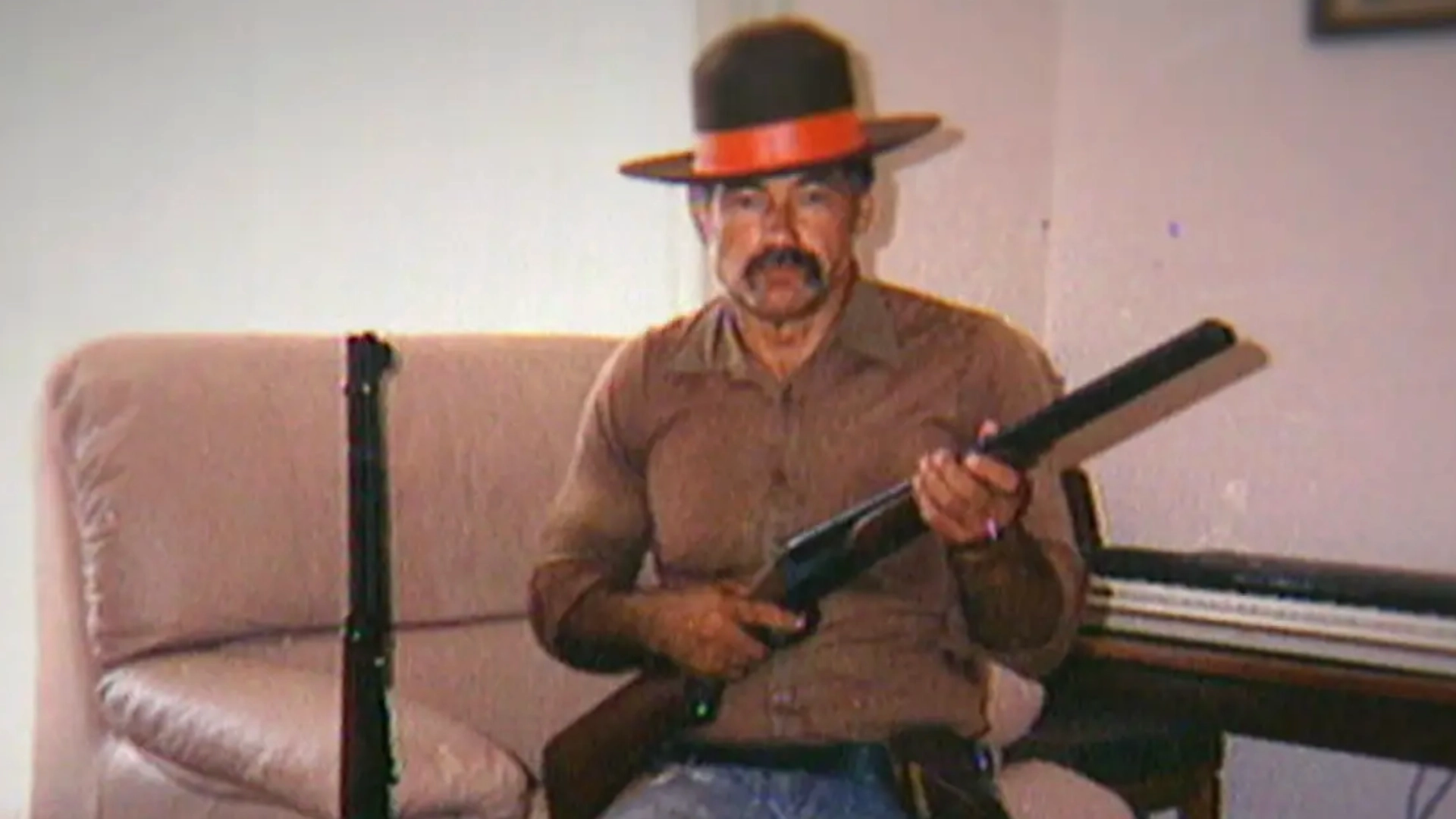
It’s been thirty-five years since Australian serial killer Ivan Milat's first victims were discovered, but cops now believe he could be responsible for dozens of other murders.
Milat, dubbed the Backpack Killer, is one of Australia’s most notorious serial killers with seven confirmed victims.
Milat was born in Guildford, New South Wales, in 1944.
Advert
He was the fifth of 14 children of Croatian ex-pat Stjepan Marko Milat and Aussie national Margaret Elizabeth Piddleston.
By the age of 22, he already had a pretty lengthy rap sheet, with crimes including theft, breaking and entering, and driving a stolen vehicle.
But things later took a much darker turn after Milat began picking up backpackers and killing them.
Milat found his victims by approaching backpackers along the Hulme Highway and offering them transport to the south of New South Wales.
Once he got them into his vehicle, Milat would drive them to Belango State Forest, where he would incapacitate his victims and murder them.
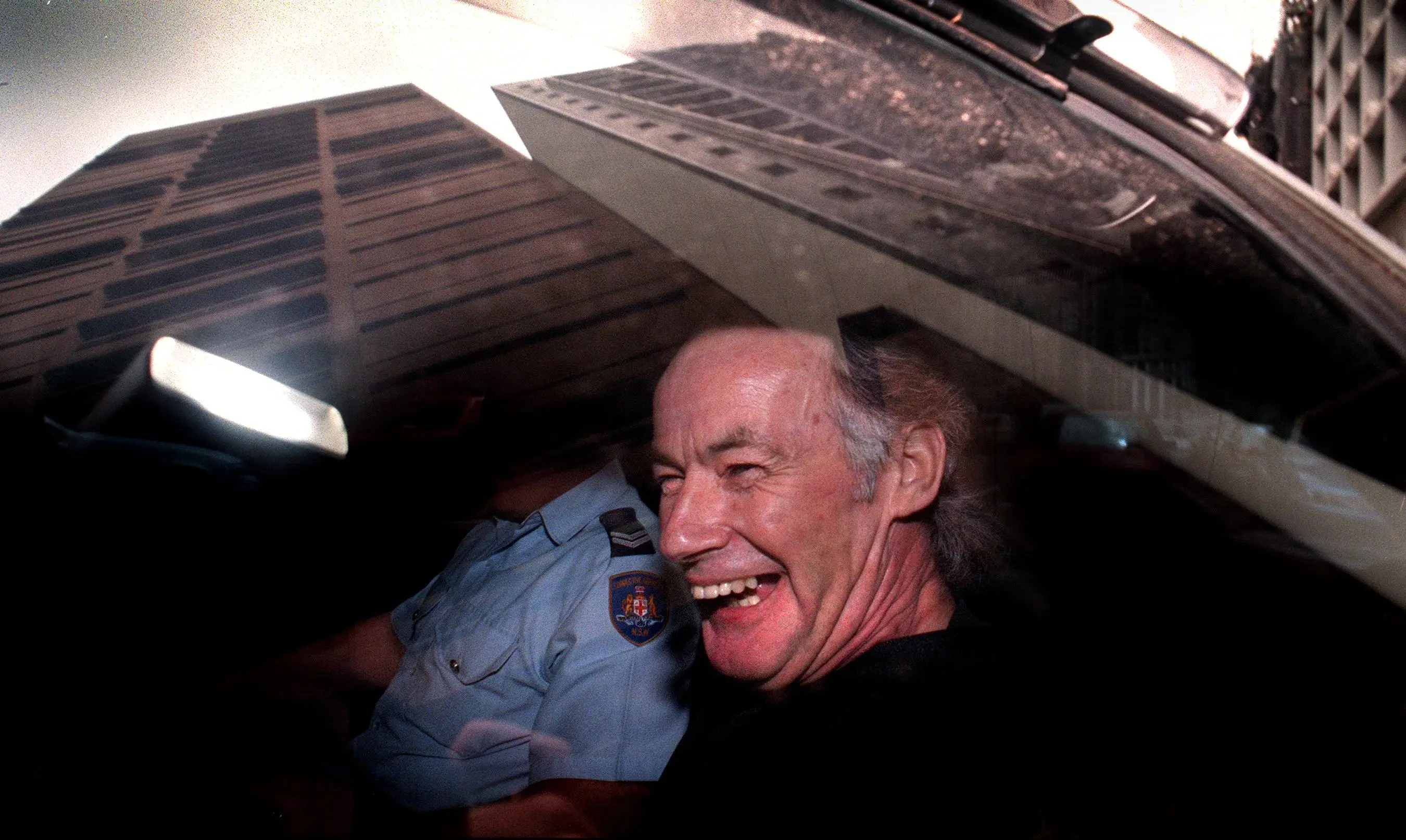
He began killing in 1989, but it wasn’t until September 1992 that his gruesome crimes would come to light.
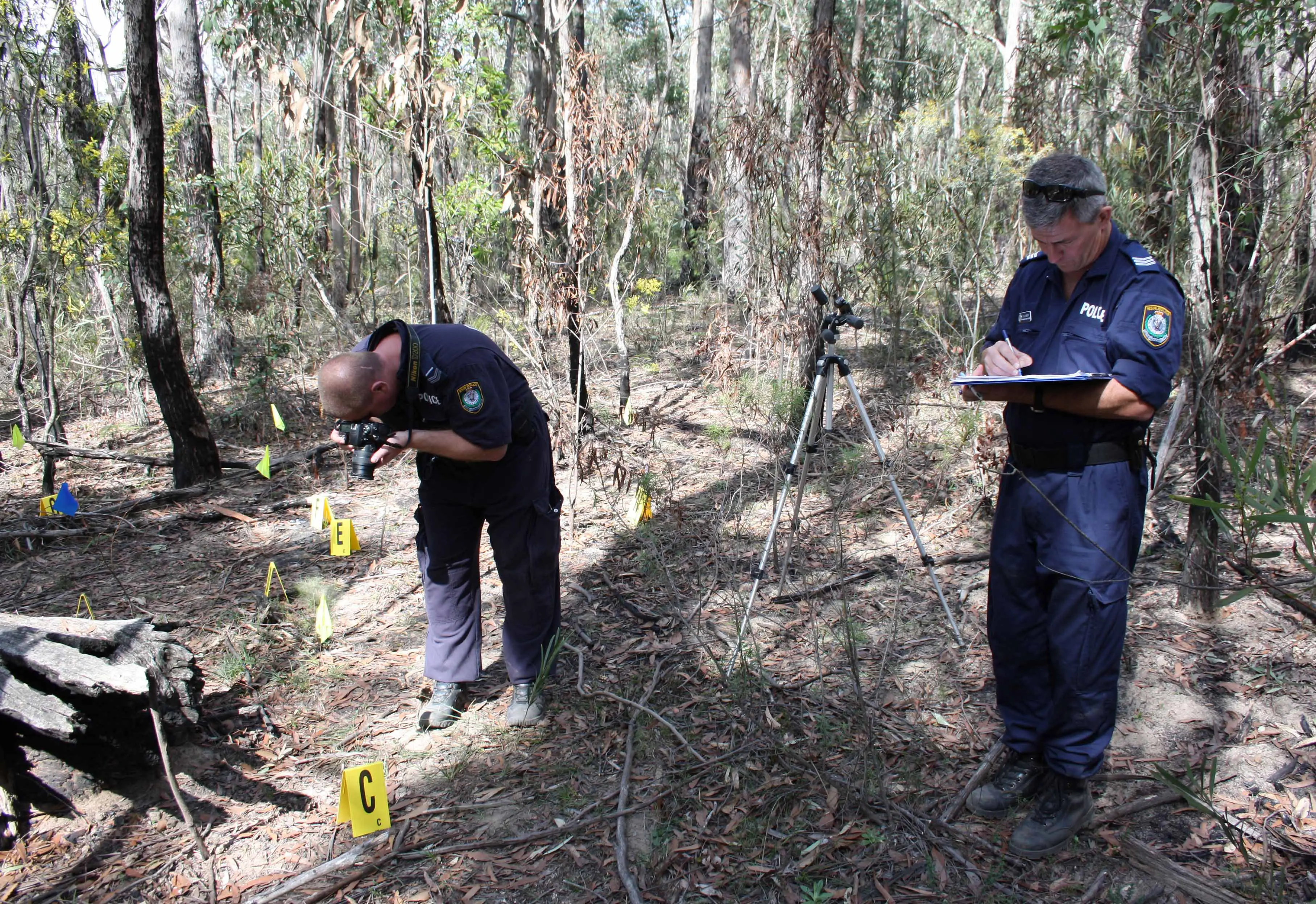
Two runners had been out in Belango State Forest when they made the horrific discovery of a decomposing body and alerted the police.
After cops went out to the scene, they quickly discovered the remains of another person less than 100 feet away from the first.
The two people were later identified as missing British backpackers Caroline Clarke, 21, and Joanne Walters, 22.
A little over a year later in October 1993, a local man looking for firewood in the same state forest uncovered bones and police later discovered the remains of 19-year-olds Deborah Everist and James Gibson, from Victoria.
Weeks later, on 1 November the body of German backpacker Simone Schmidl, 21.
The last of Milat’s two known-victims, Gabor Neugebauer, 21, and Anja Habschied, 20, were discovered three days later on 4 November.
Realising they were likely dealing with a serial killer, New South Wales Police set up a specialist task force and began working their way through hundreds of potential suspects.
However, Milat was eventually caught thanks to a tip-off from a British man who told police about a terrifying encounter he had with a man named ‘Bill’, who had offered him a ride before pulling out a gun and attempting to rob him.
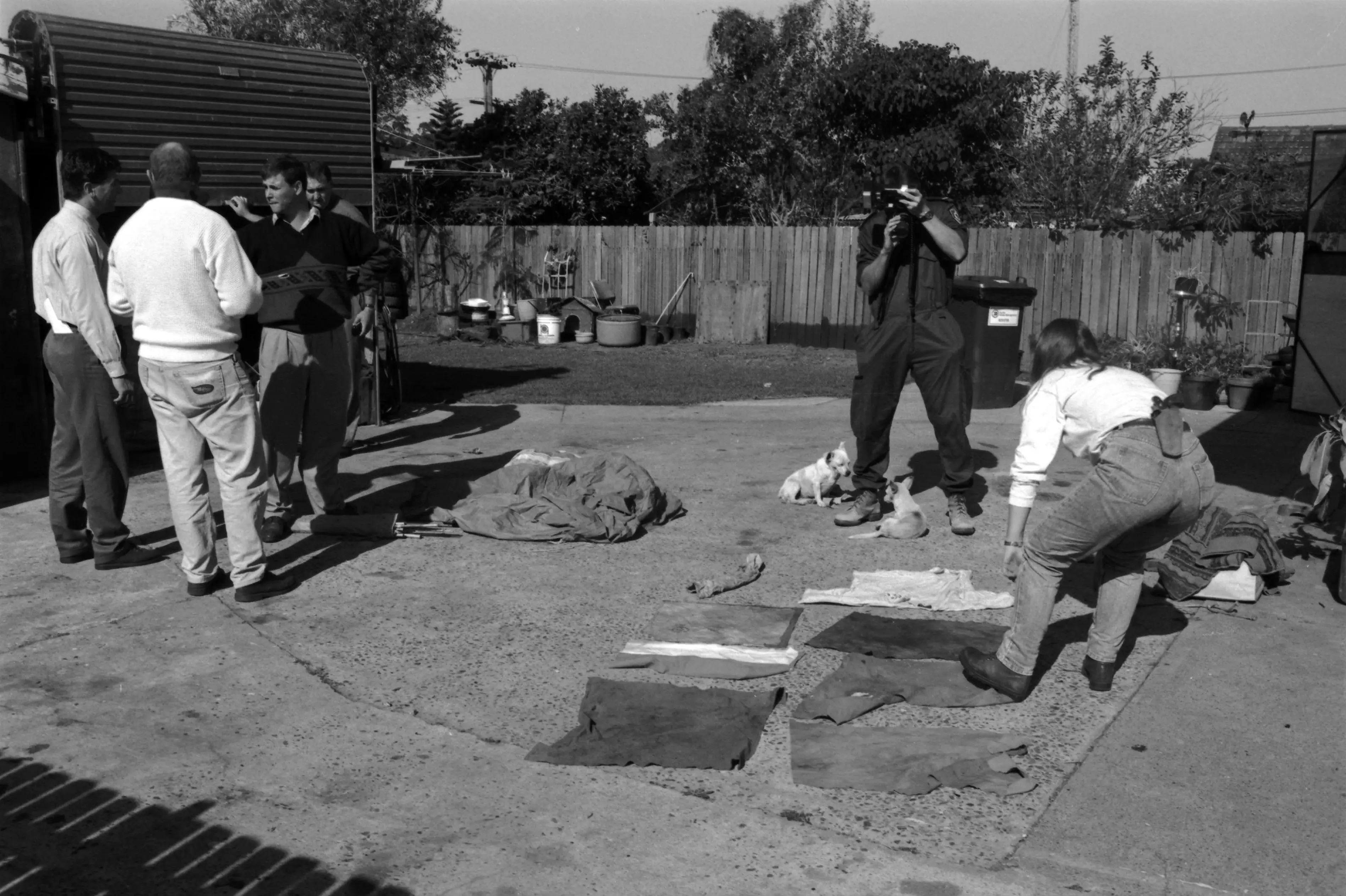
Fortunately, the man was able to escape and even managed to make a note of ‘Bill’s’ vehicle and registration number, which he passed on to police and was later linked to Milat leading to his arrest.
In July 1996, after a weeks-long trial, Milat was found guilty and given seven life sentences without the possibility of parole.
After spending decades behind bars, Milat died in October 2019 at the age of 74.
It's believed Milat had more victims
Although Milat was convicted of seven murders, many believe he was responsible for others and in June this year a NSW parliamentary inquiry was set up to explore any other information that could throw up new evidence.
The head of the NSW Homicide Squad said 11 cold cases had been identified that could potentially be linked to Milat, but others believe the number could be much higher.
Criminologist Xanthe Weston who built a behavioural profile of Milat told the inquiry that his actual killings may have started much earlier.
"He didn't go from zero to seven backpackers," she said.
"There was a long trajectory building up to that, and so we have some evidence that began as early ago as 1971."
Retired British detective Hugh Hughes believes that Milat could be responsible for the killing of his wife’s cousin Keren Rowland who disappeared in February 1971 when she was 20.
Her remains were found months later in a pine plantation outside of Canberra.
“If he did kill Keren, and I am 95 to 98 percent certain he did, then she was his first victim,” he told The Guardian in 2024.
In an interview with 60 Minutes in July, he said: The positioning of the body, the fact that shrubbery and old twigs were laid over to conceal, similar to the seven that we know of in Belanglo, and also suggestions that the body had been interfered with. Another hallmark of Milat’s.”
The NSW parliamentary inquiry into the historical cold cases continues to hear evidence and is slated to report its final findings to parliament in February 2027.
Topics: Australia, World News, Crime, True Crime
 Claire Reid