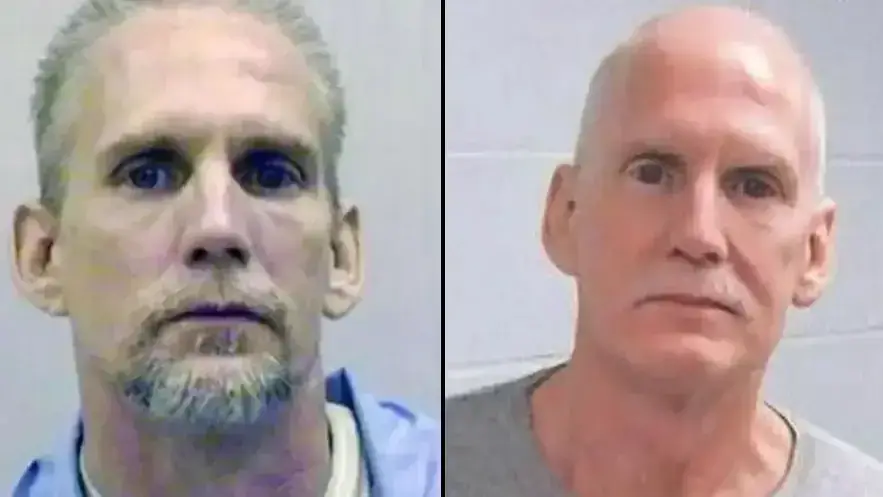
Death row inmate has 'excruciating' execution after last meal 'mistake'

Warning: This article contains discussion of rape which some readers may find distressing.
An expert has explained the agony a man sentenced to death for the murder of two women experienced when his sentence was carried out.
While some executions go so badly wrong, the inmate ends up staying alive, 68-year-old Wesley Ira Purkey apparently experienced great suffering in his final moments back in July 2020.
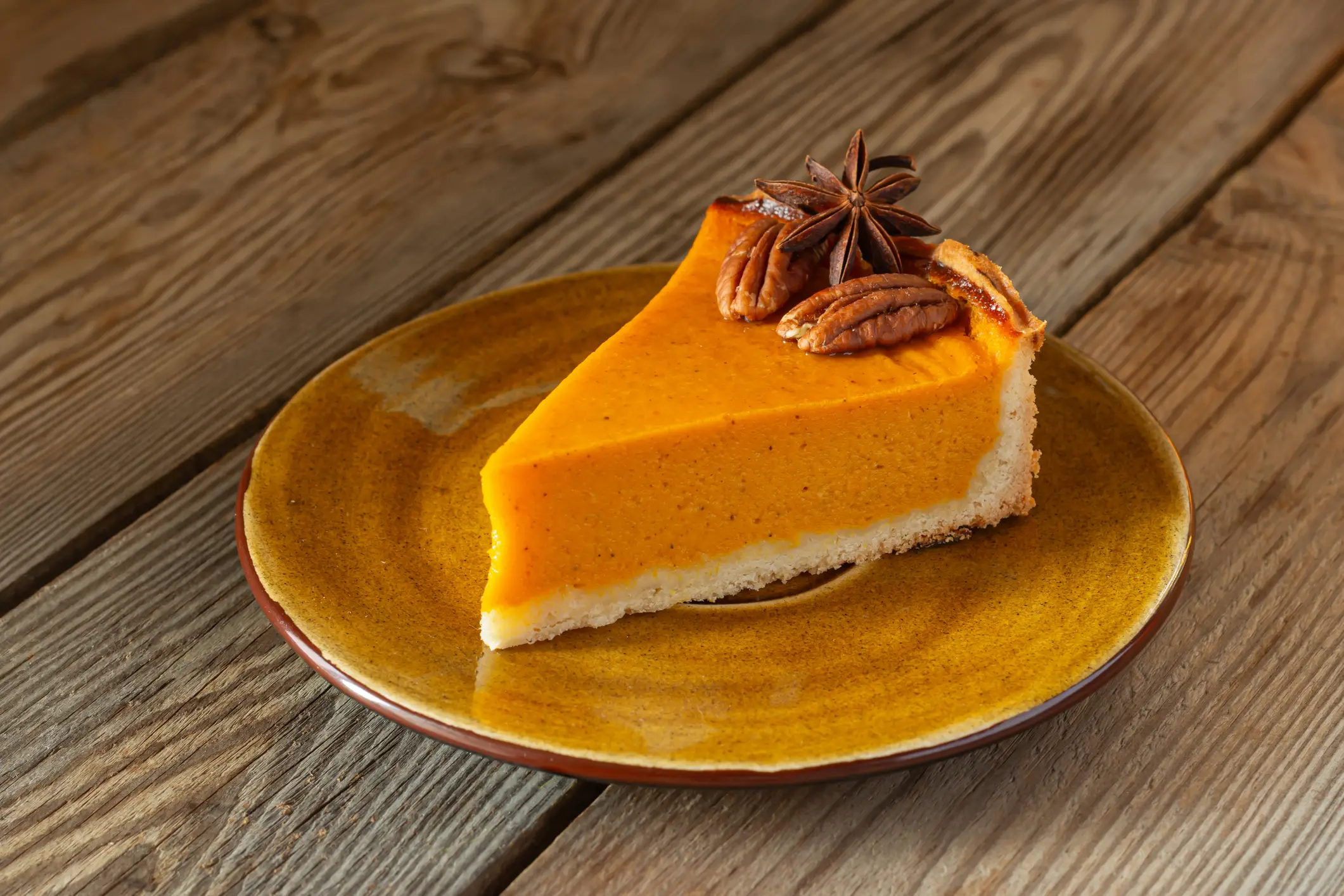
Suffering from dementia at the time of his death, Purkey was already having a bad time on his execution day after asking to save his slice of pecan pie from his final meal for 'later'.
Advert
His death came more than 16 years after he was first handed the death penalty for the kidnap, rape and murder of teenager Jennifer Long in January 1998.
Purkey had raped her before brutally stabbing her repeatedly in the chest, face and neck as she tried to escape. He went on to dismember her body using an electric chainsaw, before burning her remains in a fireplace and scattering them in a septic pond in Clearwater, Kansas.
Nine months later, Purkey also beat 80-year-old Mary Bales to death with a hammer in her home after he'd been hired to fix a leaking faucet.
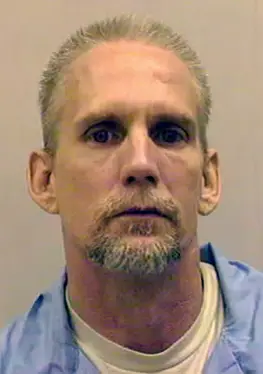
Purkey was executed on 16 July 2020, despite his lawyers' insistence his dementia meant he was unfit to be executed, but his lethal injection apparently meant he died in immense pain.
According to the Death Penalty Information Center, the 68-year-old's autopsy revealed that he had suffered 'severe bilateral acute pulmonary oedema' and 'frothy pulmonary oedema in trachea and main stem bronchi'.
Like me, you probably have no idea what that means, but Dr Gail Van Norman described it as a similar experience to drowning, labelling it as 'among the most excruciating feelings known to man'.
She added: "It is a virtual medical certainty, that most, if not all, prisoners will experience excruciating suffering, including sensations of drowning and suffocation from [the lethal injection drug] pentobarbital."
While former president Joe Biden put a hold on using pentobarbital in federal executions over fears it caused inmates 'unnecessary pain and suffering', President Donald Trump has since reversed this decision.
The Justice Department writes that 'after a thorough analysis', it has concluded 'the use of pentobarbital to carry out death sentences is consistent with the Eighth Amendment'.
In his final moments, Purkey appeared to show remorse for his crimes and apologised to Jennifer's family.
Reports claim his last word were: "I deeply regret the pain and suffering I caused to Jennifer's family.
"I am deeply sorry. I deeply regret the pain I caused to my daughter, who I love so very much. This sanitised murder really does not serve no purpose whatsoever."
However, that was little solace for Jennifer's father William Long, who suggested that he will never get closure as he will never get his daughter back, because of Purkey's horrific crimes.
Long said of Purkey's execution: "He needed to take his last breath – he took my daughter’s last breath. And there’s some resolve. There is no closure, and there never will be, because I won’t get my daughter back."
If you have been affected by any of the issues in this article and wish to speak to someone in confidence, contact the Rape Crisis England and Wales helpline on 0808 500 222, available 24/7. If you are currently in danger or need urgent medical attention, you should call 999.
Topics: Death Row, Crime, True Crime
 James Moorhouse