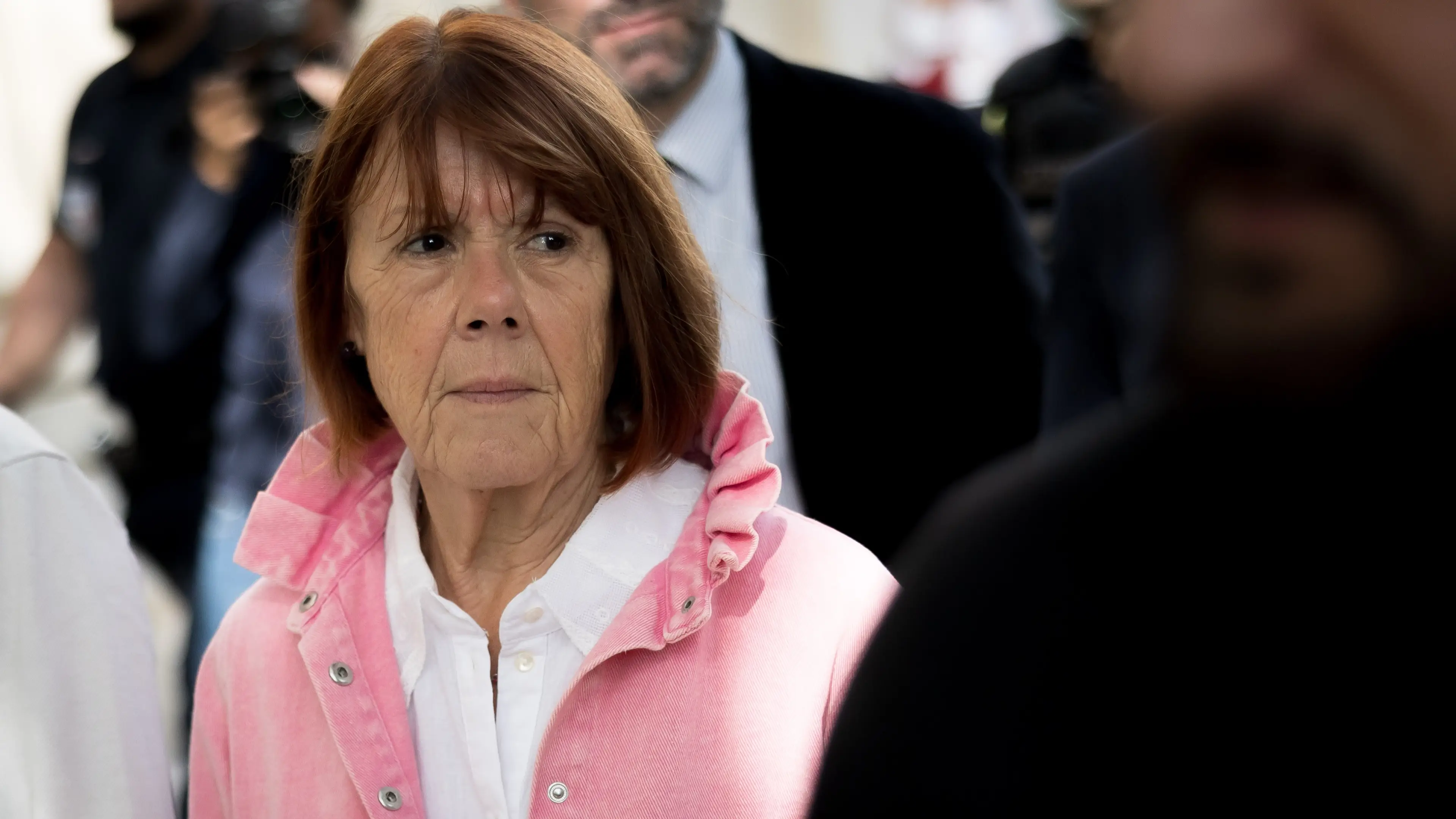
Gisèle Pelicot describes moment she saw images of horrific crimes involving her for first time

Warning: This article contains discussion of sexual assault and rape which some readers may find distressing.
A brave survivor of the unimaginable, Gisèle Pelicot has recalled the moment she first saw the horrifying photos of the crimes her then-husband and many others had committed against her.
Gisèle, now 73, has written a memoir about everything she went through, called A Hymn to Life.
In it, she describes the abject horror of her first time seeing the pictures and proof of what her ex, Dominique Pelicot, had been doing to her.
Advert
They had been together for more than 50 years, with Gisèle believing her husband was a 'great guy', until police revealed that he had been inviting other men to rape her, when she went to a police station on 2 November, 2020.
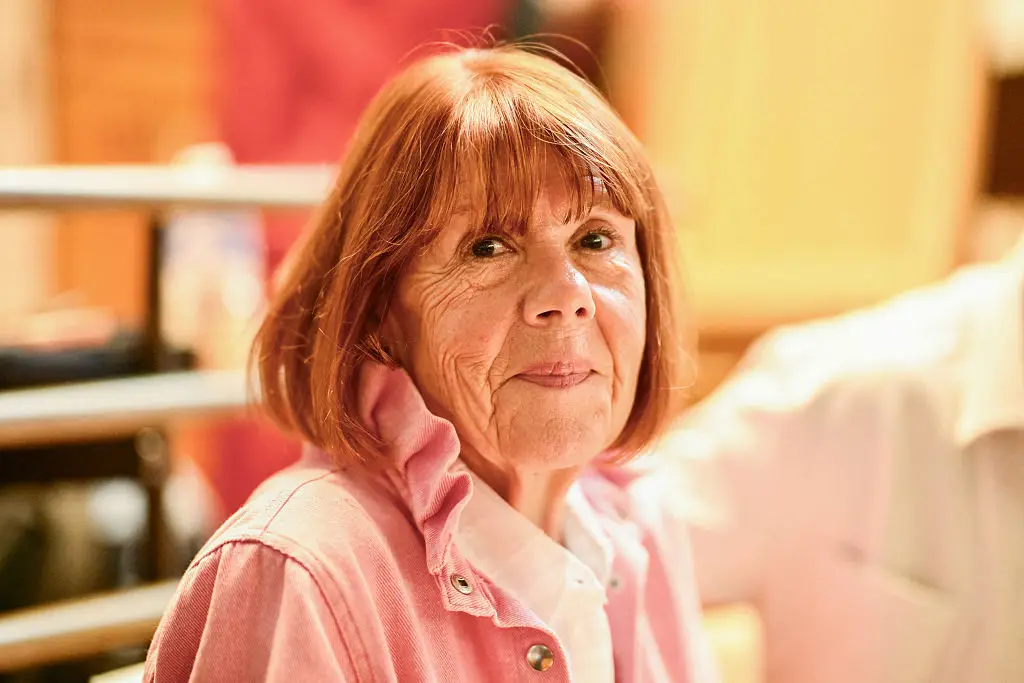
She has likened herself to a 'rag doll' in the disturbing photos, which led to Dominique and 50 other men being found guilty of raping Gisèle as she was unconscious after being drugged.
French newspaper Le Monde has shared extracts of the forthcoming memoir, which is set to be published in 22 languages next week.
Dominique's horrendous secret only came to light after police brought him in for questioning, following an incident where a supermarket security guard caught him filming up women's skirts.
Gisèle actually attended the police station with Dominique and was blindsided when an officer, called Laurent Perret, told her he had something to show her.
She recalled the officer said: “I am going to show you photos and videos that are not going to please you. That’s you in this photo.”
Pelicot couldn't believe at first that the unconscious woman she was shown was truly her: “I didn’t recognise the individuals. Nor this woman. Her cheek was so flabby. Her mouth so limp. She was a rag doll.”
After first seeing the photos, she said her 'brain stopped working' in Perret's office.
In total, police found her ex-husband had taken thousands of images of the attacks, featuring dozens of different men, many of whom they were unable to identify.
In September 2024, Dominique told the court 'I am a rapist', and that he 'acknowledged all the facts [of the case] in their entirety'.
Gisèle made headlines around the world when she decided to waive her right to anonymity as she sought justice for the many crimes carried out against her.
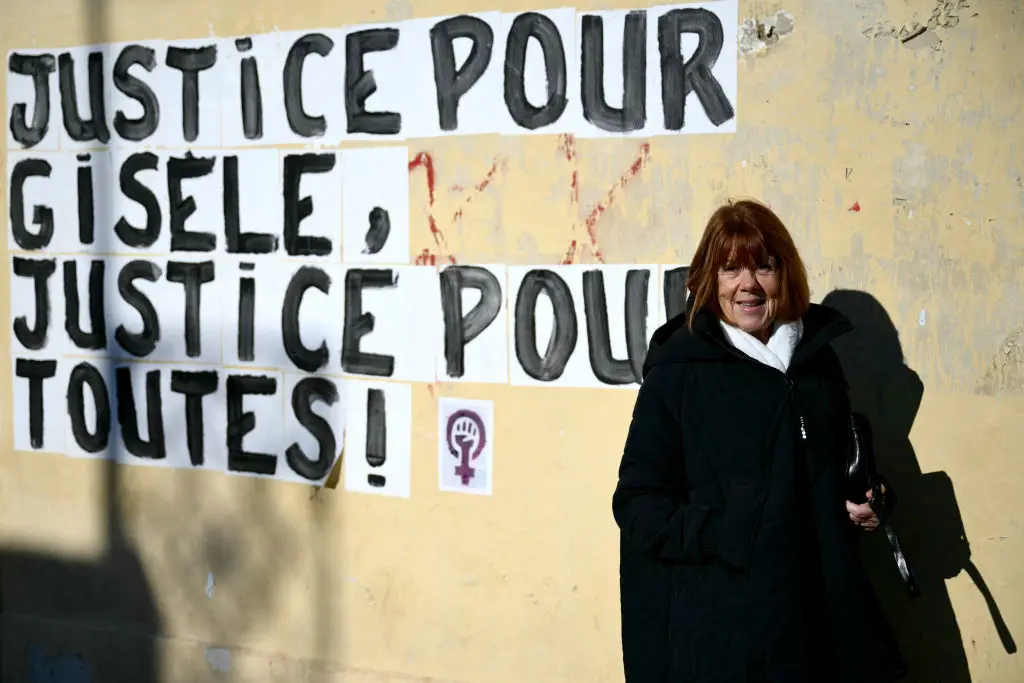
She said she decided to go public as her anonymity would have left her alone in court with her abusers, and said she felt she would be 'held hostage to their looks, their lies, their cowardice and their scorn'.
Gisèle said if she had kept her anonymity: “No one would know what they had done to me. Not a single journalist would be there to write their names next to their crimes … Above all, not a single woman could walk in and sit in the courtroom to feel less alone.”
She admits if she were younger, she 'might not have dared to refuse a closed-door hearing' out of fear of embarrassment.
“I would have feared the stares. Those damned stares a woman of my generation has always had to contend with, those damned stares that make you hesitate in the morning between trousers and a dress, that follow you or ignore you, flatter you and embarrass you,” Gisèle wrote.
“Those damned stares that are supposed to tell you who you are, what you’re worth, and then abandon you as you grow older.”
For more than a decade, Dominique had been giving her heavy sedatives, sleeping tablets and anti-anxiety medication.
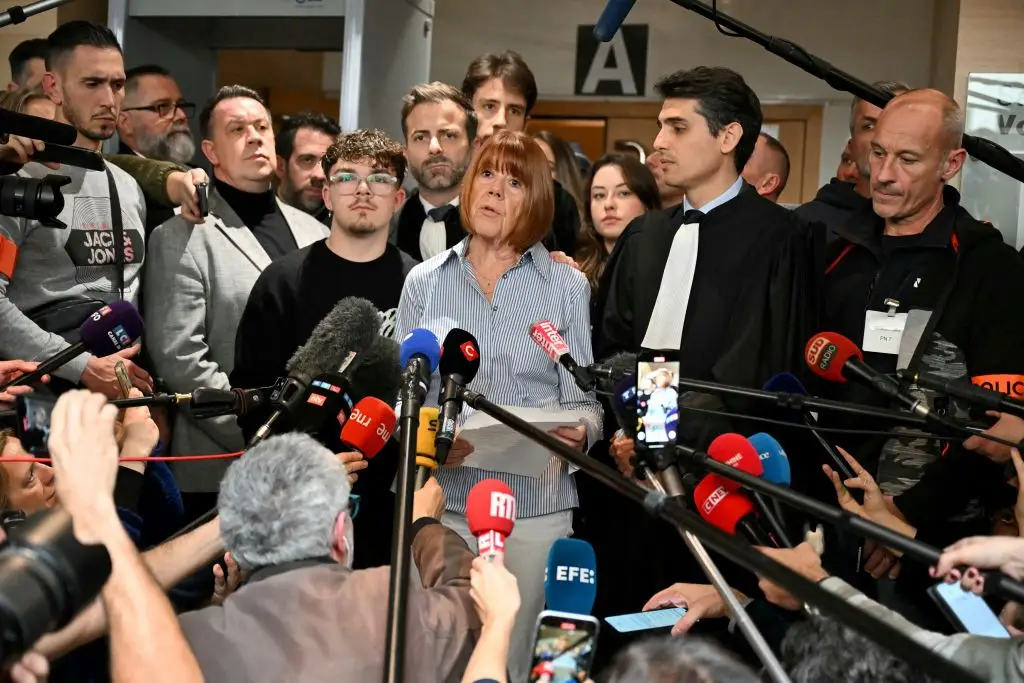
He then invited men to come over and rape her, while she was in a state similar to a coma.
The memoir has been co-authored by a French writer, Judith Perrignon, and Emma Thompson will be recording an audiobook version.
Thompson has described the story as 'difficult to read out loud' but hopes it will inspire 'courage and compassion' and 'crucially demands change'.
Dominique was sentenced to 20 years in prison for his crimes.
If you have been affected by any of the issues in this article and wish to speak to someone in confidence, contact the Rape Crisis England and Wales helpline on 0808 500 222, available 24/7. If you are currently in danger or need urgent medical attention, you should call 999.
You can also contact The Survivors Trust for free on 08088 010 818, available 10am-12.30pm, 1.30pm-3pm and 6pm-8pm Monday to Thursday, 10am-12.30pm and 1.30pm-3pm on Fridays, 10am-12.30pm on Saturdays and 6pm-8pm on Sundays.
Topics: True Crime, Crime, World News
 Jen Thomas