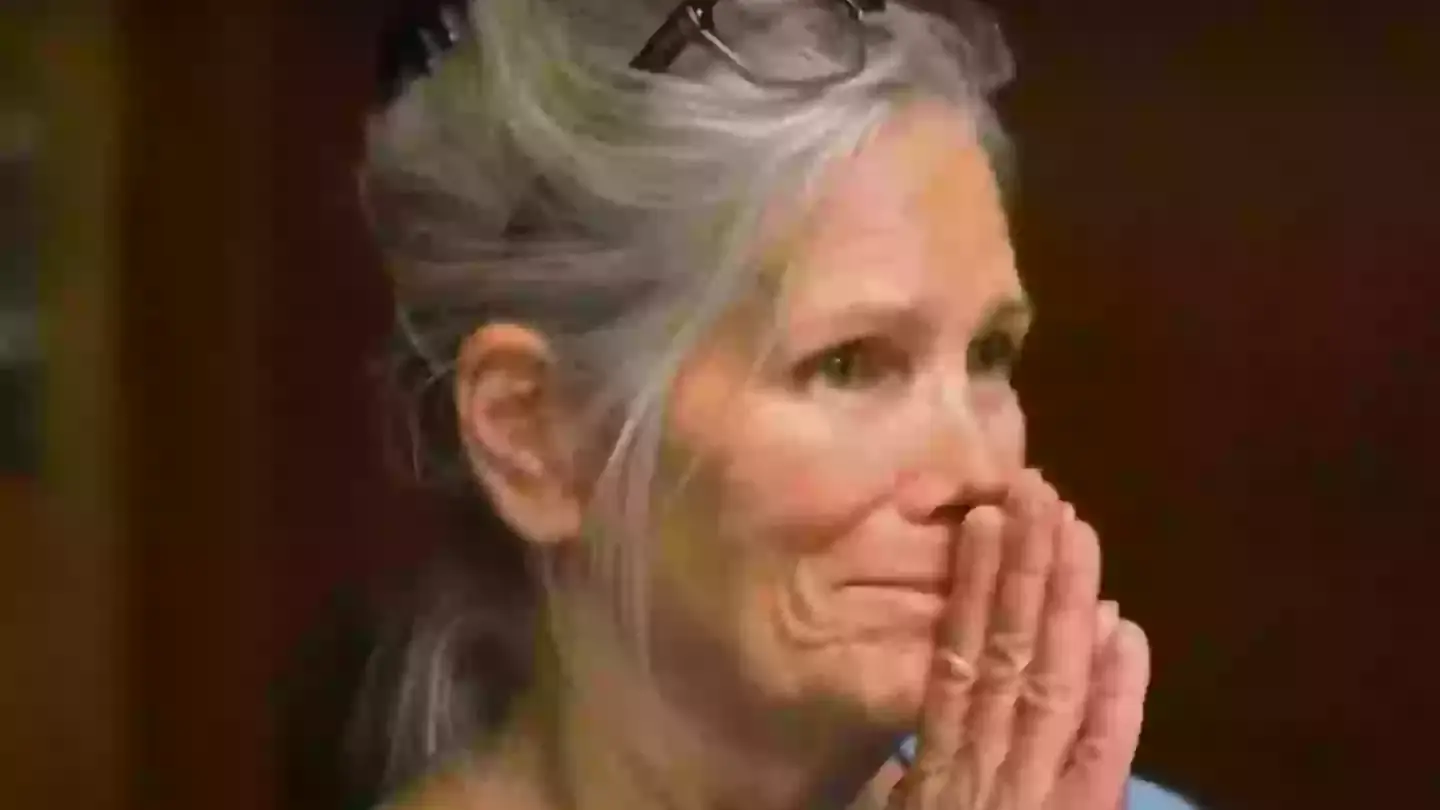
Manson Family murderer Leslie Van Houten faced major consequence as she was released from prison after 53 years

Manson Family murderer Leslie Van Houten spent 53 years in prison for her part in the murder of a California grocer and his wife.
And when she was released from prison in 2023, she faced quite the consequence.
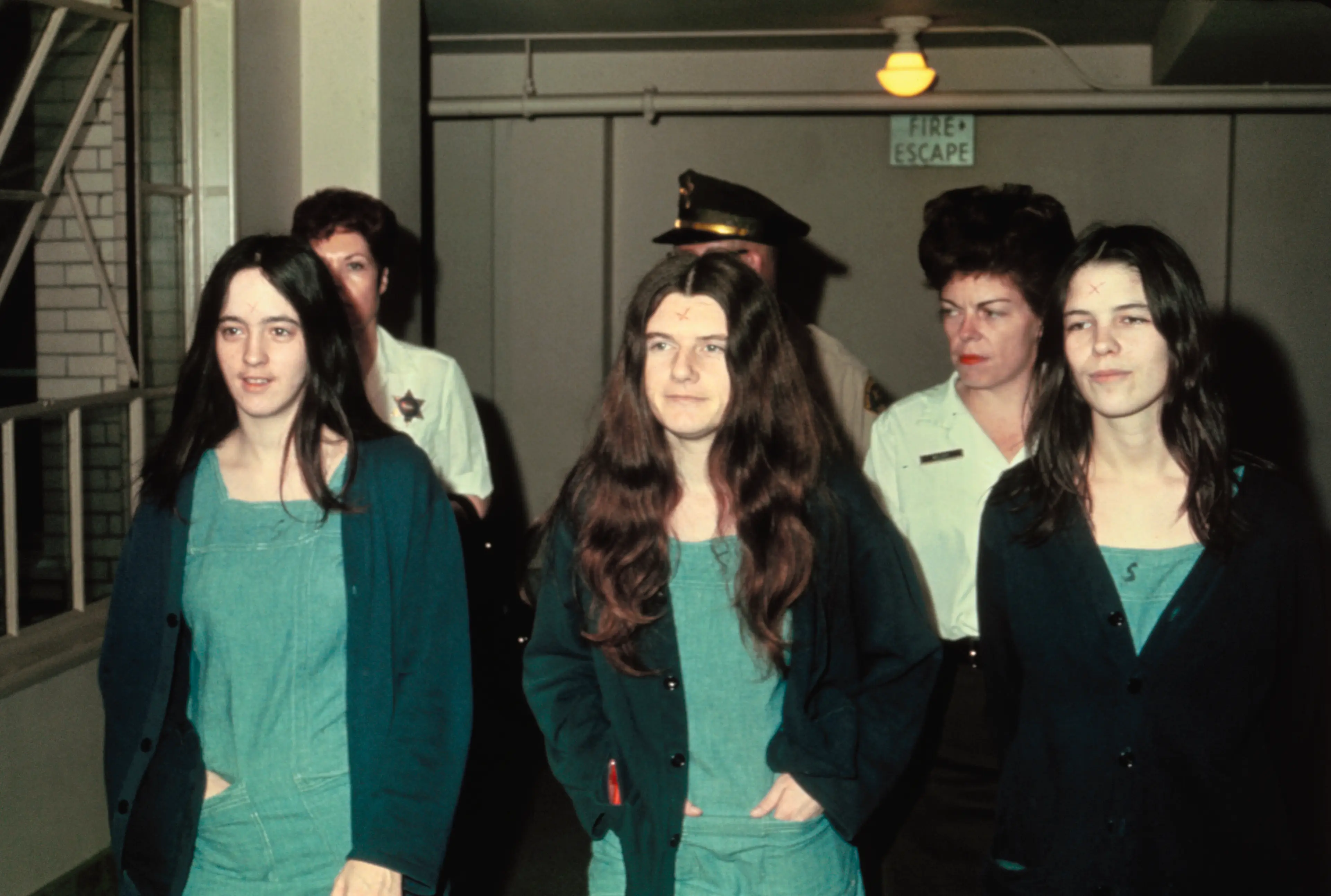
Aged 19 at the time of the killings, she was a member of Charles Manson’s infamous Manson Family cult and the youngest of them to be convicted of murder.
Van Houten was serving a life sentence for the two murders with five bids for her parole blocked by governors before the decision was later reversed and she was released at the age of 73.
Advert
In a number of parole hearings, she expressed her regret for both her part in the killings and her association with Manson.
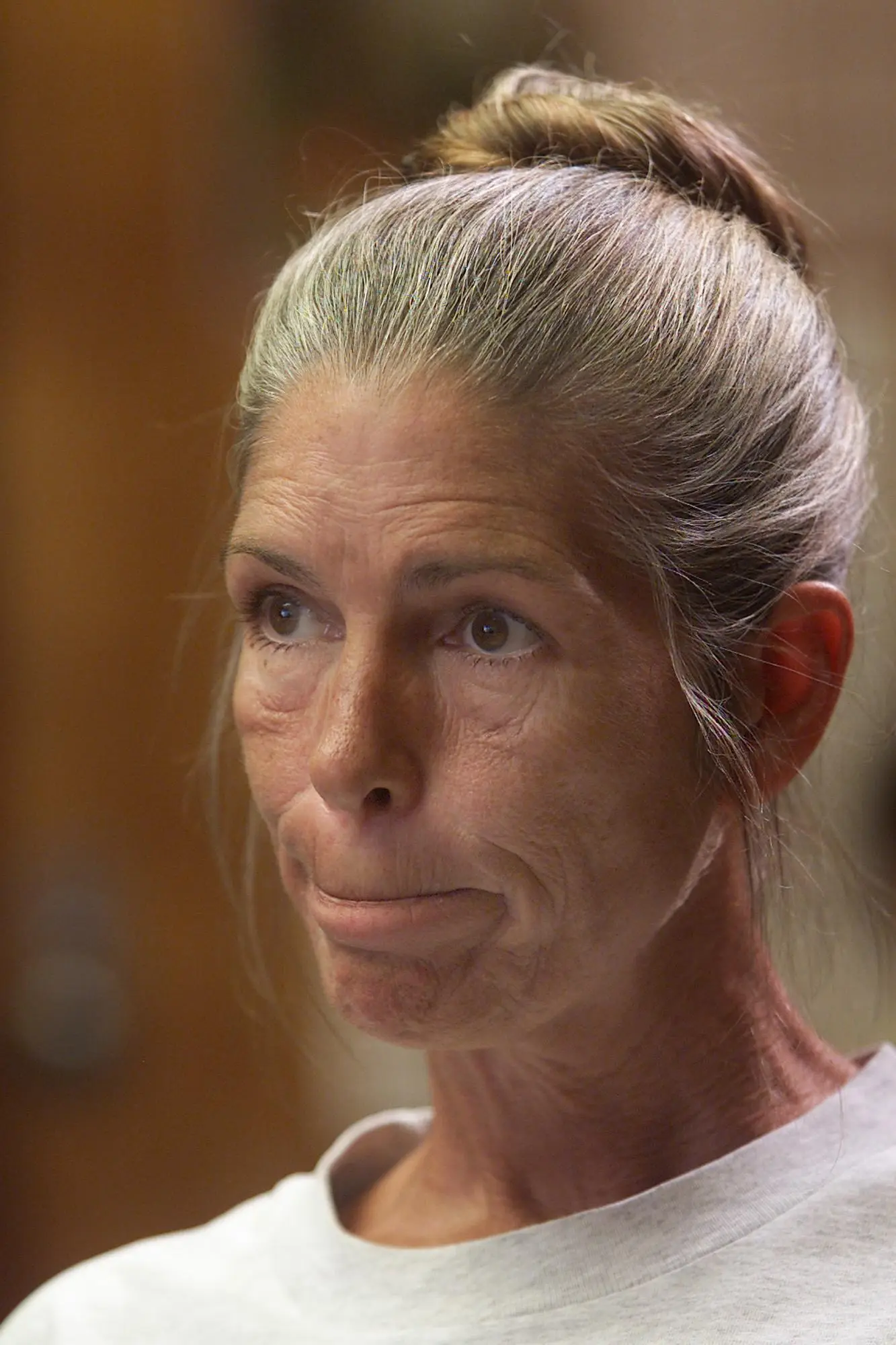
Explaining how she let him overpower her ‘individual thinking’, she said in 2002: "I bought into it lock, stock and barrel. I took it at face value.”
Manson was convicted of nine murders in 1971, including the 1969 killing of Sharon Tate, who was pregnant at the time.
Just days after her murder, Van Houten joined cult followers in killing grocer Leno LaBianca and his wife Rosemary.
She held the woman down while another member stabbed her, admitting she stabbed her after she was dead.
When the 2020 rejection of her parole by Governor of California Gavin Newsom was reversed by a state appeals court, he said he would not fight the ruling granting her parole, but made it clear he was disappointed at her release.
And while it wasn’t exactly a match for being in prison, there was a consequence Van Houten had to face when she was released – the world she once knew had completely changed.
She was transferred to spent about a year at a halfway house as her lawyer said the former cult member would need to learn how to navigate a whole new reality.
Her attorney Nancy Tetreault explained: “She has to learn to use the internet. She has to learn to buy things without cash.
“It's a very different world than when she went in."
The lawyer added at the time that Van Houten was ‘still trying to get used to the idea that this is real’.
While she served her sentence, Tetreault said the murderer ‘had a long job of detaching herself from the cult mentality and accepting responsibility’.
“It took her a long time. She had decades of therapy. So she felt guilt and deep remorse,” Tetreault added to the BBC.
 Jess Battison