Expert debunks controversial evidence that ‘confirms’ existence of Jesus

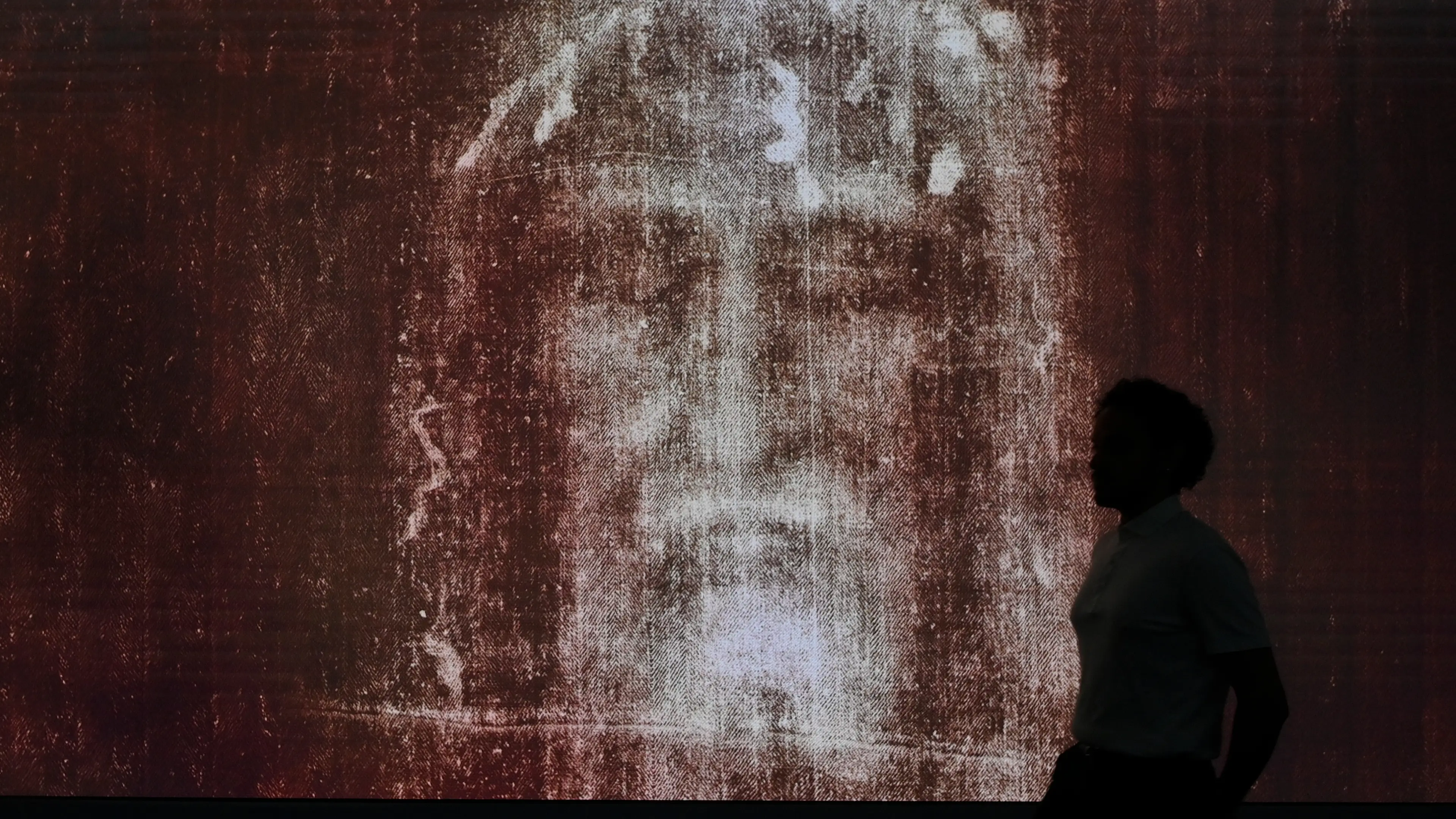
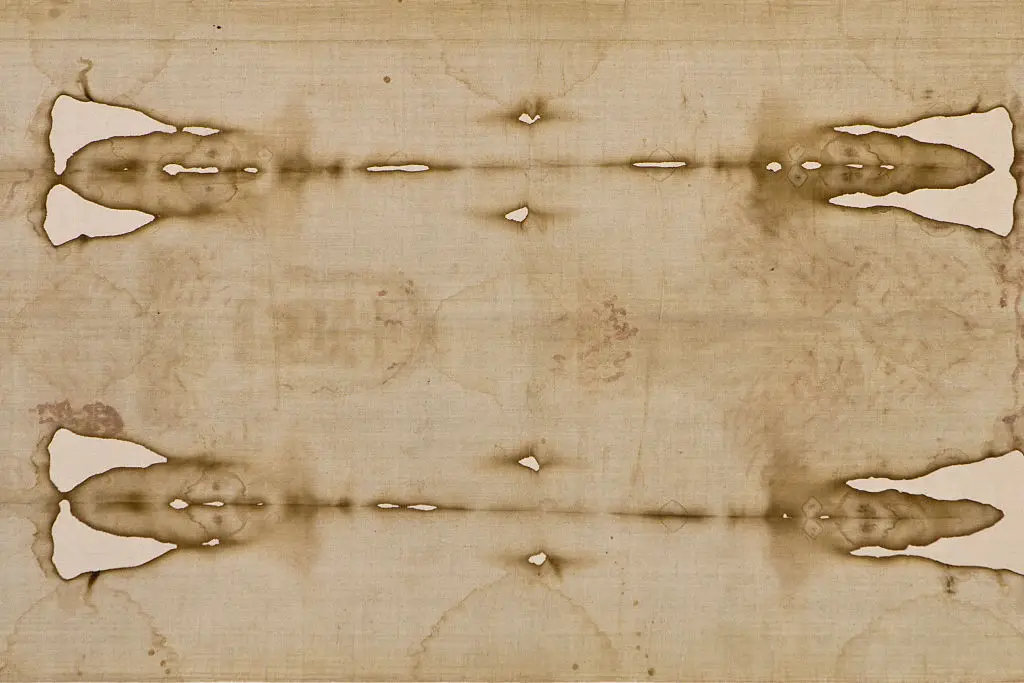
The Shroud of Turin is a controversial religious relic which claims to depict an image of the face of Jesus, it is meant to be the cloth he was wrapped in when he was buried.
There's a wide historical consensus that Jesus was an actual guy, it's just the whole 'son of God' thing which is more in doubt, but among Christians the burial shroud he was wrapped in would make for a valuable relic.
Arguments have gone back and forth over just how genuine the piece of cloth is supposed to be, with some claiming they've done studies that prove it really does have blood on it while others have looked into how old the relic is and found scientific evidence pointing towards it being nowhere near old enough to have been around when Jesus was alive.
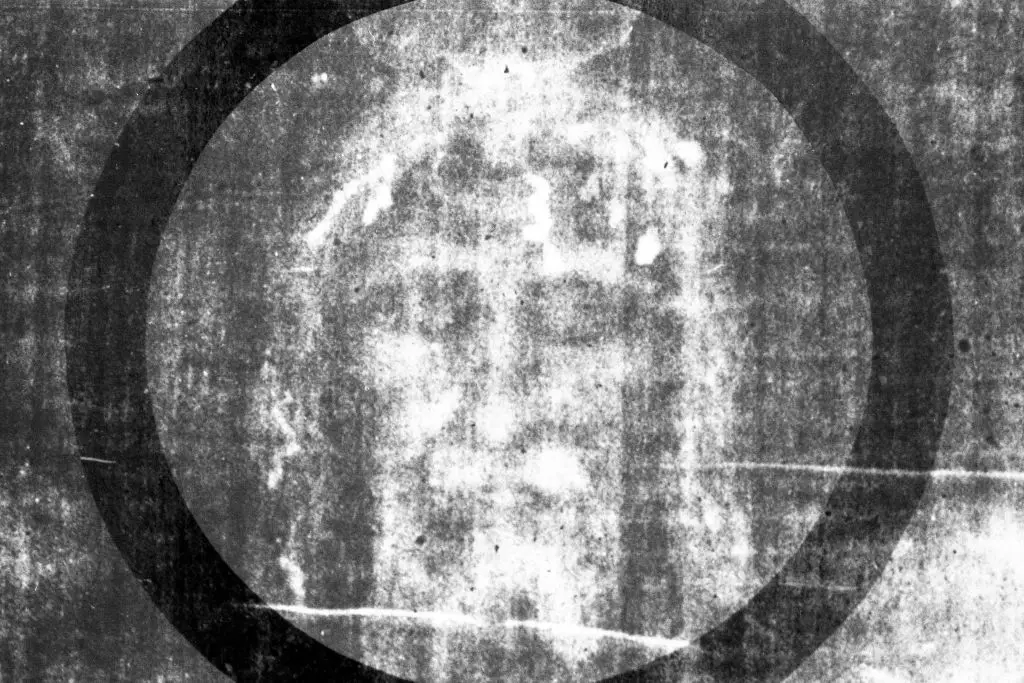
Now another study claims to have debunked the relic by taking aim at the image imprinted upon the cloth itself and arguing it's not what you'd get if a human body imprinted on cloth.
Advert
Brazilian researcher Cicero Moraes used 3D digital simulations of the Shroud of Turin to compare the features of an adult man to the image it would leave on cloth wrapped over it.
His results indicated that if you put the cloth on a human face it would 'generate a more robust and more deformed structure in relation to the source'.
Basically, a human face wouldn't make the pattern you got on the Shroud of Turin as if it was pressed into an actual person's face it'd look significantly weirder.
Press your 3D face onto a sheet of something and the pattern you get back is going to look incredibly strange.
Moraes used open source software to generate his findings and determined that the shroud was more likely to be 'an artistic low-relief representation'.
In short, the Shroud of Turin is more likely to be an artistic depiction of a face rather than the face of Jesus Christ.
That didn't go down well with the Turin International Centre for Studies on the Shroud (CISS), they replied to the study with a statement claiming there was 'nothing new in this conclusion of the article'.
They claimed Moraes' findings had been 'widely refuted by numerous physical-chemical studies, primarily STuRP, and confirmed by more recent measurements'.
However, Moraes issued a public response to that statement where he said his study 'does indeed present novel contributions', citing a number of religious reliefs and their art styles and going through all the points raised in the CISS statement and offering his own refutation to each of them.
He also cited STuRP members whose research supported his work, including Dr Joseph Accetta who in 2019 made arguments which supported the Turin Shroud as being medieval in origin.
 Joe Harker