Nurse dies after contracting Nipah virus with no cure and ‘epidemic potential’

A 25-year-old nurse in India has died after contracting the Nipah virus, senior health officials in the country have warned.
The Indian government had confirmed two cases of the disease, which has no cure or vaccine and is classified as a high-risk pathogen by the World Health Organisation (WHO).
"Two nurses at a private hospital are infected with Nipah virus, and one of them is in critical condition,” Mr Narayan Swaroop Nigam, Principal Secretary, Health and Family Welfare Department, West Bengal, had previously told The Telegraph.
Now he has said one of the nurses who was in a critical condition had 'died due to cardiac arrest', Reuters reports, with her being on a ventilator since last month before suffering multiple organ failure and dying.
Advert
The other nurse, a 27-year-old man, has since recovered and been discharged from hospital.

A woman in Bangladesh has also died from contracting the Nipah virus.
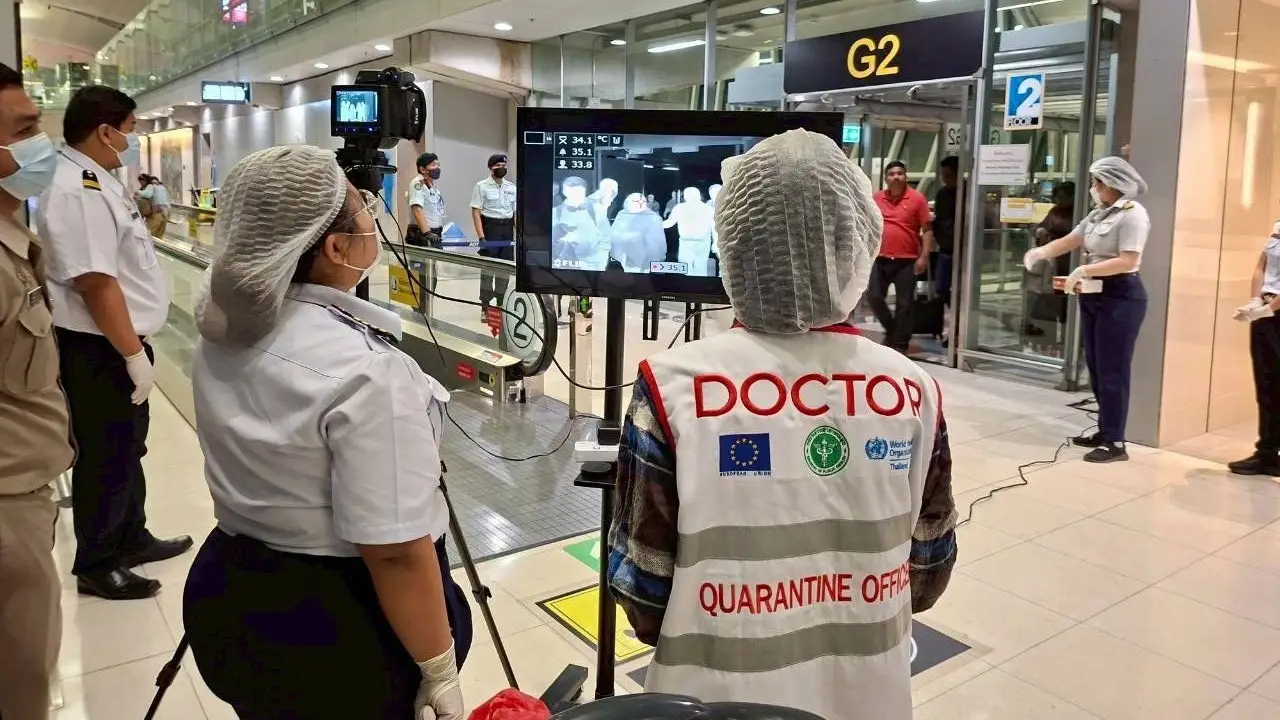
Various countries have introduced Covid-style checks in their airports following concerns over the virus, which is fatal to between 40 and 75 percent of people who contract it.
Passengers arriving at airports are being monitored for fever and viral symptoms, while a 'Health Beware Card' can be issued to travellers who arrive from risk areas urging them to seek immediate medical attention if they develop any of the symptoms associated with Nipah virus.
While it's a dangerous disease this is the ninth outbreak of Nipah in India since 2001 and disease prevention protocols are ready for such an event.
Despite this there is no vaccine for the virus, which is a bat-borne pathogen transferred from animals to humans as it gets transferred most commonly from fruit bats to pigs and then humans.
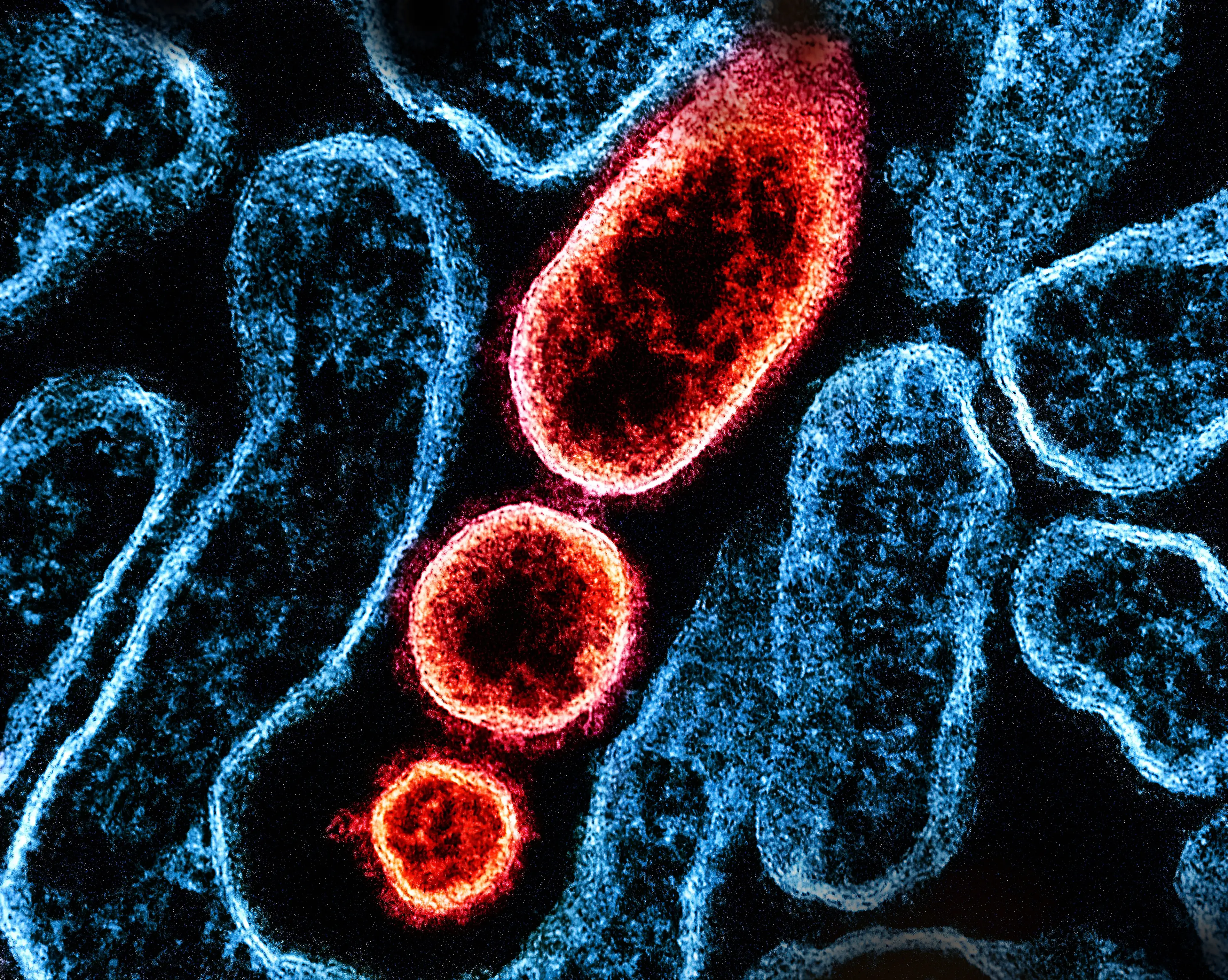
"Human infections range from asymptomatic infection to acute respiratory infection (mild, severe), and fatal encephalitis," the WHO said.
Symptoms people can expect to experience with the virus include 'fever, headaches, myalgia (muscle pain), vomiting and sore throat', followed by 'dizziness, drowsiness, altered consciousness, and neurological signs that indicate acute encephalitis'.
Diagnosing someone with the Nipah virus can be difficult as it can 'resemble a non-specific flu-like illness' and can be mistaken for something else.
While the virus is considered to have 'epidemic potential' the chances of it reaching the UK are considered remote, as a doctor explained it has 'historically been geographically restricted to parts of Asia' and there was 'no evidence' of there being 'sustained transmission outside these areas'.
Topics: Health, World News
 Joe Harker