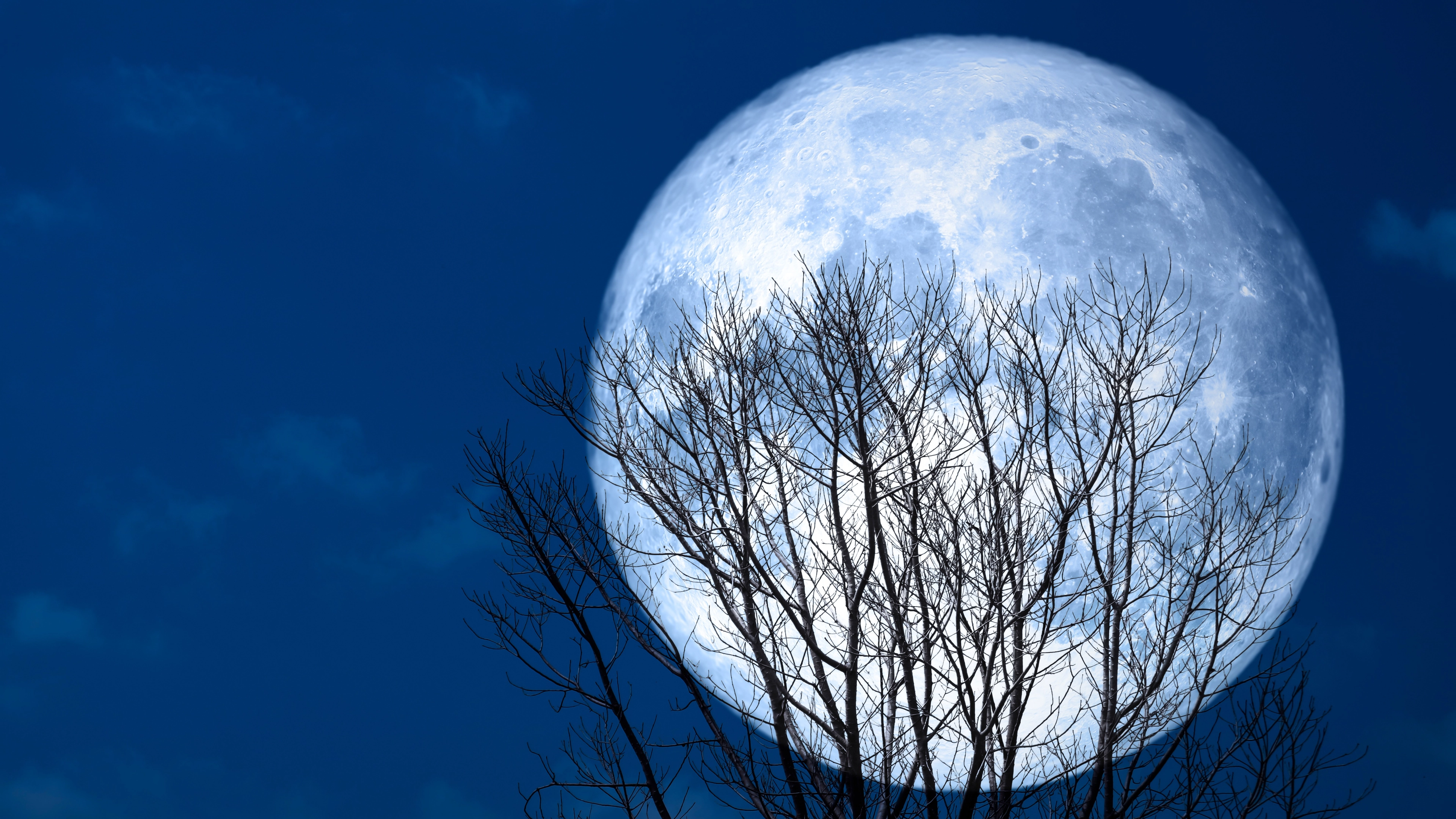
Where and when to see the full Cold Supermoon expected to light up the skies tonight

The Cold Moon is set to be on full view today (4 December), marking the final supermoon of 2025 as the phenomenon lights up the sky.
This particular supermoon is the third to grace our planet in the last year, which is not unusual, however they have been very close together which is rare.
A supermoon takes place when a full Moon coincides with the Moon's closest approach to Earth in its elliptical orbit, known as perigee, according to NASA.
Although not a technical term, a supermoon usually refers to a full Moon that comes within at least 90 percent of perigee, the space agency explains.
Advert
Supermoons come in a number of different forms based on other celestial events happening at the time, such as a super blood moon, which happens when a supermoon coincides with a total lunar eclipse, or based on the time of year when they occur.
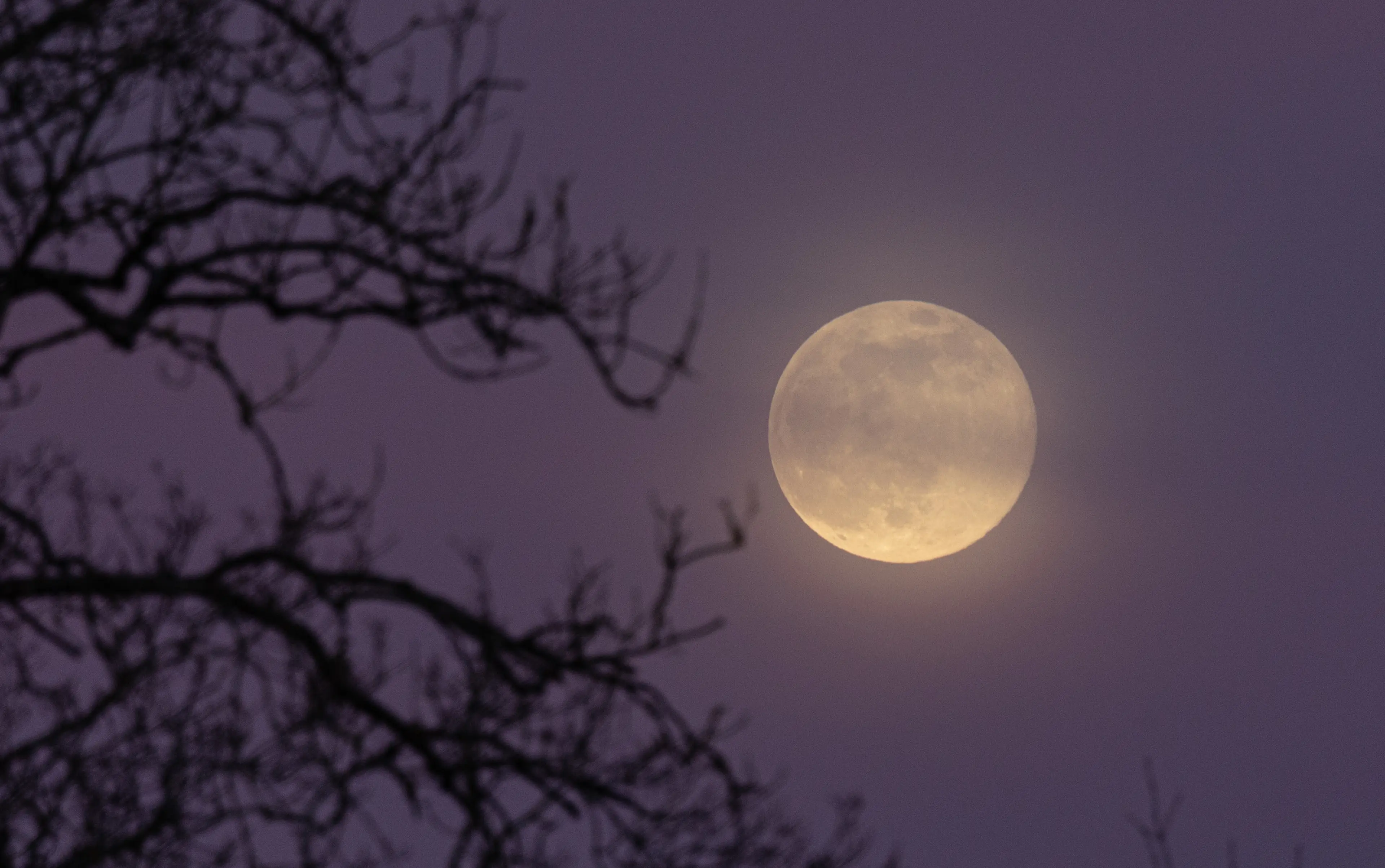
Tonight's supermoon is a Cold Moon which marks the start of winter and has also been known as the Long Night Moon and the Moon before Yule.
Where and when can I see the supermoon?
The full Moon should be visible from this afternoon, with the lunar spectacle rising at around 2.52pm in London, 2.29pm in Edinburgh, 2.52pm in Belfast and 3.05pm in Cardiff.
Weather permitting, the Cold Moon should be visible all night, until between 8am and 9am on Friday morning (5 December).
The BBC reports that cloud and rain are expected across northern and eastern Scotland and northern England, which could impact your ability to see the supermoon in these areas, however skies are expected to clear overnight so if you're prepared to stay up late, you stand a better chance of witnessing the phenomenon.
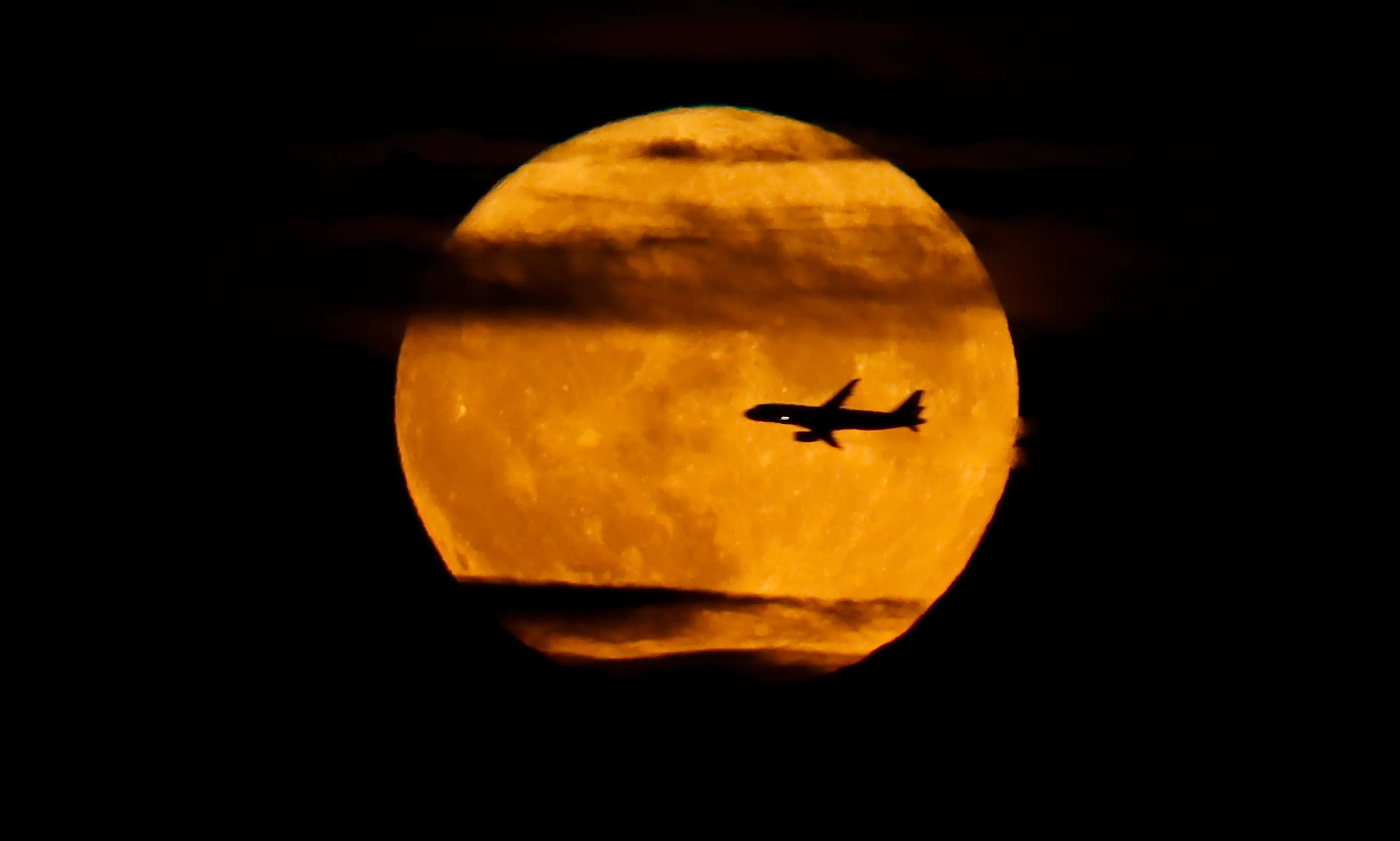
You might find this full Moon looks slightly orange in appearance but don't be alarmed, it's just down to moonlight being dispersed by Earth's thick atmosphere.
While this supermoon is the last of 2025, you won't have to wait too long before you can see another, as the first perigee Moon of 2026 is expected to be visible next month on 3 January, and this one will be the Wolf Moon.
This is the traditional name for the first full Moon of the year, named after the howling of hungry wolves which were often heard during January back when food was scarce and by sheer coincidence, this full Moon is yet another supermoon.
 Emma Rosemurgey