ladbible homepage
ladbible homepage
  • iconNews
  • videos
  • entertainment
  • Home
  • News
    • UK
    • US
    • World
    • Ireland
    • Australia
    • Science
    • Crime
    • Weather
  • Entertainment
    • Celebrity
    • TV
    • Film
    • Music
    • Gaming
    • Netflix
    • Disney
  • Sport
  • Technology
  • Travel
  • Lifestyle
  • Money
  • Originals
    • FFS PRODUCTIONS
    • Say Maaate to a Mate
    • Daily Ladness
    • UOKM8?
    • FreeToBe
    • Citizen Reef
  • Advertise
  • Terms
  • Privacy & Cookies
  • License Our Content
  • About Us & Contact
  • Jobs
  • Latest
  • Archive
  • Topics A-Z
  • Authors
Facebook
Instagram
X
Threads
Snapchat
TikTok
YouTube
Submit Your Content Here
  • SPORTbible
  • Tyla
  • GAMINGbible
  • LADbible Group
  • UNILAD
  • FOODbible
  • UNILAD Tech
Night owls 'have unhealthy habits' that could lead to early death

Home> News> Health

Published 18:32 25 Oct 2023 GMT+1

Night owls 'have unhealthy habits' that could lead to early death

Research finds that the risk of dying prematurely is nine percent higher among night owls than those who go to bed early

Bec Oakes

Bec Oakes

google discoverFollow us on Google Discover

If you love scrolling through TikTok until the early hours of the morning, dropping off to sleep around 3am and rolling out of bed at midday, you're probably not going to like this article.

Previous research suggests those who go to bed later tend to have a slightly increased risk of death from any cause, particularly heart disease.

A new group of scientists from the University of Helsinki wanted to find out why this was.

Advert

The researchers gathered data on nearly 23,000 twins over the course of more than 37 years in Finland, assessing the impact of an individual's chronotype — the body's natural preferences to sleep at a certain time — on their health.

Participants were 24 years old at the start of the study, which lasted from 1981 to 2018.

They were asked to pick from four possible responses: “I am clearly a morning person,” “I am to some extent a morning person,” “I am clearly an evening person” or “I am to some extent an evening person.”
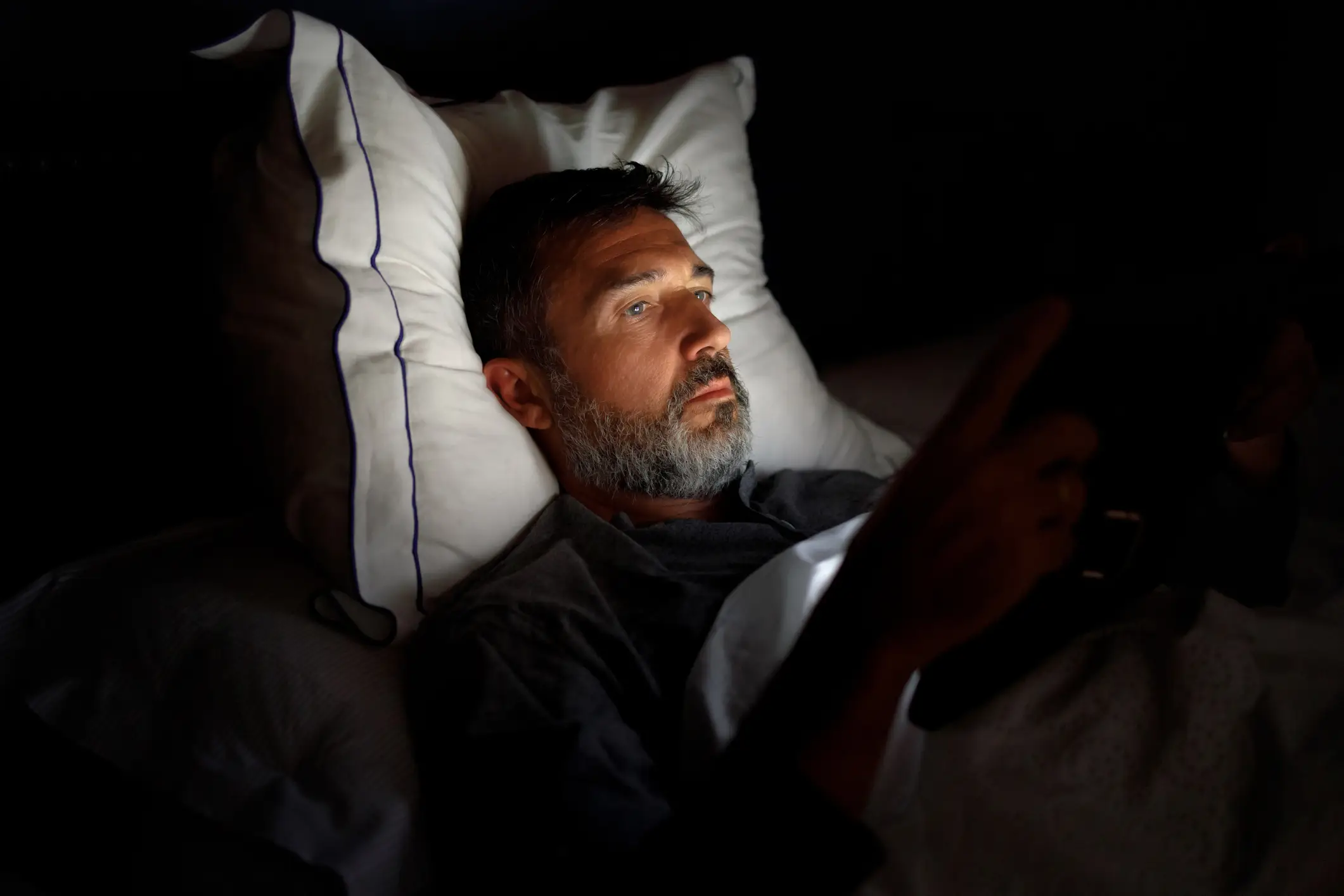
Research conducted in Finland assessed the impact of when you go to bed on your health.
Getty Stock Photos

They were also asked questions about their education, alcohol consumption, smoking status, BMI and sleep duration.

The results revealed that 7,591 participants identified as an evening person 'to some extent,' while 2,262 said they were 'clearly an evening person.' For morning types, the numbers were 6,354 and 6,769 respectively.

More than 8,700 participants had died by the end of the study in 2018, but the research found very little correlation between when a person tended to go to bed and mortality.

So why do evening people have an increased risk of mortality? Well, it's not so much to do with when people go to bed, more the likelihood that night owls have unhealthy habits.
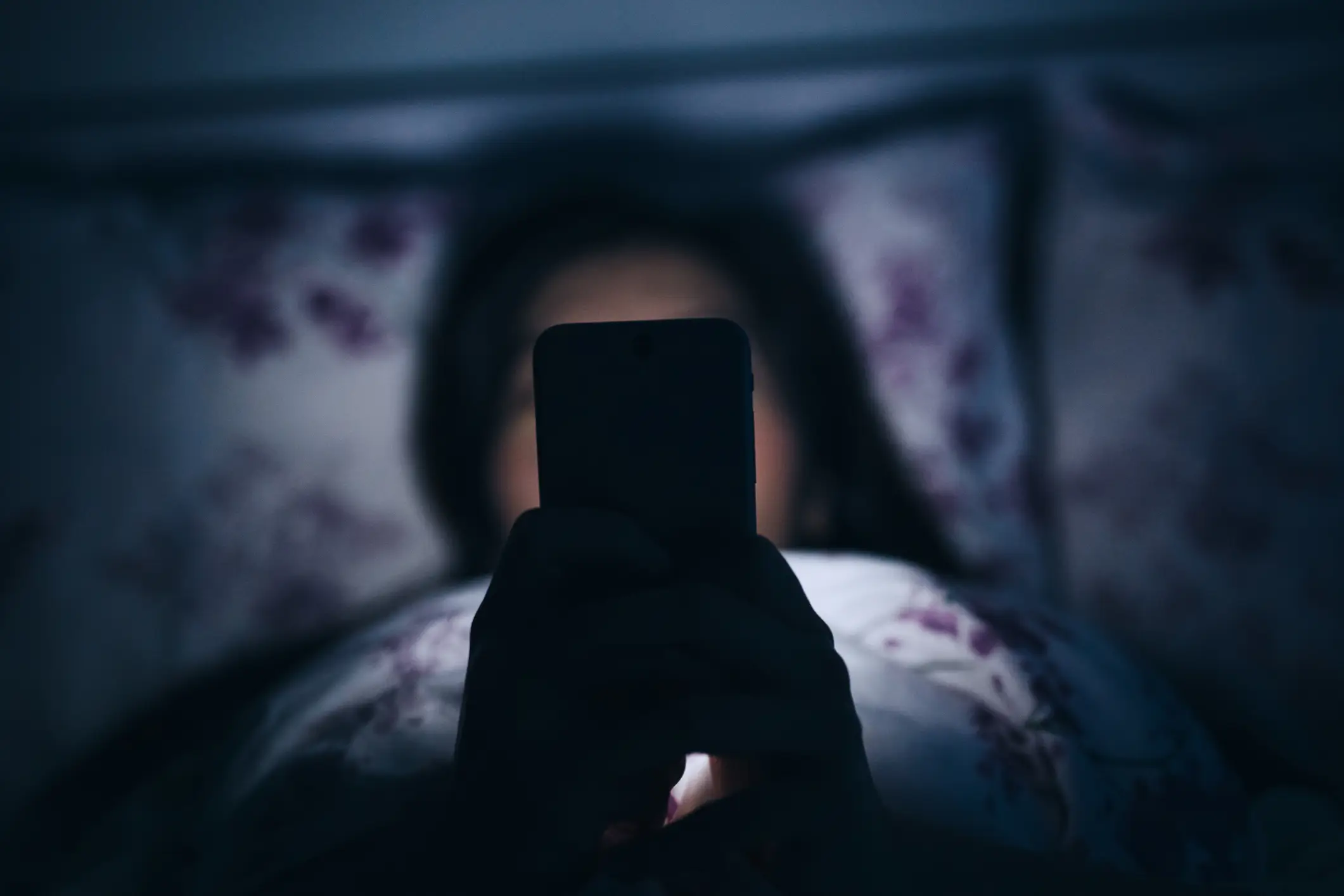
The study found that night owls are more likely to have habits that lead to a premature death.
Getty Stock Photos

Night owls drank or smoked more than their early bird counterparts and were also less likely to regularly get eight hours of sleep.

Sleep medicine specialist Bhanu Prakash Kolla told CNN: “We have known for a long time that those who have an evening type preference are more likely to be heavier drinkers, have alcohol use disorder, and are also more likely to use other substances including tobacco.”

The negative impacts of alcohol and smoking are widely known, but there is also growing evidence that sleep duration and quality can also greatly impact your health, and night owls are likely getting less sleep.

Kolla continued: "Those who are evening types will likely need to wake up early for work/school therefore end up getting less sleep and the sleep deprivation can increase risk."

The findings suggest that the chance of dying was nine percent higher among night owls than early birds, with smoking and alcohol largely contributing to their deaths.

So essentially, the night owls out there don't need to panic, so long as they avoid smoking and excessive drinking and make sure they're getting enough shut eye.

Featured Image Credit: Getty Stock Photos

Topics: Health, Science, News

Bec Oakes
Bec Oakes

Recommended reads

Baseball fan speaks out after taking ball from 11-year-old girl in brutal videoMLBTVTourists warned over choice between foreign or your own currency when using ATM abroadGetty Stock ImagesThe gifts exchanged between Trump and King Charles during historic visit including Melania's message to Kate and WilliamAndrew Harnik/Getty ImagesHow often you should really masturbate to be healthy as man made ‘dangerous’ discovery doing it every day for a weekGetty Stock Image

Advert

Choose your content:

7 hours ago
8 hours ago
11 hours ago
12 hours ago
  • MLBTV
    7 hours ago

    Baseball fan speaks out after taking ball from 11-year-old girl in brutal video

    Max Quinn landed himself in hot water after wrestling the ball from the youngster

    News
  • Andrew Harnik/Getty Images
    8 hours ago

    The gifts exchanged between Trump and King Charles during historic visit including Melania's message to Kate and William

    The King and Queen and said their farewells to Donald Trump and first lady Melania following their four-day state visit

    News
  • Getty Stock Images
    11 hours ago

    11 cancers are on the rise in young people as scientists work out first clue why

    The cancers showing increasing rates include bowel, thyroid, multiple myeloma, liver, kidney and pancreatic cancer, among others

    News
  • Instagram/@davidalfieward
    12 hours ago

    White comedian calls out racist who abused him while on stage

    The mood at the comedian's gig shifted into a 'fight for dignity' when he was left in an uncomfortable position

    News
  • Doctor's stark warning as sleeping for specific amount of time every night could lead you to an 'early death'
  • Top anal surgeon 'Dr Butthole' reveals warning sign that could lead to a scary ‘silent disease’
  • Doctors issue 'skinny fat' warning that might be silently killing you early
  • This sleep habit could be an early sign of dementia, scientists warn