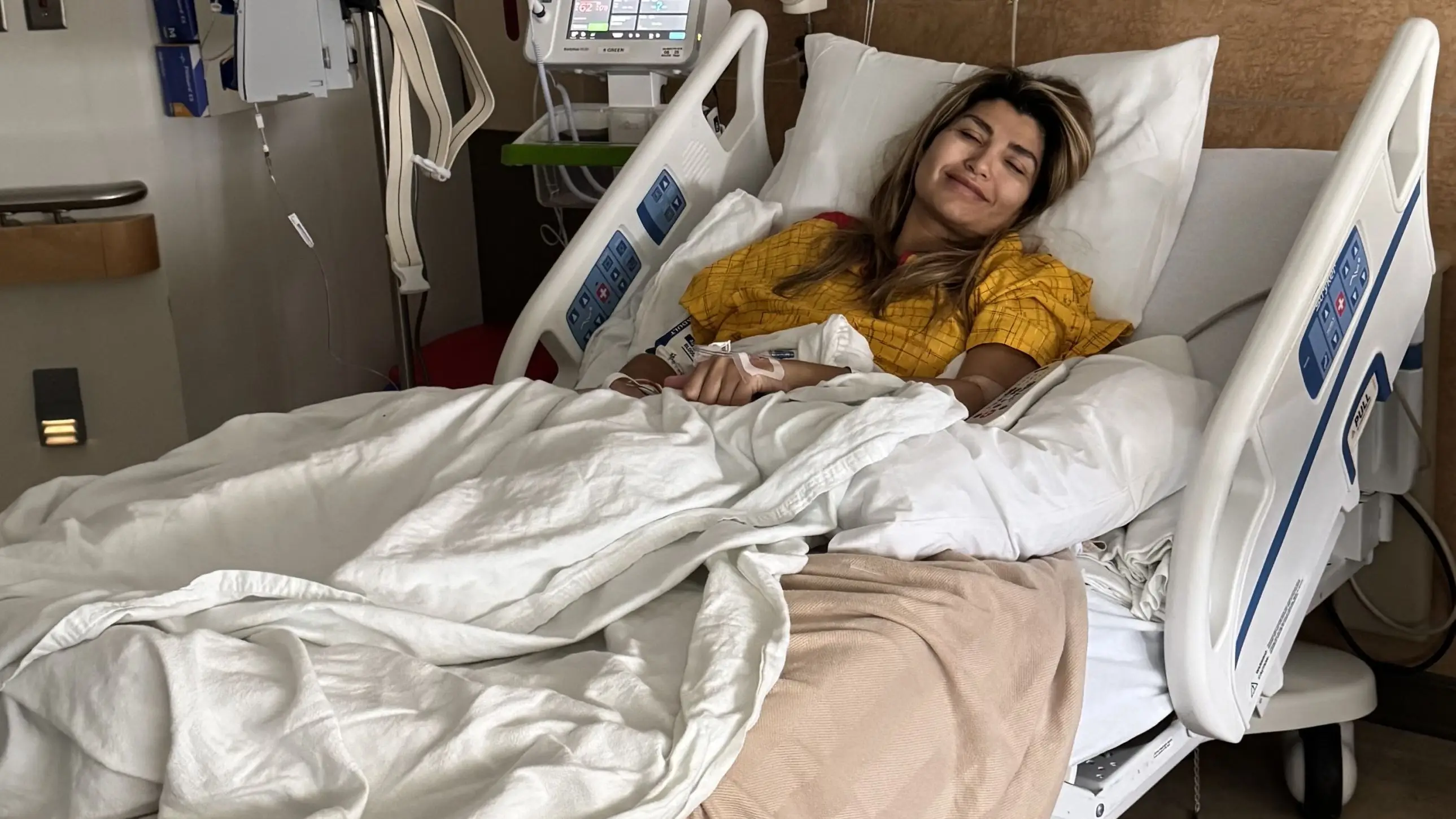
Mum told cancer was bad luck before ChatGPT revealed household item was the issue

A woman in the US has claimed that ChatGPT was able to detect what may have caused her to develop cancer after being informed the diagnosis was 'bad luck' by doctors.
Not long after moving into a new home in February 2022, Schayene Silva began to experience symptoms such as heartburn, coughing and vomiting.
Concerned about what had caused her to become unwell, the mother-of-two visited a total of eight different doctors for guidance – only to be told the issue was 'just gas' and that she was 'too young to have cancer'.
When she was finally referred for an MRI in October 2024, doctors discovered the 38-year-old had a mass on her left kidney, which was later diagnosed as Stage 1, Grade 2 kidney cancer.
Advert
Fortunately, Schayene was able to have the tumour successfully removed, meaning she is now cancer-free, but the shocking diagnosis led her to want to understand more about why she'd developed the tumour.
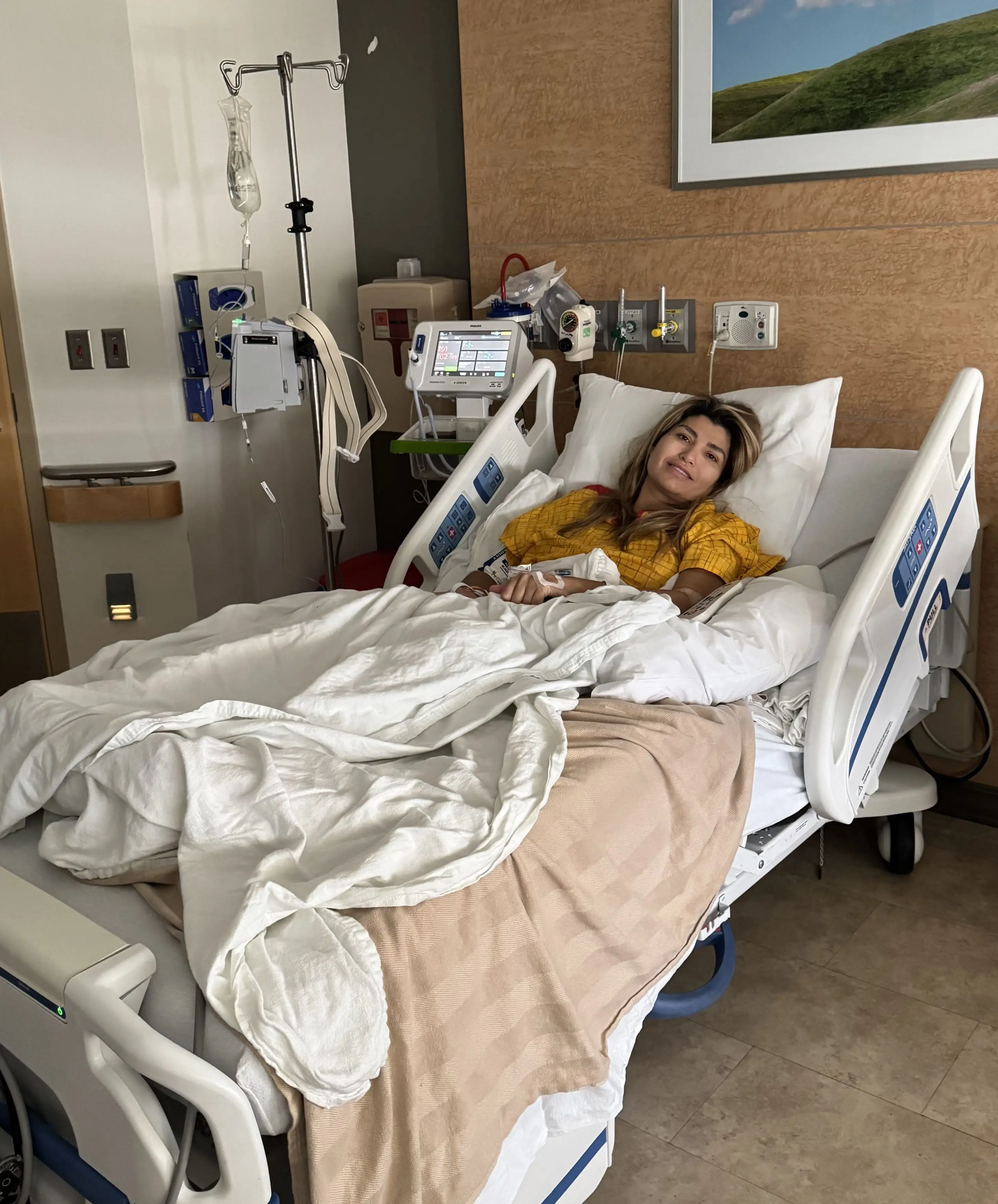
After tracing back the onset of her symptoms, Schayene realised they coincided with moving into a new house. "I started having symptoms when I moved to this house. I started having many heart burn [episodes], puking and coughing," she recalled.
"I had panic attacks, not being able to breathe, but I was pregnant so I thought that was it."
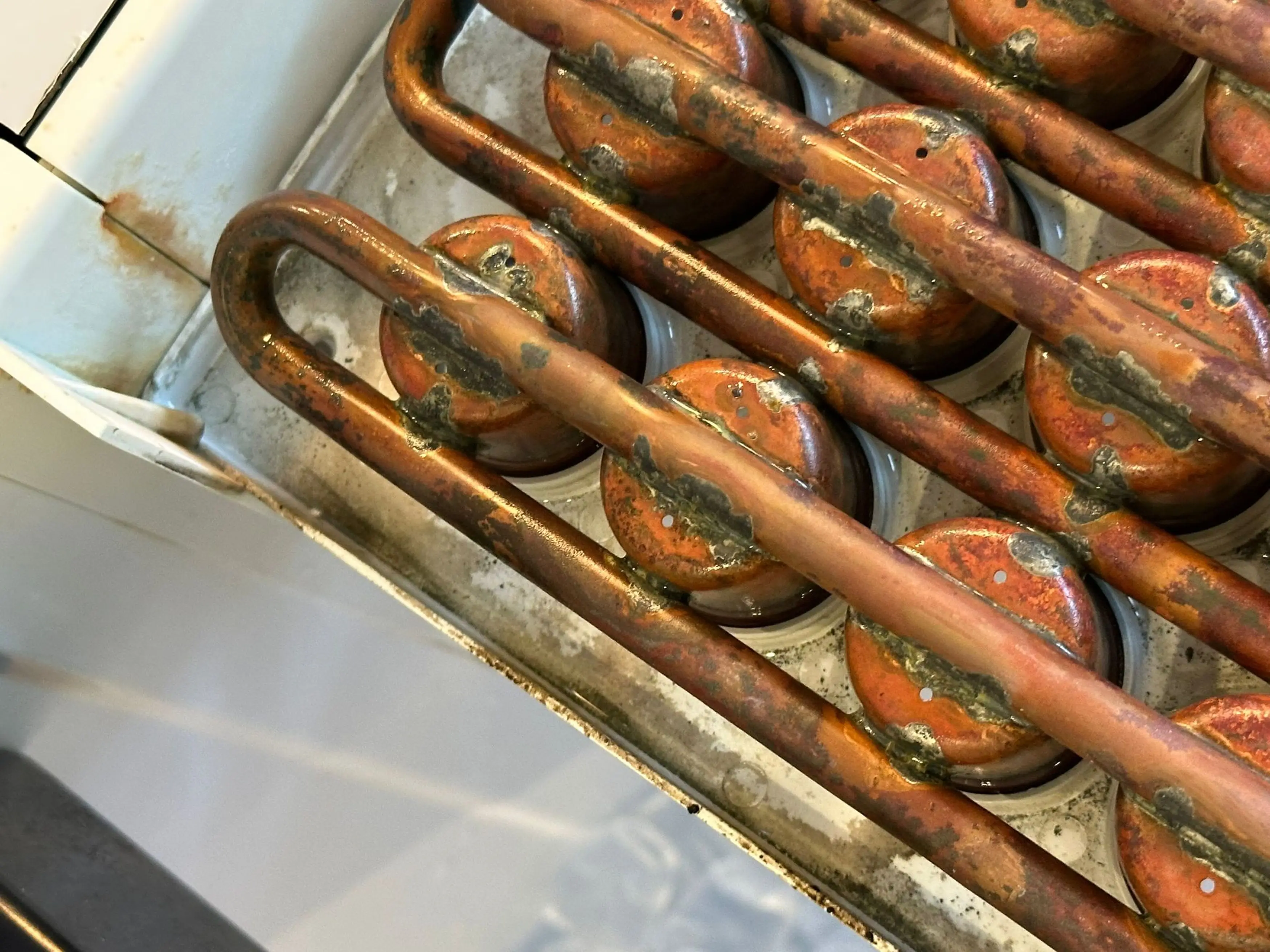
After having her house tested for mould, the Oklahoma mother decided to disassemble an ice machine that came with her house, and was shocked to find the appliance was covered in mould.
After appearing to connect the dots, Schayene decided to consult ChatGPT for advice.
Now, artificial intelligence isn't typically recommended for seeking medical advice, but in Schayene's case, the chatbot helped her identify a possible cause of her illness.
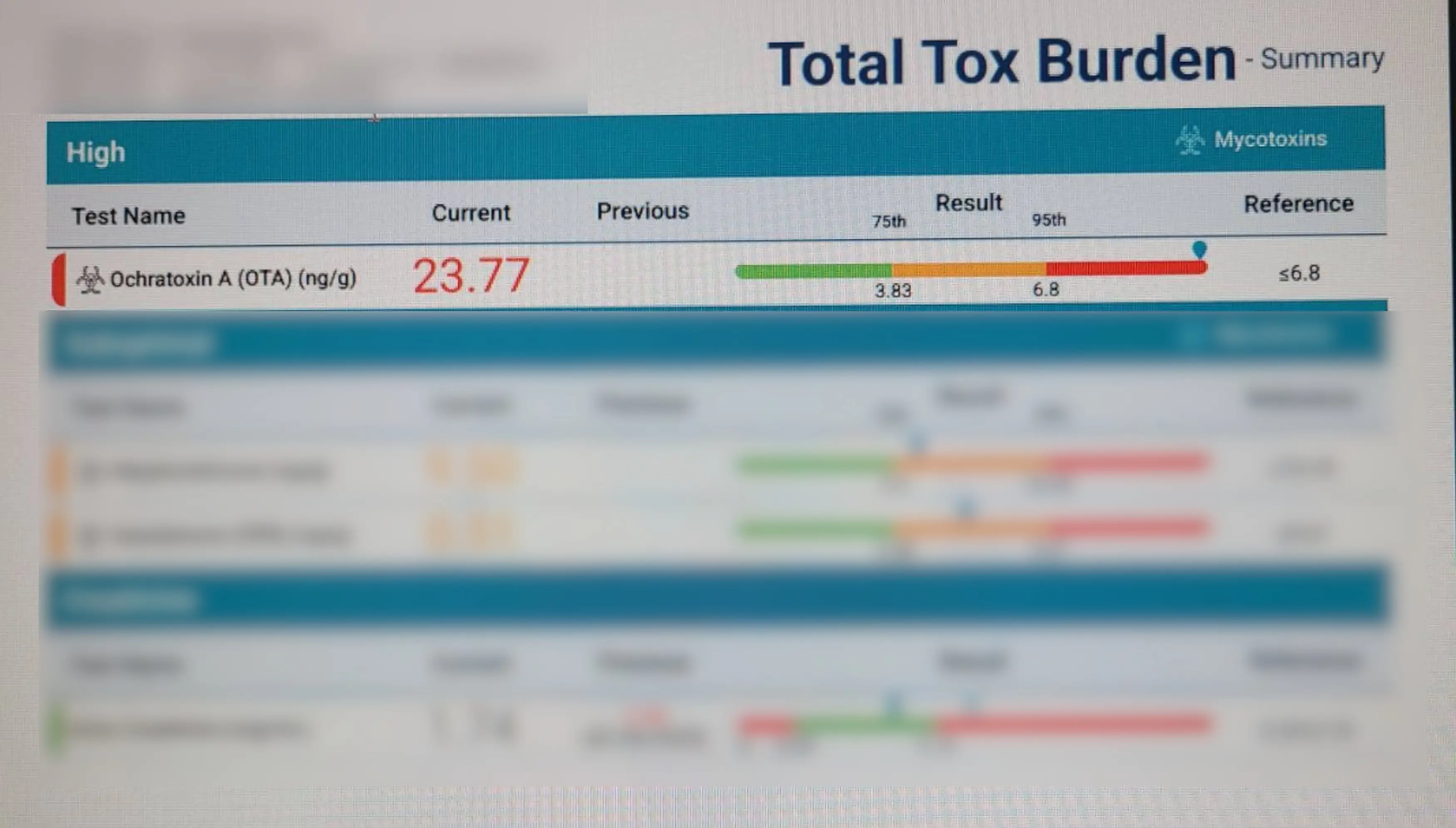
She underwent a test for Ochratoxin, which is a toxin produced by mould, which revealed she had more than ten times the normal amount in her body, which is vastly different to the 'bad luck' conclusion which she'd received from her healthcare provider.
According to the World Health Organisation (WHO), the most notable effect of Ochratoxin is kidney damage, but the toxin may also affect foetal development and the immune system.
While kidney toxicity and kidney cancer are caused by Ochratoxin A exposure in animals, this association in humans is unclear.
However, the information was enough for Schayene, who promptly stopped drinking the machine's ice.
"I stopped drinking the ice immediately, and on the next day I didn't have a heartburn, I didn't need to puke," she said, adding: "I haven't had any panic attacks, I'm able to drive again, my hair is growing, my nails are growing.
"Once you're out of exposure your body knows how to heal. I knew he [the doctor] was wrong so I didn't give up. I feel like I have beat it, I'm good."
Responding to Schayene's story, a spokesperson for OpenAI, which created ChatGPT, said the platform is for 'education and information, not medical diagnosis or treatment, and is never intended to replace doctors or professional medical care'.
Topics: Health, Cancer, ChatGPT, Artificial Intelligence
 Brenna Cooper