Experts issue 'nuclear war is possible' warning as treaty between US and Russia ends today

A nuclear war agreement between Russia and the US is set to expire today (5 February) as officials have issued a 'peace and security' warning.
The New Strategic Arms Reduction Treaty (New START) was signed in 2010 to help prevent a nuclear war from breaking out. It was one of a handful of agreements which capped the number of strategic nuclear warheads for each party to 1,550, as well as general transparency.
Even though Russia suspended the treaty three years ago after the start of the Ukraine war, it's thought that they have still been abiding by the rules.
UN Secretary General António Guterres has warned that the end of the agreement 'marks a grave moment for international peace and security'.
Advert
Guterres said 'we face a world without any binding limits on the strategic nuclear arsenals' of the nations that have the 'overwhelming majority of the global stockpile of nuclear weapons'.
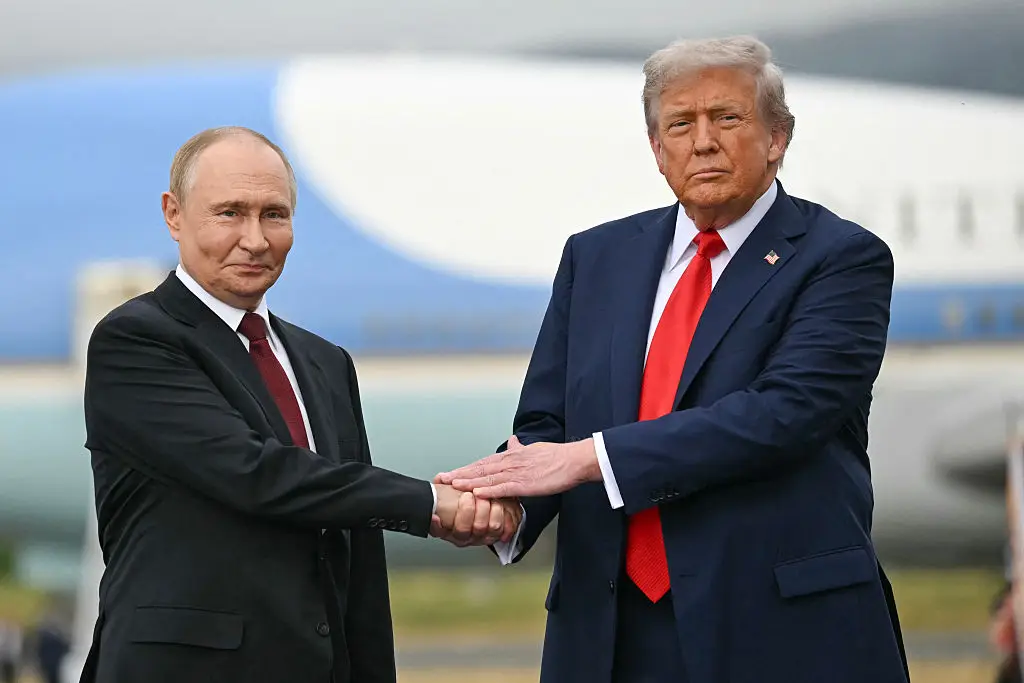
The original START treaty was first signed in 1991 by the US and Russia, which forbade the two nations from deploying more than 6,000 nuclear warheads.
Russia is said to have the highest total number of nuclear weapons, with an estimated inventory of over 5,459 warheads, according to the International Campaign to Abolish Nuclear Weapons (ICAN). The US, meanwhile, follows closely behind with around 5,277 warheads.
Guterres thinks it would be best for both countries to 'reset and create an arms control regime fit for a rapidly evolving context' as the 'risk of a nuclear weapon being used is the highest in decades'.
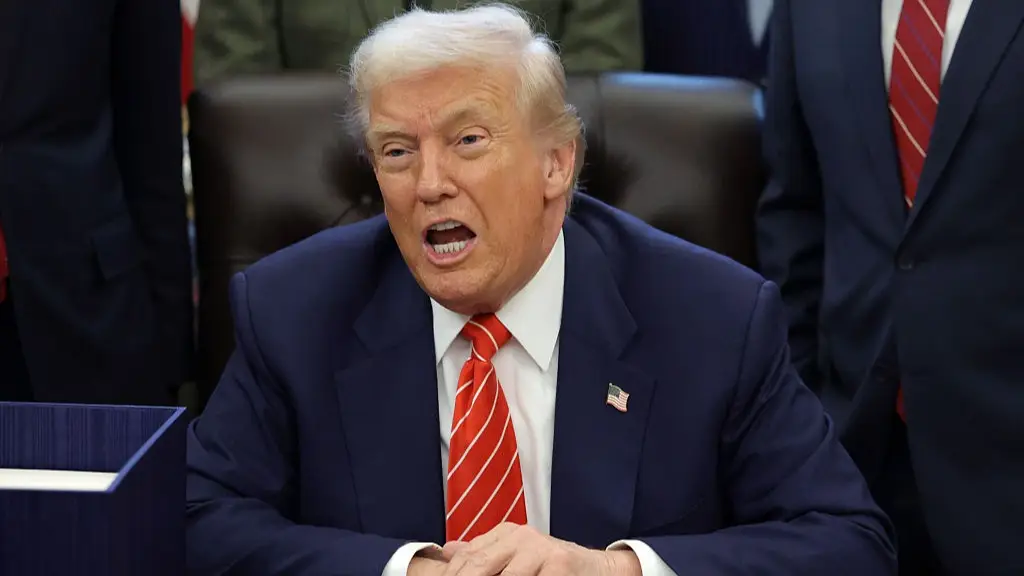
However, President Donald Trump isn't worried about the treaty ending and predicts that another agreement will happen.
"If it expires, it expires… We'll just do a better agreement," he told The New York Times. "You probably want to get a couple of other players involved also."
However, John Erath, senior policy director for the Center for Arms Control and Non-Proliferation, has warned that the US and Russia have failed to come to a nuclear agreement over the past 10 years.
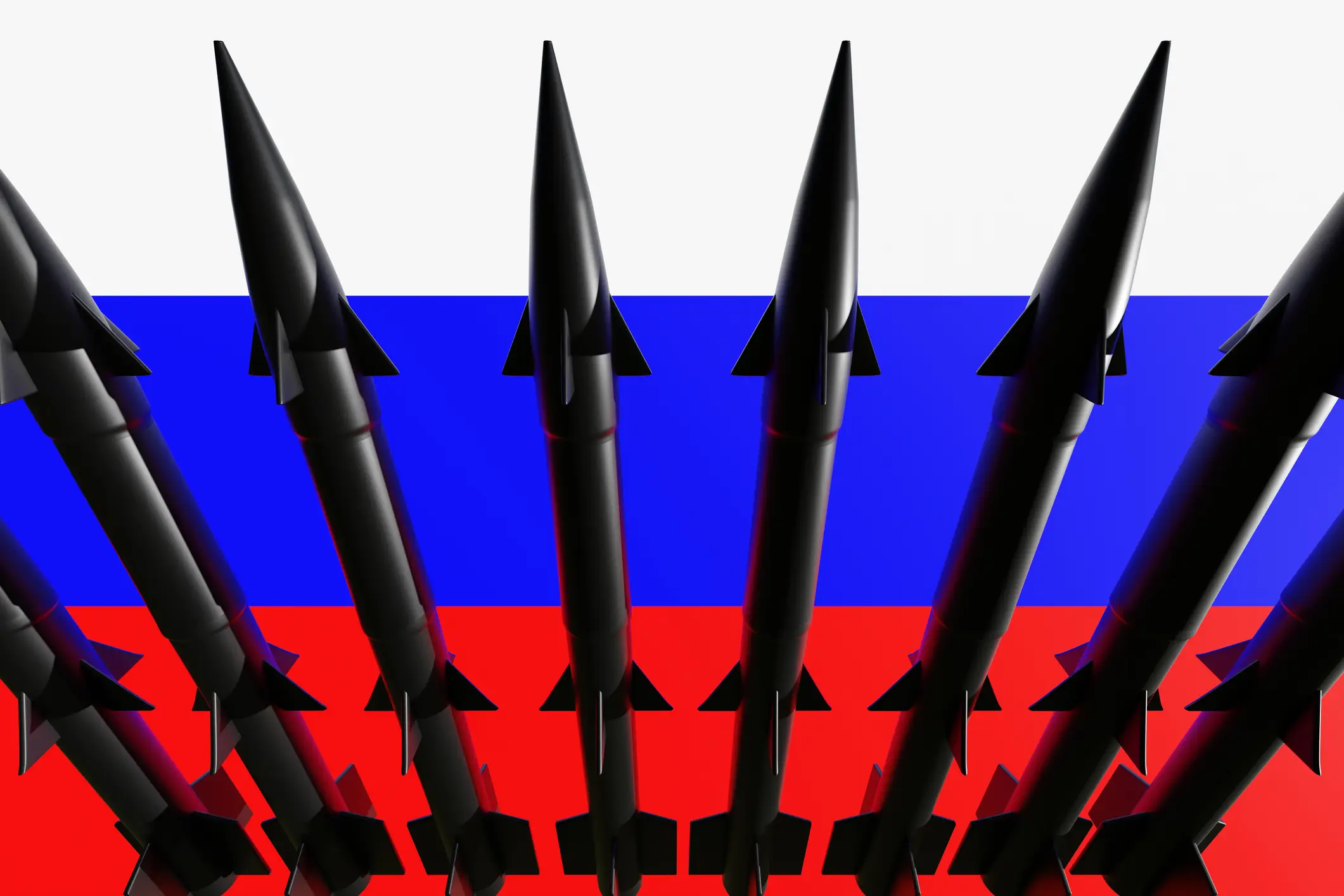
It also follows the end of the The Intermediate-Range Nuclear Forces Agreement (the deployment of shorter-range nuclear weapons within Europe), the Open Skies Treaty (allows flights to each other's territory to monitor military forces), and the Conventional Armed Forces in Europe Treaty (limited the numbers of tanks, troops and artillery systems).
"The expiration of the treaty is a symptom, not the disease," Erath told The Daily Mail. "There's a lot going on that's increasing the perception that nuclear war is possible."
He said that 'developements', such as global instability, regional conflicts, and weakening diplomatic institutions, are 'eroding confidence in our safety'.
He added: "They increase the perception that nuclear war is possible. It may not be likely, but the possibility is higher than I feel comfortable with.
"And on top of all this, we're losing the last numerical limits on the arsenals of the world's largest nuclear powers. That's the big picture."
Topics: US News, Russia, Donald Trump, Vladimir Putin
 Anish Vij