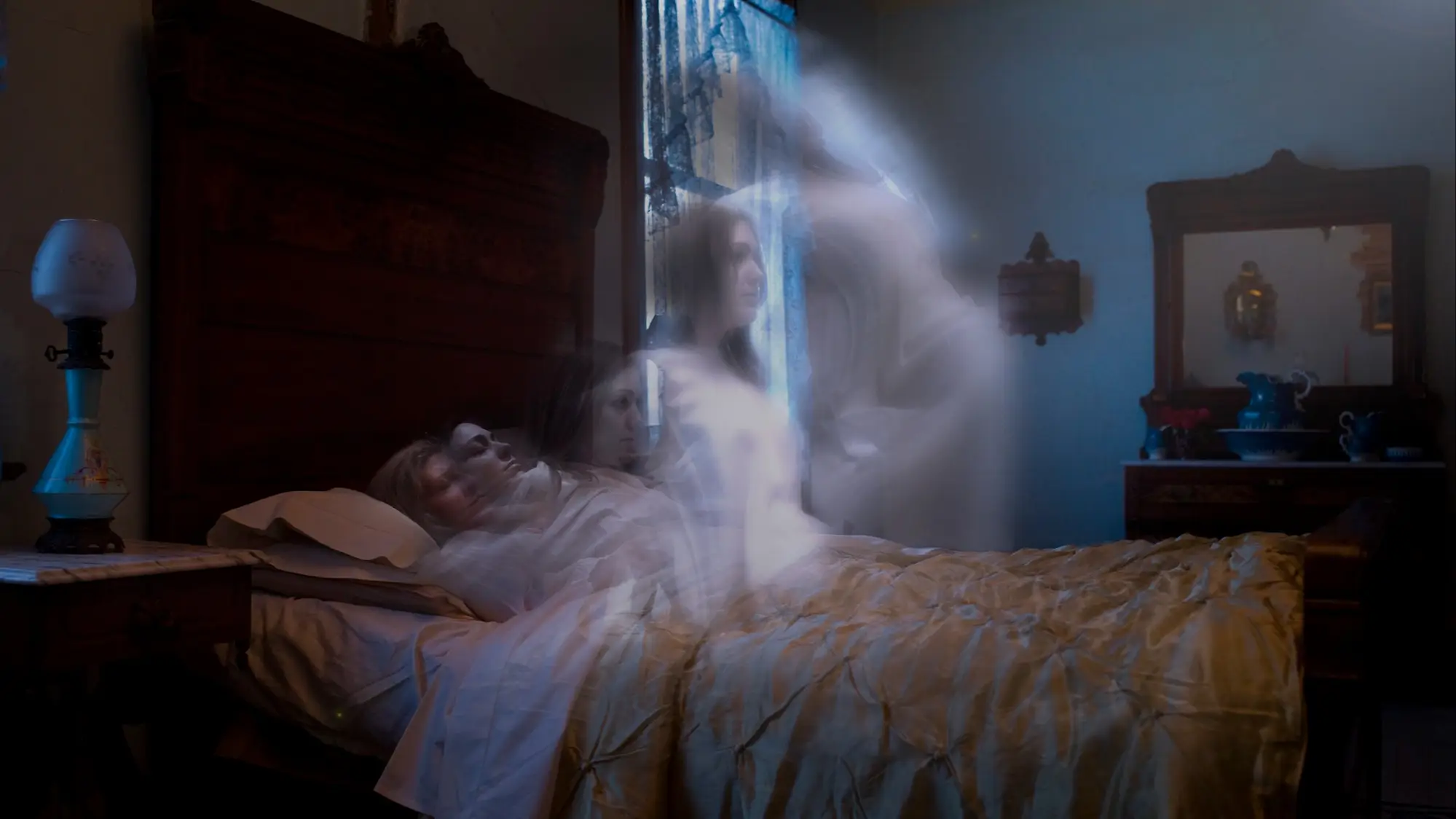
There is a sound a person makes that means they have less than one day to live

Those who have worked in palliative care will be aware of the noise many people make when they are close to the end of their lives, known as the 'death rattle'.
The people who've cared for those going through their final days and weeks see many of the things the human body does as it approaches death and are able to plot the signs.
Some of these things occur months away from the point of death as the body slows down and a person starts sleeping a lot more, as well as eating and drinking a lot less.
A few days before death lots of patients will experience a phenomenon known as 'the rally' where they'll eat more, talk more and seem to have improved a great deal which can give their loved ones false hope.
Advert
However, it's just a temporary reprieve and their condition soon declines again, and in the last day of life they may make the death rattle.

What does the death rattle sound like?
Those who've heard it have said it's like a 'crackling, wet noise' which gets louder when the person doing it breathes, while others have said it's more like a gurgling or snoring sound.
The noise can be distressing to people hearing their loved one make such a sound, though medical experts have said the person doing it isn't being caused pain by the death rattle.
After they start doing the noise many people have about one day left to live, though studies have indicated that someone in hospice care can last a bit longer than that.

Why do people do the death rattle?
Medical News Today says the sound comes as a result of a change in breathing patterns and 'secretions' which 'collect in the throat' and the dying individual is no longer able to remove them.
Someone could normally clear these secretions away but if they are close to death they may lack the strength to do so, hence the death rattle.
A hospice nurse named Julie said it was a 'collection of a small bit of saliva in the back of the throat' and it was all a normal and natural part of the process of dying.
Many things about the process are distressing for those witnessing it, particularly if it sounds like the person on their deathbed is choking or struggling to breathe.

How can someone doing the death rattle be helped?
Given it's a signal that a person is likely to be in their final hours of life, the best that can be done for someone doing the death rattle is often to make them comfortable.
Trying to stop the death rattle may involve turning them on their side, raising their head so the secretions in the throat can drain away, keeping the mouth moist and limiting a person's fluid intake.
However, this may not make them stop entirely, so it's a sign that the hospice nurses ought to attend to the person's comfort in their final hours.
If you have experienced a bereavement and would like to speak with someone in confidence, contact Cruse Bereavement Care via their national helpline on 0808 808 1677.
 Joe Harker