
Warning issued as woman speaks out about 23-year addiction to nasal sprays

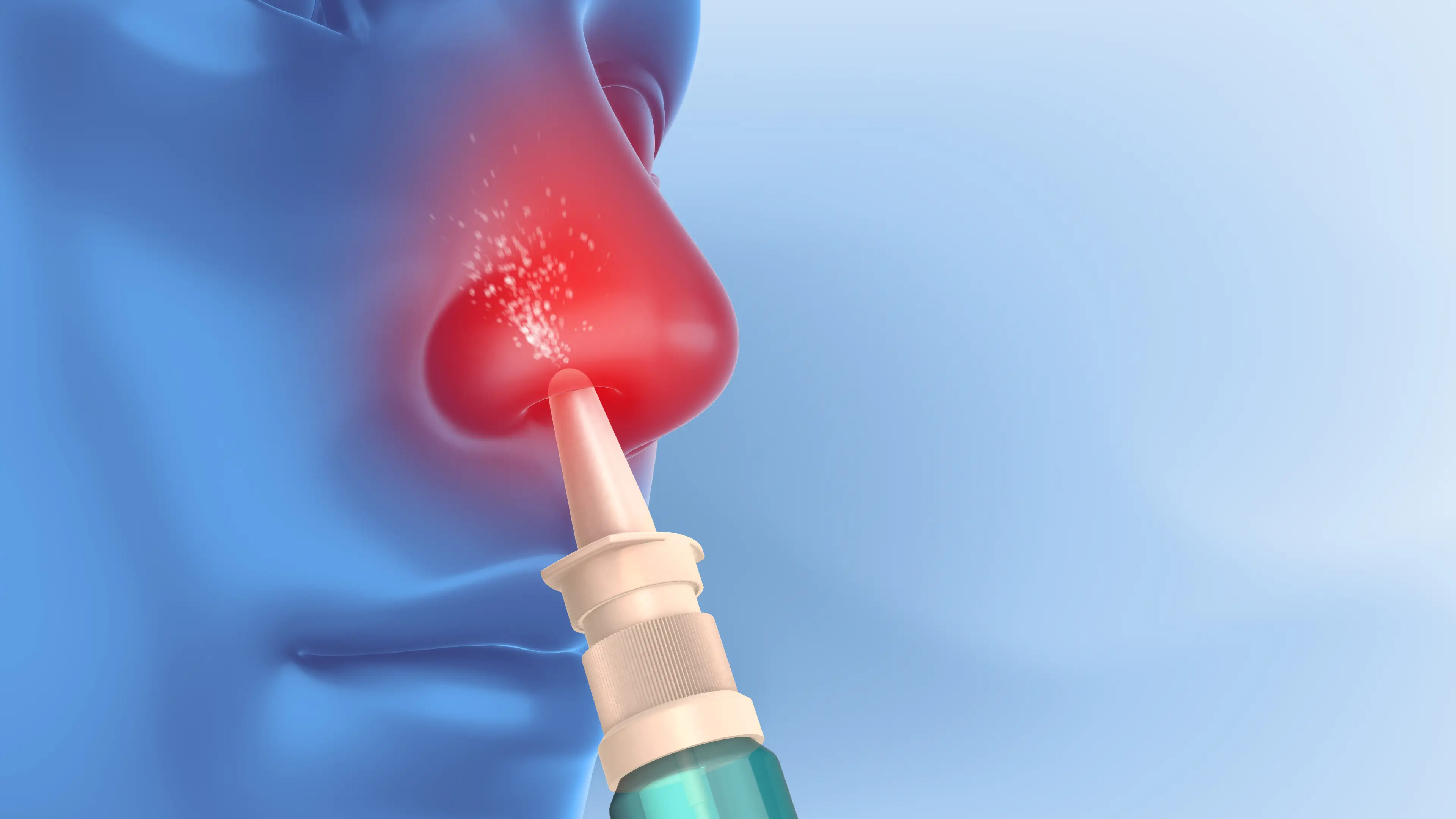
Millions of people in the UK alone are now at risk of becoming 'addicted' to decongestant nasal sprays, according to new research.
The sprays, which can be bought over the counter in a bid to combat a stuffy nose, come with a warning not to use them for longer than seven days — which millions of users routinely ignore.
However, overusing the decongestant spray can lead to a condition called rebound congestion, in which the feeling of nasal stuffiness gets worse until the product is used again.
Rebound congestion is caused by nasal sprays which contain the ingredients xylometzoline and oxymetazoline, rather than those made with steroids or salt water.
Advert
A recent investigation by ITV News discovered that many people have become addicted to the sprays, including Charlotte Johnson, who has been using the decongestant several times a day since she was just seven years old.
The 30-year-old confessed she spends around £30 a month on the products and has driven over an hour in the middle of the night to get her hands on some when she's unexpectedly run out.
Her dependence on nasal sprays has caused much anxiety and led to dreams where she's unable to breathe without it.
Charlotte previously believed she was alone in her addiction, until seeing a segment about decongestant nasal sprays on the news, and had even contacted her GP for support, who knew so little about it they had to Google the condition.
Pharmacist and NHS warning
The NHS, the manufacturers of the nasal sprays and the Royal Pharmaceutical Society (RPS) have all warned people against using the sprays for more than seven days.
However, a recent poll revealed that six in 10 pharmacists in the UK thought patients were unaware of the dangers related to extended use.
The survey, which involved 300 pharmacists, found that 59 percent believe the public are not aware of the risk, while 74 percent agreed the packaging should make the seven day warning more clear.
Meanwhile, 63 percent said they had stepped in when they believed a patient was overusing the sprays.
"Nasal decongestant sprays can be helpful for short-term relief, but using them for longer than seven days can make your congestion significantly worse," Professor Amira Guirguis, chief scientist at the RPS, said in a statement.
"Our research shows that many people are unaware of this risk, which means they may continue using these sprays without realising they could be prolonging their symptoms.
"We'd like to see clearer warnings on the packaging which you can't miss and greater awareness of the seven-day limit. If your congestion lasts more than a week, speak to your pharmacist. There are safe and effective alternative options to help you manage your symptoms."
 Emma Rosemurgey