
Heartbroken mother of 24-year-old who died of dementia reveals first time she knew something was wrong

Andre Yarham's mother has revealed the moment she realised a change in her son's behaviour following his death last month.
Yarham was diagnosed with frontotemporal dementia (FTD) due to a protein mutation a month before he was due to turn 23, and by the time he reached 24, the debilitating disease had progressed to the point where he was moved to end-of-life care.
According to Dementia UK, frontotemporal dementia is a rare form of the condition, affecting one in 20 people with a dementia diagnosis.
Andre soon became entirely dependent on others for care and eventually passed away on 27 December 2025.
Advert
His mother, Samantha Fairbairn, confirmed that Andre's brain, which doctors described as similar to that of a 70-year-old, has now been donated to science to help further the study into dementia, while also paying tribute to the avid Manchester City fan.

Fairbairn told the BBC that she first noticed a change in her son's behaviour after her wedding to Andre's stepfather in 2022.
"At our wedding in November 2022, I was more [worried] about 'I'm going to have to be watching Andre because if not, he'll have a bit too much to drink'," she said.
"But he'd gone home by half nine, he just said, 'I'm going home, I've had enough' and off he went, and that's just not like him. I just thought maybe the day had got to him."
In an interview on This Morning, the 49-year-old also recounted other instances, saying: "Every morning he would go to the shop for his drink, and he [started to] come back and forget what he was going for, or he'd come back with something different, or go three or four times a day.
"He had some changes in his behaviour, which were totally out of the norm for Andrew, his speech and the way he was talking, and then forgetting what he was going out to buy.
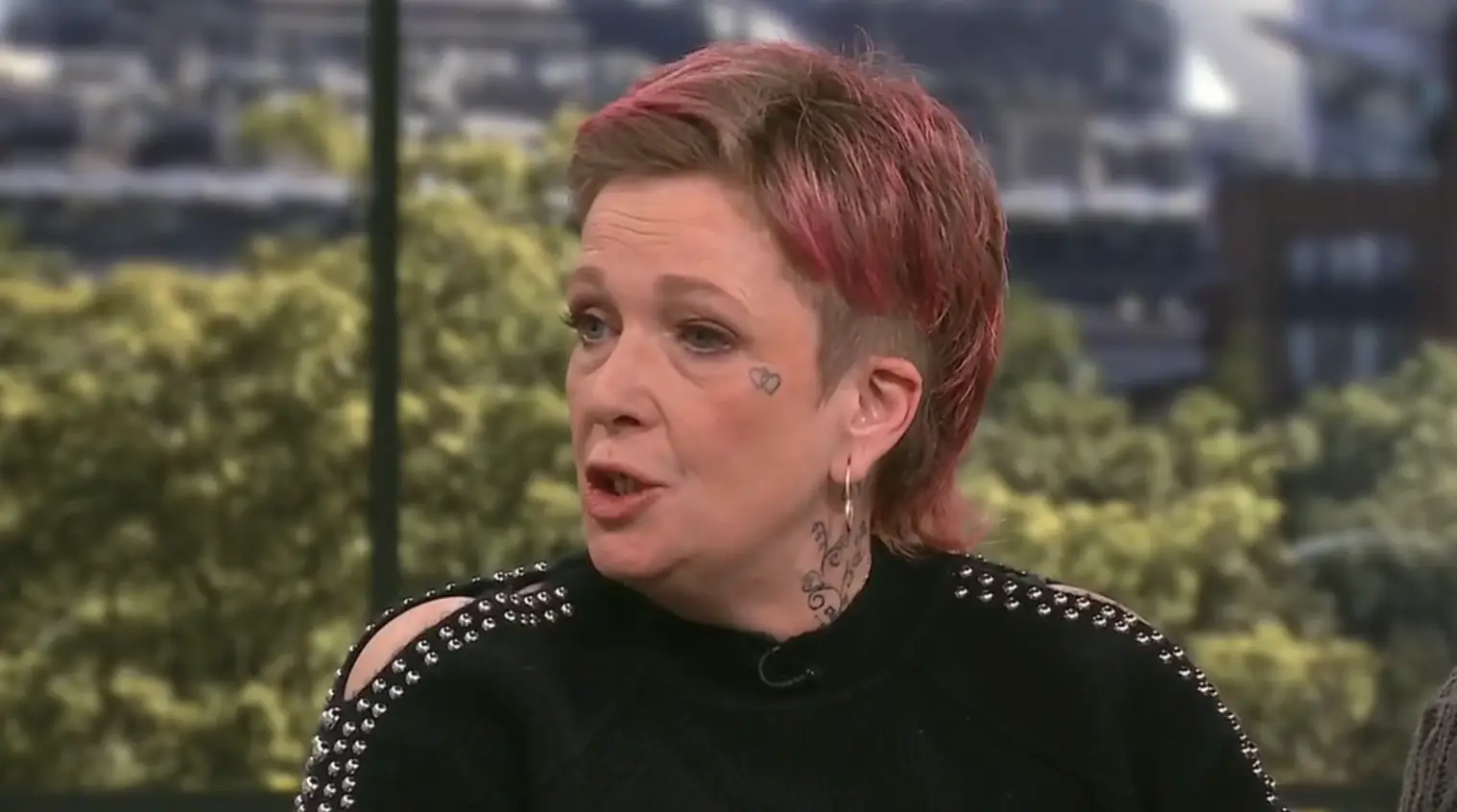
"I'd worked in a day centre for people with autism and ADHD, and I put two and two together, and took him to the GP - he had the assessment and scored very highly, he'd got autism, but there was still something missing."
According to Alzheimer's Society, while symptoms may vary across different people, the 'first noticeable symptoms for a person with FTD will be changes to their personality and behaviour, or difficulties with language', 'sometimes it can involve both', which they say makes it 'very different from the early symptoms of more common types of dementia'.
Samantha continued to push local GPs to find out exactly what was wrong, and eventually they sent him for an MRI scan.
She said: "That's when we got the news that he'd got frontal atrophy - the consultant said if he didn't know the scan he was looking at, he'd have thought it was like that of a 70-year-old that had got dementia."
After his diagnosis, Samantha said she felt 'a range of emotions, from anger, sadness - sadness for him', but that his condition never took away 'his personality, his sense of humour, his laughter and his smile'.
Topics: This Morning, Mental Health, Health
 James Moorhouse